Country preference? Choose the preferred country to view local content and get a better experience.

Darmowa dostawa przy zakupach o wartości powyżej 160 zł Bezpłatny zwrot Czas na zwrot towaru przedłużony do 45 dni
de-NavCard-hand-blender-1080x720.jpg

en-navnod-braun-food-preparation-1080x720.jpg

br_en_NavNode_FoodPrep_Node_HB-Attachments_1080x720.jpg

en-NavCard-hand-mixer-1080x720.jpg

en-NavCard-jug-blender-1080x720.jpg

en-NavCard-food-processors-1080x720.jpg

en-navnod-braun-cooking-1080x720.jpg

MultiGrill 9 Pro

Najlepszy grill Braun dla profesjonalnych rezultatów.

Dowiedz się więcej
br-en-NavNode-Cooking-Node-Airfryer-1080x720.png

Frytkownice beztłuszczowe

Braun MultiFry - więcej niż frytkownica beztłuszczowa

Sprawdź więcej
en-NavCard-multifunctional-contact-grills-1080x720.jpg

CG9167_8_1080x720.jpg

en-NavCard-waffle-and-sandwich-maker-1080x720.jpg

en-navnod-breakfast-1080x720.jpg

Kolekcja Breakfast 1

Wszystko czego potrzebujesz na dobry początek dnia.

Dowiedz się więcej
br_en_NavNode_Breakfast_Node_Coffee-makers_1080x720.jpg

br_en_NavNode_Breakfast_Node_Water-kettles_1080x720.jpg

br_en_NavNode_Breakfast_Node_Spin-Juicers_1080x720.jpg

br_en_NavNode_Breakfast_Node_Toaster_1080x720.jpg

en-NavCard-citrus-juicer-1080x720.jpg

br_en_NavNode_Breakfast_Node_PurEaseCollection_1080x720.jpg

en-NavCard-id-breakfast-collection-1080x720.jpg

en-NavCard-breakfast-1-1080x720.jpg

en-navnod-ironing-1080x720.jpg

Żelazka z generatorem pary

Zaoszczędź 50%* czasu na to co naprawdę ważne.

Dowiedz się więcej
en-navnod-garment-care-1080x720.jpg

br_en_NavNode_GarmentCare_Node_Steam-irons_1080x720.jpg

br_en_NavNode_GarmentCare_Node_Garment-steamers_1080x720 (1).png

menu-promo.png

Braun_HH_BlackFriday_NavCard-produkt-1080x720_25 (1).jpg

Zostało tylko 6 dni.

Przedłużony Black Friday: do 25% zniżki

Zaoszczędź teraz
menu promo outlet.png

en-NavCard-get-inspired-1080x720.jpg

en-NavCard-sustainability-1080x720.jpg

en-navnod-recipes-1080x720.jpg

Kolekcja przepisów

Ciekawe i proste przepisy od Braun.

Dowiedz się więcej
Braun-HH-nutrition-LP-promo-en-NavCard-1080x720.jpeg

Zdrowa dieta, lepsze życie

Zdrowe odżywianie nigdy nie było łatwiejsze.

Dowiedz się więcej
br_en_NavNode_Support_Node_Services_1080x720.jpg

Less food waste

Zero waste: Keeping food fresh and getting creative with leftovers.

zero-waste_header.jpg
Drukuj

Huge amounts of food end up in the bin every day. Planning your grocery shopping, storing it properly and adopting a more conscious approach to what you eat can all help to reduce food waste. Even small changes can help to cut waste or even avoid it completely. But nobody's perfect: We don't need to achieve a zero waste lifestyle immediately, we all just need to start. Equipped with a few tricks for keeping fruit, vegetables and other precious produce fresh, and even reviving a few things past their best, you can reduce food waste to a minimum or even eliminate it entirely. Why not start getting creative with your leftovers?

Keeping food fresh: How to save food and ensure it stays fresher for longer

By chilling, freezing, pickling and preserving food, you can extend its shelf life and save it from being condemned to the bin.

zero-waste_slider-1_best-before-dates_card-1.jpg

Minőség-megőrzési dátumok

A minőség-megőrzési dátumok útmutató jellegűek – és jelentésük nagyon különbözik a fogyaszthatósági dátumétól

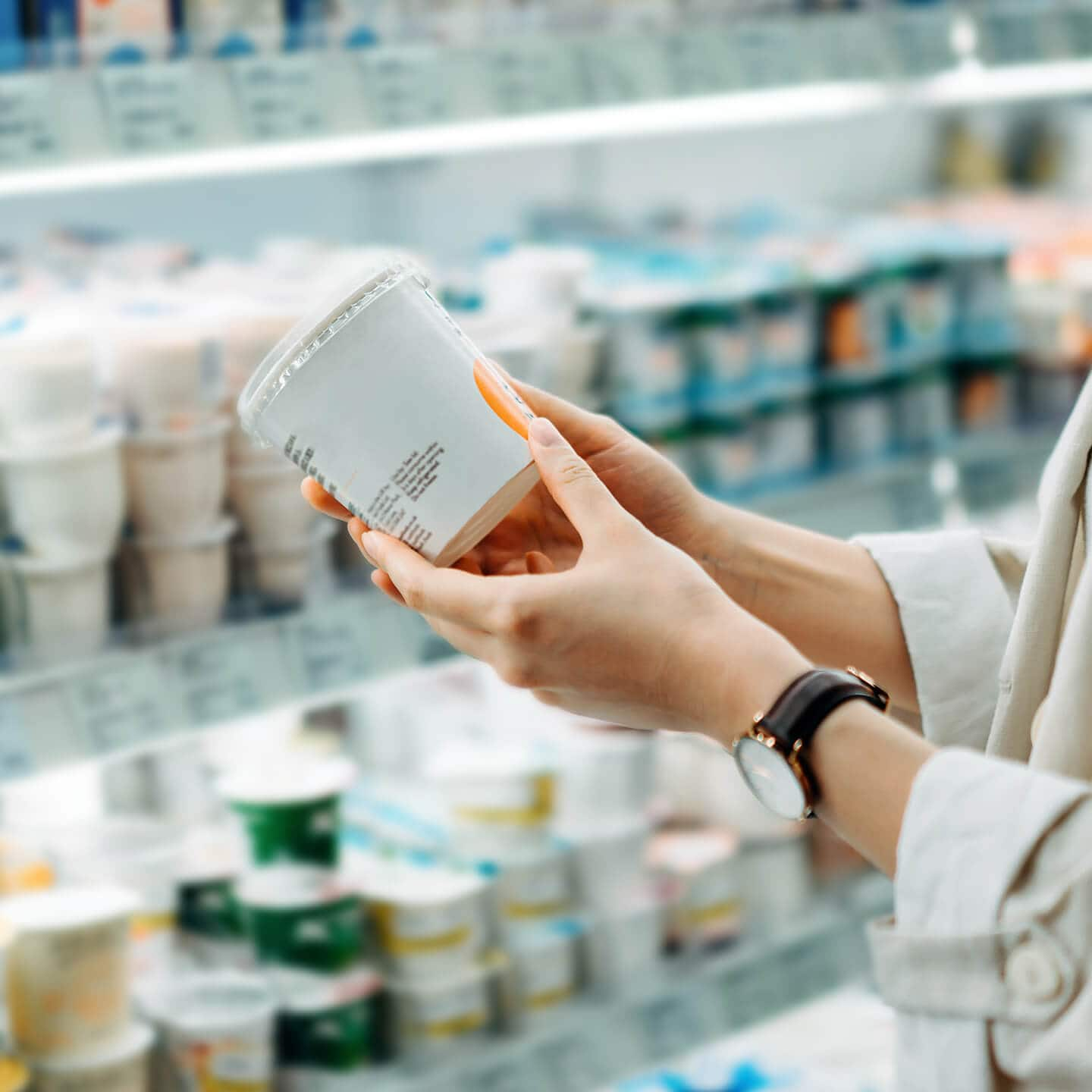
Csak mert a joghurt minőség-megőrzési dátuma néhány napja lejárt, az még nem jelenti azt, hogy nem lenne ehető és élvezhető. Ez a dátum egyszerűen azt jelenti, hogy a gyártó eddig mindenképpen garantálja, hogy a termék megfelelő tárolás esetén megőrzi ízét, aromáját és tápértékét. Ne fogyassza el a hűtött késztermékeket, például friss tésztát vagy kolbászt, ha a minőség-megőrzési dátumuk már régen lejárt. Olyan kórokozókat tartalmazhatnak, amelyek nem láthatók, szagolhatók vagy ízlelhetők, mégis megbetegíthetik. Ha kétségei vannak, a legjobb, ha kidobja ezeket. Ugyanez vonatkozik a könnyen romlandó termékekre is, amelyeknek általában fogyaszthatósági dátum szerepel a csomagolásukon. Ezen dátum lejártát követően a romlandó árukat ki kell dobni.
zero-waste_slider-1_storing-and-chilling_card-2.jpg

Tárolás és hűtés

A FiFo elv és a hőmérsékleti zónák a hűtőszekrényben

Tegye az újonnan elkészített élelmiszert hátulra, a régebben elkészített élelmiszert pedig csúsztassa előre. A „FiFo” elv (amikor az először bekerülő cikk kerül ki először) segíthet nyomon követni, hogy mi friss és mi nem. Azt is érdemes tudni, hogy a hűtőszekrények különböző hőmérsékleti zónákkal rendelkeznek. Minél magasabban van egy polc frissentartó fiók felett, annál melegebb lesz. A közvetlenül a frissentartó felett lévő legalsó polc lesz a leghidegebb. A hűtőajtó melegszik fel a legjobban, amikor kinyitják. Ezért annak érdekében, hogy a hűtőszekrényben lévő élelmiszerek a lehető leghosszabb ideig frissek maradjanak, helyezze őket a megfelelő polcra. Erről bővebben az „Ételek helyes tárolása” című részben olvashat.
zero-waste_slider-1_freezing_card-3.jpg

Fagyasztás

Mire kell figyelni a fagyasztóban?

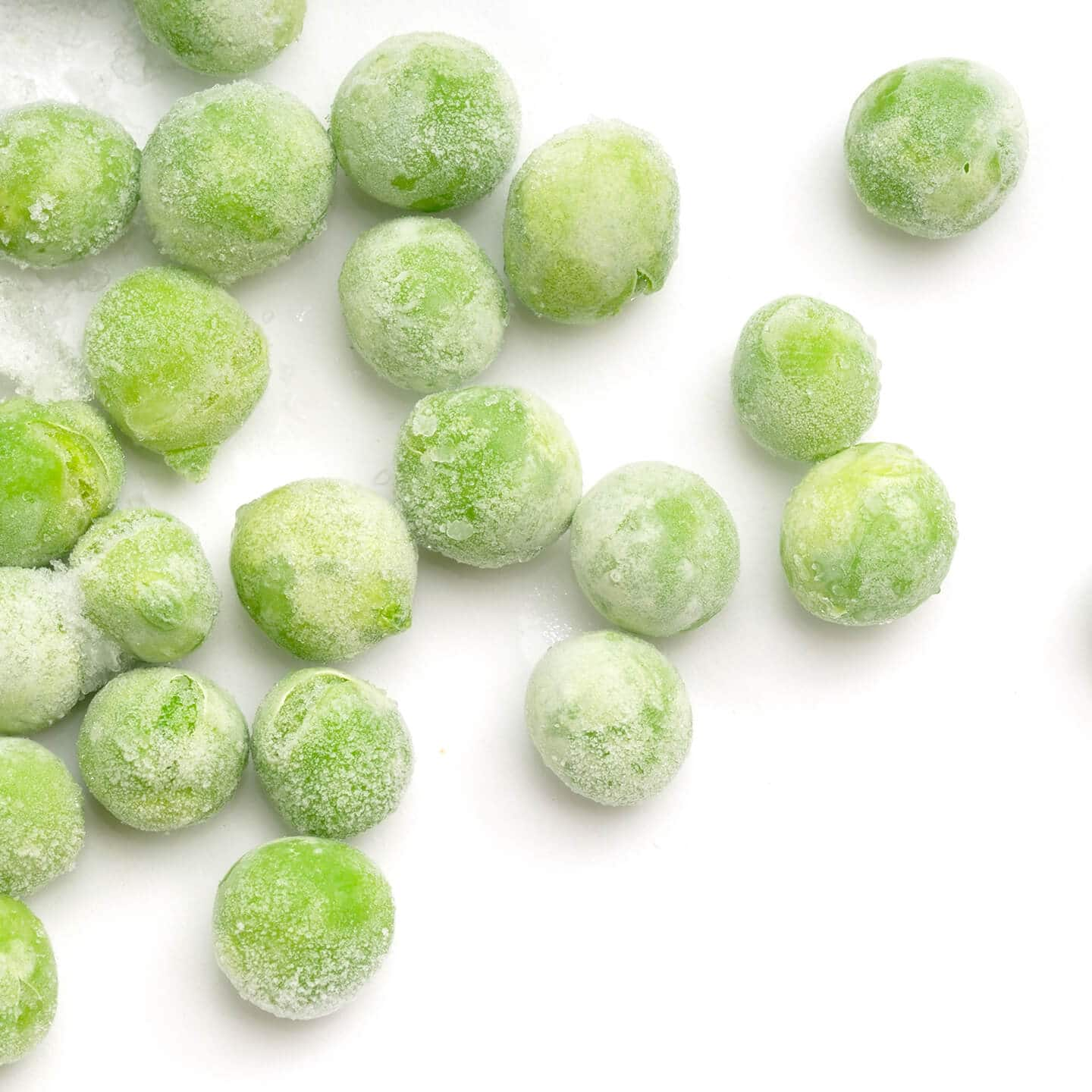
A mikroorganizmusok alacsony hőmérsékleten nem képesek olyan gyorsan szaporodni. Ezért az élelmiszerek frissen tartásának legjobb módja a lefagyasztás. Íme, néhány szabály az élelmiszerek hatékony lefagyasztására:
 

  • A fagyasztott termékeket szállítsa hűtőtáskában vagy szigetelt ételtároló dobozban, hogy elkerülje a hűtési lánc megszakadását.
     
  • A fagyasztott termékeket a hűtőszekrényben olvassza fel, és ügyeljen arra, hogy a felolvasztáskor keletkező vizet felfogja a higiénia érdekében.
     
  • Az ételt adagokban fagyassza le, hogy mindig a megfelelő mennyiséget tudja kiolvasztani.
    ​​​​​​​
  • Az ételt mindig fagyasztózacskókban fagyassza le, hogy megakadályozza azok kiszáradását vagy aromájuk elvesztését.
     
  • A dátumot mindig írja fel a fagyasztózacskókra – az élelmiszerek nem ugyanannyi ideig tarthatók el a fagyasztóban.
     
zero-waste_slider-1_preserves_card-4.jpg

Tartósított élelmiszerek

Tartósítás, savanyítás és erjesztés

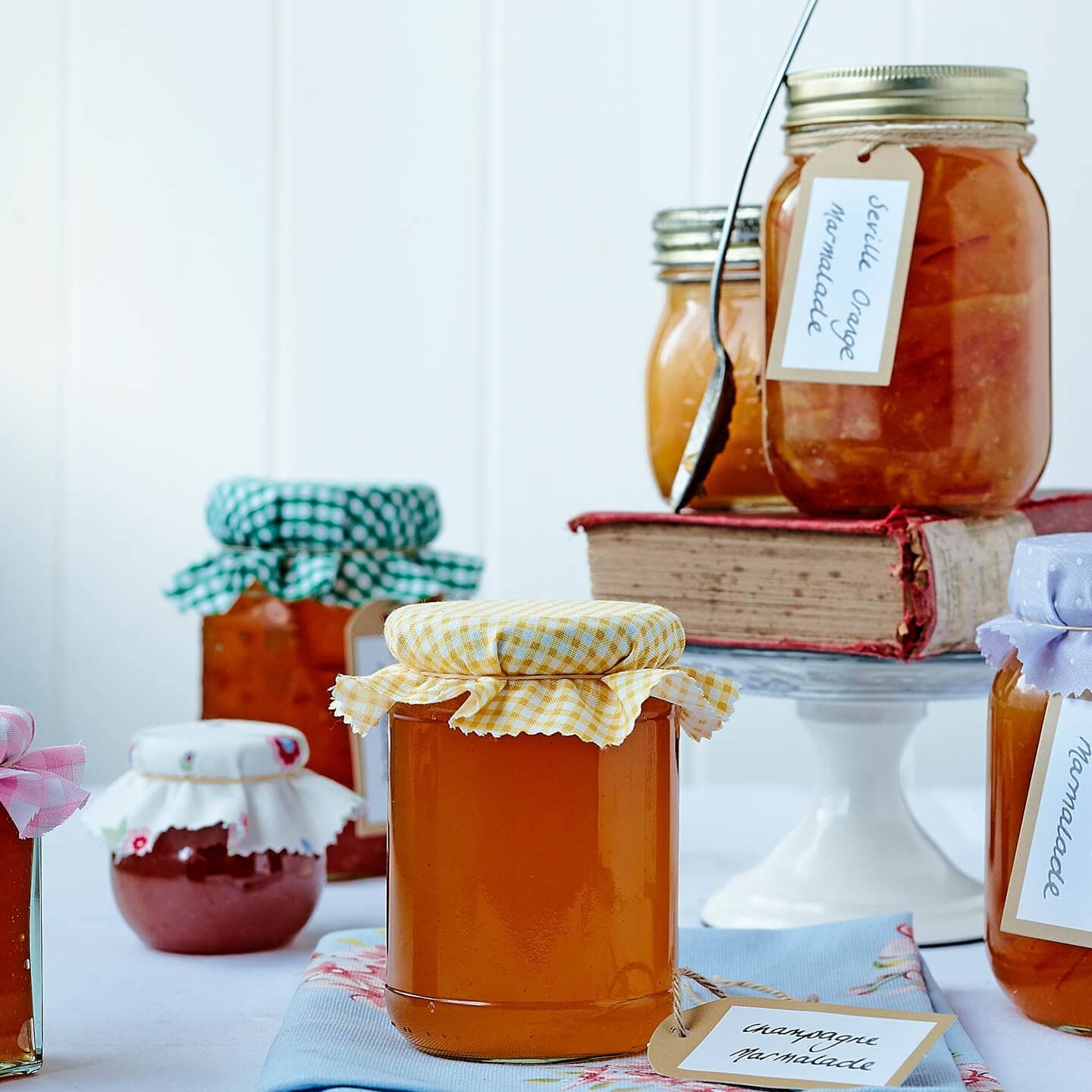
Igen, lehet, hogy ez olyasvalami, amit a nagymamája is csinált már régebben, de a tartósítás, savanyítás és erjesztés művészete most ismét nagyon trendi! Ezek a módszerek lehetővé teszik, hogy az élelmiszereket hűvös, száraz, közvetlen napfénytől védett helyen akár egy évig is tárolja. A frissen tartósított élelmiszereket mindig címkézze fel, írja rájuk a dátumot, és tegye azokat hátra a konyhaszekrényben vagy a kamrában, hogy először mindig a régebbi termékeket használja fel. Ne feledje, hogy ha a fedél laza, a folyadék zavaros vagy elszíneződött, vagy ha természetellenes szaga van, akkor legjobb, ha kidobja a tartósított vagy savanyított élelmiszert.
zero-waste_slider-1_preserving_card-5.jpg

Tartósítás

Ételek tartósítása üvegedényekben

Bármit tartósíthat, akár húst vagy kolbászt is. Az élelmiszereknek természetesen még frissnek és romlatlannak kell lenniük, amikor hozzálát a tartósításukhoz. A gyümölcs legyen nyers, a zöldség pedig nyers és blansírozott. Igazából elég egyszerű… a megmosott és előkészített terményeket rétegesen helyezze el egy tiszta üvegedényben, amelynek rápattintható vagy rácsavarható fedele van, és öntse fel folyadékkal. Helyezze az üvegedényeket egy főzőedénybe, ügyelve arra, hogy ne érjenek egymáshoz. Töltse fel az edényt annyi vízzel, hogy az körülbelül háromnegyedig ellepje az üvegedényeket, majd melegítse a főzőedényt, amíg a víz eléri a 75–120 °C hőmérsékletet. Az adott élelmiszertől függően ezt a hőmérsékletet 10 perc és 2 óra közötti időtartamban kell szinten tartani. Később, amikor az üvegedények lehűlnek, vákuum keletkezik bennük, amely légmentesen lezárja a fedelet. Borsó, bab és gomba tartósításakor másodszor is ismételje meg ezt a kifőzési szakaszt.
zero-waste_slider-1_pickling_card-6.jpg

Pickling

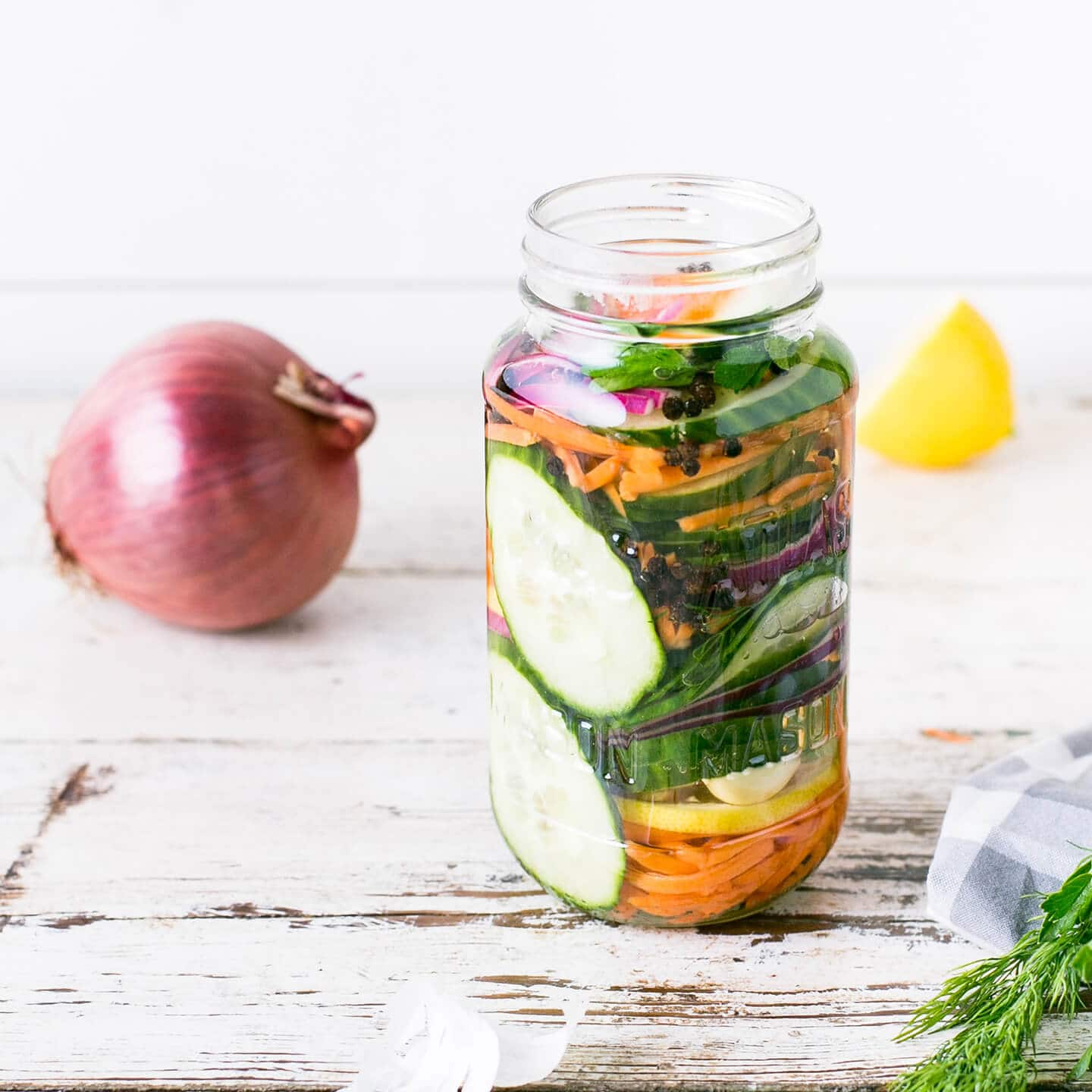
Pickling food in glass jars

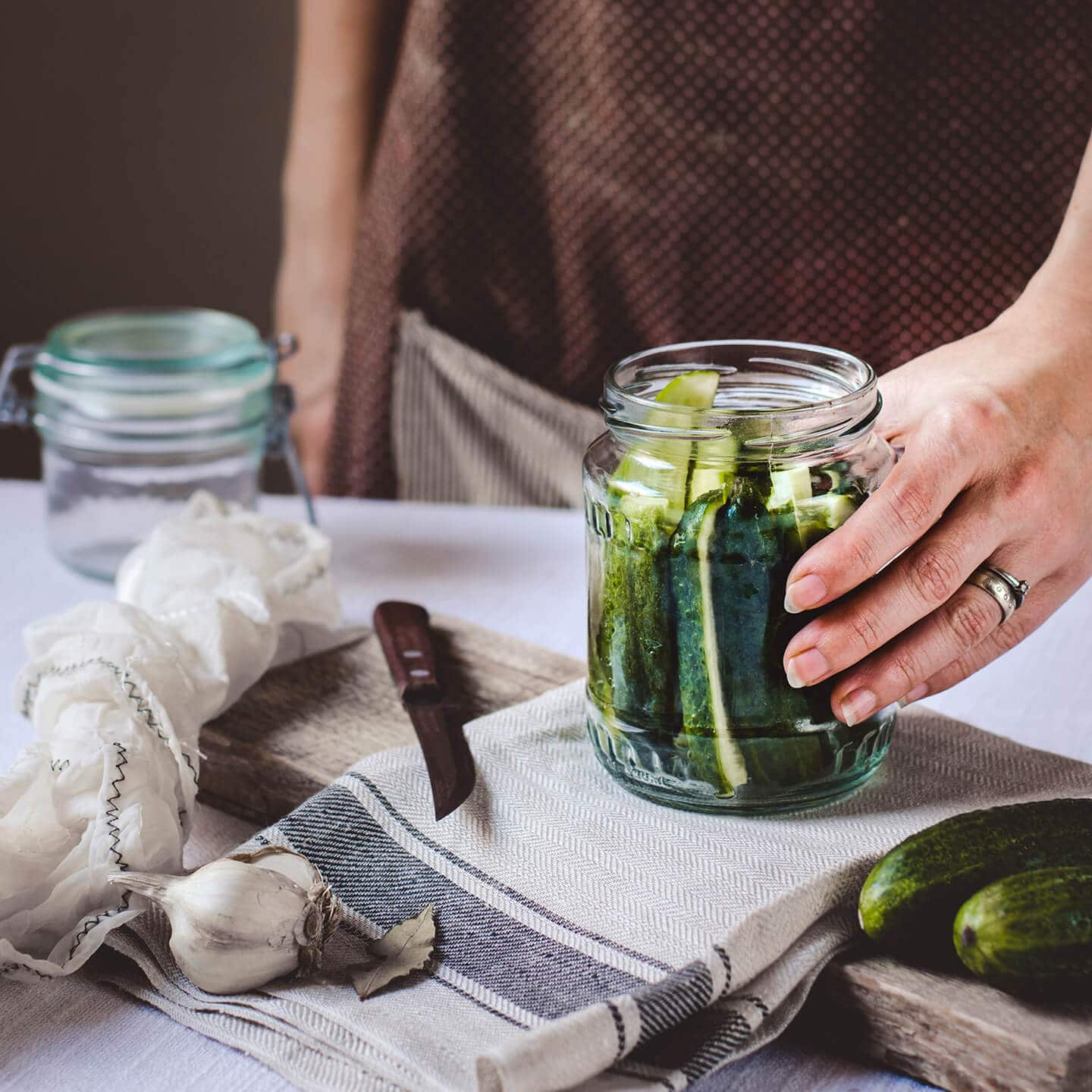
If you want to try something new, why not test your culinary skills with carrots, green beans, beetroot or peppers? These are particularly well suited to pickling. To pickle a kilogram of vegetables, you’ll need to use half a litre of vinegar (5%) and up to half a litre of water containing spices and seasonings. Heat the pickling liquid and pour it into the glasses or stoneware pots, leave it to cool, then heat the liquid again and pour it over the vegetables. The liquid should cover the vegetables by the width of a couple of fingers. You should leave it to pickle for four to six weeks, after which the pickled food will keep for a further 3-12 months.
zero-waste_slider-1_fermenting_card-7.jpg

Fermenting

Fermenting food in glass jars

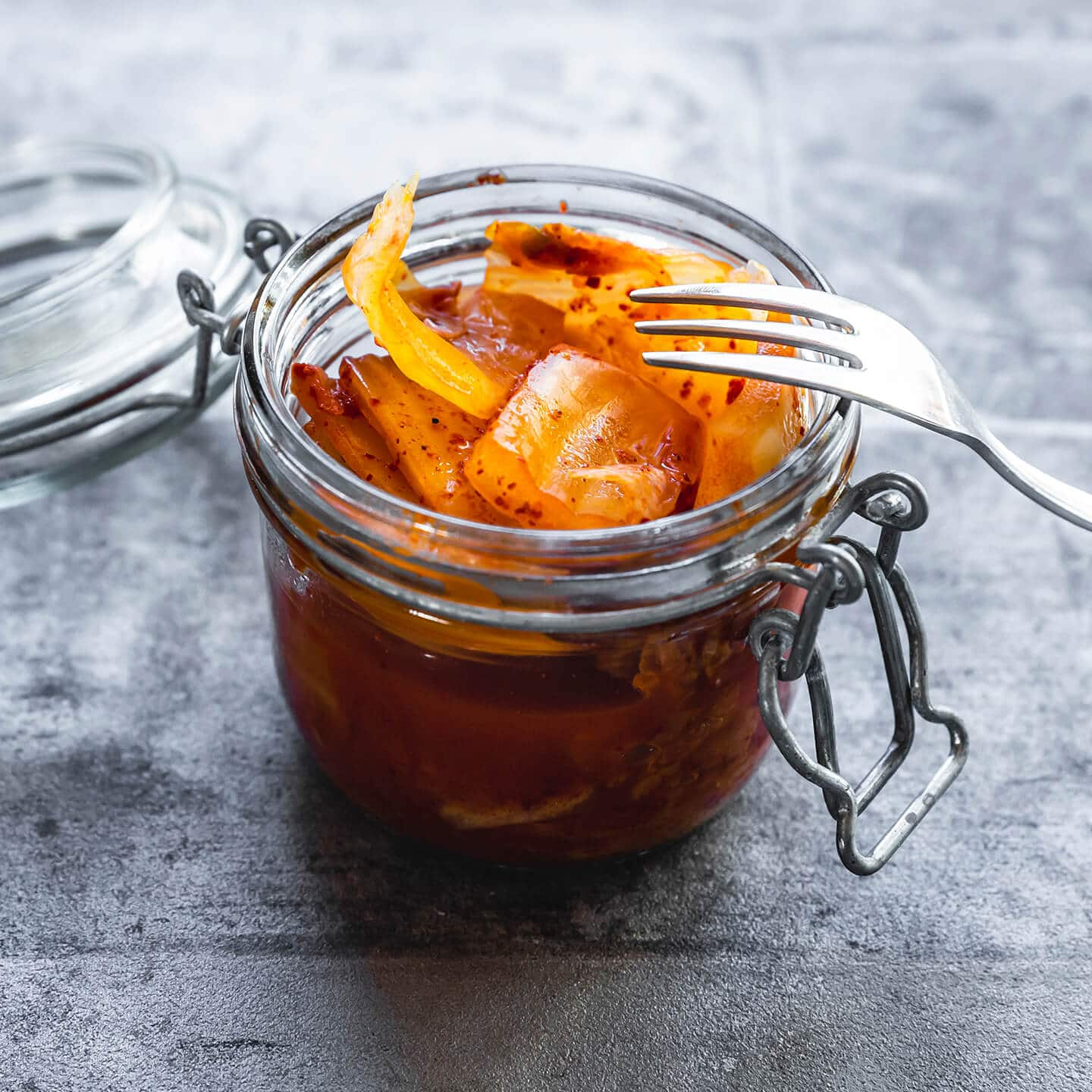
Fermentation is an age-old method for preserving food and is used to this day to make sauerkraut. For some people, fermented foods are more digestible, for example. Enzymes and microorganisms break down the sugars in the vegetables in a multiple-stage process. This produces both the lactic and acetic acids that give fermented vegetables their typical flavour and stop them from perishing. Ripe vegetables are ideally suited to fermentation. It’s actually quite simple… before you start fermenting, you need to grate, slice or shred the vegetables. Then add the grated, sliced or shredded vegetables to a glass jar, fill with a 5% brine, and leave for a few days or weeks to pickle. If the jar remains well sealed, the fermented vegetables can keep for several months.

Reviving old food

Even when stored correctly, some foods rapidly lose their freshness and take on a chewy or dry, crispy consistency. There’s no need to throw these foods away, though. Here’s how you can refreshen old food in your stock.

zero-waste_slider-2_lettuce-and-herbs_card-1.jpg

Lettuce & herbs

Refreshing salad leaves and herbs

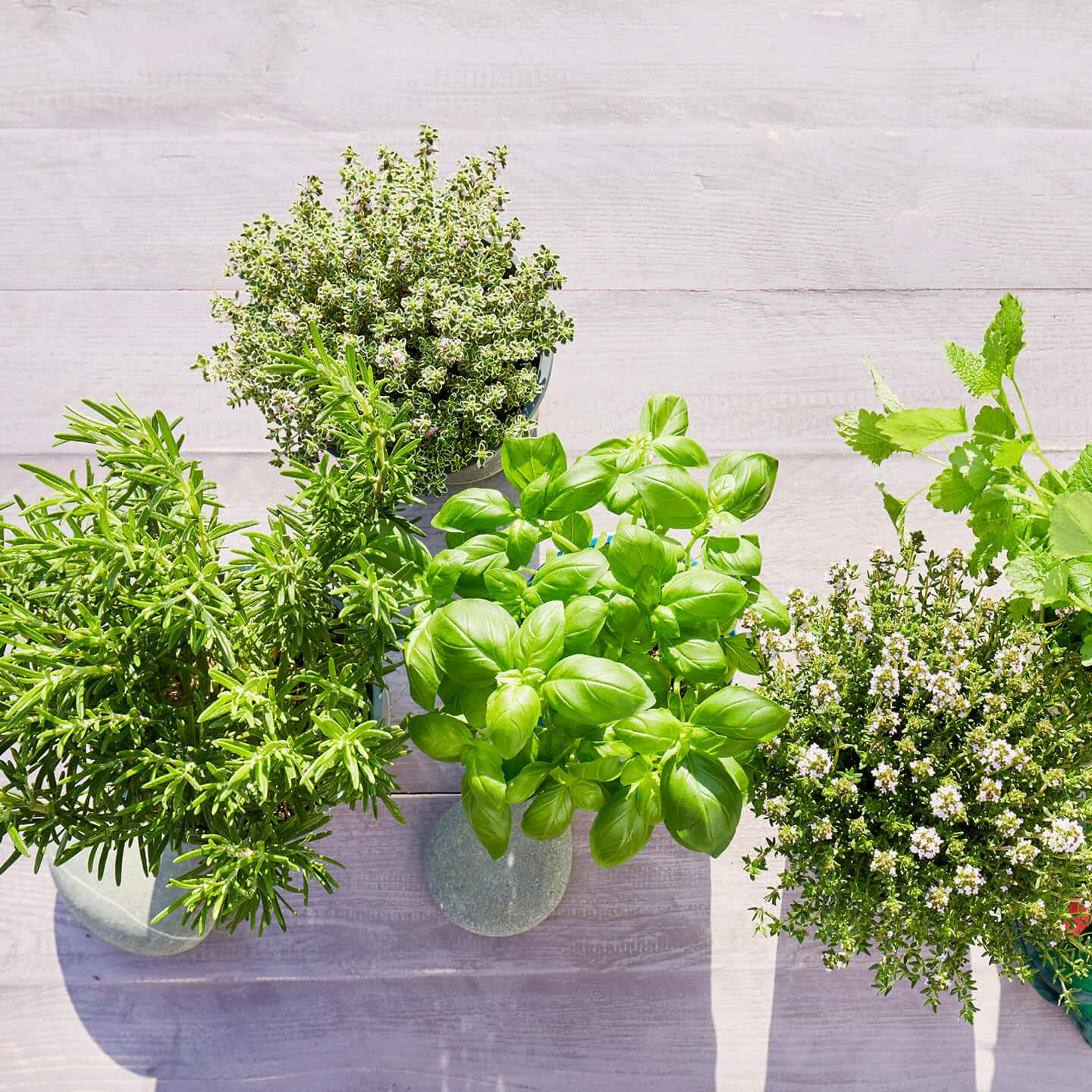
If you want to refresh wilting lettuce, simply sit it in cold water for a little while. This will make the leaves crisp again. You can also heat some firmer varieties of lettuce, such as raddichio, romaine lettuce and chicory. To revive herbs that have become limp, simply cut them as you would do it with flowers and place them in a glass with water. They’ll soon perk up again! You can also use wilted herbs to make pesto or freeze them in oil in ice-cube trays.
zero-waste_slider-2_carrots-and-co_card-2.jpg

Carrots & co.

Putting the bite back into root vegetables

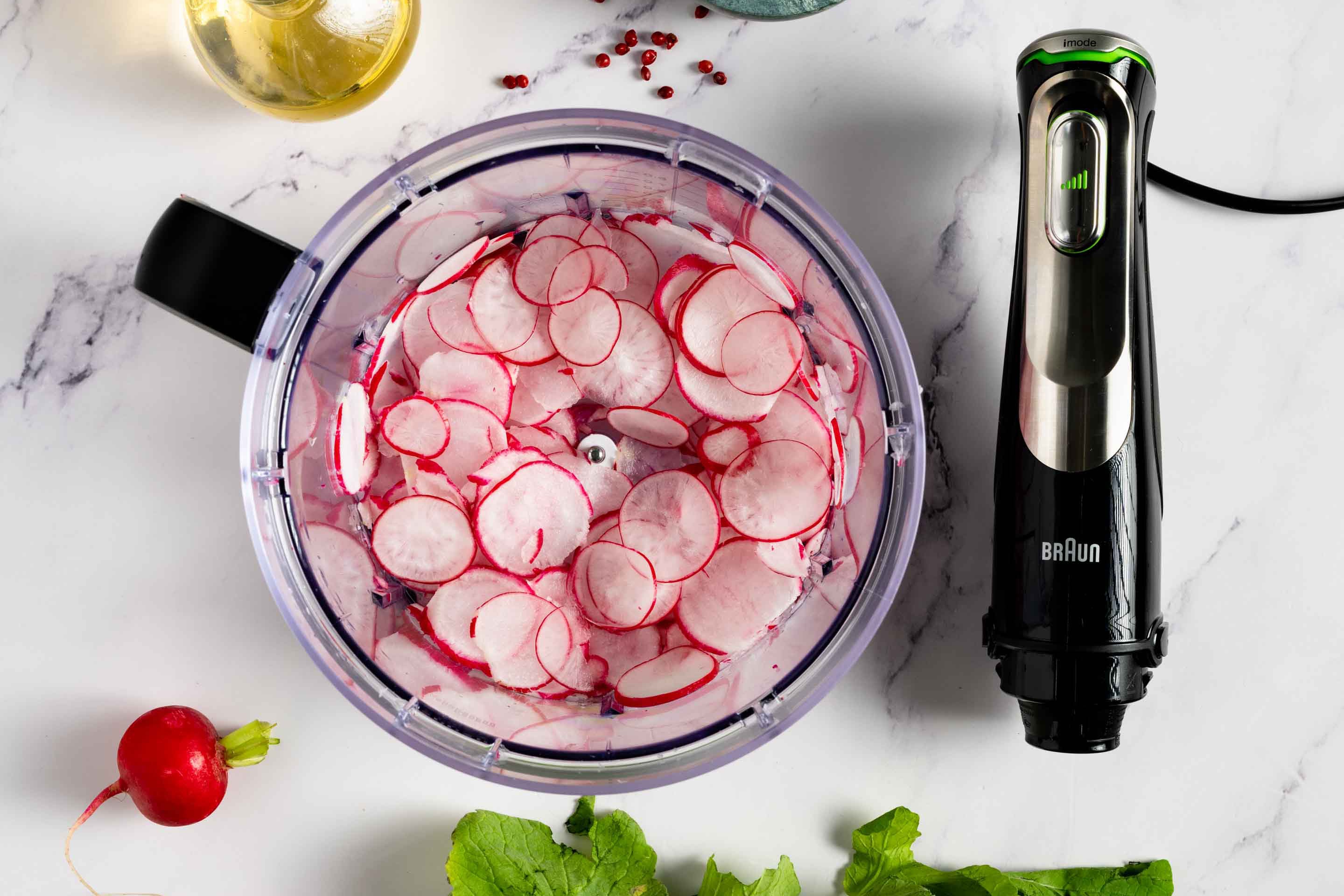
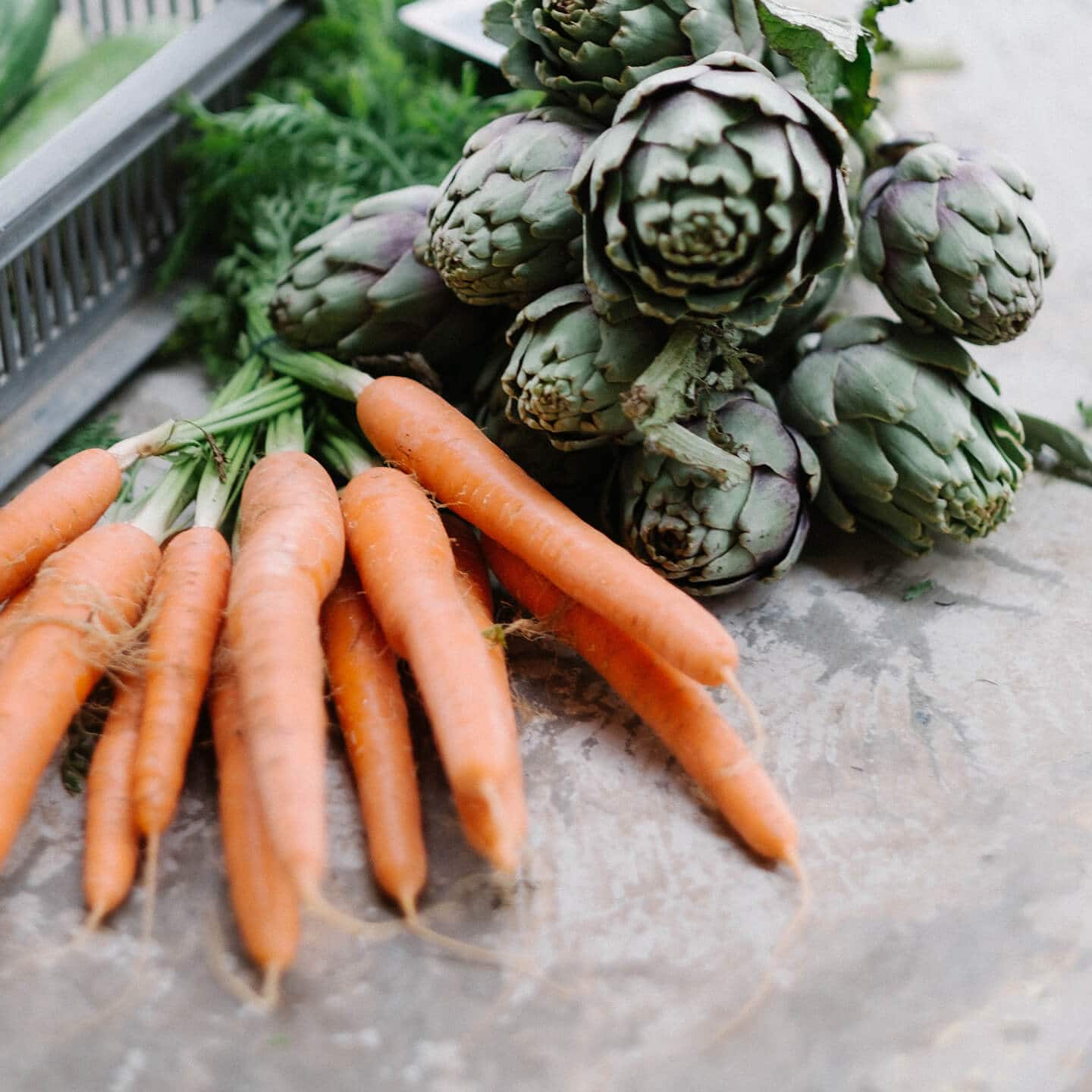
Just like lettuce and herbs, root vegetables such as carrots, radishes and beetroot just need to be given a little water to bring them back to life. However, it can sometimes take rather longer. Ideally, you should leave the root vegetables in a container with water for several hours or overnight – preferably in the fridge. Alternatively, you could wrap them in a damp tea towel. They will absorb the water and regain their crunch.
zero-waste_slider-2_fruit_card-3.jpg

Fruit

Fruit – an exception

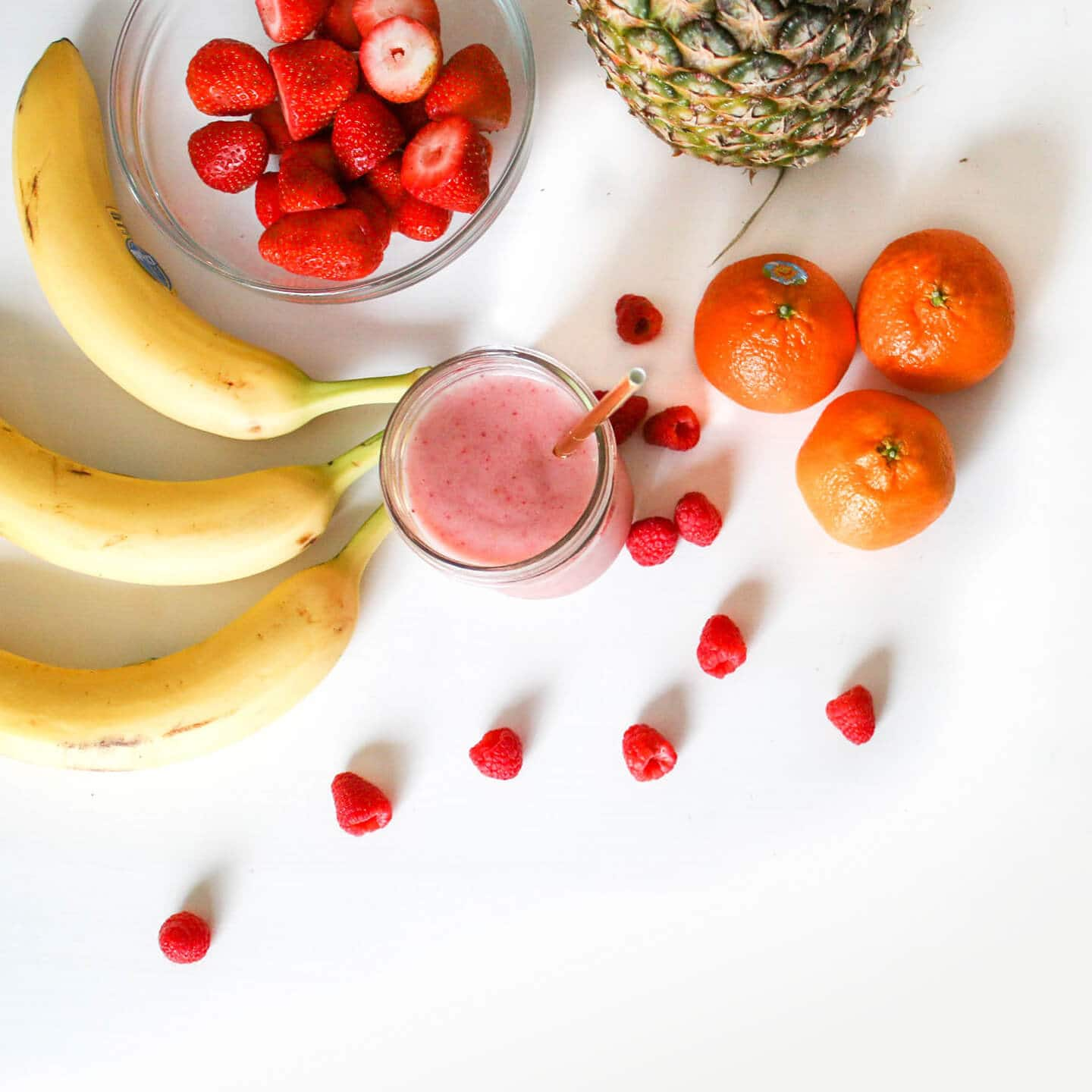
Overripe fruit can’t be refreshed, but you can use it in a number of delicious recipes. Brown bananas, for example, are a perfect ingredient in banana bread or as the base of smoothies – and, in summer, they’re great for making banana ice cream. You can use shrivelled apples and pears to whip up tasty jams, purées, compotes and crisps. However, if fruit is past its best, you should use it quickly before it gets mouldy.
zero-waste_slider-2_bread_card-4.jpg

Bread

Moisten and bake: Hard bread doesn’t need to be binned

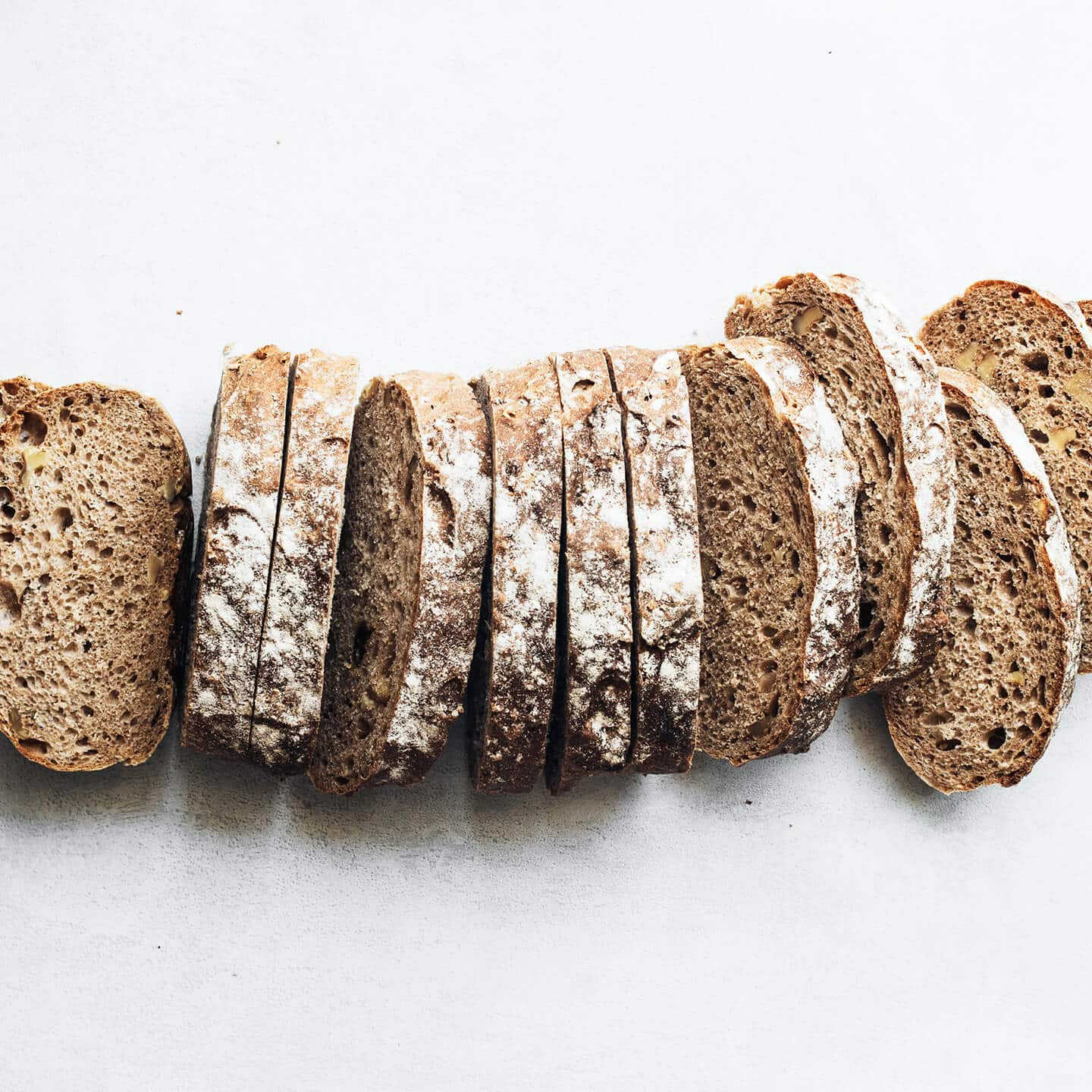
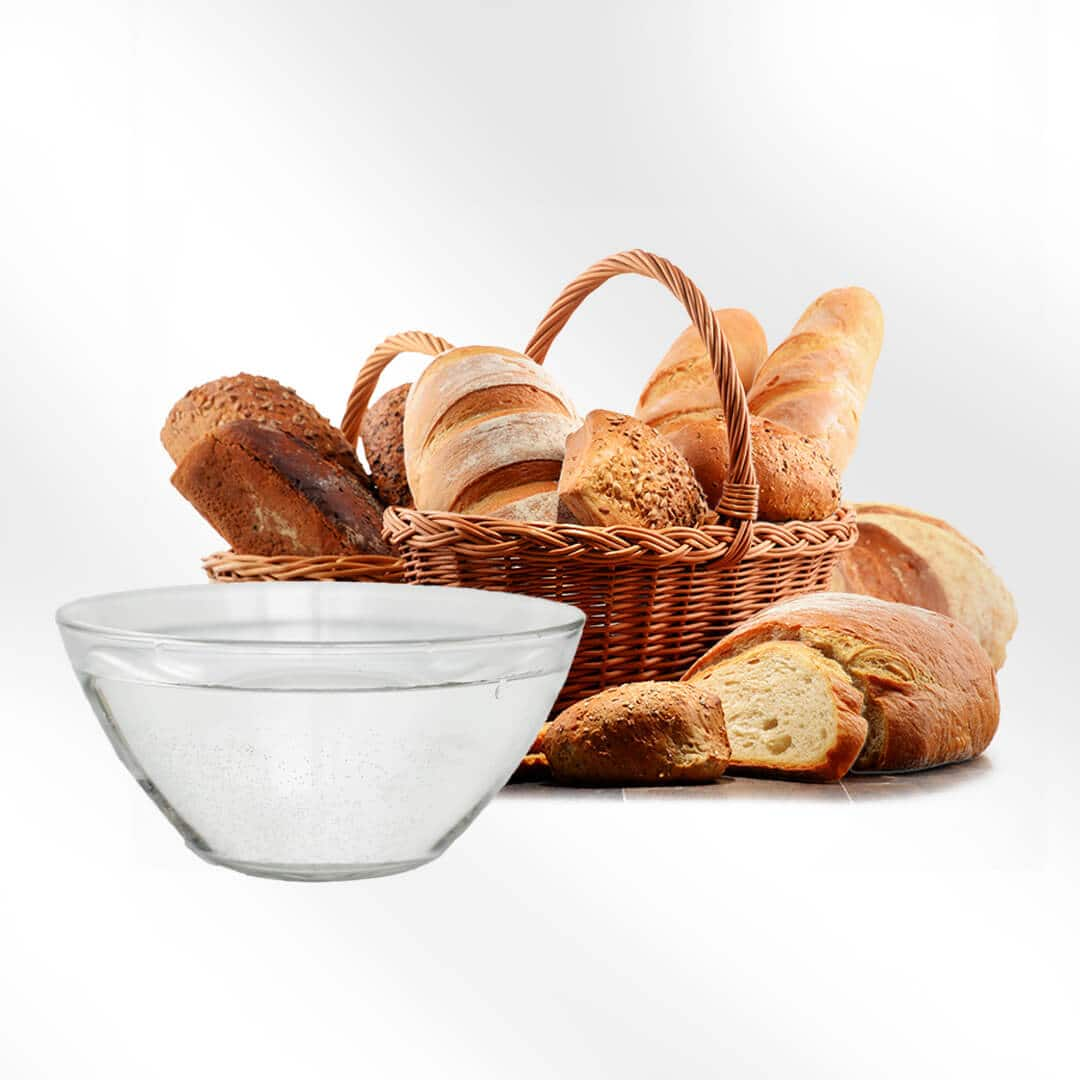
We’ve all been there, haven’t we? That delicious baguette or bread roll we only bought yesterday has gone hard in the blink of an eye. However, that doesn’t mean you have to throw them away – you can still get plenty of value out of them. Take your dried bread, moisten it with a little water, pop it in the oven for a few minutes and, soon enough, it’ll taste almost as good as it did the day you bought it. If bread has become very hard, you can use it to make breadcrumbs.
zero-waste_slider-2_pasta_card-5.jpg

Pasta

Sauté or blanch: Making yesterday’s pasta soft again

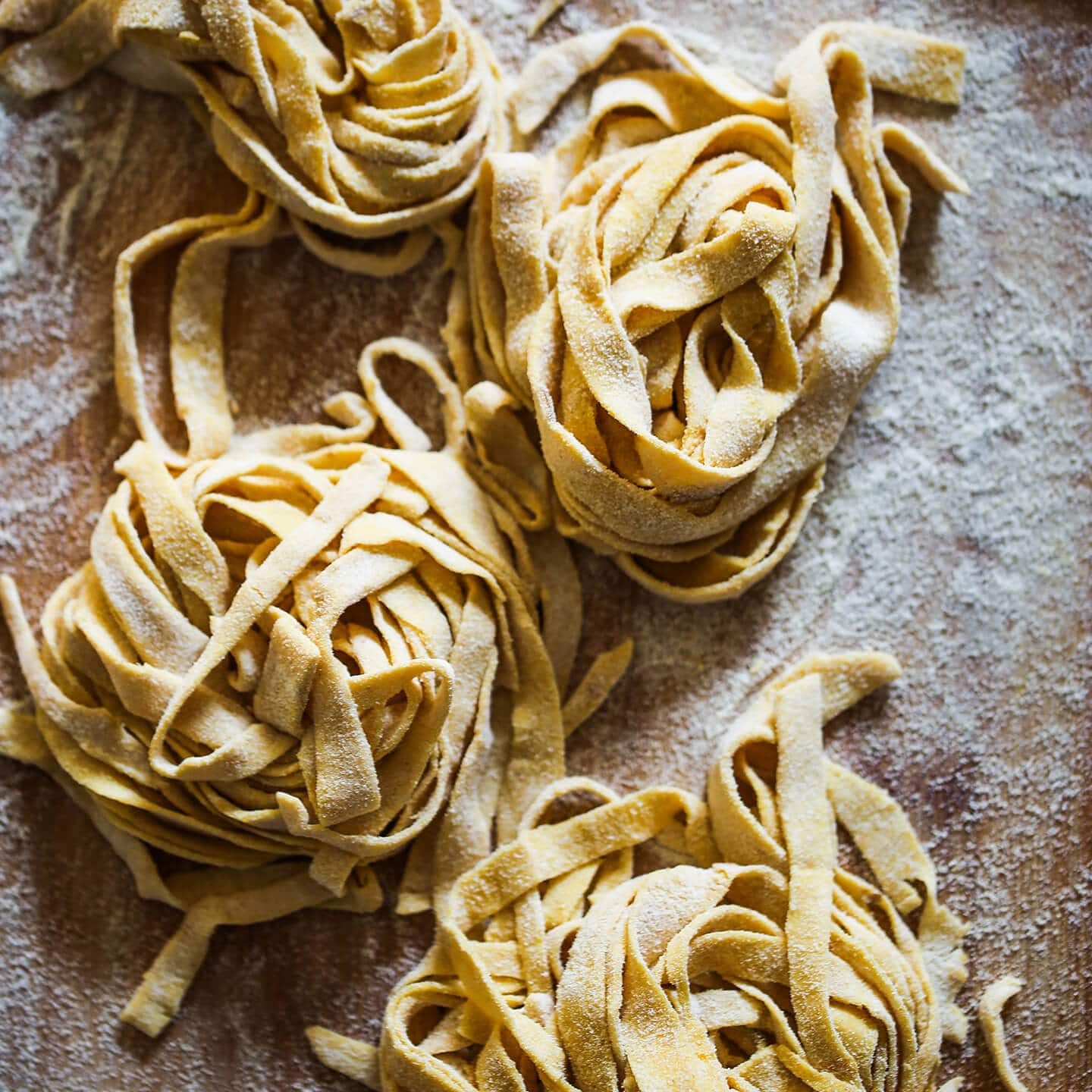
Depending on how you store it, leftover pasta can either become watery or it can dry out. If you want to make it taste just as good the next day, simply sauté softened pasta over a medium heat. On the other hand, if your pasta has dried out, just pop it in some boiling water for a minute or two.
zero-waste_slider-2_cheese_card-6.jpg

Cheese

Hard cheese softens again in milk

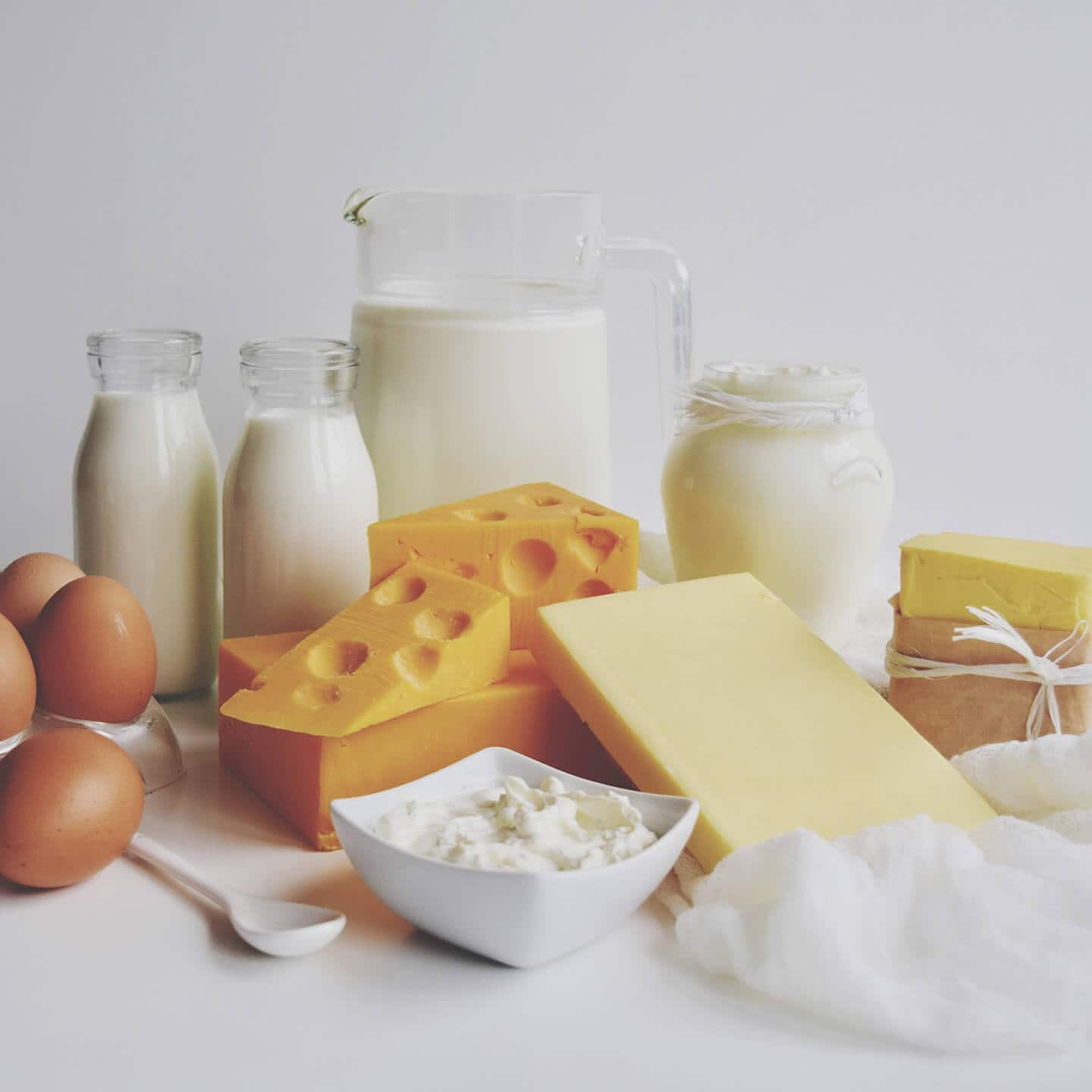
If you leave cheese out on the dining table for too long, or if it gets pushed to the back of the fridge, it can soon become dry and hard. You can soften hardened cheese by soaking it in milk for half an hour or so – this eliminates the need to throw it out.
zero-waste_slider-2_biscuits_card-7_1440x1440.jpg

Biscuits, cakes & pastries

How apples can save snacks

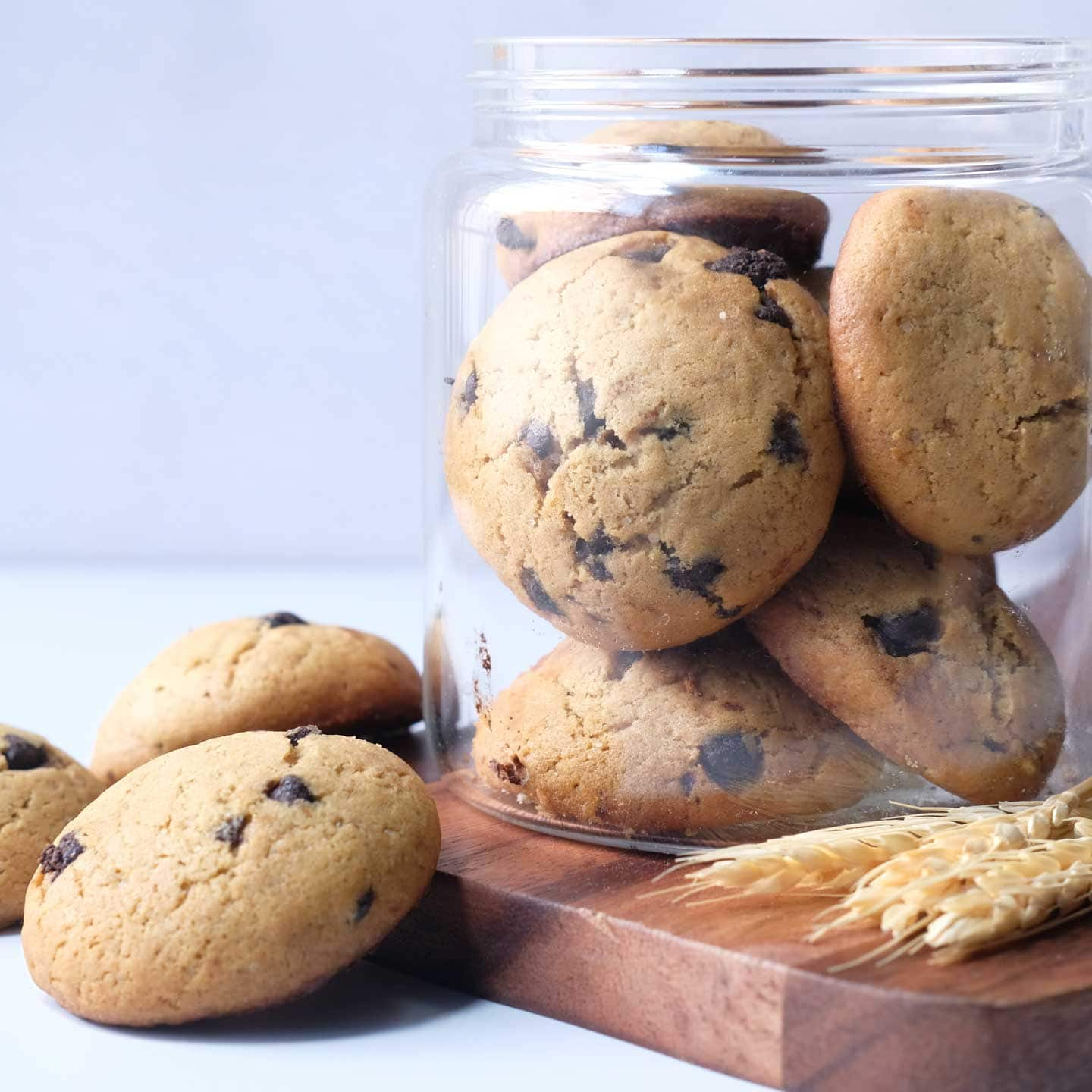
Biscuits are naturally fairly dry, but they can become even drier and a little hard when stored for a long time. If you like your biscuits a little softer, simply pop a sliced apple in the biscuit tin for a few hours. The fruit will give the biscuits a little moisture and soften them up again. You can also do this with cakes and other baked goods.
zero-waste_image-copy-1-what-to-do-with-leftovers.jpg

What to do with leftovers? Get creative with your odds and ends

Sliced vegetables, yesterday’s potatoes, half a pudding – if you’re not careful, your fridge will be brimming with leftovers. You should always give your food a second chance, as it often allows you to get creative. Don’t throw leftovers in the bin, put them in a pan and conjure up something new. Cooking leftovers together with family and friends can be a lot of fun! 

Whatever the food, whatever the occasion, there’s always a recipe to match. For example, leftover bread, tomatoes and rocket can become a delicious panzanella. Maybe you could whip up a healthy dessert by turning leftover fruit into a smoothie or fruit salad? And that leftover sliced pepper can be combined with the half-can of sweetcorn and rice from yesterday to create a tasty veggie curry.  

Still got some soup leftover from yesterday, but not enough for a full portion? No problem! Just use it the last bit of soup as a sauce for pasta or noodles. And, if that’s still not enough, add a few chopped vegetables and maybe a little vegetable stock.

Check out our recipe ideas for further inspiration on how to use leftovers creatively.

Zero waste: Other things you can to stop food ending up in the bin


​​​​​​​
  • If you’re eating in a restaurant and your portion was too big, simply ask if you can take the leftovers home in a doggy bag. Alternatively, you could ask for a smaller portion in advance.​​​​​​​
     
  • Buying food to eat the same day or the next day? Try to choose products with a close best-before date.
     
  • Be smarter when peeling and slicing, we often put more of vegetables in the bin than we need to. Broccoli stems, for example, taste just as good as the florets.
     
  • Ever thought of making a salad out of radish leaves or baking banana peel into a cake?
     
  • Slice spring onions into rings and freeze them in a plastic bottle. You can then use just the right amount whenever you need them in future.
     
  • If you’ve opened a tin of food and only need half of it, simply decant the rest into a clean, resealable container. This will keep it fresh for longer.
     
  • Fancy holding a leftovers party? Cooking together with friends allows you to combine your odds and ends and whip up creative dishes.
     
  • Heading away on holiday but your fridge is still full? No problem! Simply knock on your neighbour’s door and offer them what you have.
     
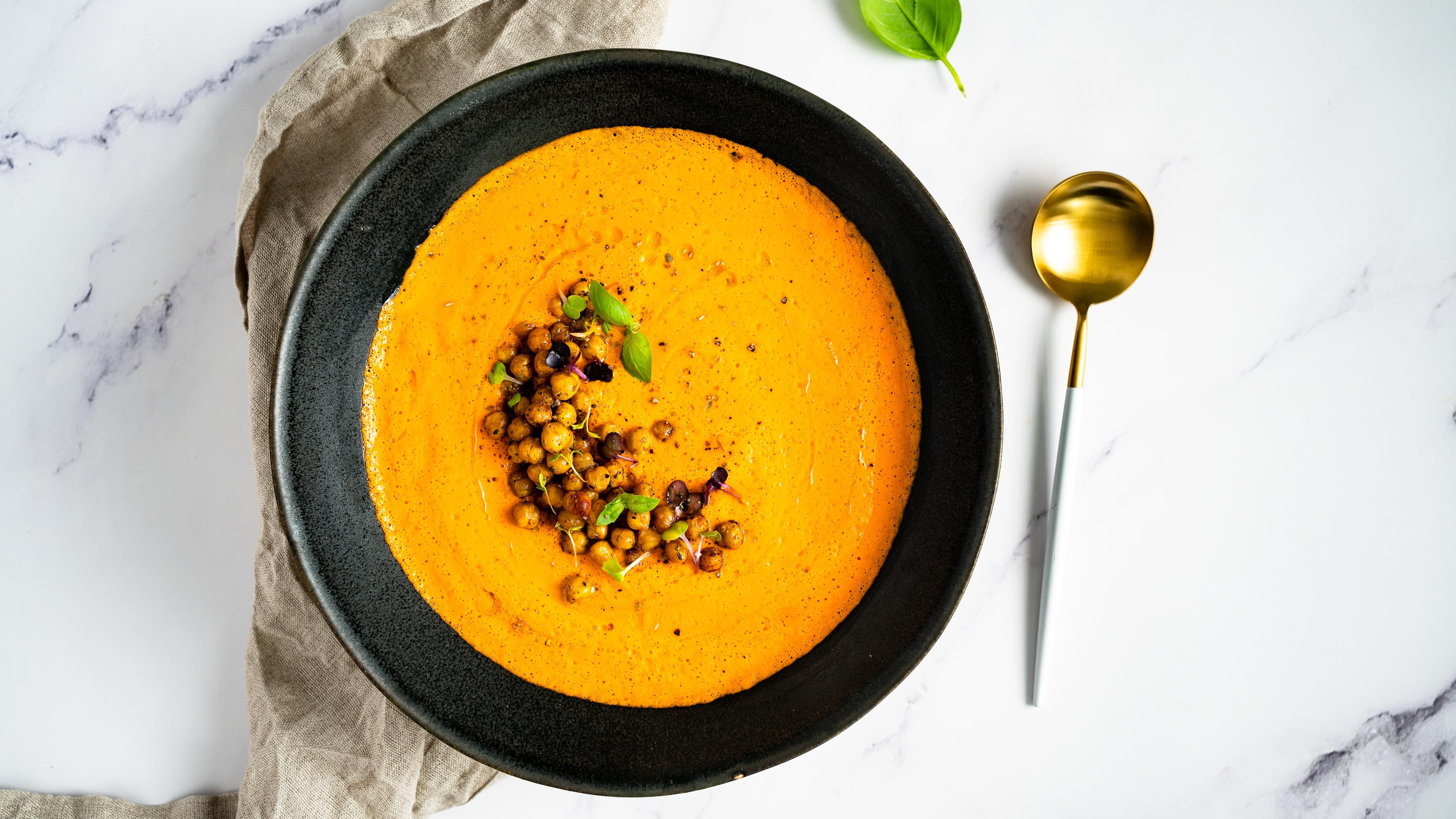
Braun Bell pepper cream soup 16x9.jpg
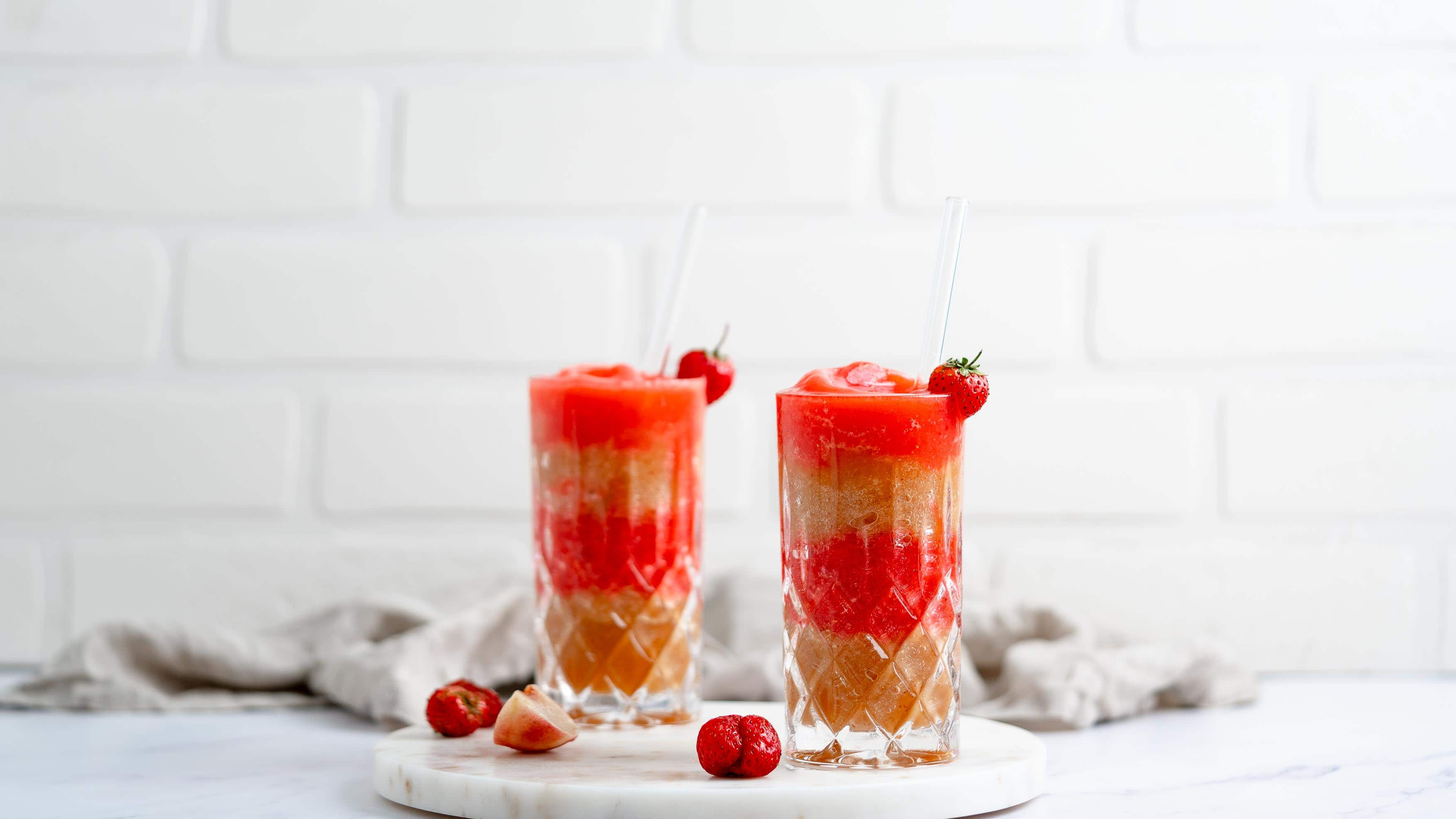
Braun Bell Frozen virgin strawberry peach margarita 16x9.jpg

Did you know...

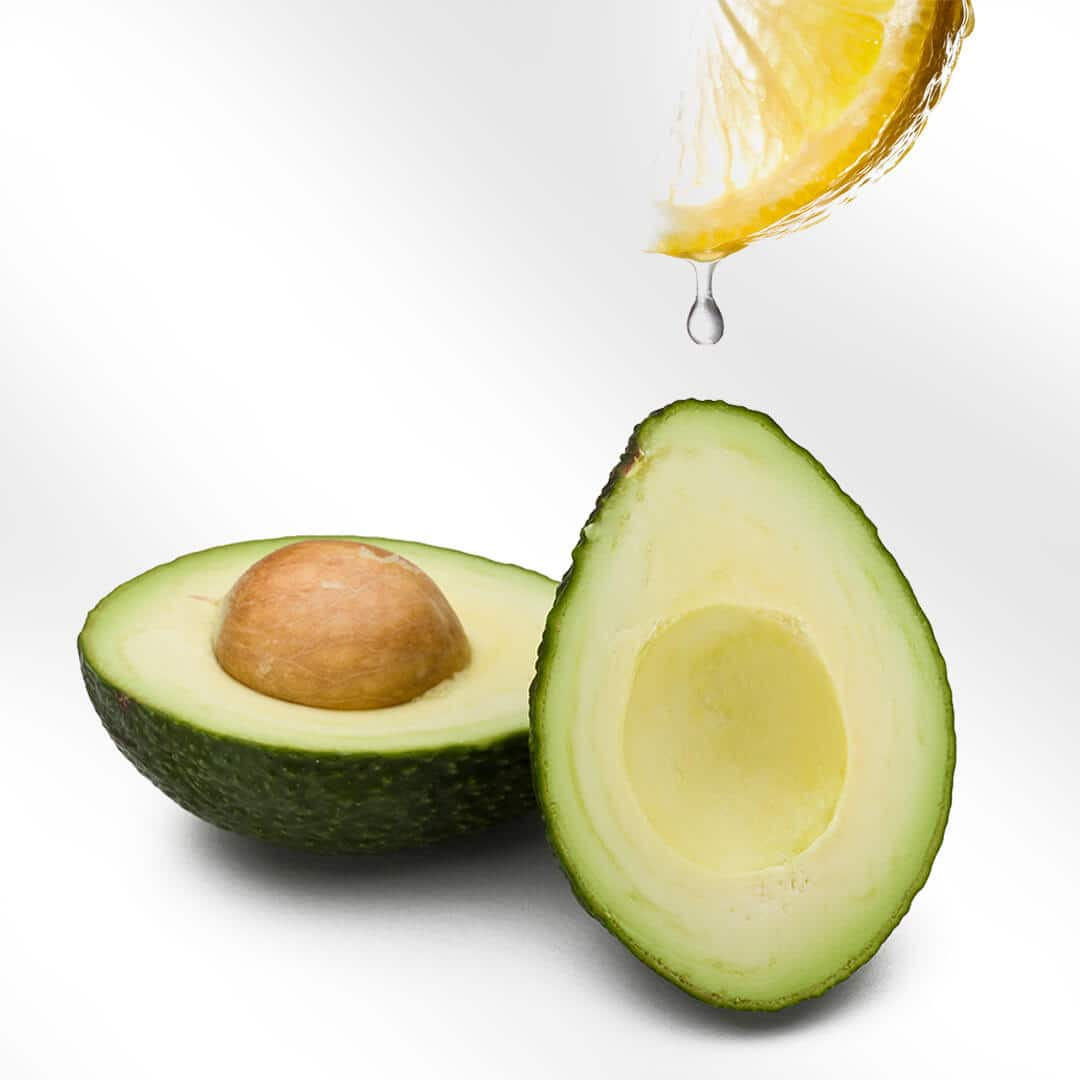
...how to keep your Avocados from browning?

Braun's kitchen hack of the day: after opening an avocado, simply sprinkle some fresh lemon juice on it to keep it from browning. It stays fresh for longer and even tastes good.

Avocado cut in half with citrus juice dripping on it.

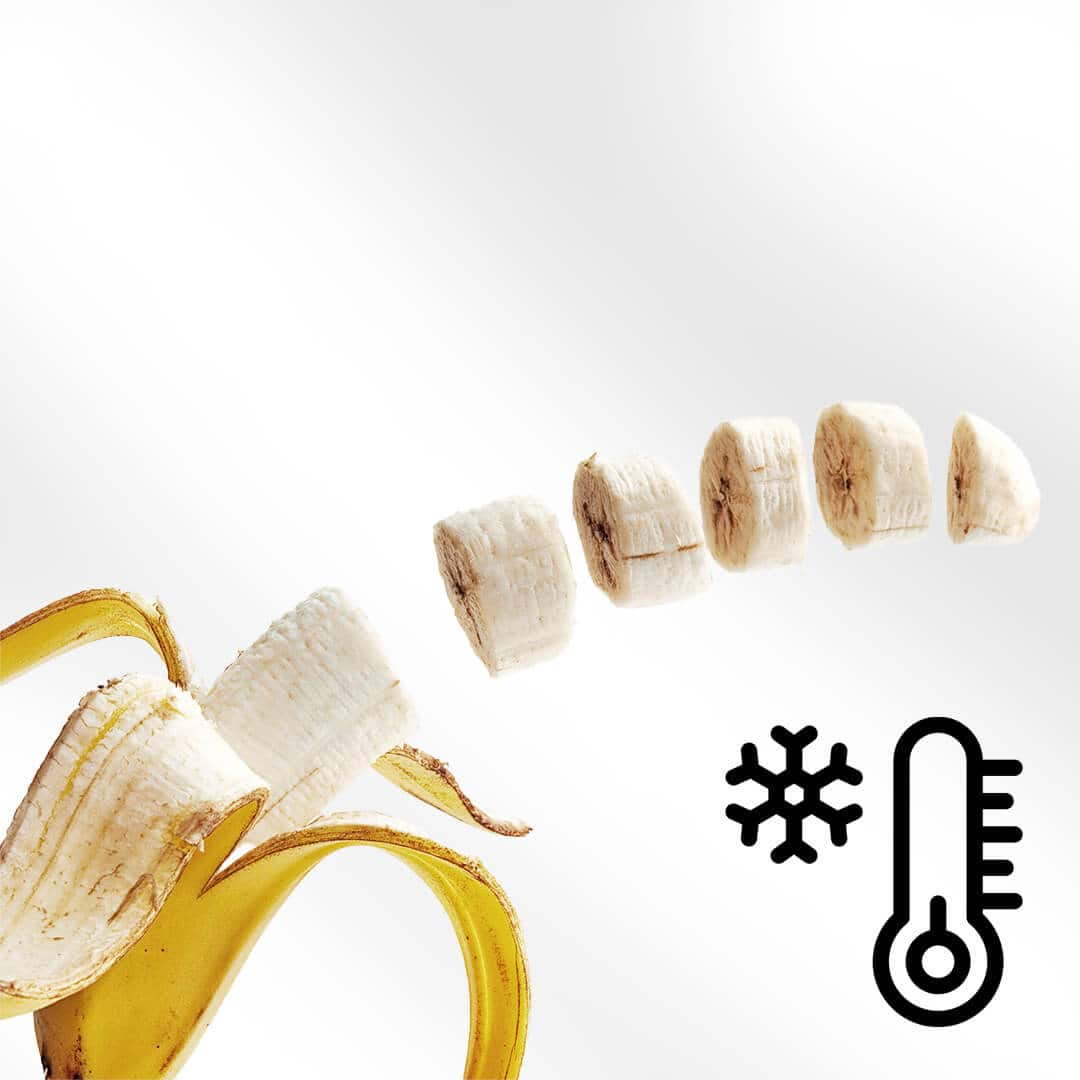
…how to save Bananas that turn brown?

You don't like ripe bananas? Don't worry, many people don't. But with our #braunhack there is no need to waste a good fruit. Simply slice and freeze a banana to have it available whenever you need some. Why not try a freshly made and cool smoothie for instance to start your day right?

How_to_Braun_HH_Freeze-Banana.jpg

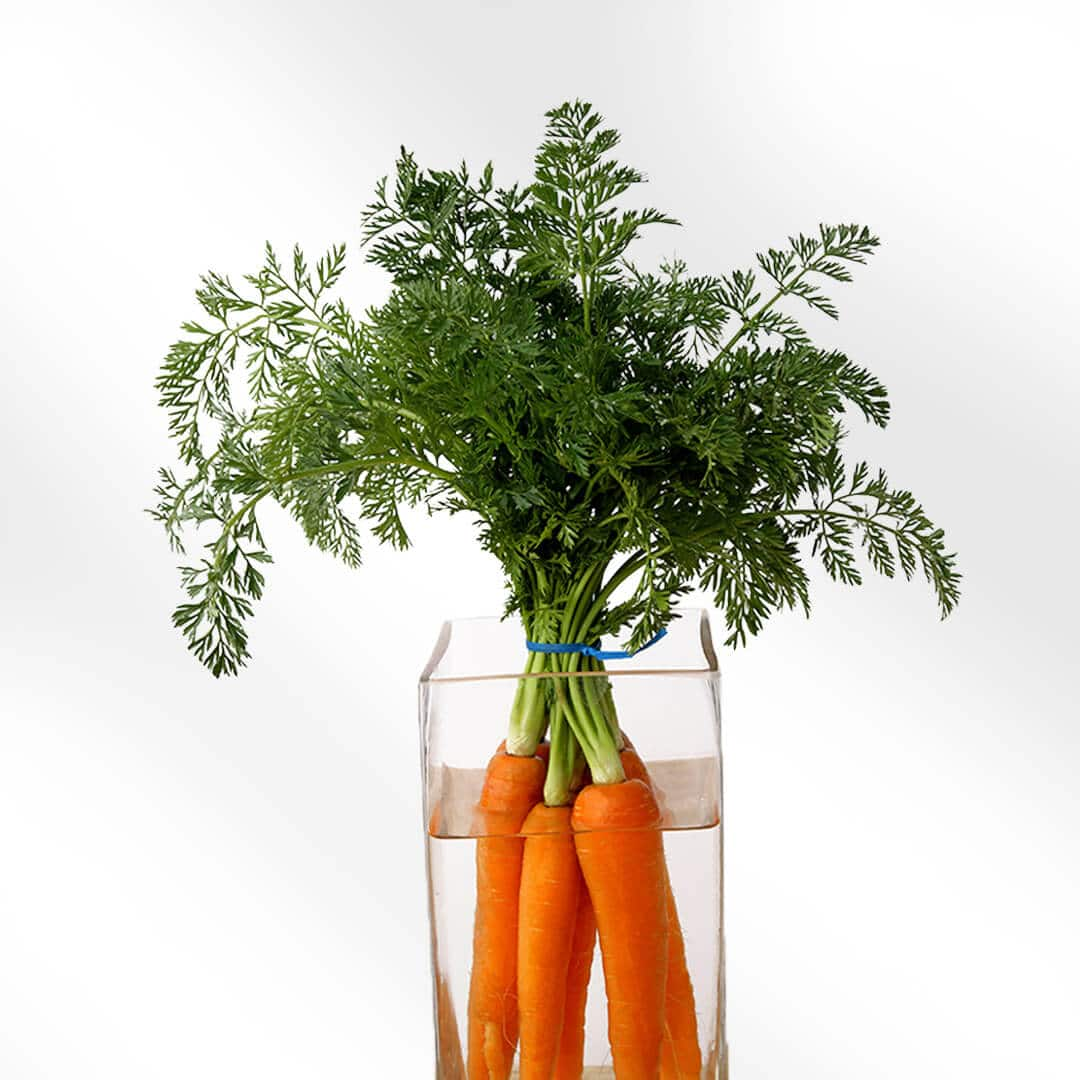
…how to keep your Carrots crisp?

We carrot wait to try this hack at home. Place your carrots in a glass of water to keep them fresh and crispy. Do you already treat your carrots like flowers and keep them fresh in a vase?

en_scs_braun_hack_card-04_Crisp_Carrots_1080 × 1080.jpg

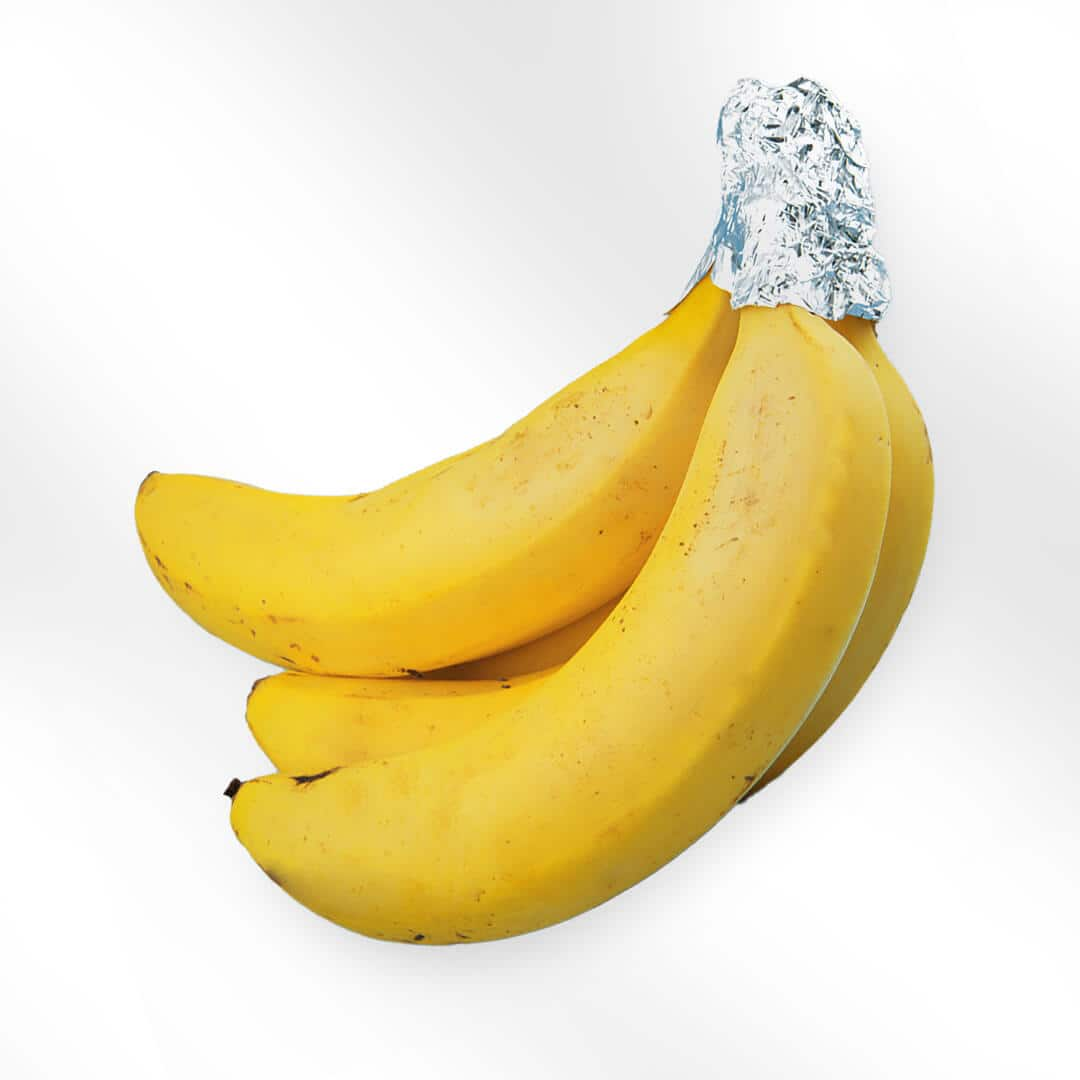
…how to keep your Bananas fresh?

Keep calm and go bananas. Did you know that bananas naturally release a gas called ethylene from their stem, and therefore tend to ripen much faster? Try and cover the stem of the bananas with a small piece of leftover foil, and the ripening process slows dramatically. Have you ever heard about this kitchen hack?

en_scs_braun_hack_card-05_Fresh-Banana_1080 × 1080.jpg

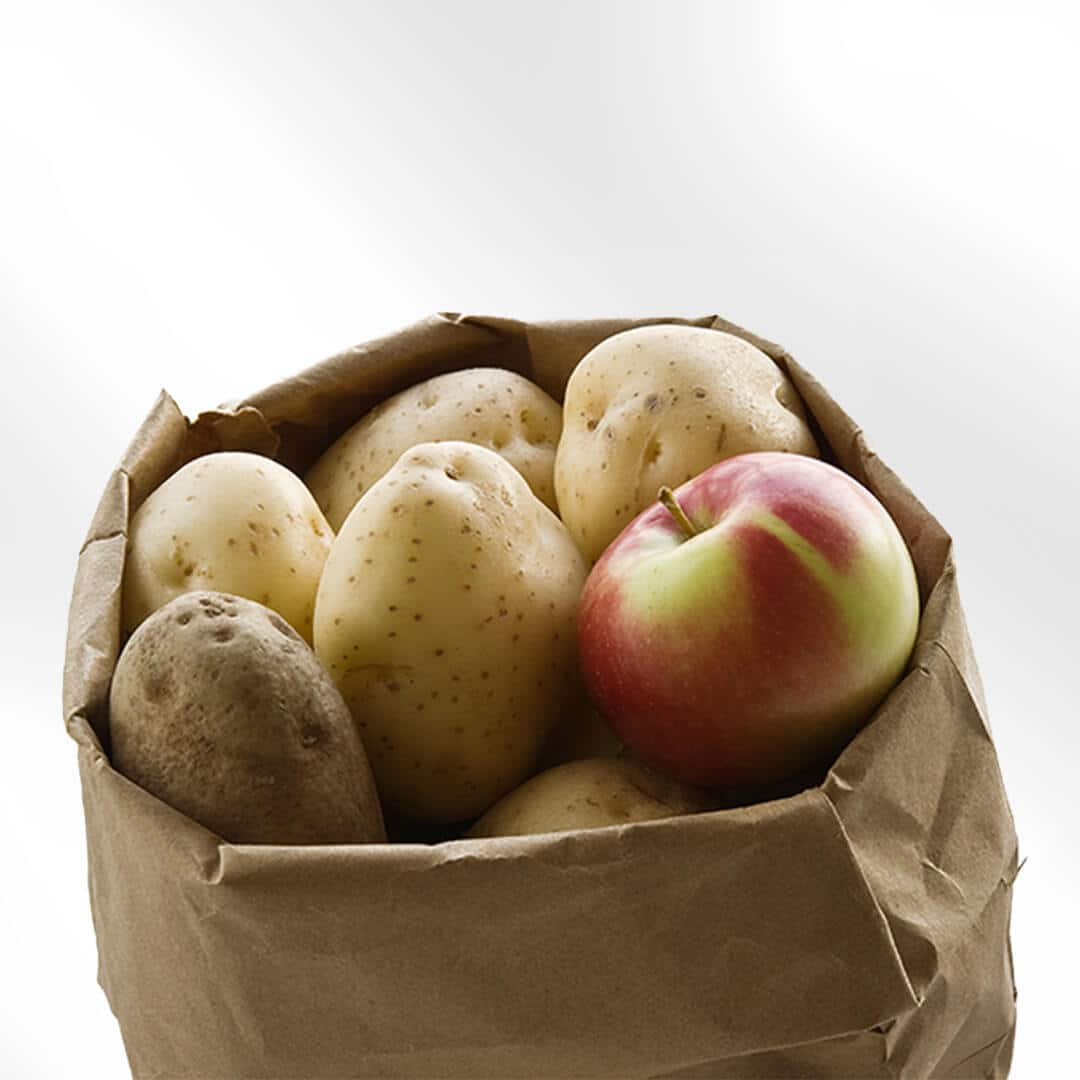
…how to keep your Potatoes from sprouting?

An apple a day keeps the sprouts away. Just place an apple in the same rack with your potatoes. With this little kitchen hack you can keep your potatoes fresh, even if you don't use them up all at once. Have you tried this before? 

en_scs_braun_hack_Card-08_Potatoes_1080 × 1080.jpg

…how to make stale bread fresh again?

Did you buy too much at the bakery the other day? Don't worry, sprinkle your bread with water and bake it in the oven. With this little trick your baked goods will be fresh and warm again, just in time for Sunday brunch. Try it yourself. 

en_scs_braun_hack_card09_bread_1080 × 1080.jpg

Good design should be effective. So are our tips for reducing food  waste, which we hope provide practical, useful examples of how we can show great appreciation for our food with even the smallest effort. Together we can achieve a lot with small changes.

Related articles.

Less food waste

Meal prep saves time, effort and waste

teaser_meal-prep_header.jpg

Perfect blending results.

Hand blenders

braun_category_hand-blenders_mq9005.jpg
Wczytywanie