Country preference? Choose the preferred country to view local content and get a better experience.

  • Black Friday
de-NavCard-hand-blender-1080x720.jpg

en-navnod-braun-food-preparation-1080x720.jpg

br_en_NavNode_FoodPrep_Node_HB-Attachments_1080x720.jpg

en-NavCard-hand-mixer-1080x720.jpg

en-NavCard-jug-blender-1080x720.jpg

en-NavCard-food-processors-1080x720.jpg

en-NavCard-food-steamers-1080x720.jpg

en-navnod-braun-cooking-1080x720.jpg

en-NavCard-multifunctional-contact-grills-1080x720.jpg

CG9167_8_1080x720.jpg

en-NavCard-waffle-and-sandwich-maker-1080x720.jpg

Alexander Kumptner Testimonial

en-navnod-breakfast-1080x720.jpg

br_en_NavNode_Breakfast_Node_Coffee-makers_1080x720.jpg

br_en_NavNode_Breakfast_Node_Water-kettles_1080x720.jpg

en-NavCard-citrus-juicer-1080x720.jpg

br_en_NavNode_Breakfast_Node_Toaster_1080x720.jpg

br_en_NavNode_Breakfast_Node_Spin-Juicers_1080x720.jpg

br_en_NavNode_Breakfast_Node_PurEaseCollection_1080x720.jpg

en-navnod-collections-1080x720.jpg

en-NavCard-id-breakfast-collection-1080x720.jpg

en-NavCard-breakfast-1-1080x720.jpg

en-navnod-ironing-1080x720.jpg

en-navnod-garment-care-1080x720.jpg

br_en_NavNode_GarmentCare_Node_Steam-irons_1080x720.jpg

br_en_NavNode_GarmentCare_Node_Garment-steamers_1080x720.jpg

menu promo.png

menu promo outlet.png

en-NavCard-get-inspired-1080x720.jpg

en-NavCard-sustainability-1080x720.jpg

en-navnod-recipes-1080x720.jpg

br_en_NavNode_GarmentCare_Node_Garment-steamers_1080x720.jpg

br_en_NavNode_Support_Node_Services_1080x720.jpg

en-navnod-more-Braun-products-1080x720.jpg

Less food waste

Fresher and tastier for longer: How to store food

how-to-store-food_header.jpg
Drucken

Nach dem Einkauf ist es wichtig, dass Sie sich Zeit für die richtige Lagerung Ihrer Lebensmittel nehmen, damit sie frisch bleiben. Wenn Sie zu Hause Ihre Einkäufe sortieren, bleiben Obst und Gemüse, Molkereiprodukte, Brot, Nudeln und Fleisch länger frisch. Einige Lebensmittel müssen gekühlt werden, während für andere die Lagerung bei Raumtemperatur ausreicht. Wir haben für Sie einige Tipps zur richtigen Lagerung von Lebensmitteln zusammengestellt, damit alles möglichst lange frisch bleibt.

Warum genau werden Lebensmittel schlecht?

 
Ob warm oder kalt, feucht oder trocken, nicht alle Lebensmittel mögen die gleichen Bedingungen. Bei falscher Lagerung verlieren Lebensmittel ihren Geschmack und verderben schneller. Das ist auf die physikalischen, biochemischen, chemischen und mikrobiellen Einflüsse und Veränderungen zurückzuführen, denen die Produkte ausgesetzt sind. Lebensmittel können auch durch Schädlinge und Ungeziefer Schaden nehmen. 

Mikrobieller Verderb wird durch Bakterien, Schimmel und Hefen verursacht. Sie lassen Lebensmittel faulen, gären oder schimmeln und bei diesen Vorgängen entstehen manchmal auch krankheitserregende Stoffe. Diese Prozesse und die Haltbarkeit von Lebensmitteln hängen vor allem von physikalischen Bedingungen wie Wärme, Kälte und Feuchtigkeit ab.
​​​​​​​
Darüber hinaus lösen Enzyme in Lebensmitteln biochemische Veränderungen aus, z. B. den Abbau von Vitaminen, Pigmenten und Aromastoffen. Das Ranzigwerden von Fett ist auf den chemischen Verderb zurückzuführen, der durch chemische Reaktionen unter den Inhaltsstoffen der Lebensmittel ausgelöst wird. Externe Faktoren wie Licht und Luft können diesen Prozess beschleunigen.
 
Hygiene Refrigeration

Hygiene, Kühlung und Lagerung: Alles beginnt mit dem Einkauf.

 
Bevor Sie Ihre Einkäufe nach Hause bringen und alles an den richtigen Platz räumen, sollten Sie sich schon im Supermarkt vergewissern, dass alles hygienisch einwandfrei und gekühlt ist. Die wichtigsten zu beachtenden Punkte sind:
​​​​​​​
  • Überprüfen Sie, ob die Verpackung unversehrt ist.
     
  • Achten Sie darauf, dass gekühlte Lebensmittel kühl gehalten werden und greifen Sie z. B. auf wiederverwendbare Kühltaschen zurück, um die Vermehrung von Keimen durch Wärme zu verhindern.
     
  • Legen Sie gefrorene und verderbliche Produkte erst am Ende Ihres Einkaufs kurz vor dem Gang zur Kasse in Ihren Einkaufswagen. Apropos Kasse: Weiche und empfindliche Produkte wie Eier, Bananen und Trauben sollten Sie als letztes auf das Kassenband legen. So landen sie beim Einpacken oben in der Tasche und werden nicht von schwereren Gegenständen zerdrückt.
     
  • Waschen Sie sich nach dem Einkaufen und vor dem Auspacken Ihrer Einkäufe zu Hause gründlich die Hände, um die Verbreitung von Bakterien und Keimen zu verhindern.
     
  • Halten Sie Lagerbereiche wie Regale, Vorratskammern und Ihren Kühlschrank sauber und wischen Sie sie regelmäßig ab. Verwenden Sie dafür am besten warmes Wasser mit etwas Spülmittel. Ein Schuss Essigessenz kann Schimmel vorbeugen.
 
how-to-store-food_image-copy-2-freezing-effectively.jpg

Freezing effectively: How to store food in the freezer

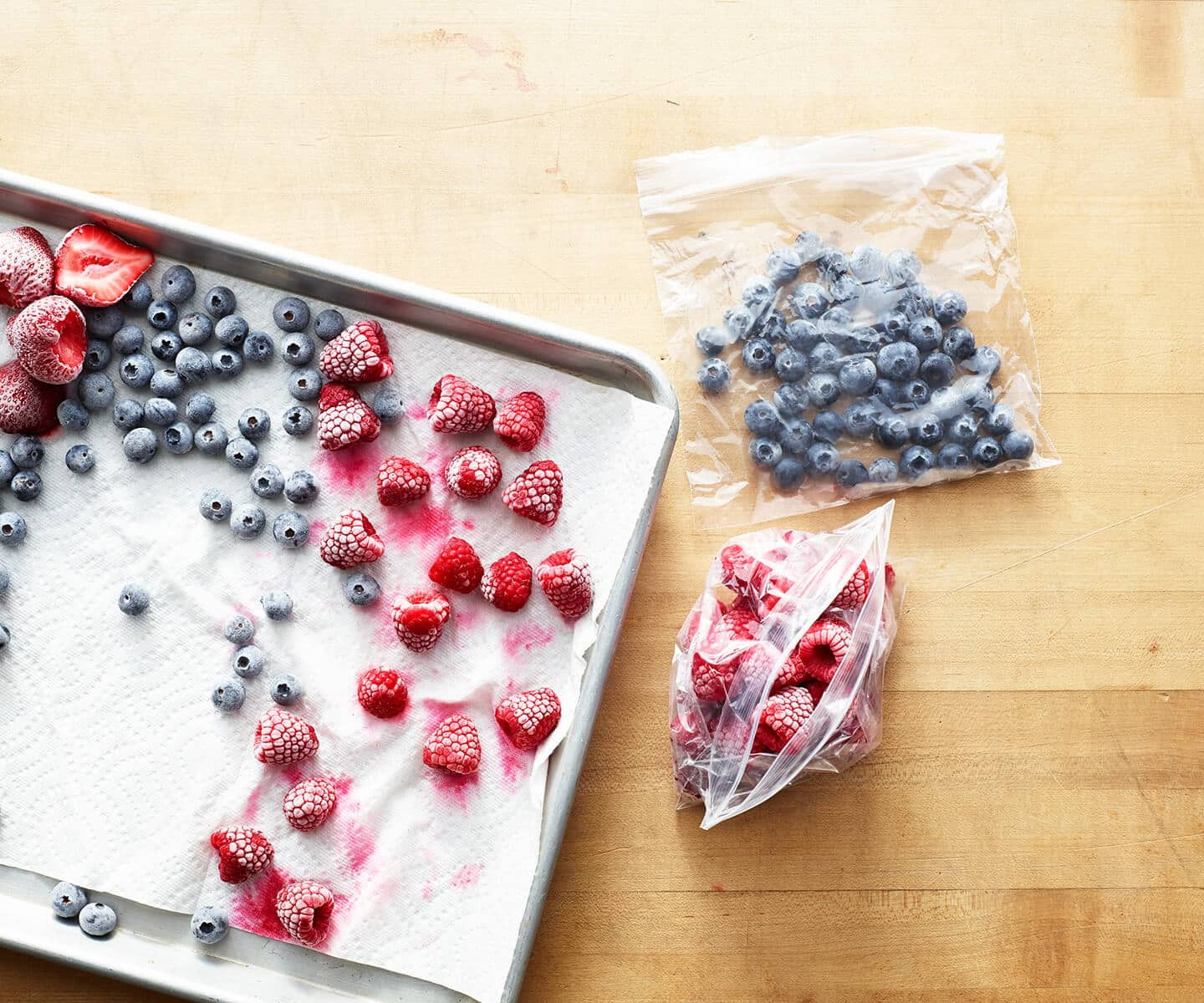
If you want to store food for a particularly long time, your freezer or the freezer compartment of your fridge is the best option. The low temperature and reduced water activity mean that microorganism reproduction is significantly reduced or even eliminated. However, make sure to clean, wash and blanch fruit and vegetables before freezing them. Ideally, you should pack food as airtight as possible and in small portions. It’s also worth labelling bags with their contents and the date to help you keep on top of things. However, even frozen food cannot be stored indefinitely. Fruit and vegetables will keep for 11 to 15 months, fish and fatty meats will keep for 6 to 9 months, and beef and poultry can be frozen for 9 to 12 months. ​​​​​​​
how-to-store-food_image-copy-3-store-food-in-the-fridge_alternative.jpg

Richtig kühlen: Lagerung von Lebensmitteln im Kühlschrank

Die meisten frischen Lebensmittel sollten direkt in den Kühlschrank wandern, wenn Sie nach Hause kommen. Die kühle Umgebungstemperatur von 4 bis 8 °C in Kühlschränken trägt dazu bei, verderbliche Lebensmittel lange frisch zu halten. Denn die niedrige Temperatur verlangsamt den Zellstoffwechsel in den Lebensmitteln, hemmt das Wachstum von Mikroorganismen und verzögert den chemischen und enzymatischen Verderb. Das „FiFo“-Prinzip (First in, First out) kann Ihnen helfen, den Überblick über die Frische Ihrer Lebensmittel zu behalten. Und so funktioniert es: Stellen Sie neue Lebensmittel im Kühlschrank nach hinten und ältere nach vorne. ​​​​​​​

Kühlschrank richtig einräumen

Kühlschränke haben verschiedene Temperaturzonen. Damit Lebensmittel im Kühlschrank möglichst lange frisch bleiben, sollten sie im richtigen Fach aufbewahrt werden. In unseren Kühlschranktipps haben wir genau aufgeführt, was wohin gehört.

how-to-store-food_ slider-1_fridge-door_card-1.jpg

Kühlschranktür

Was in die Kühlschranktür gehört

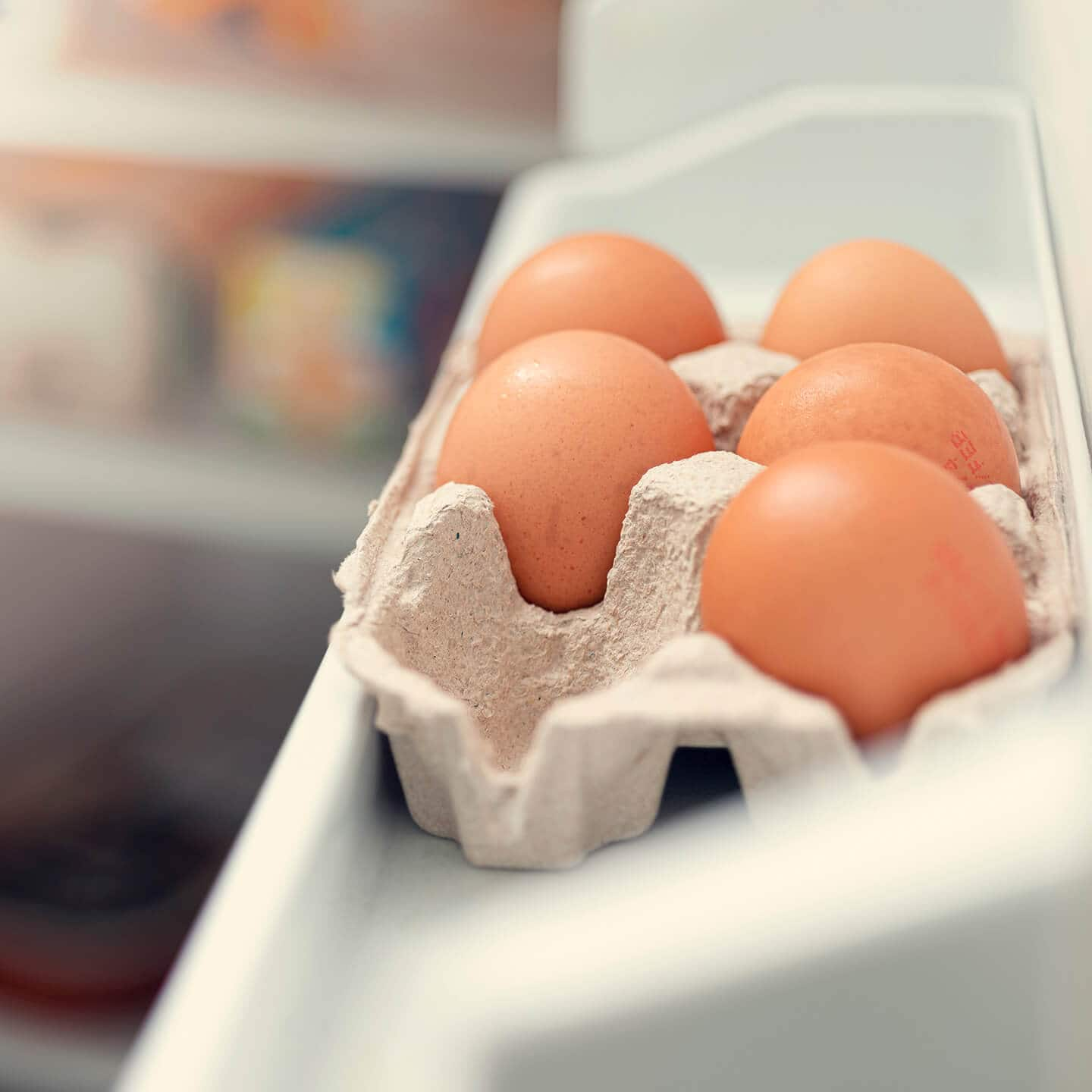
Die Kühlschranktür ist einer der wärmsten Bereiche des Kühlschranks. Die Temperatur liegt hier normalerweise zwischen 8 und 10 °C. Sie eignet sich für die Lagerung von Fertigsoßen, Saft, Getränken, Dressings, Milch, Butter und Eiern.
how-to-store-food_slider-1_crisper-drawer_card-2.jpg

Crisper drawer

What belongs in the crisper drawer

The clue’s in the name: the crisper drawer keeps fresh produce crisp. Crisper drawers are separated from the rest of the fridge, usually by a glass pane, which keeps the temperature at around 9 °C. This is perfect for storing vegetables, salad and various types of fruit. Remember: Produce that is sensitive to cold, such as exotic fruits and vegetables with a high water content, do not belong in the fridge at all.
how-to-store-food_slider-1_bottom-shelf_card-3.jpg

Unterstes Fach

Was in das unterste Fach gehört

Die Temperatur des untersten Fachs, das sich direkt über dem Gemüsefach befindet, ist nicht höher als 2 bis 3 °C. In diesem Fach sollten Sie leicht verderbliche Lebensmittel wie Fleisch, Fisch, Geflügel und Feinkostsalate aufbewahren.
how-to-store-food_slider-1_middle-shelf_card-4.jpg

Mittleres Fach

Was in das mittlere Fach gehört

Im mittleren Fach herrscht in der Regel eine Temperatur von etwa 5 °C und damit ist es ideal geeignet für Molkereiprodukte wie Joghurt, Milch, Quark und Sahne. Es ist auch der perfekte Lagerort für Käse und Wurst.
how-to-store-food_slider-1_top-shelf_card-5.jpg

Oberstes Fach

Was in das oberste Fach gehört

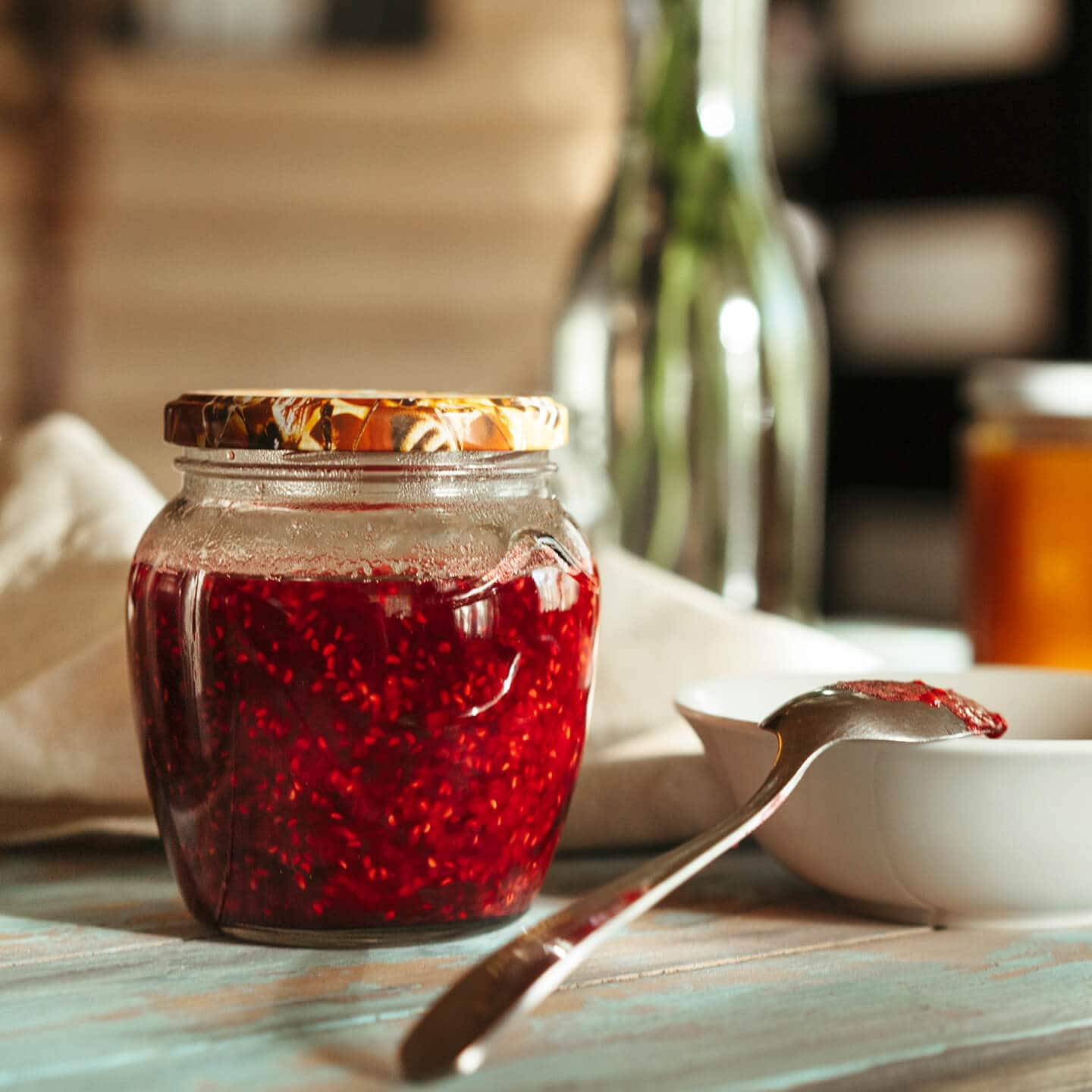
Das oberste Fach eines Kühlschranks ist vergleichsweise warm. Die Temperatur liegt hier normalerweise zwischen milden 8 und 10 °C. Hier sind z. B. Butter und Konfitüren gut untergebracht. Hier können Sie auch Essensreste aufbewahren, die Sie bald verzehren wollen, denn in diesem Bereich bleibt der Geschmack besonders gut erhalten.
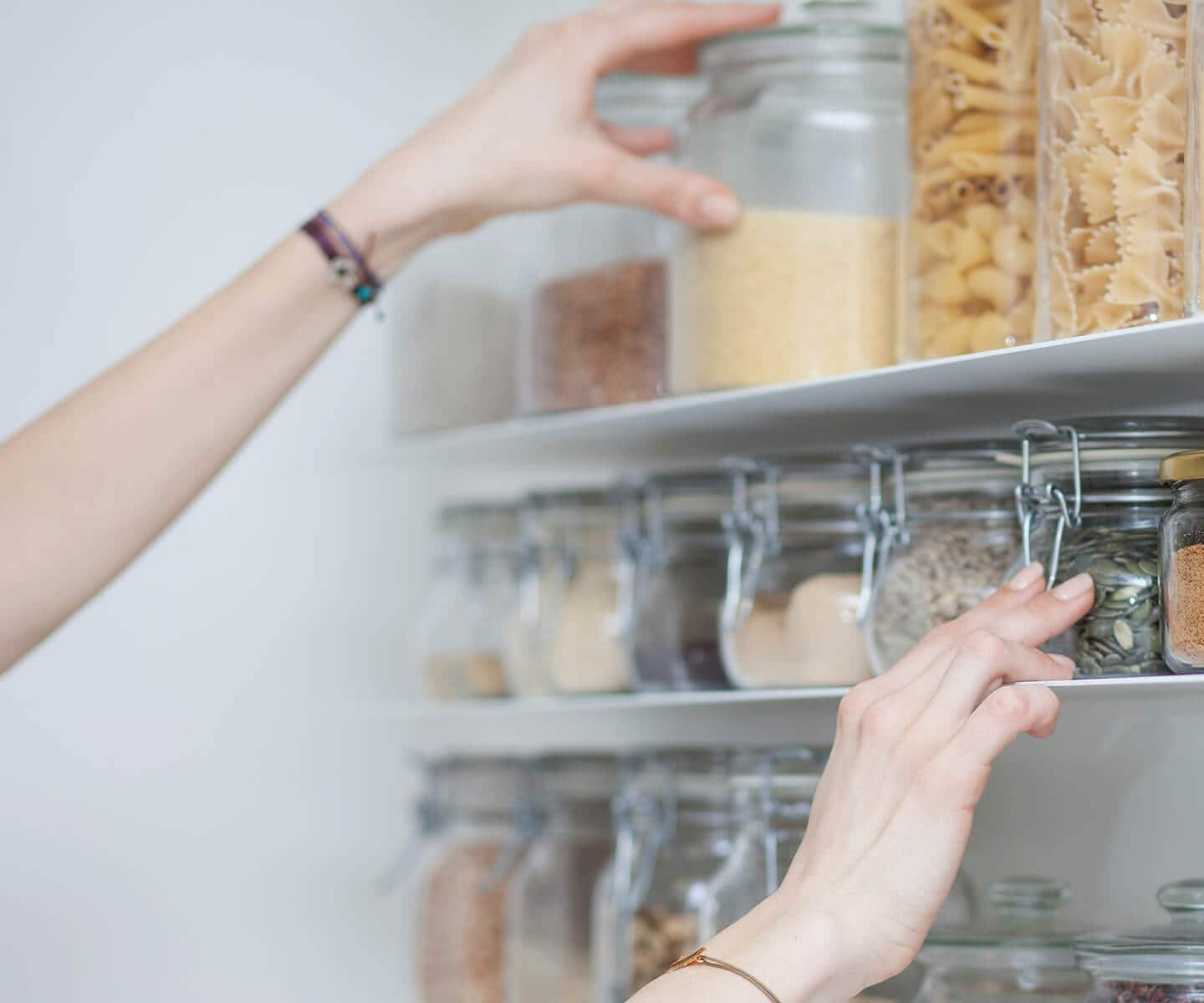
how-to-store-food_image-copy-4-cupboard-pantry.jpg

Lagerung von Lebensmitteln bei Raumtemperatur im Schrank oder in der Vorratskammer

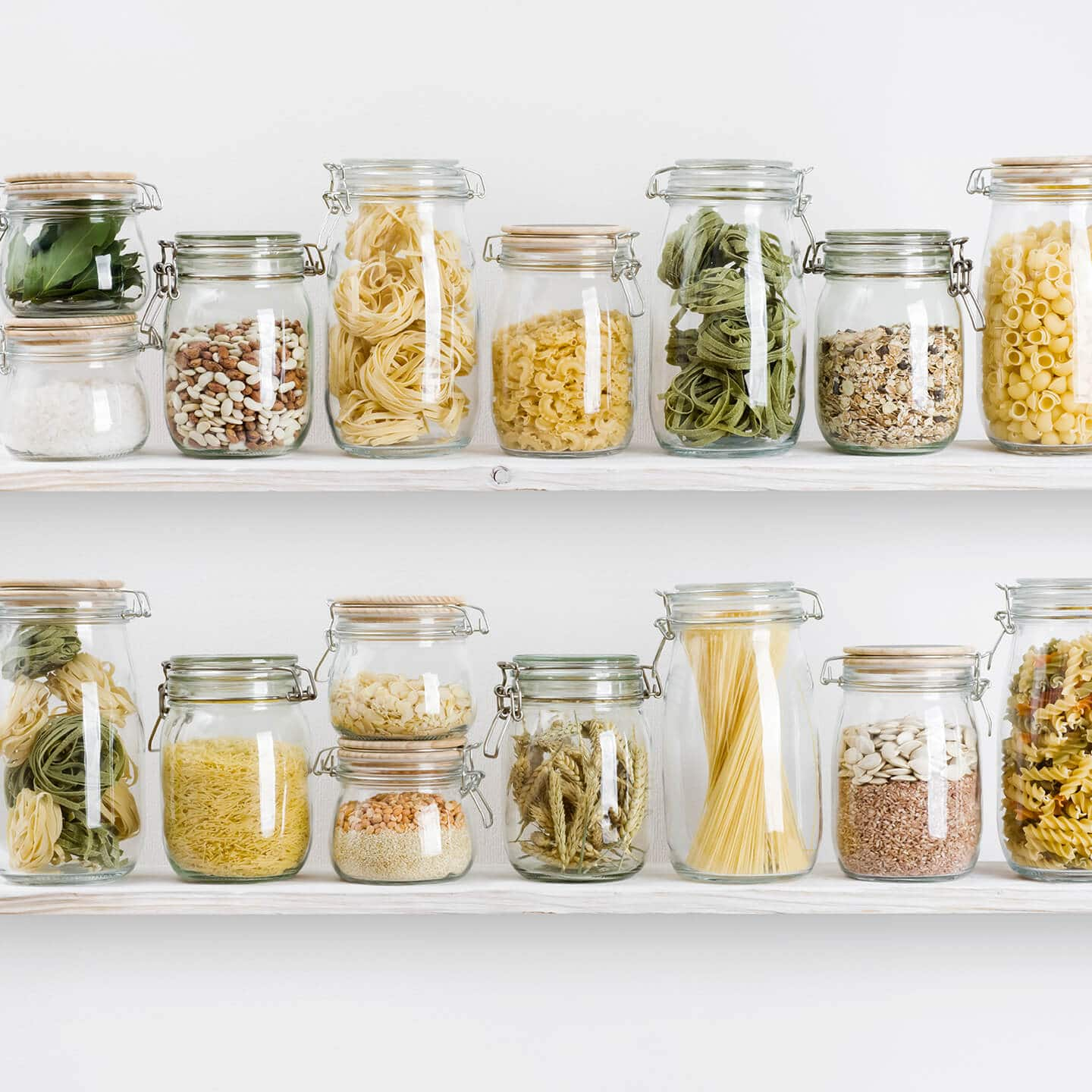
Nudeln, Reis, Konserven und Ähnliches sollten nicht im Kühlschrank aufbewahrt werden. Die Lagerung in einem Schrank bei durchschnittlich 15 bis 20 °C ist vollkommen ausreichend. Es ist wichtig, dass die Lebensmittel keinem direkten Sonnenlicht oder Wärme ausgesetzt und z. B. nicht in der Nähe eines Herdes oder Ofens aufbewahrt werden. Die beim Kochen entstehenden hohen Temperaturen und die feuchte Luft wirken sich selbst bei langlebigen Produkten negativ auf die Haltbarkeit aus. Denken Sie auch beim Aufräumen Ihrer Schränke oder Vorratskammer an das FIFO-Prinzip: Stellen Sie neue Produkte nach hinten und ältere Lebensmittel nach vorne, damit sie zuerst verbraucht werden. Angebrochene Packungen sollten wieder dicht verschlossen oder in einen geschlossenen Behälter umgefüllt werden. Genau wie beim Einfrieren von Lebensmitteln sollten Sie auch hier die Behälter beschriften, damit Sie nicht vergessen, was sich darin befindet.

Produkte richtig lagern: Welche Lebensmittel gehören wohin?

Bei falscher Lagerung verlieren Lebensmittel ihren Geschmack und verderben schneller. Schauen wir uns an, wo verschiedene Lebensmittel am besten aufbewahrt werden, damit sie länger frisch bleiben.

how-to-store-food_slider-2_bread-baked-goods_card-1.jpg

Bread & baked goods

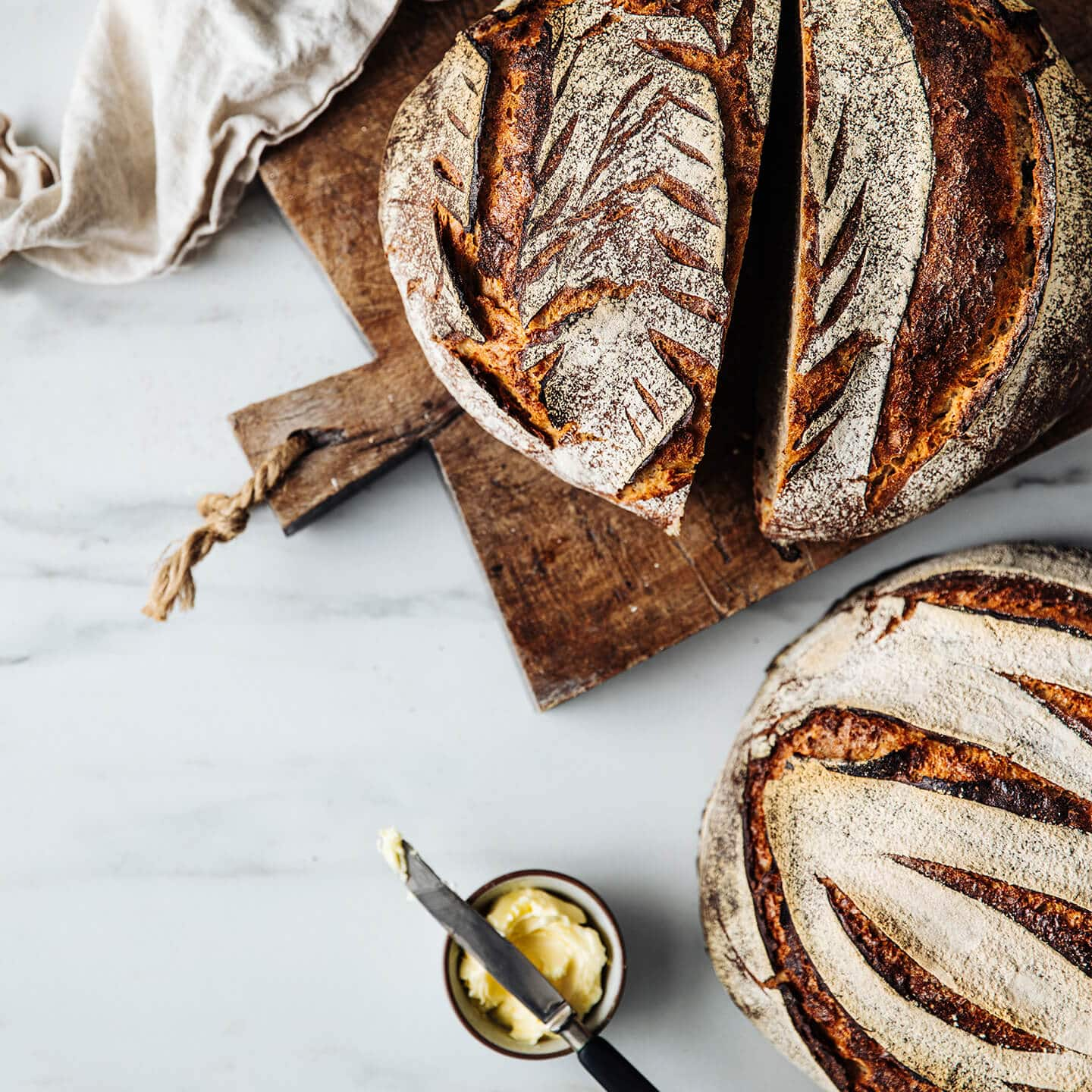
Keeping bread fresh for longer

Keeping bread fresh means preventing it from drying out, such as by storing it in a bread bin or a stoneware container with a lid. Many people store bread in plastic bags. The disadvantage of this is that fresh bread from the baker very quickly turns soft when stored in airtight packaging. For this reason, it’s best to keep crisp baked goods you plan to eat soon unsealed – such as in the bag they came in from the baker.
​​​​​​​
However, drying out isn’t the only way bread can spoil. If the surroundings are too moist and air cannot circulate, water can accumulate and cause mould to develop, particularly in the case of sliced bread. Any crumbs lying around in a bread bin can also lead to mould growing. Remove crumbs every few days and wipe down the container with some diluted vinegar. In warm, humid weather, you can even keep bread in the fridge if necessary. This protects against mould, especially in the case of white bread. If in doubt, you can always freeze bread and bread rolls before defrosting them at a later date, ideally at room temperature.
how-to-store-food_slider-2_fruits-vegetables_card-2.jpg

Fruit & vegetables

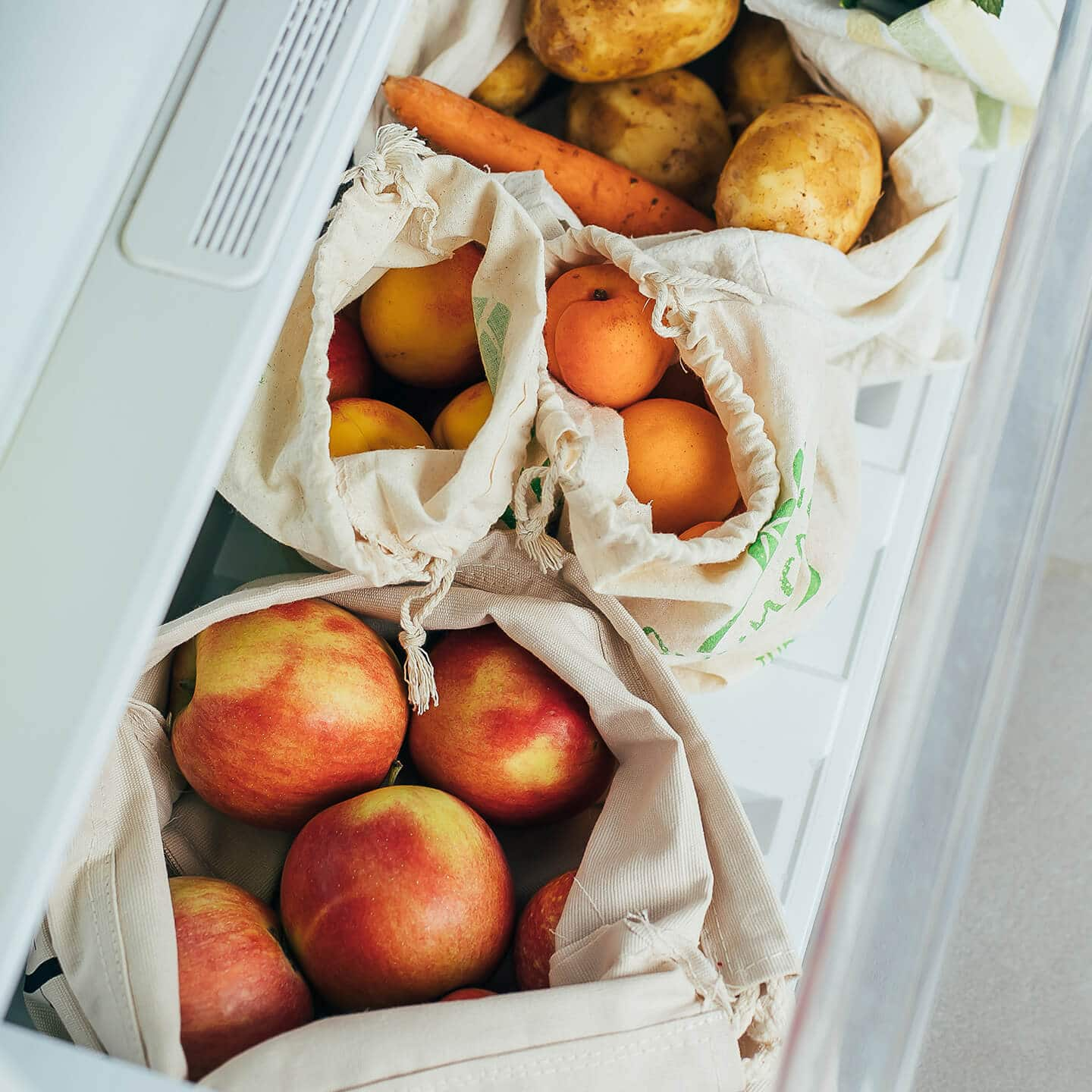
Apples, carrots, salad etc.: What belongs in the fridge and what doesn’t

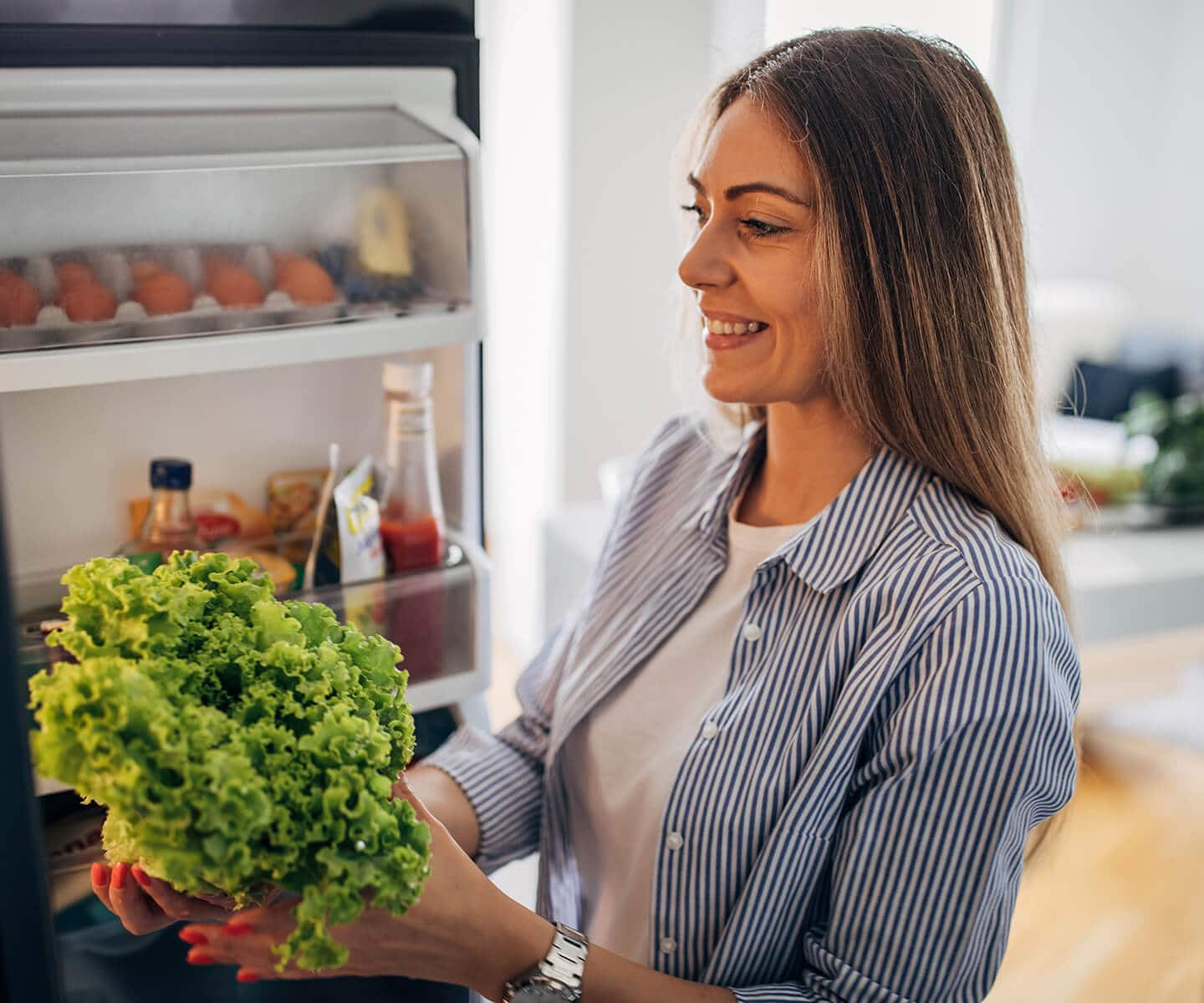
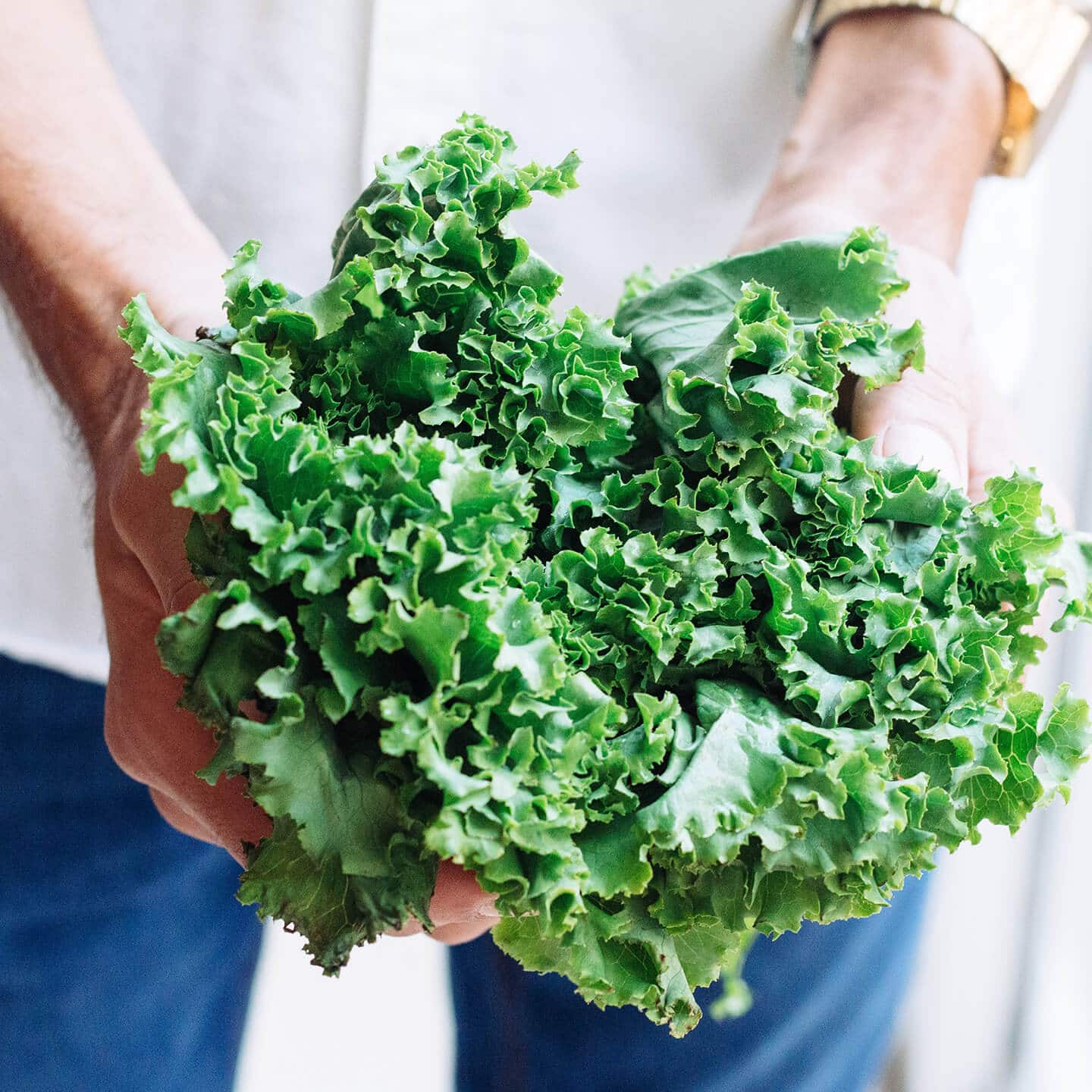
Almost all vegetables can be stored in the fridge. Aubergines, tomatoes, potatoes and pumpkins are the only ones you shouldn’t keep cold. Fruit is a little more complicated. Some types of fruit only stay fresh and retain their vitamins when chilled. Others, however, are very sensitive to the cold. As a rule of thumb, you should chill indigenous fruits like apples, cherries and plums. Exotic fruits like mangos, bananas and citrus fruits don’t belong in the fridge. Exceptions to this rule are figs and kiwis, which are quite at home in your crisper drawer.
​​​​​​​
Over time, some fruits and vegetables develop a ripening gas called ethylene. This causes other fruit and vegetables nearby to age and spoil more quickly. The highest ethylene producers include apples, apricots, plums and tomatoes. For this reason, it’s best to keep them separate.
how-to-store-food_slider-2_dairy-products_card-3.jpg

Dairy products

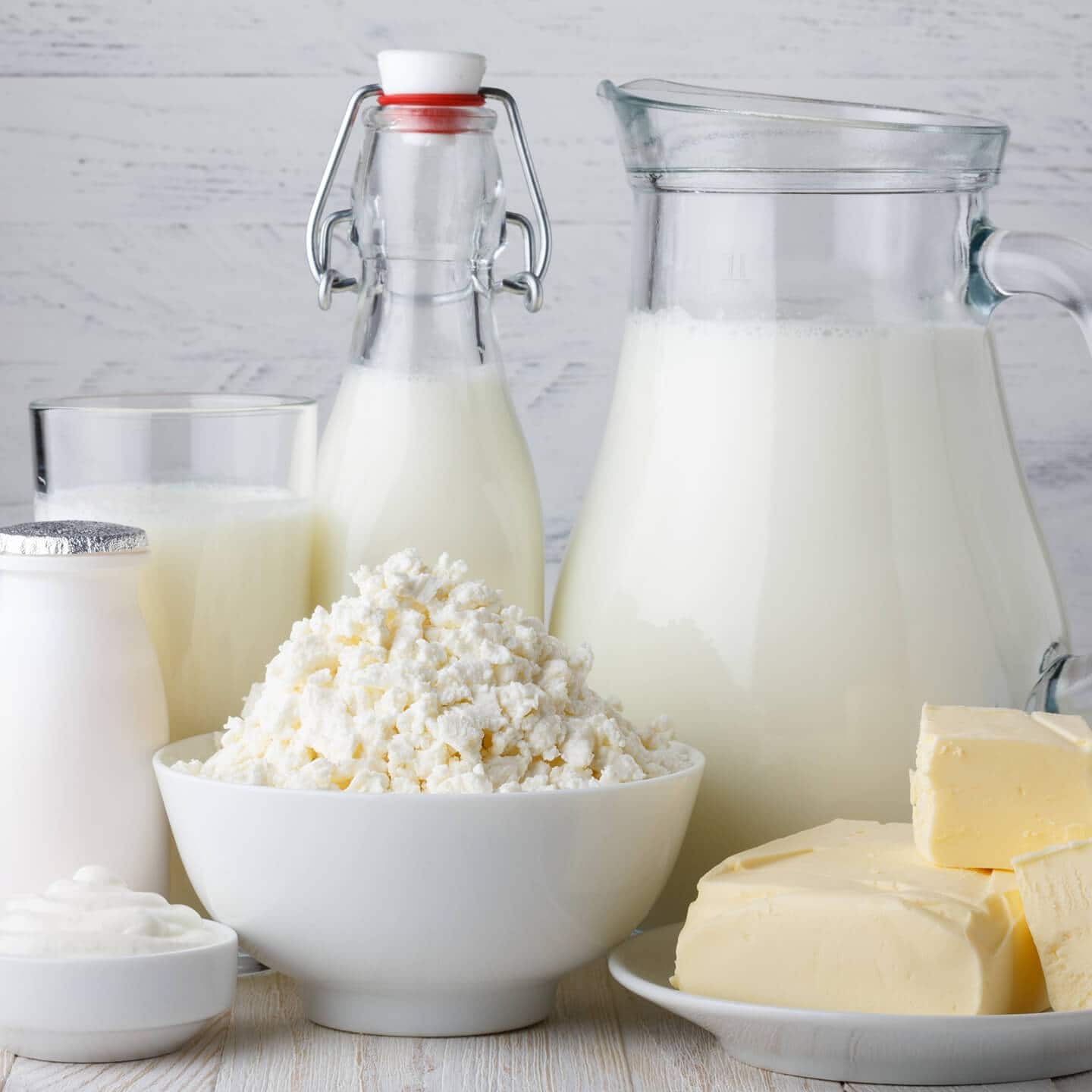
Yoghurt, butter and milk: How to keep dairy products fresh

Yoghurt, milk and butter should make their way from the supermarket to your fridge at home as soon as possible. Ideally, you should keep them well sealed and in their original packaging: Put butter on the top shelf of the fridge door, and keep yoghurt and milk in the middle of the fridge.
​​​​​​​
UHT milk only needs to go in the fridge once opened; it can keep at room temperature for several weeks beforehand. You should consume raw milk straight from the farm within 2 to 3 days at most. Pasteurised fresh milk often stays fresh for up to a week when kept sealed and for 2 to 3 days when opened. Due to its high fat content, you can freeze butter before defrosting it in the fridge door when you need it.​​​​​​​
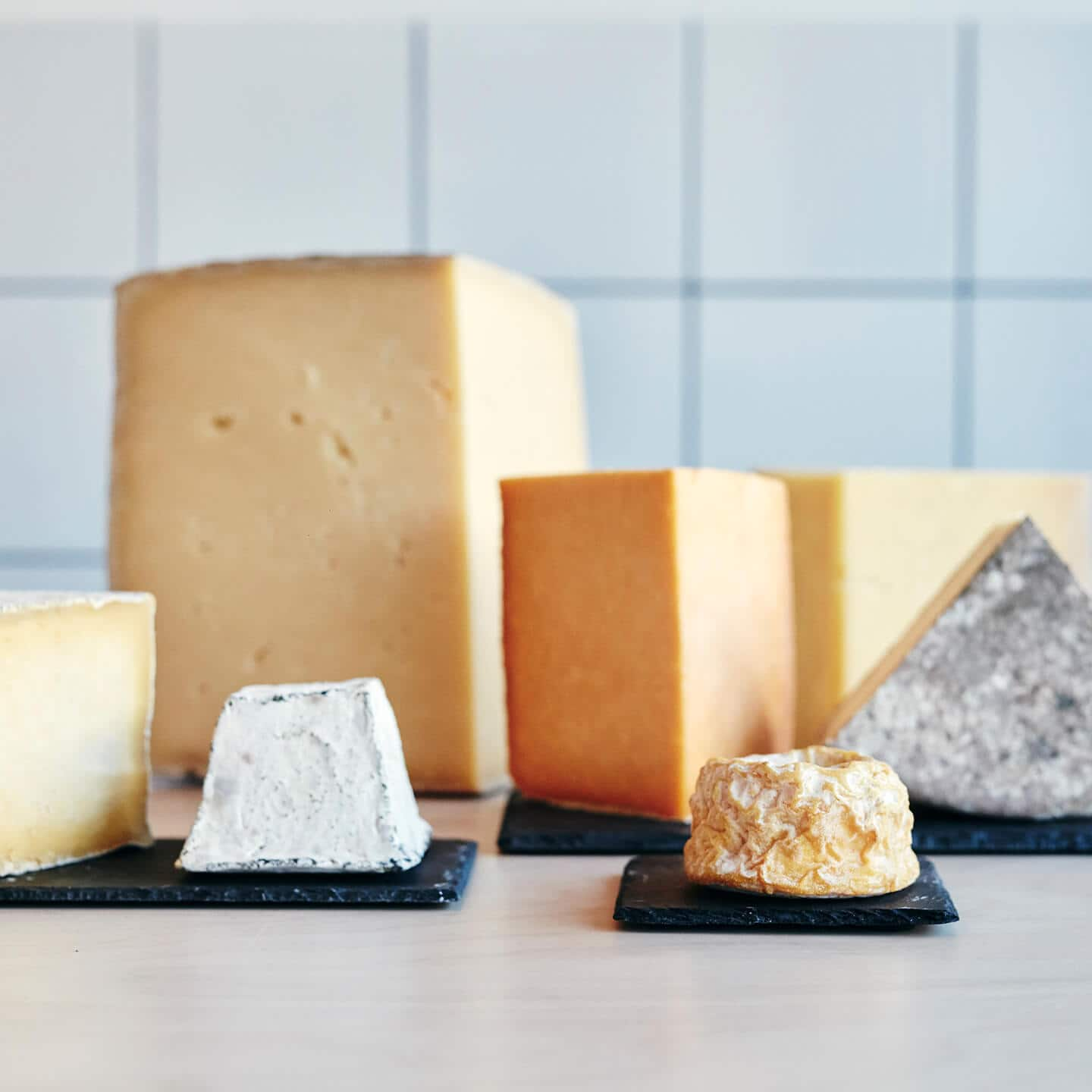
how-to-store-food_slider-2_cheese_card-4.jpg

Cheese

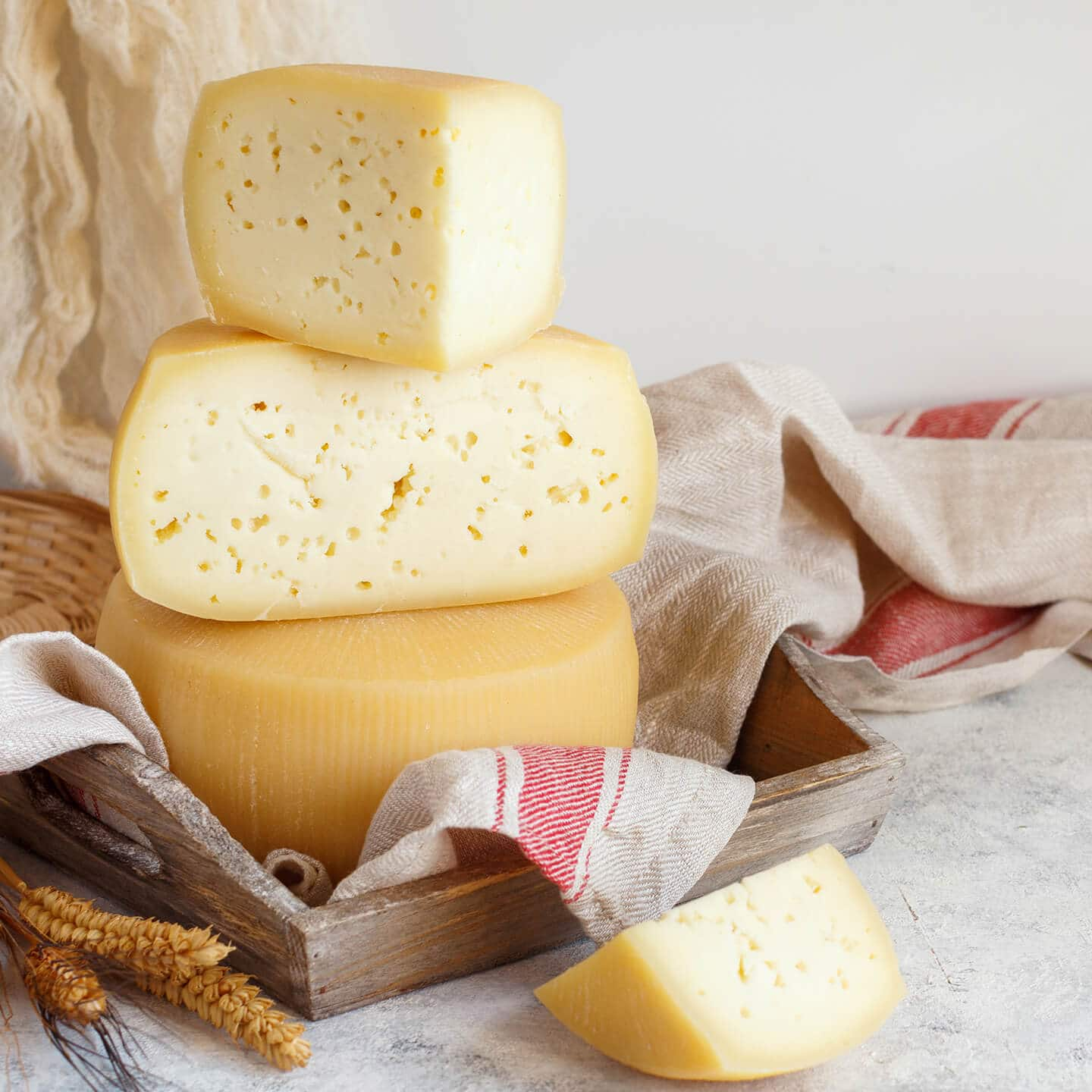
Cheese is best stored well-ventilated and moist, but cream cheese likes it cool

With the exception of cream cheese, all types of cheese need to be able to breathe and so shouldn’t be kept in an airtight container. It’s best to keep pre-packaged cheese in its original packaging, in special cheese paper or sandwich paper, or in cheese preservers. This stops them from passing on their aroma and prevents edible mould from forming on hard cheese. Another option is cling film, but you should never use airtight plastic containers. Cheese is happiest on the middle shelf of the fridge. Cream cheese, however, should be stored in a much cooler area – on the bottom shelf of the fridge. Wedges of cheese can last up to three weeks in the fridge. Packaged sliced cheese and cream cheese soon dry out once opened and lose their flavour, so it’s best to eat them within a week of opening.​​​​​​​
how-to-store-food_slider-2_pasta_card-5.jpg

Pasta

The best way to store pasta, spaetzle and gnocchi

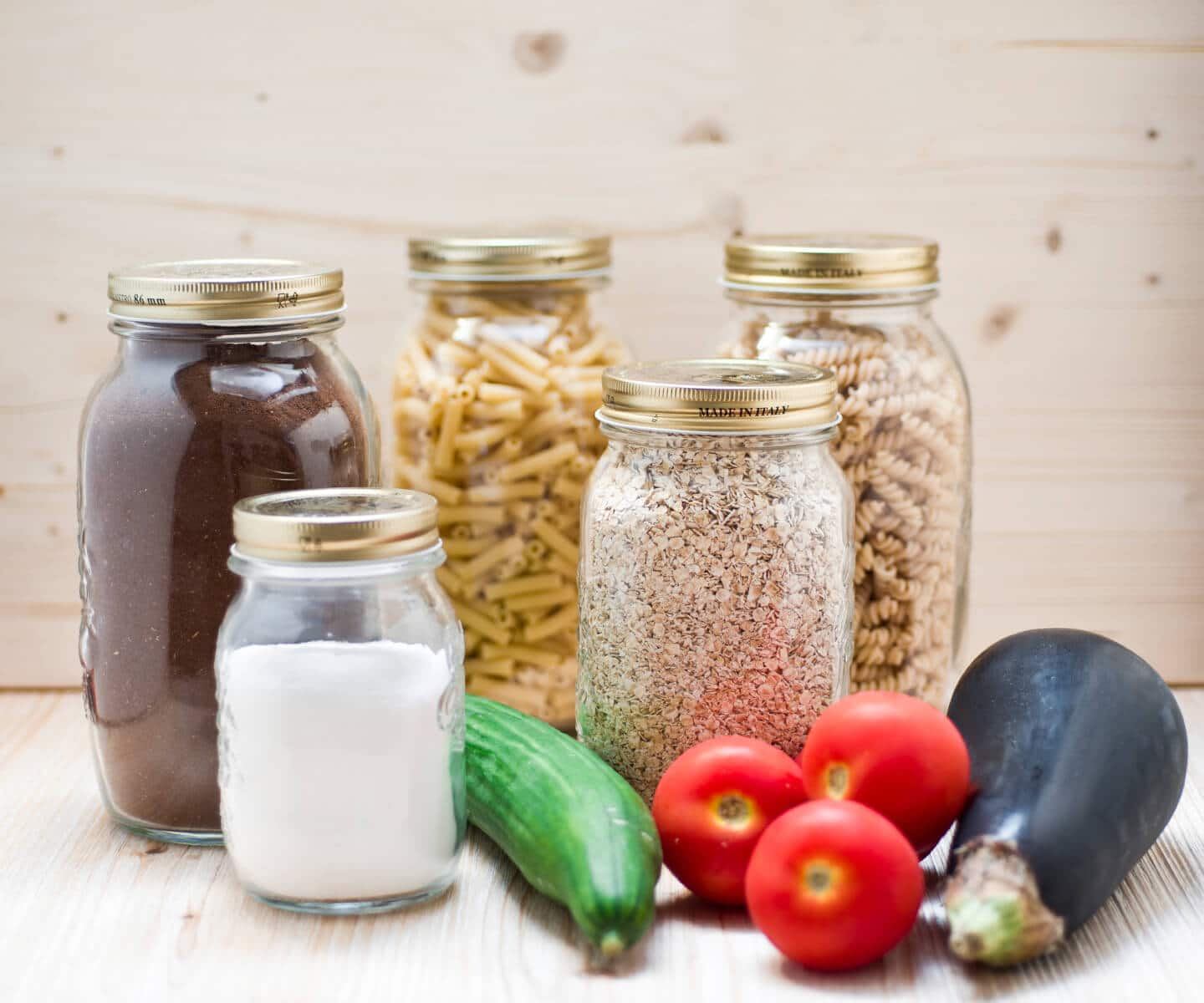
You can store dried pasta for up to a year. It’s important to store it at room temperature and keep it dry and well sealed. Why? Well, like other dried goods – such as flour, muesli and tea – dried pasta is particularly susceptible to pests, such as food moths.

Fresh dough-based products like pasta, spaetzle and gnocchi are extremely susceptible to germs. When well chilled, they will keep in the fridge for three or four days. Proper food preparation is a key factor in ensuring that food stays fresh for as long as possible. Simply make sure to cook pasta only until it is al dente – firm to the bite. Spätzle and gnocchi are ready as soon as they start to float to the surface. You can keep leftover pasta on the top shelf of the fridge, where it will stay fresh for one or two days. It’s best to keep cooked pasta in sealed containers so that it doesn’t become hard.
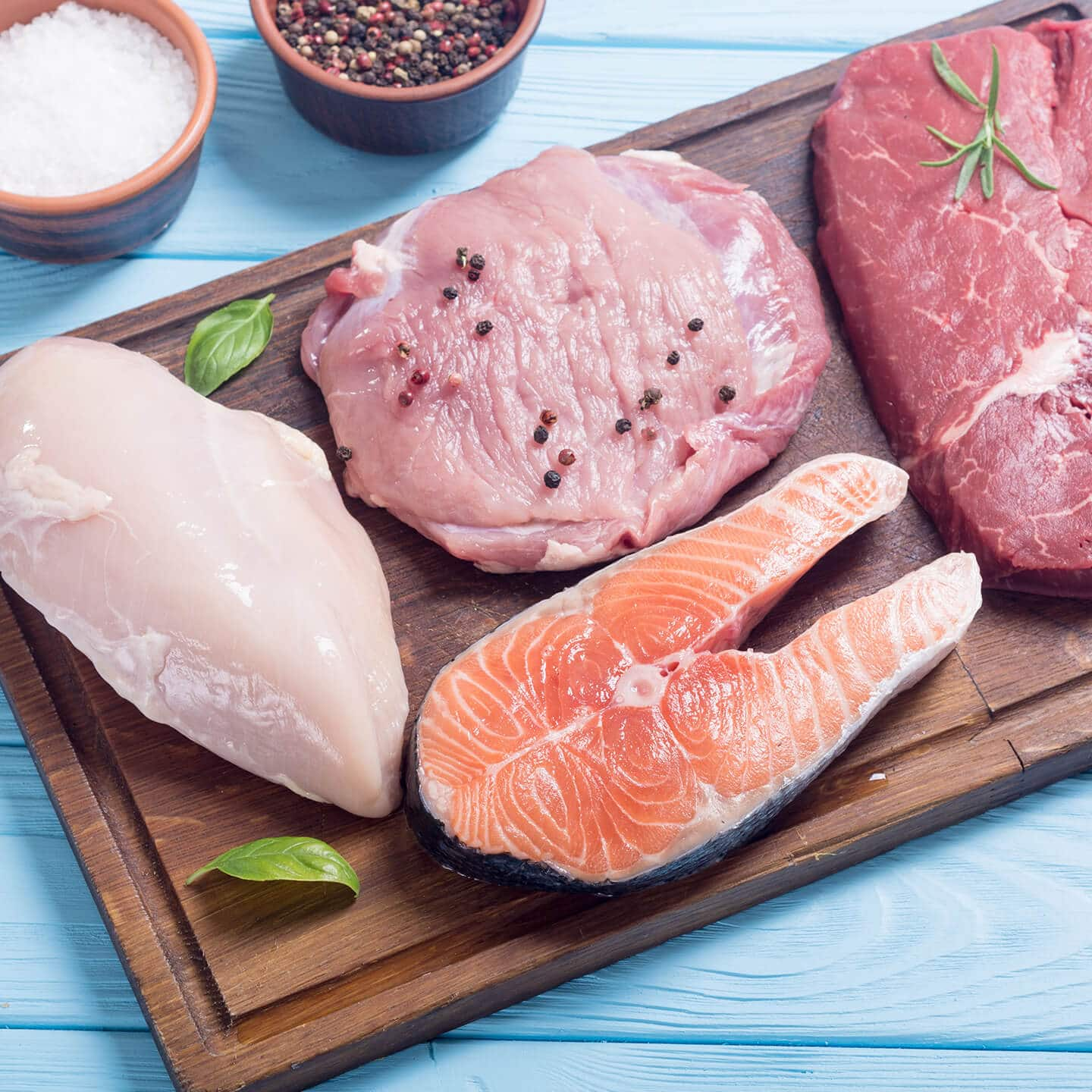
how-to-store-food_slider-2_meat_card-6.jpg

Meat

Things to remember when storing meat

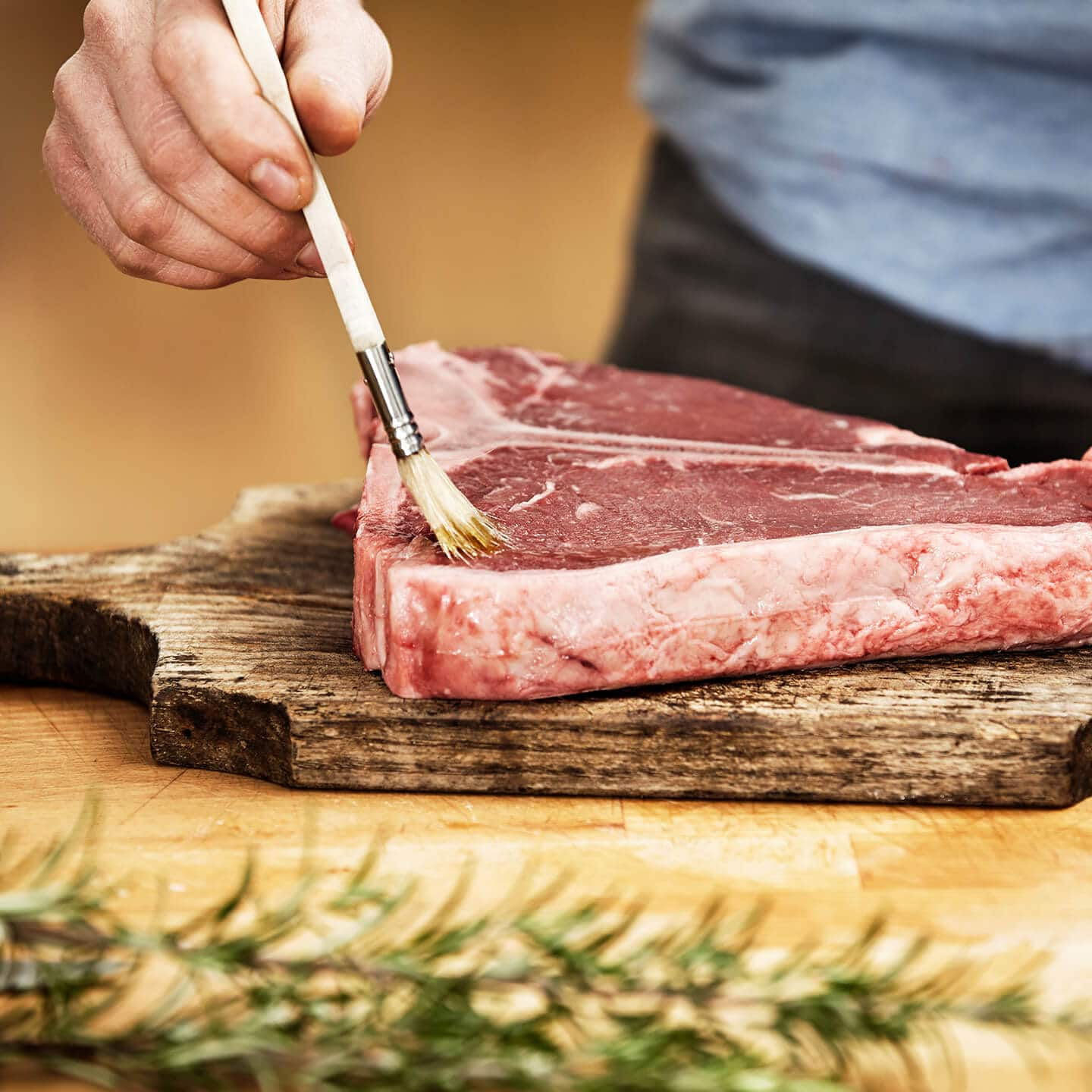
Meat, poultry and sausages are foods that spoil very quickly. If at all possible, you should avoid breaking the cold chain or only do so for a very short time. The best way is to take a cool bag with you to the supermarket. At home, place meat on the bottom shelf of the fridge straight away, as this is the coolest part of the fridge.
​​​​​​​
If you buy meat in plastic packaging, you should replace this before putting it in the fridge. Remove the meat from the packaging, dab it dry with kitchen paper, wrap it in baking paper and place it in an airtight container to protect against germs. Beef can be stored for 3 to 4 days; veal and pork will keep for 2 to 3 days, but poultry only stays fresh for 1 or 2 days. Take care when it comes to minced meats – if possible, you should eat these on the day you buy them. Always defrost frozen meat in the fridge and remember that this can produce defrost water.​​​​​​​
how-to-store-food_slider-2_fish_card-7.jpg

Fish

The best way to store fish

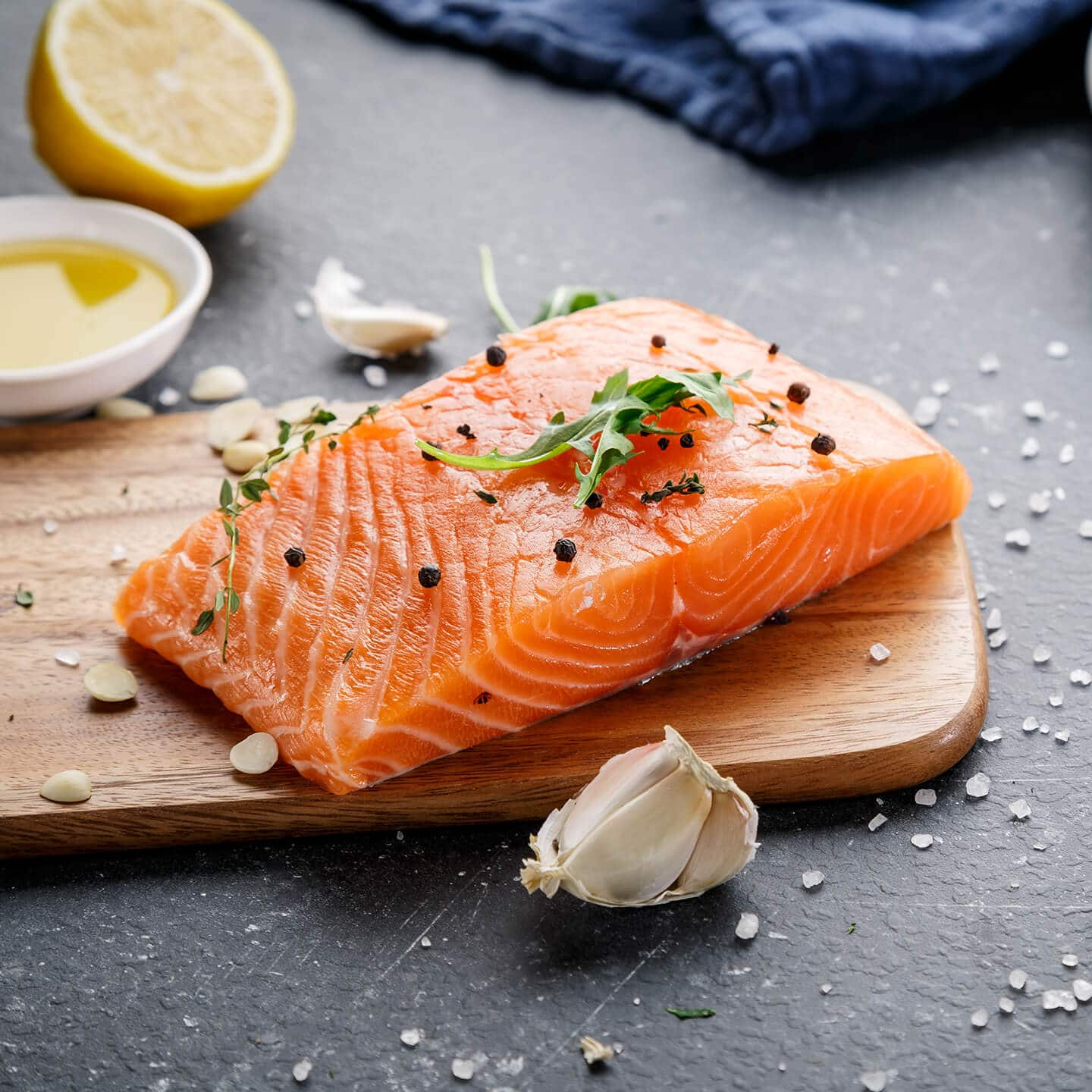
Fish is even more perishable than meat. As a result, it’s best to eat fish straight after you buy it. If you buy fresh fish from the fish counter, don’t leave it in its packaging: store it in a glass or porcelain container, cover it with cling film and ice, and store it in the fridge for 1 day at most.
​​​​​​​
Store pre-packaged fish from the deep-frozen section in your freezer and keep an eye on the best-before date! The smoking process helps smoked fish stay fresh for longer. You can keep this in your fridge, covered in cling film, for up to around 3 days. Always defrost frozen fish in the fridge and remember that this can produce defrost water.​​​​​​​​​​​​​​

Little hint: You don’t need to throw away food past its best-before date

 
  • Most food has a best-before date (BBD) on its packaging. However, food doesn’t automatically go bad just because this date has passed. This is the date until which the manufacturer guarantees typical product characteristics, such as taste, aroma, consistency and colour.
     
  • It’s important to distinguish between the best-before date and the use-by date for perishable foods such as raw fish, mince and fresh poultry. You should not eat products after their use-by date and should throw them away instead.
     
  • Take a look, have a taste, smell food for yourself: trust your senses! It’s often easy to tell whether food is still good enough to eat once its BBD has passed.
     
how-to-store-food_infographic.jpg

Did you know?

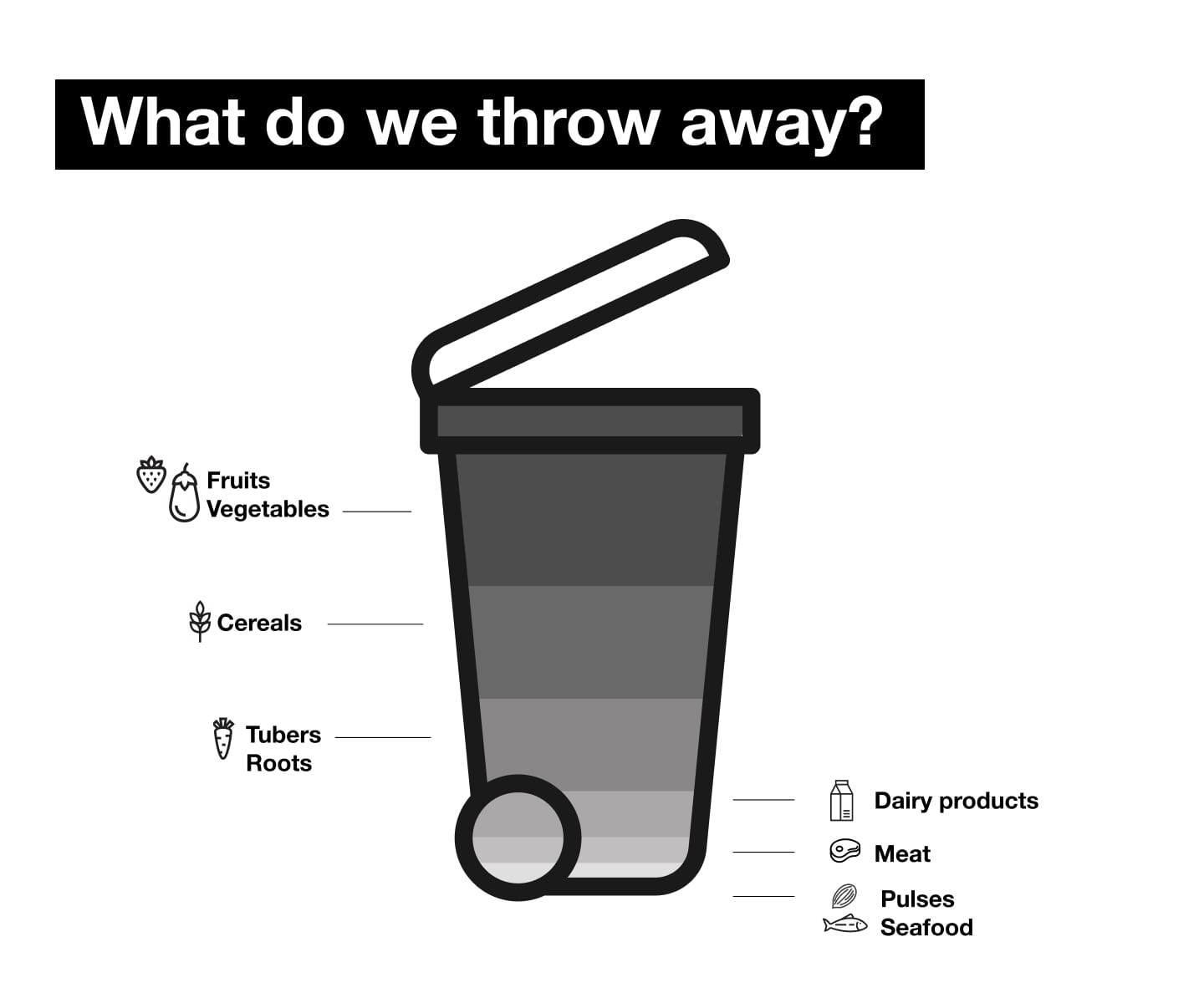
None of us would ever plan to throw away one-third of the food we buy. However, the statistics show that this is precisely the amount that ends up in the bin, unused. According to estimates from the World Health Organization (WHO), this corresponds to 1.3 billion tonnes of discarded food globally each year. This is an inconceivable waste of food when you consider that there are 690 million people around the world who are starving.

​​​​​​​​​​​​​​

Braun stands for durable products and sustainable design. We believe that, in the struggle to protect the environment and maintain our quality of life, both today and in the future, every action counts – no matter how small.

Ähnliche Artikel.

Weniger Lebensmittelverschwendung

Zero Waste: Lebensmittel frisch halten und Reste kreativ verwerten.

teaser_zero-waste_header.jpg

Zurück in die Schule

Meal Prep für die Schule

Food prep for school
Wird geladen