Country preference? Choose the preferred country to view local content and get a better experience.
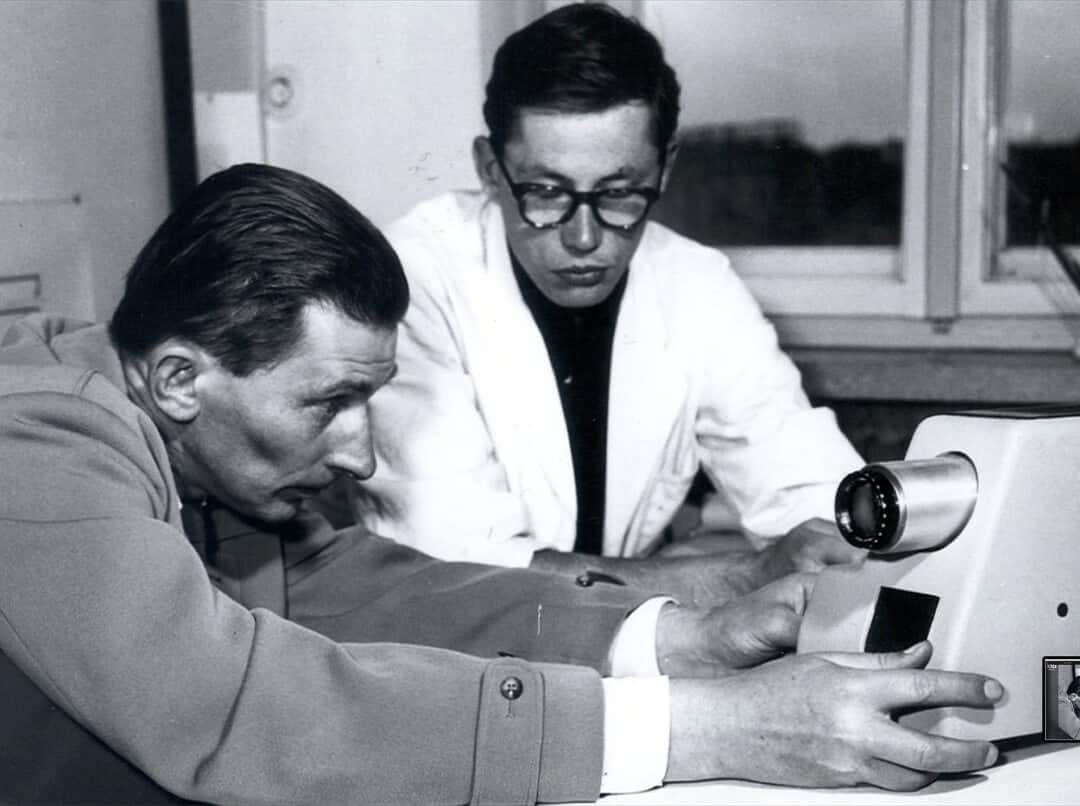
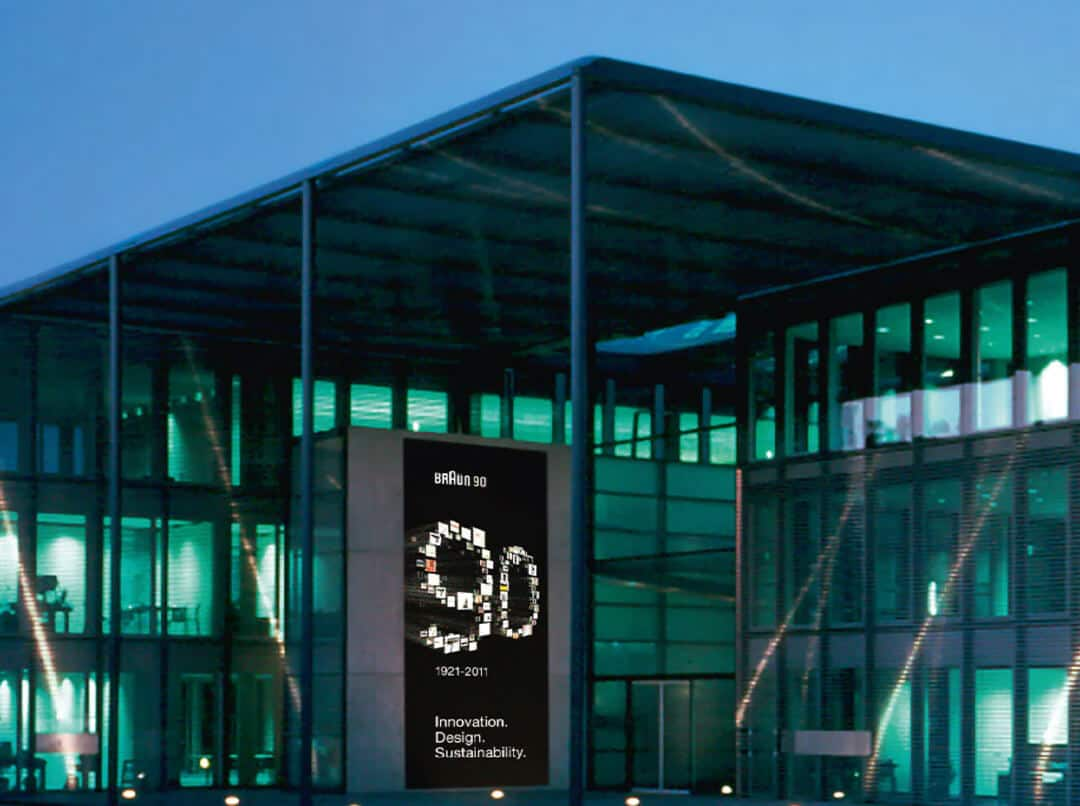
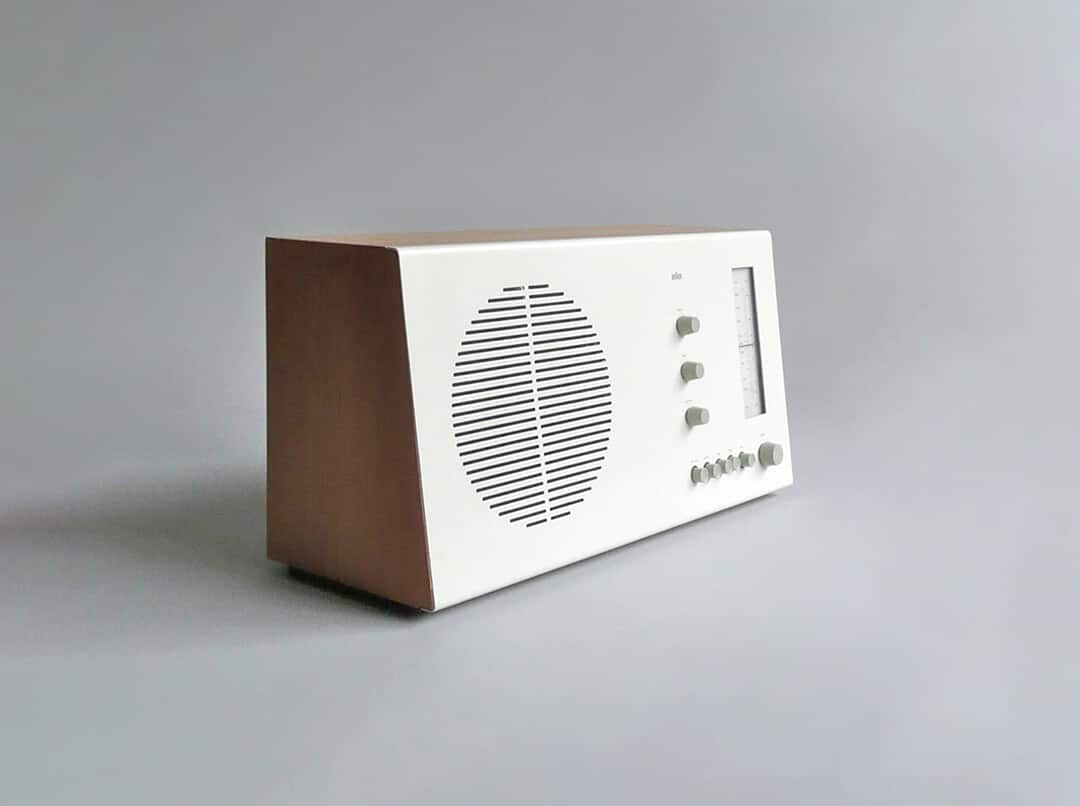
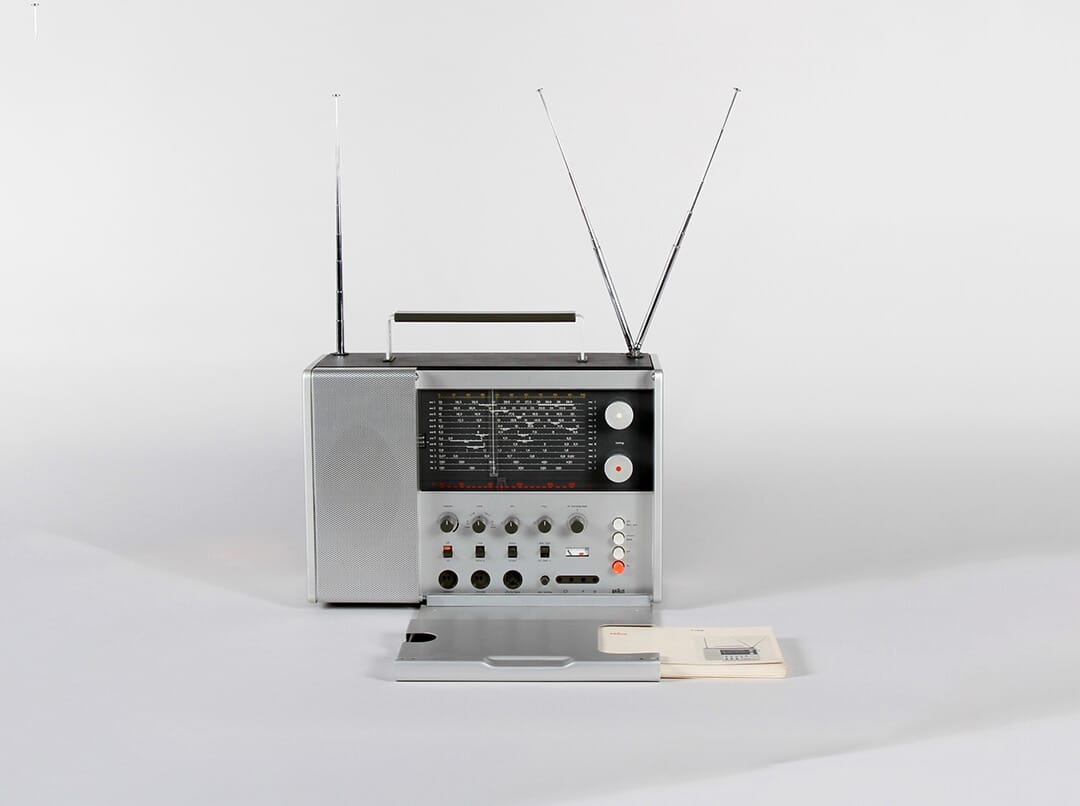
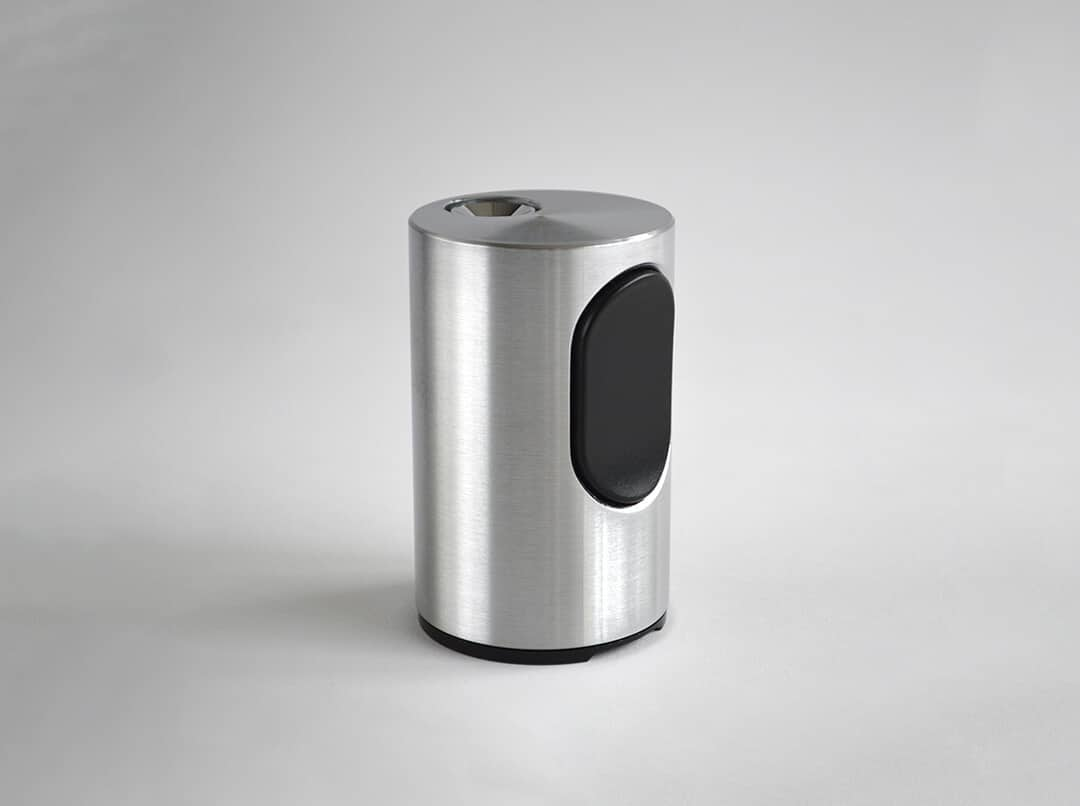
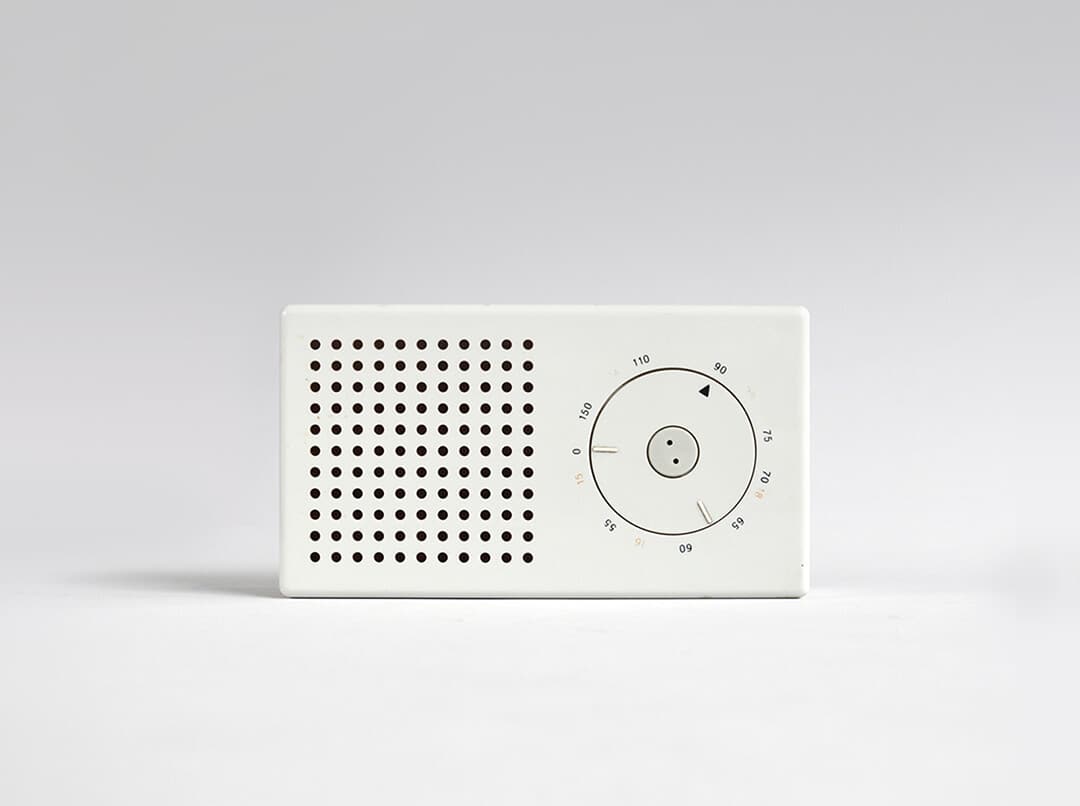
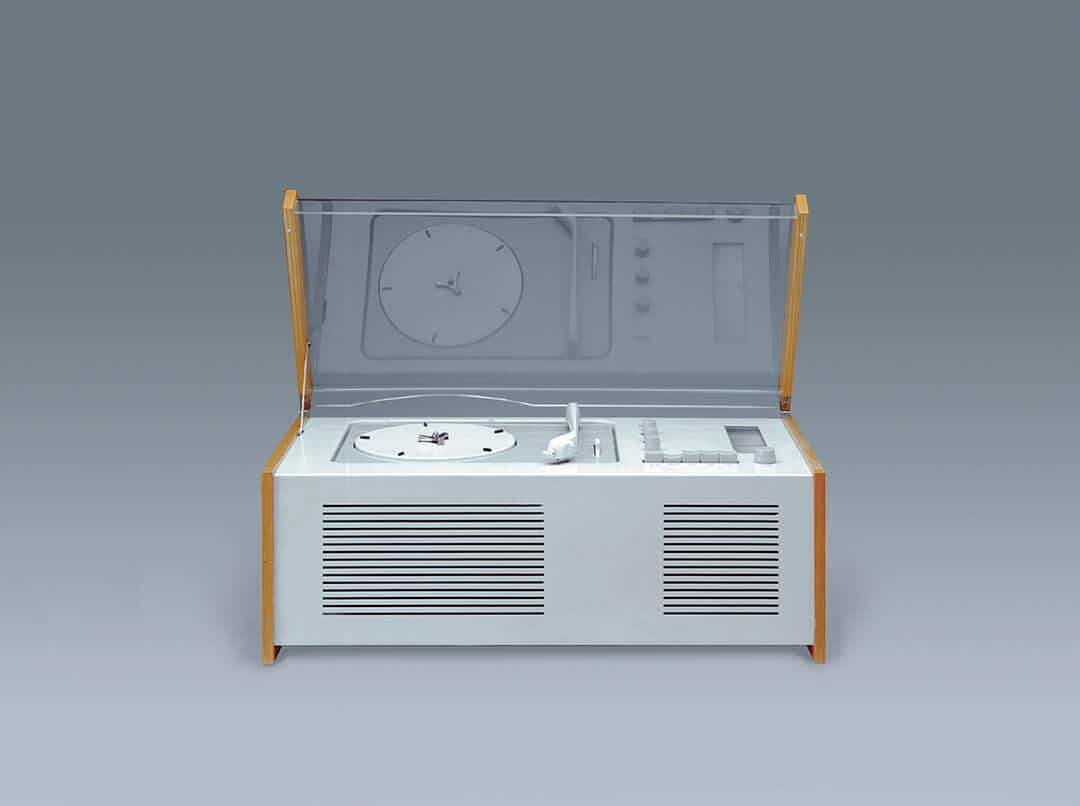
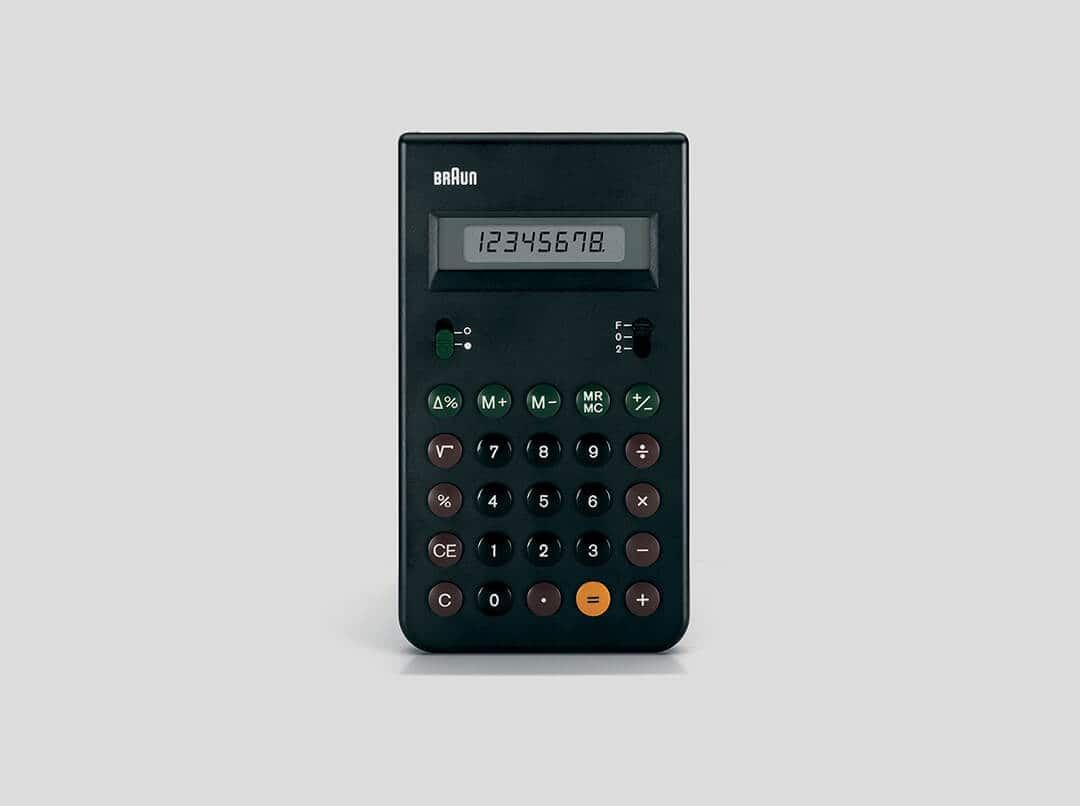
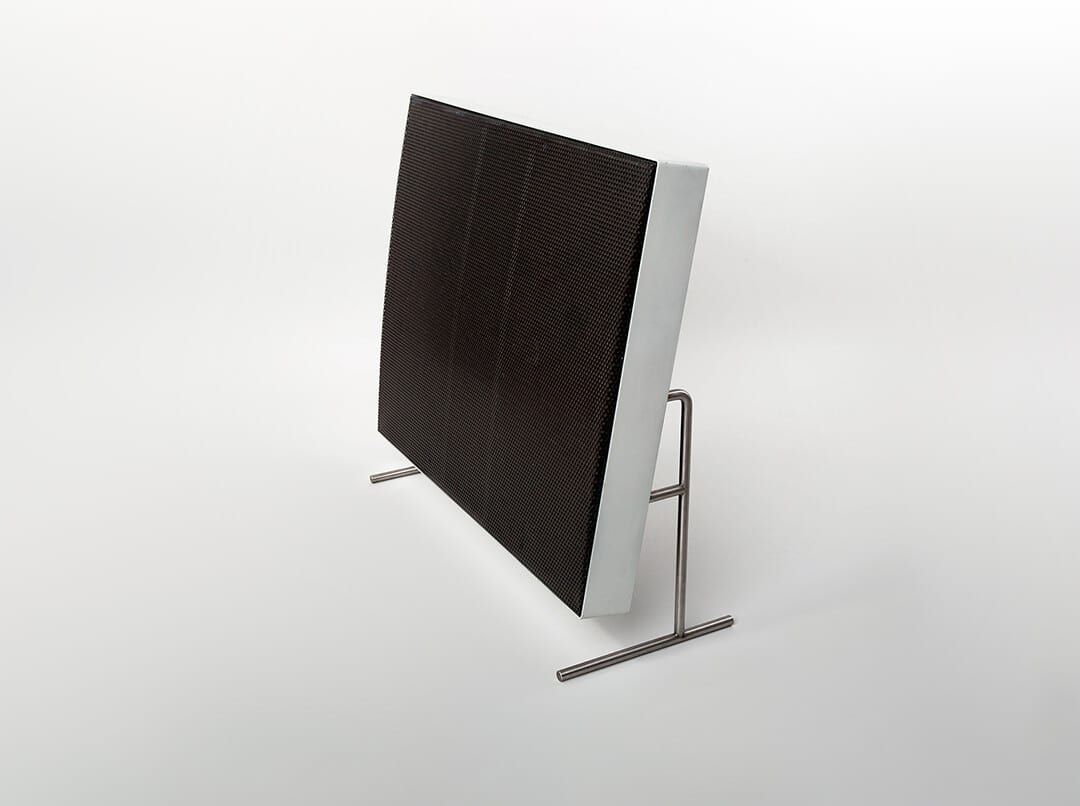
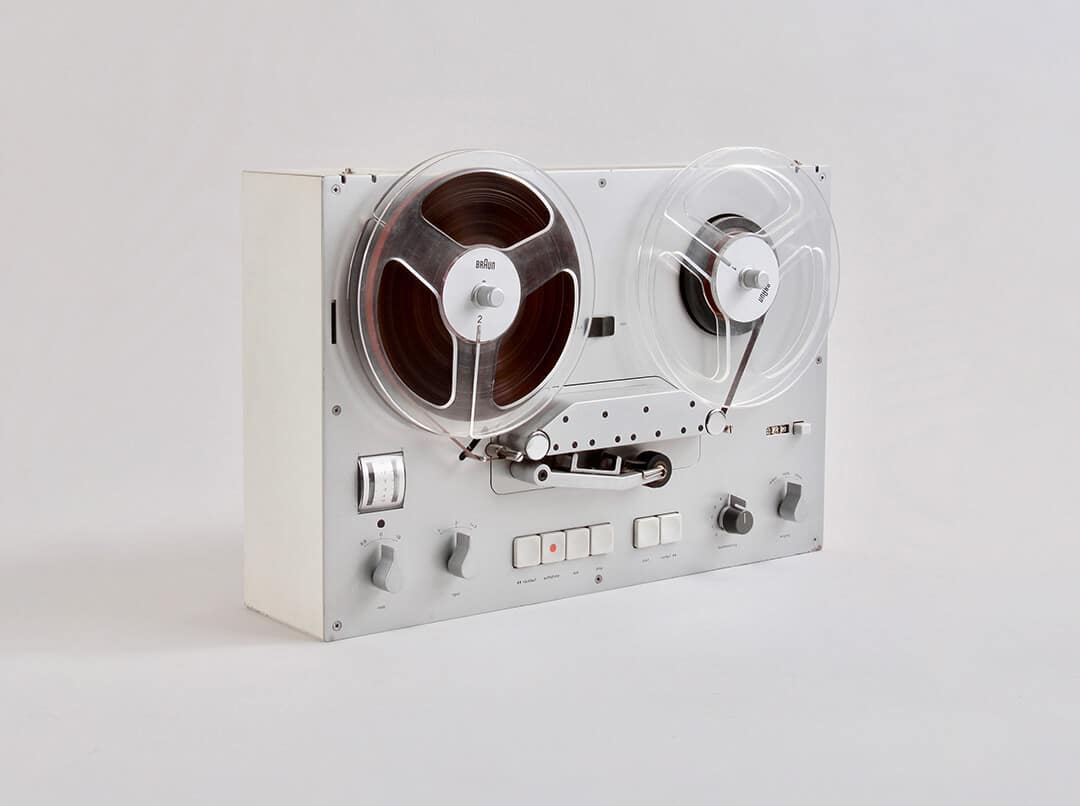
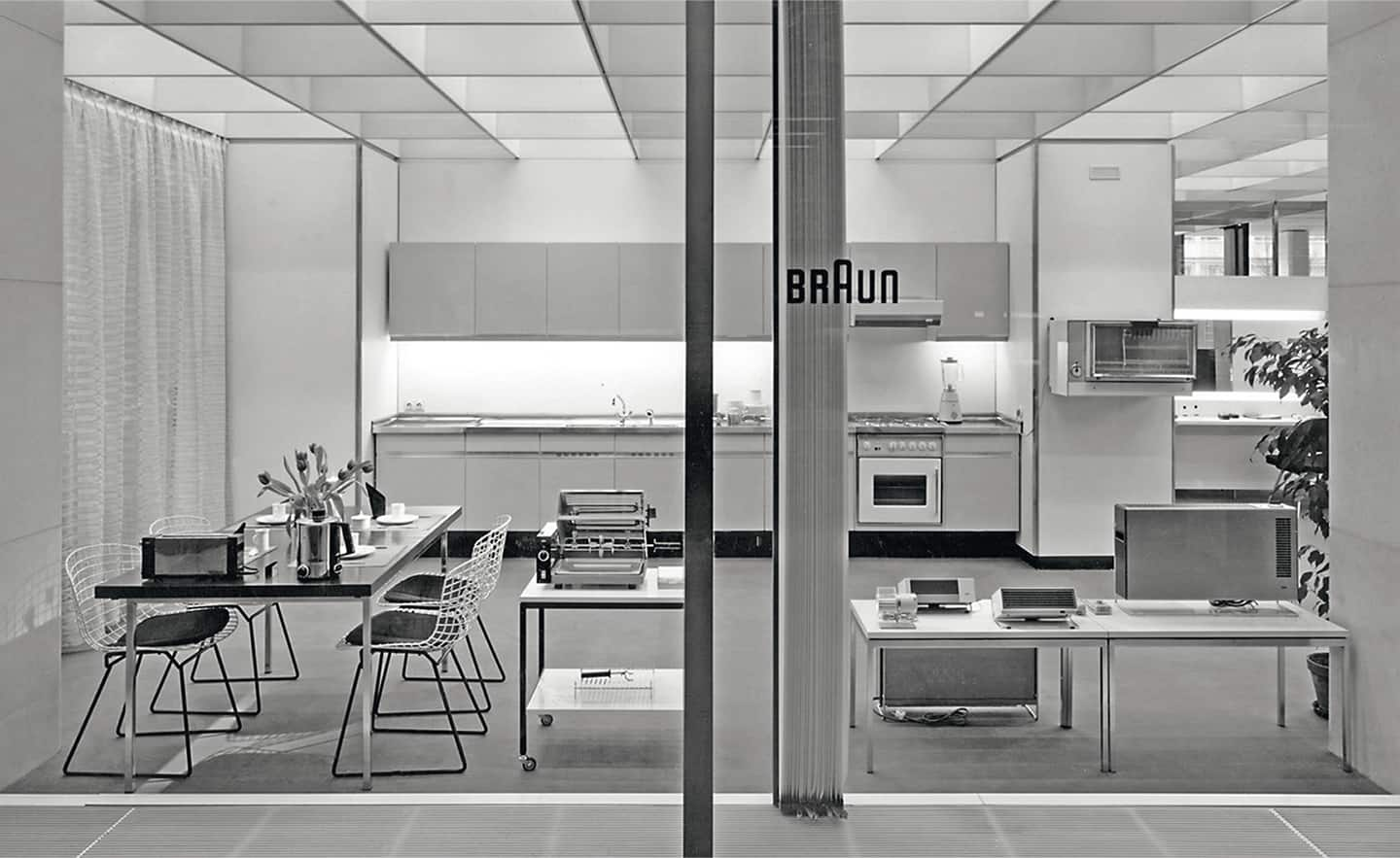
Hired as an architect for redesigning Braun’s office Dieter Rams became one of the leading designers, who developed Braun’s memorable design language and defined the 10 principles of good design, a design manual that is still relevant today.
1 Good design is innovative.
The possibilities for innovation are not, by any means, exhausted. Technological development is always offering new opportunities for innovative design.
2 Good design makes a product useful.
A product is bought to be used. It has to satisfy certain criteria, not only functional, but also psychological and aesthetic. Good design emphasises the usefulness of a product whilst disregarding anything that could possibly detract from it.
3 Good design is aesthetic.
The aesthetic quality of a product is integral to its usefulness because products we use every day affect our person and our well-being. But only well-executed objects can be beautiful.
4 Good design makes a product understandable.
It clarifies the product’s structure. Better still, it can make the product talk. At best, it is self-explanatory.
5 Good design is unobtrusive.
Products fulfilling a purpose are like tools. They are neither decorative objects nor works of art. Their design should therefore be both neutral and restrained, to leave room for the user’s self-expression.
6 Good design is honest.
It does not make a product more innovative, powerful or valuable than it really is. It does not attempt to manipulate the consumer with promises that cannot be kept.
7 Good design is long-lasting.
It avoids being fashionable and therefore never appears antiquated. Unlike fashionable design, it lasts many years - even in today’s throwaway society.
8 Good design is thorough to the last detail.
Nothing must be arbitrary or left to chance. Care and accuracy in the design process show respect towards the consumer.
9 Good design is environmentally friendly.
Design makes an important contribution to the preservation of the environment. It conserves resources and minimises physical and visual pollution throughout the lifecycle of the product.
10 Good design is as little design as possible.
Less, but better - because it concentrates on the essential aspects, and the products are not burdened with nonessentials. Back to purity, back to simplicity.
1953 | Braun fabriek
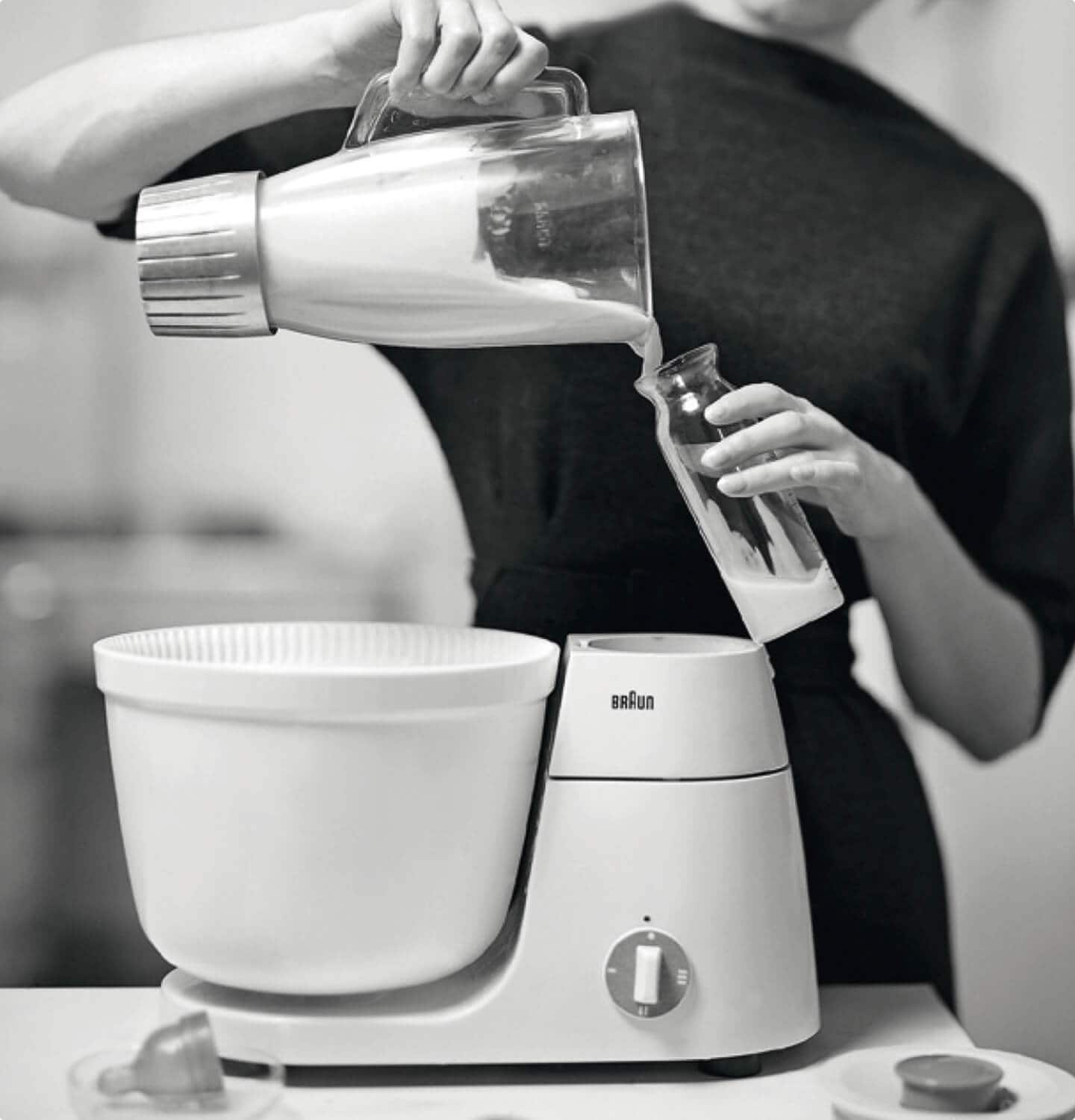
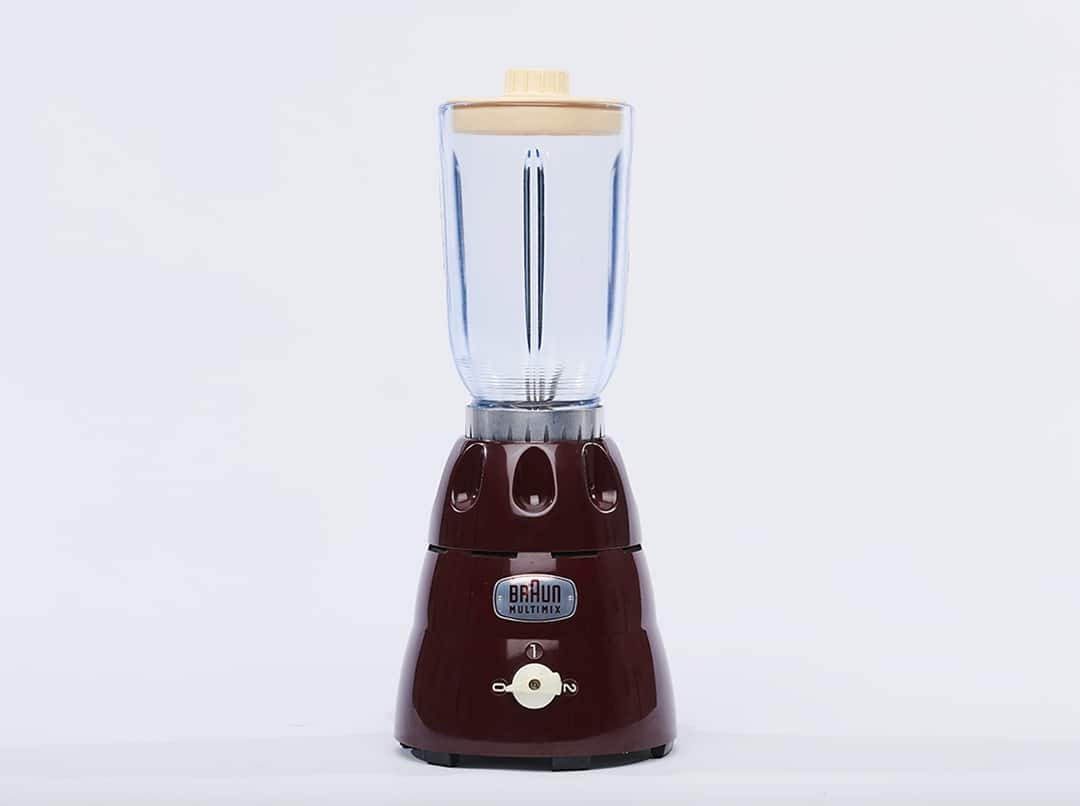
Braun Multimix Blender
In de jaren 50 werd de milkshake in het Westen populair, mede mogelijk gemaakt door de Multimix, de geavanceerde blender met afneembaar mengglas. Hij snijdt ingrediënten met industriële doeltreffendheid en wordt tegenwoordig nog volop gebruikt.
1957 | Gerd Alfred Müller
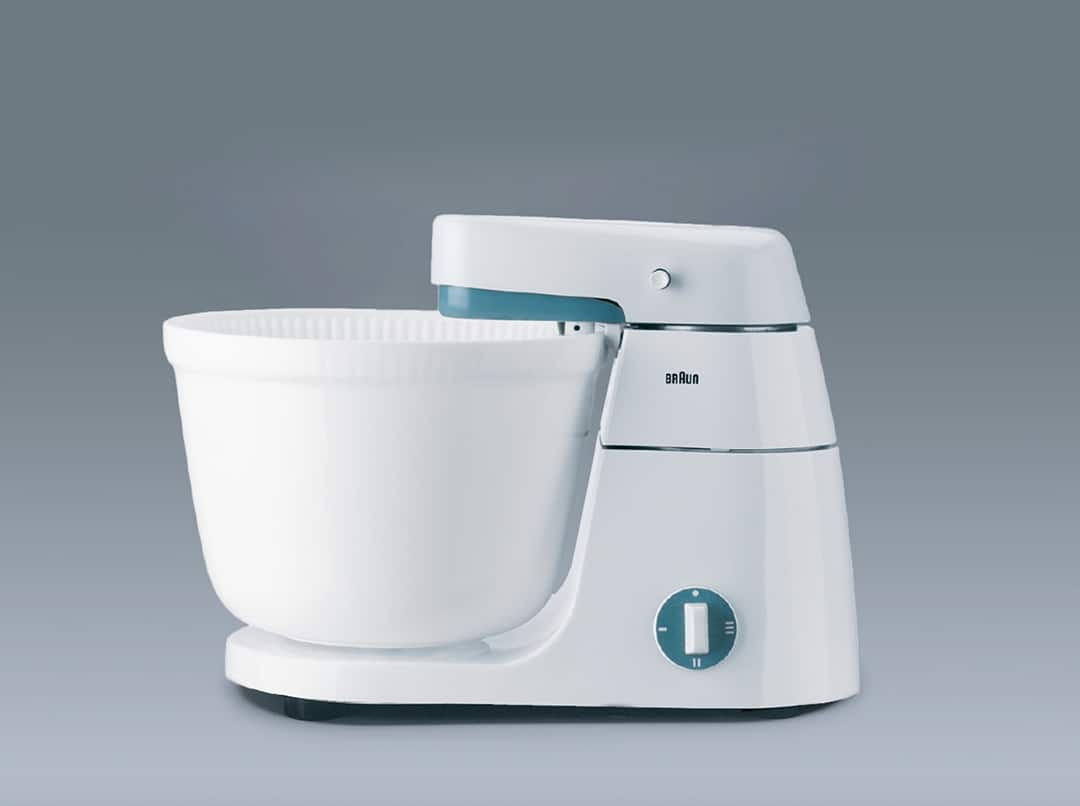
KM3/31
Een enorm invloedrijke blender of "foodprocessor" waaruit een hele nieuwe productcategorie ontstond: "keukenmachines" of keukenapparaten. Met zijn eenvoudige ontwerp was het een van de meest invloedrijke industriële producten aller tijden.
1963 | Reinhold Weiss
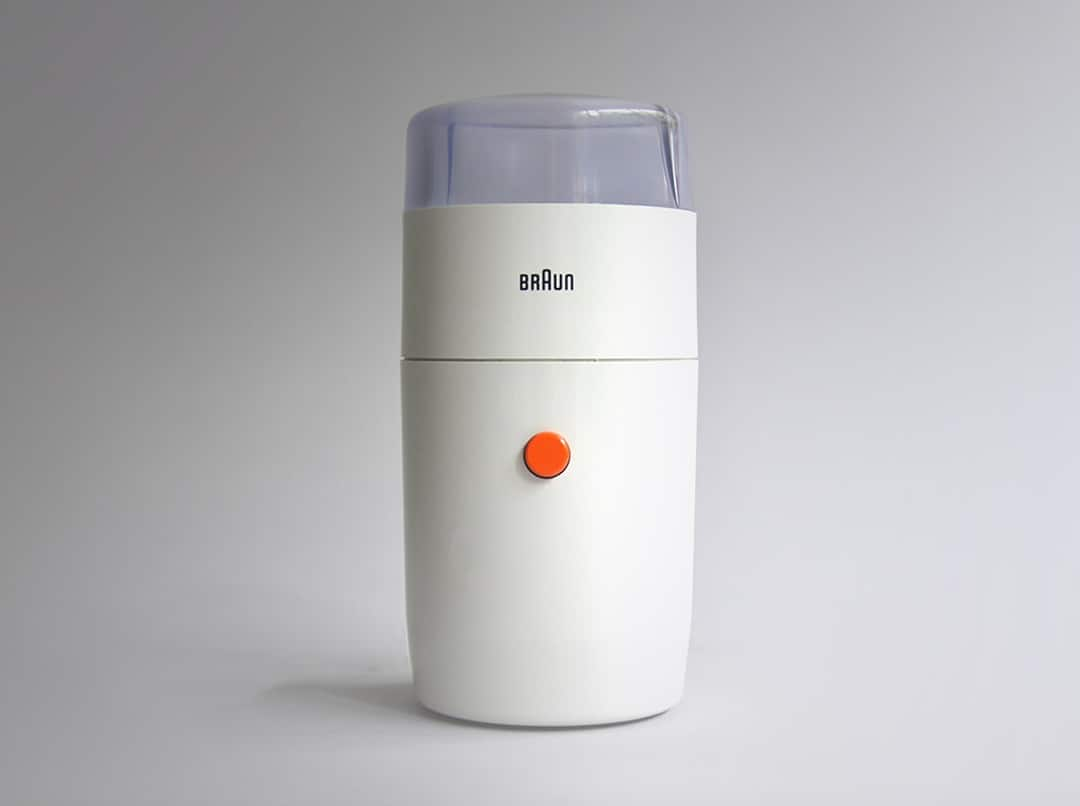
KSM 1/11
Design kan bijna niet minimalistischer: een koffiemolen die zo speciaal werd ontwikkeld, dat het slechts één centraal geplaatste knop nodig had om te functioneren. Fijngemalen bonen in een handomdraai.
1963 | Reinhold Weiss
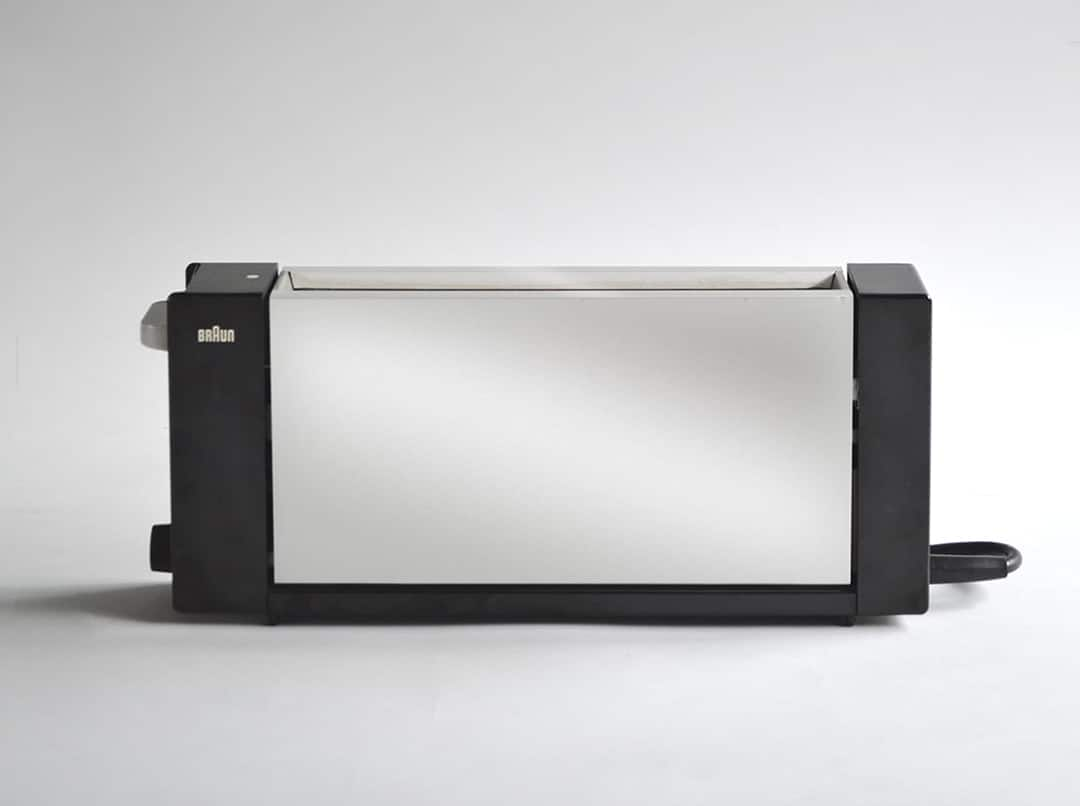
HT 2
Het slanke, gereduceerde ontwerp van deze broodrooster was zo’n inspiratie voor de beroemde kunstenaar Richard Hamilton, dat hij er een van zijn kunstwerken (toepasselijk ‘Toaster’ genoemd) op baseerde. En het roosterde het brood natuurlijk perfect.
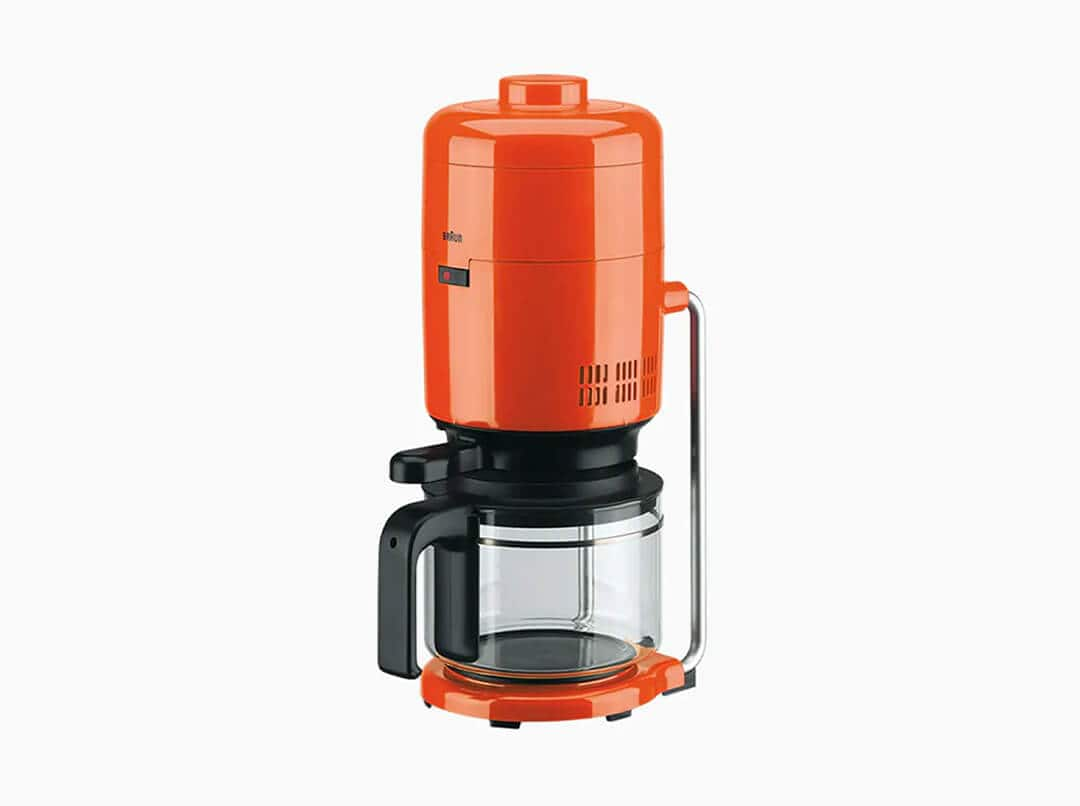
1972 | Florian Seiffert
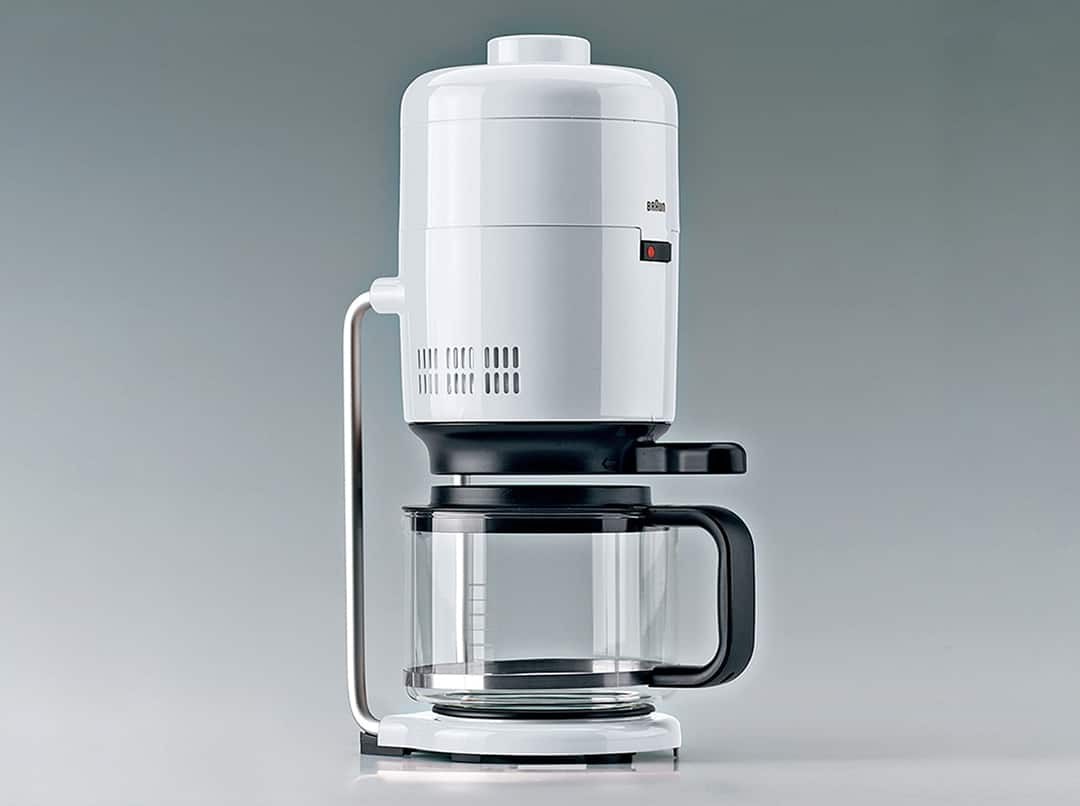
KF 20
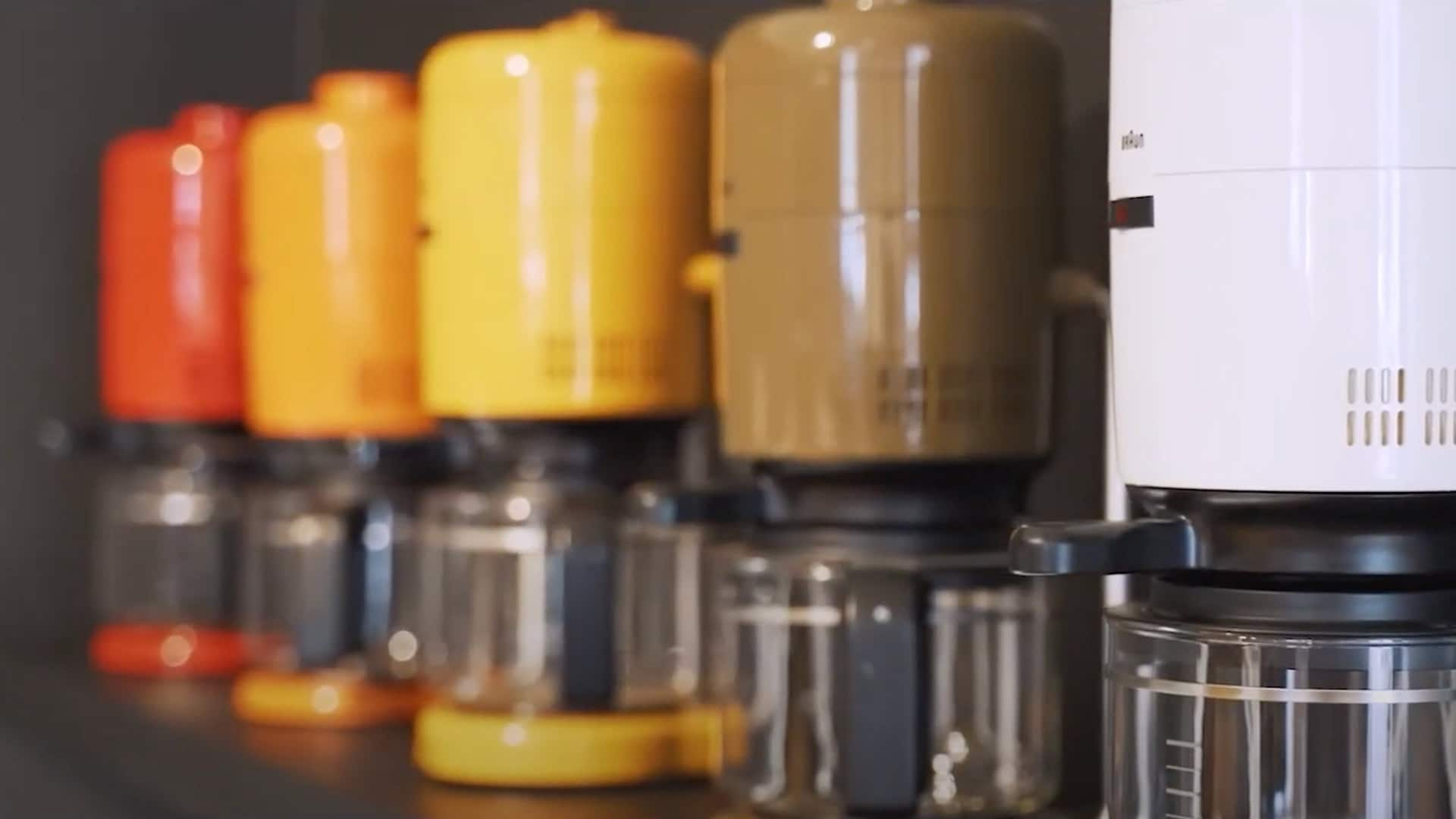
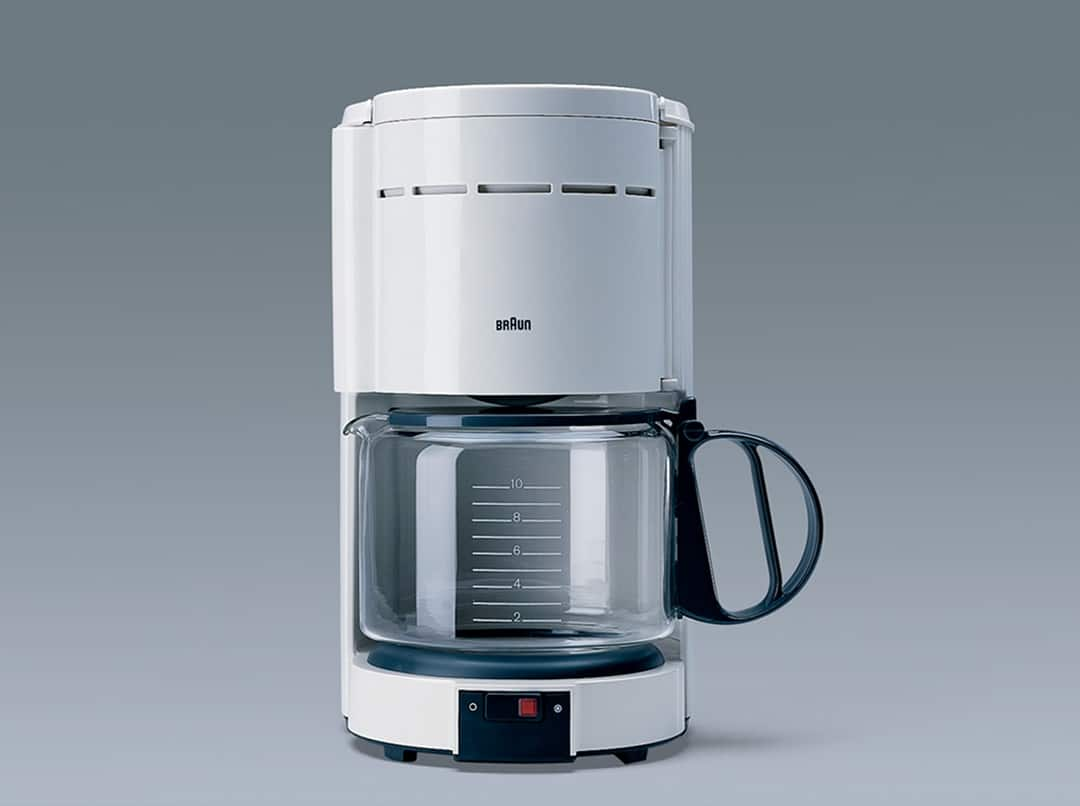
With a stacked, vertical design that resembled a water tower, the KF 20 was known as the Aromaster. Instantly recognizable for its unconventional shape, this coffee maker added a touch of the extraordinary to everyday morning filter coffee.
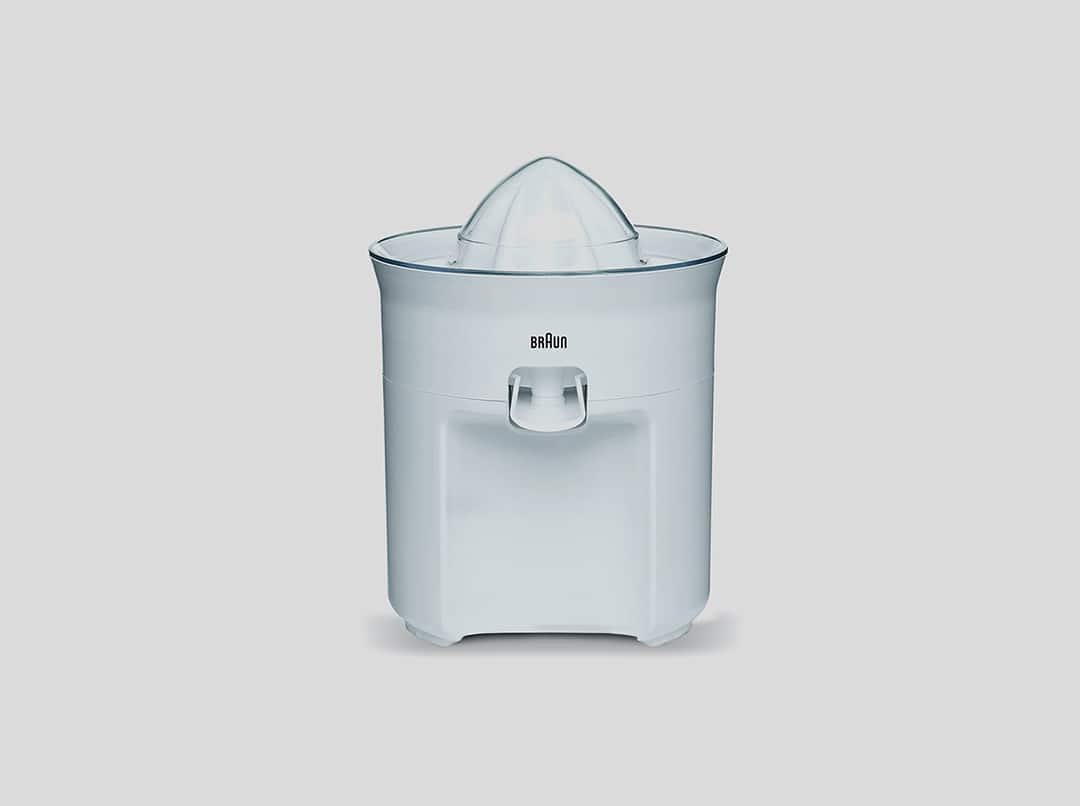
1972 | Jürgen Greubel, Dieter Rams
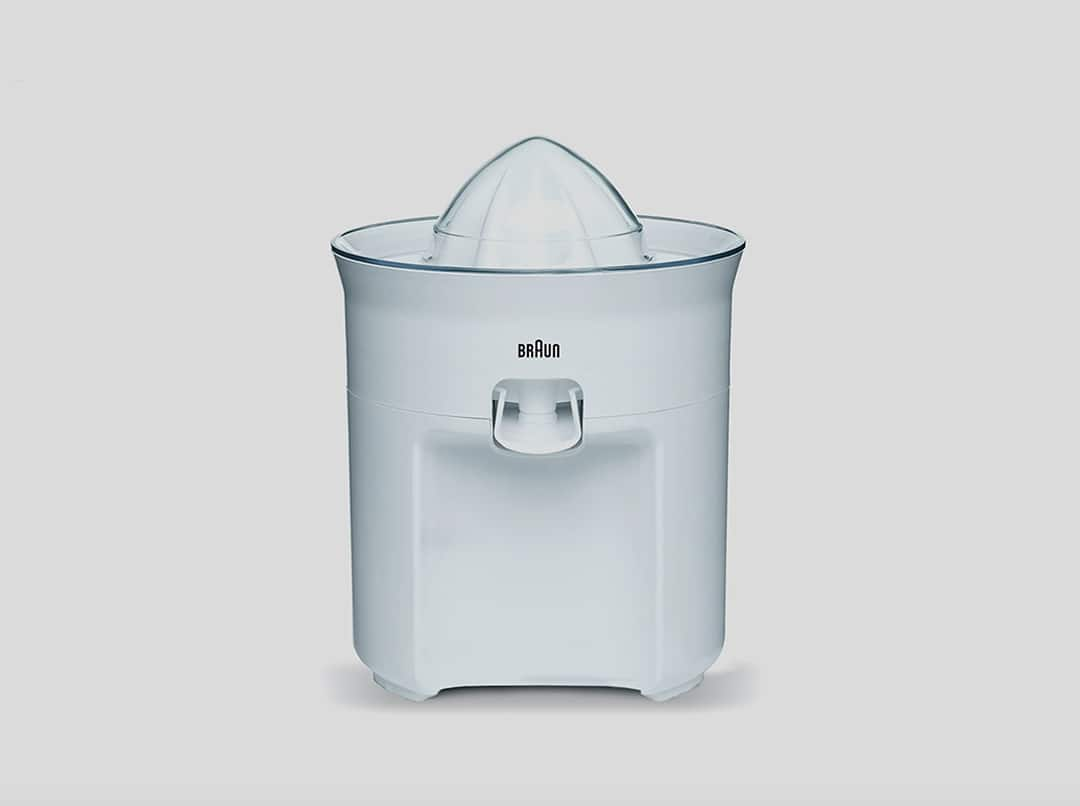
MPZ 22
This electric juicer, also known as the citromatic, was a dependable and incredibly easy-to-clean staple of kitchens across the world for decades. It took over two decades before Braun decided an update to the original design was due.
1981 | Ludwig Littmann
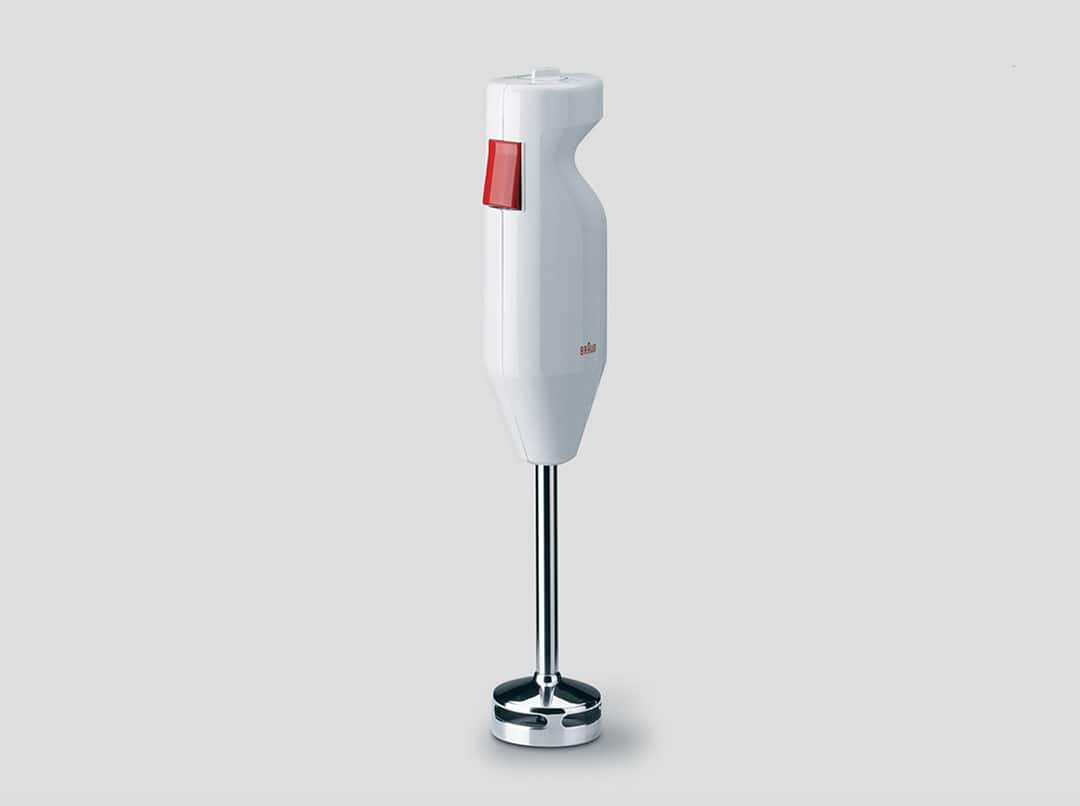
MR 6
A precursor of the more sophisticated MR 500, the MR 6 was sturdy and tough, meaning it could blend foods that other products couldn't handle. An important stepping stone on the way to perfecting the handheld blender.
1984 | Hartwig Kahlcke
KF 40
Dit koffiezetapparaat was nogal controversieel binnen Braun, omdat het van kostenefficiënt polypropyleen in plaats van het stevigere polycarbonaat was. Het golvende oppervlak van de KF 40 was een ontwerpoplossing was die Dieter Rams heeft overtuigd.
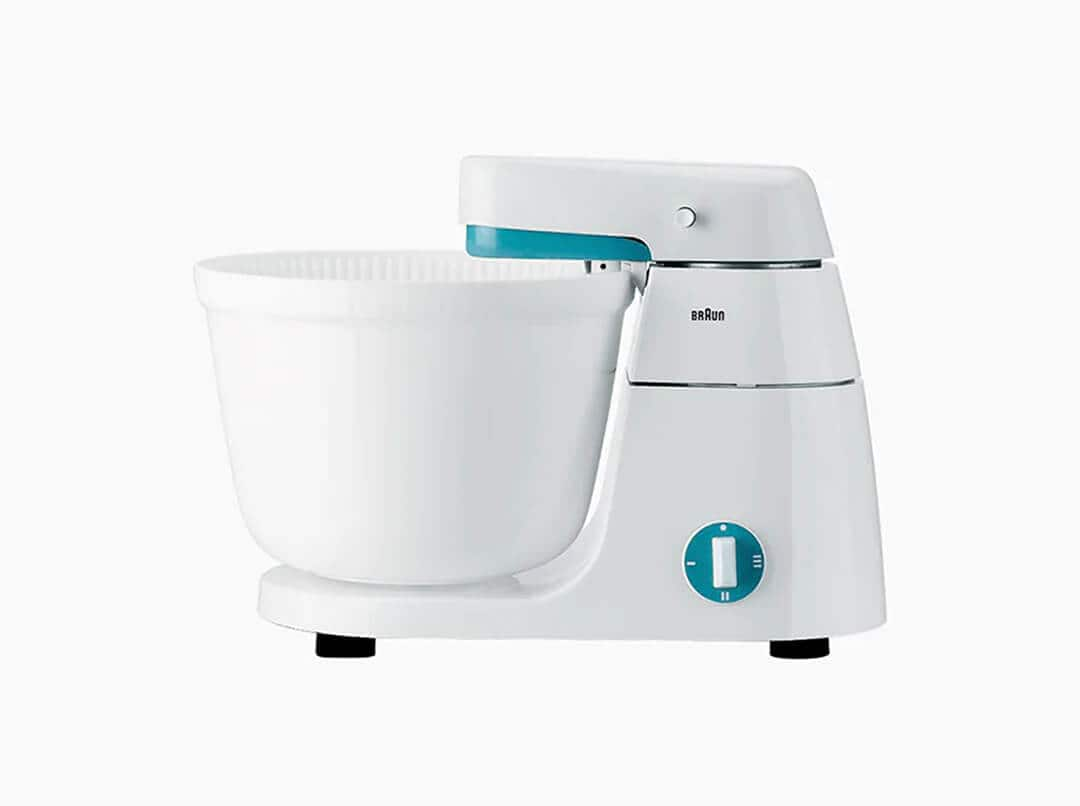
2013 | Markus Orthey, Ludwig Littmann
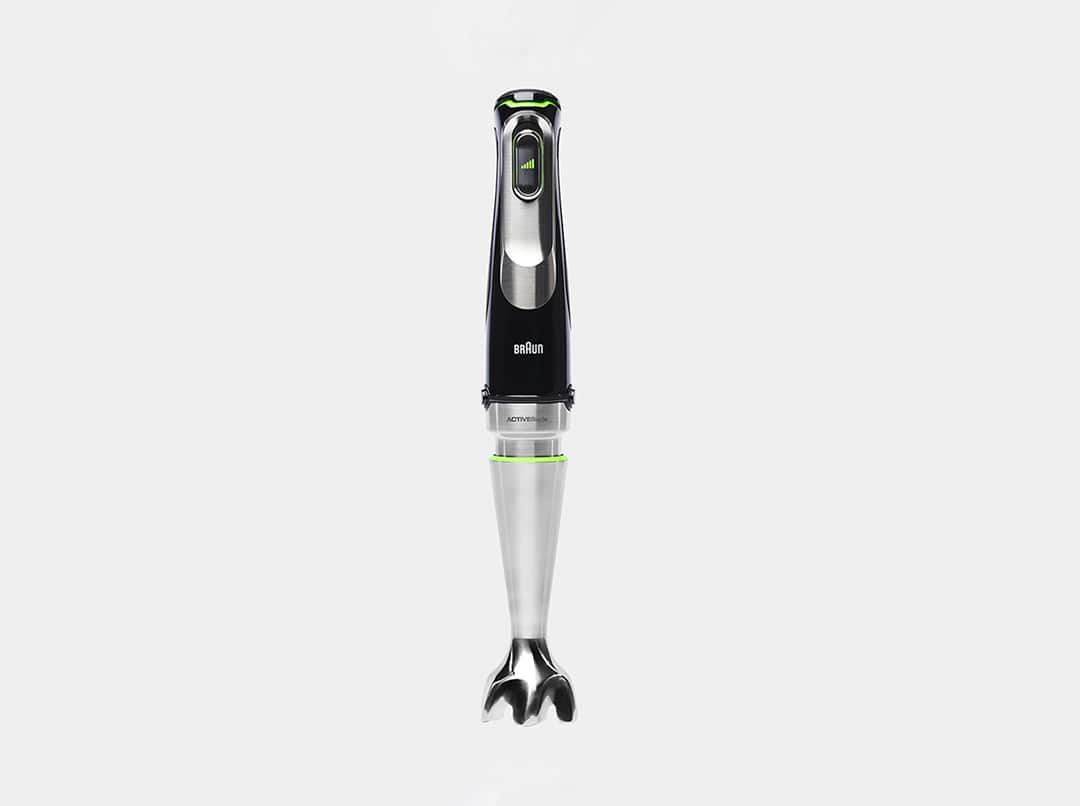
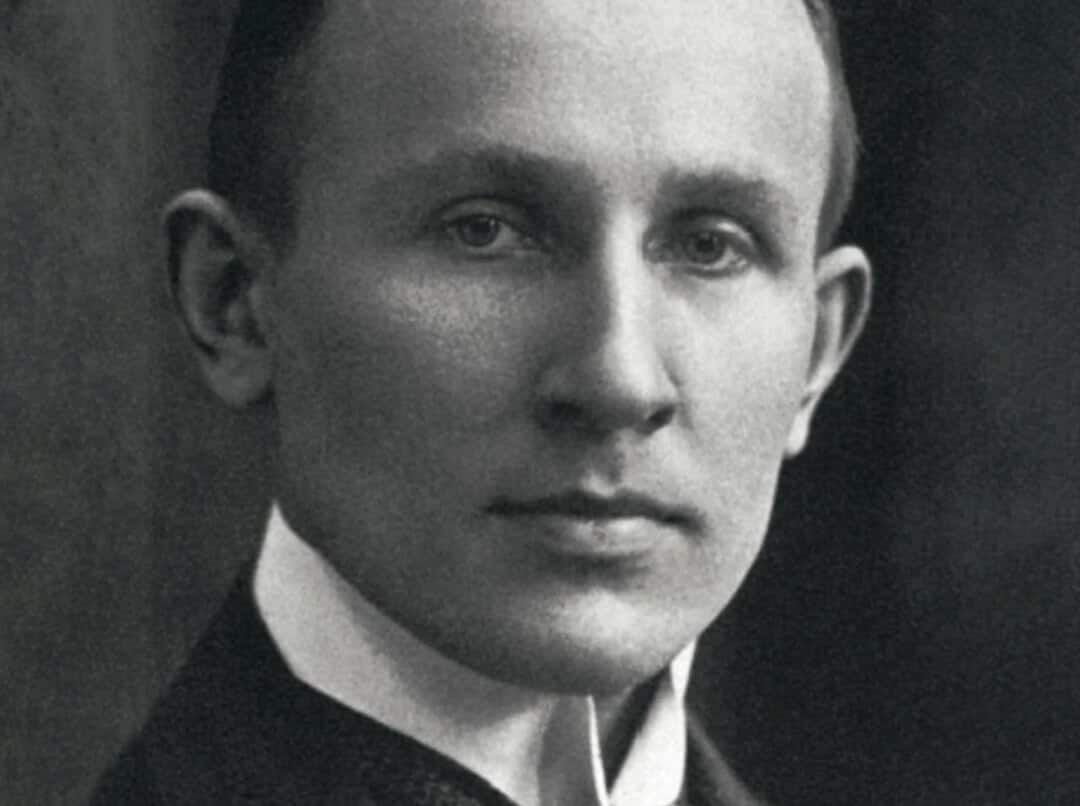
MultiQuick 9
Een allround blender die de functionaliteiten van veel grotere apparaten heeft gecombineerd in een eenvoudige, handige 'staaf'. De definitie van gereduceerd ontwerp: compact, maar toch krachtig.
België
Klik hier om naar de wereldwijde website te gaan.