Country preference? Choose the preferred country to view local content and get a better experience.

en-NavCard-hand-blender-1080x720 (1).jpg

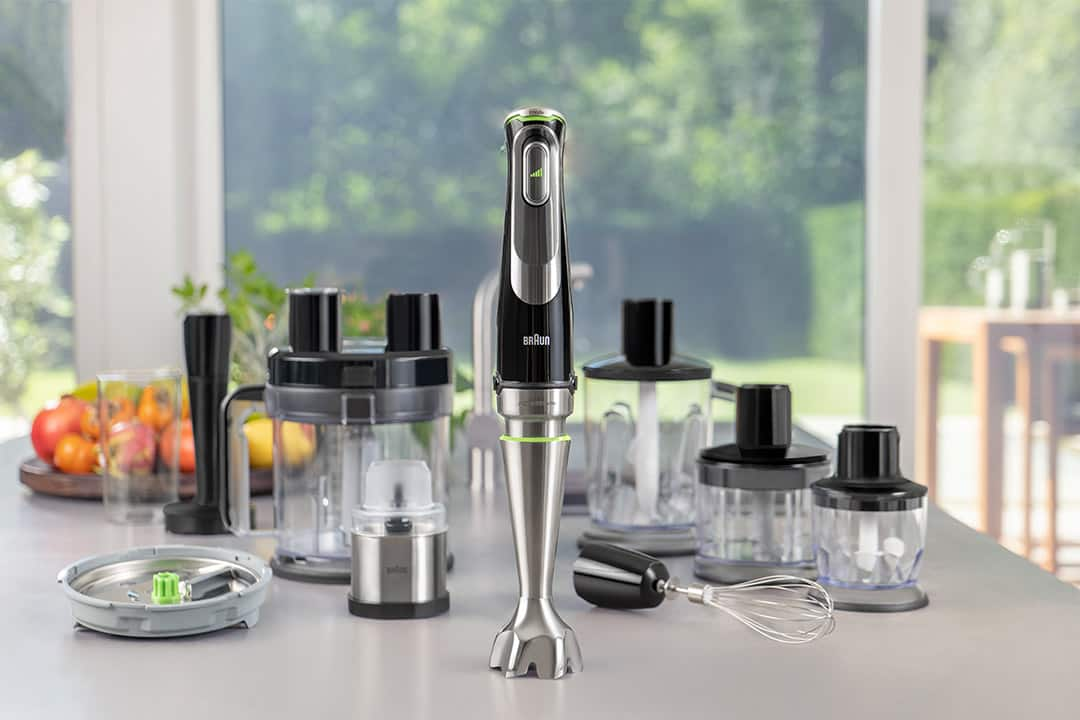
Braun MultiQuick System

The world’s largest attachment system* for unlimited versatility.

Learn more
br_en_NavNode_Breakfast_Node_Coffee-makers_1080x720.jpg

en-navnod-braun-food-preparation-1080x720.jpg

br_en_NavNode_FoodPrep_Node_HB-Attachments_1080x720.jpg

en-NavCard-jug-blender-1080x720.jpg

en-NavCard-food-processors-1080x720.jpg

en-NavCard-hand-mixer-1080x720.jpg

en-NavCard-get-inspired-1080x720.jpg

Mai puțină risipă de alimente

Zero deșeuri: păstrați alimentele proaspete și fiți creativ cu resturile.

zero-waste_header.jpg
Imprimer

Cantități uriașe de alimente ajung la coș în fiecare zi. Planificarea cumpărăturilor, depozitarea corectă și adoptarea unei abordări mai conștiente a ceea ce mâncați pot ajuta la reducerea risipei de alimente. Chiar și modificările mici pot ajuta la reducerea deșeurilor sau chiar la evitarea lor completă. Dar nimeni nu este perfect: nu trebuie să obținem imediat un stil de viață zero deșeuri, trebuie doar să începem cu toții. Dotat cu câteva trucuri pentru a păstra fructele, legumele și alte produse prețioase proaspete și chiar pentru a revitaliza câteva lucruri care nu mai sunt în cea mai bună formă, puteți reduce risipa de alimente la minimum sau chiar o puteți elimina în întregime. De ce să nu începeți să fiți creativi cu resturile dvs.?

Păstrarea alimentelor proaspete: Cum să păstrați alimentele și să vă asigurați că acestea rămân proaspete mai mult timp?

Prin refrigerarea, congelarea și conservarea alimentelor, le puteți prelungi termenul de valabilitate și puteți preveni aruncarea lor.

zero-waste_slider-1_best-before-dates_card-1.jpg

Date înainte de care este preferabil să fie consumate

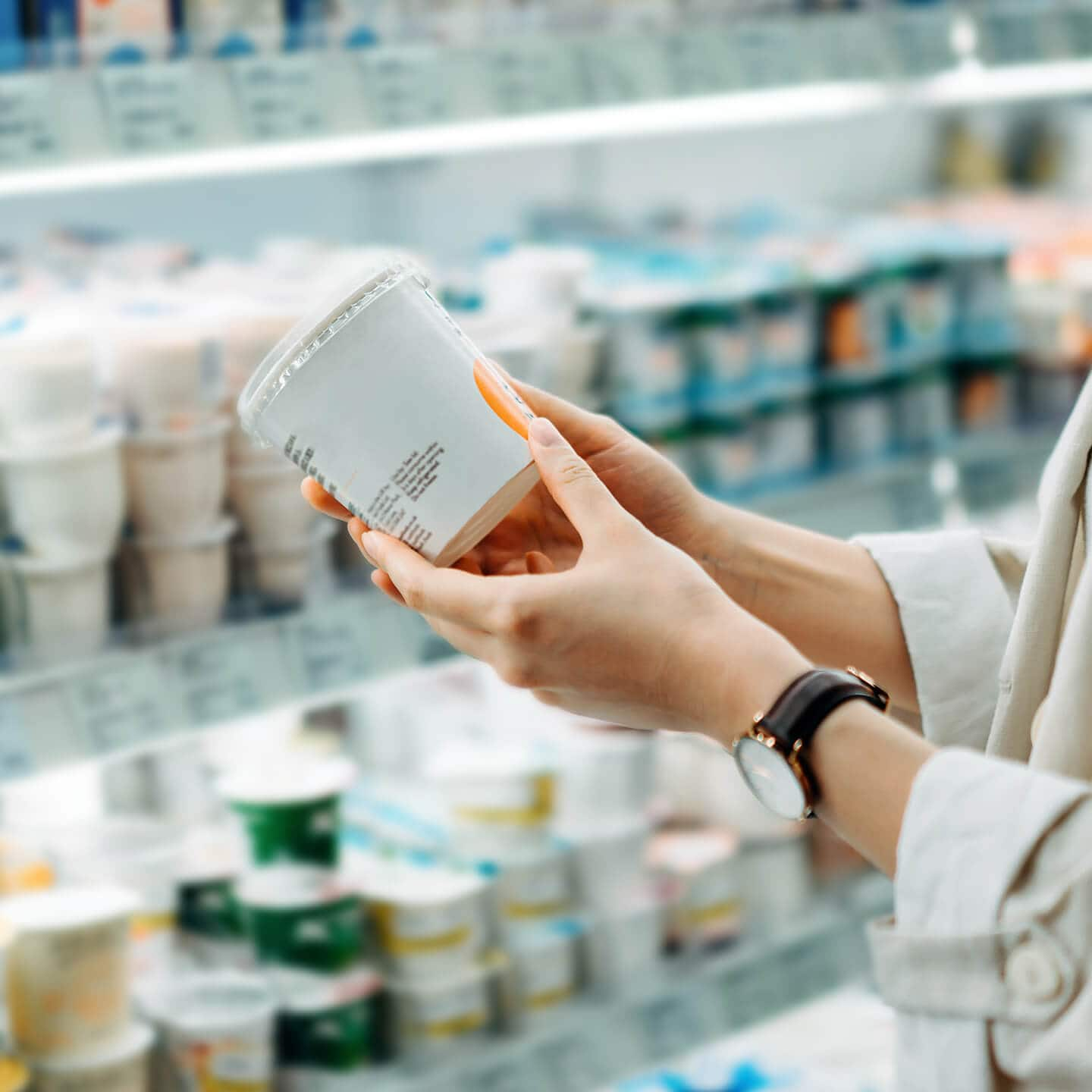
Datele înainte de care este preferabil să fie consumate sunt o recomandare - sunt foarte diferite de termenele de expirare

Doar pentru că un iaurt a depășit cu câteva zile data înainte de care este preferabil sa fie consumat (BBD), asta nu înseamnă că nu puteți să îl mâncați și să vă bucurați de el. Această dată este pur și simplu o garanție din partea producătorului care afirmă că, atunci când este depozitat corespunzător, un produs își va păstra aroma și valoarea nutritivă până atunci. Nu ar trebui să consumați produse preparate refrigerate, cum ar fi paste proaspete sau cârnați, mult timp după data înainte de care este preferabil să fie consumate. Ele pot conține germeni pe care nu îi puteți vedea, mirosi sau gusta, dar care vă pot îmbolnăvi. Dacă aveți îndoieli, cel mai bine este să le aruncați. Același lucru este valabil și pentru produsele ușor perisabile, care de obicei vor avea o dată de expirare pe ambalaj. După această dată, mărfurile perisabile ar trebui să meargă la coșul de gunoi.
zero-waste_slider-1_storing-and-chilling_card-2.jpg

Depozitare și refrigerare

Principiul FiFo și zonele de temperatură din frigider

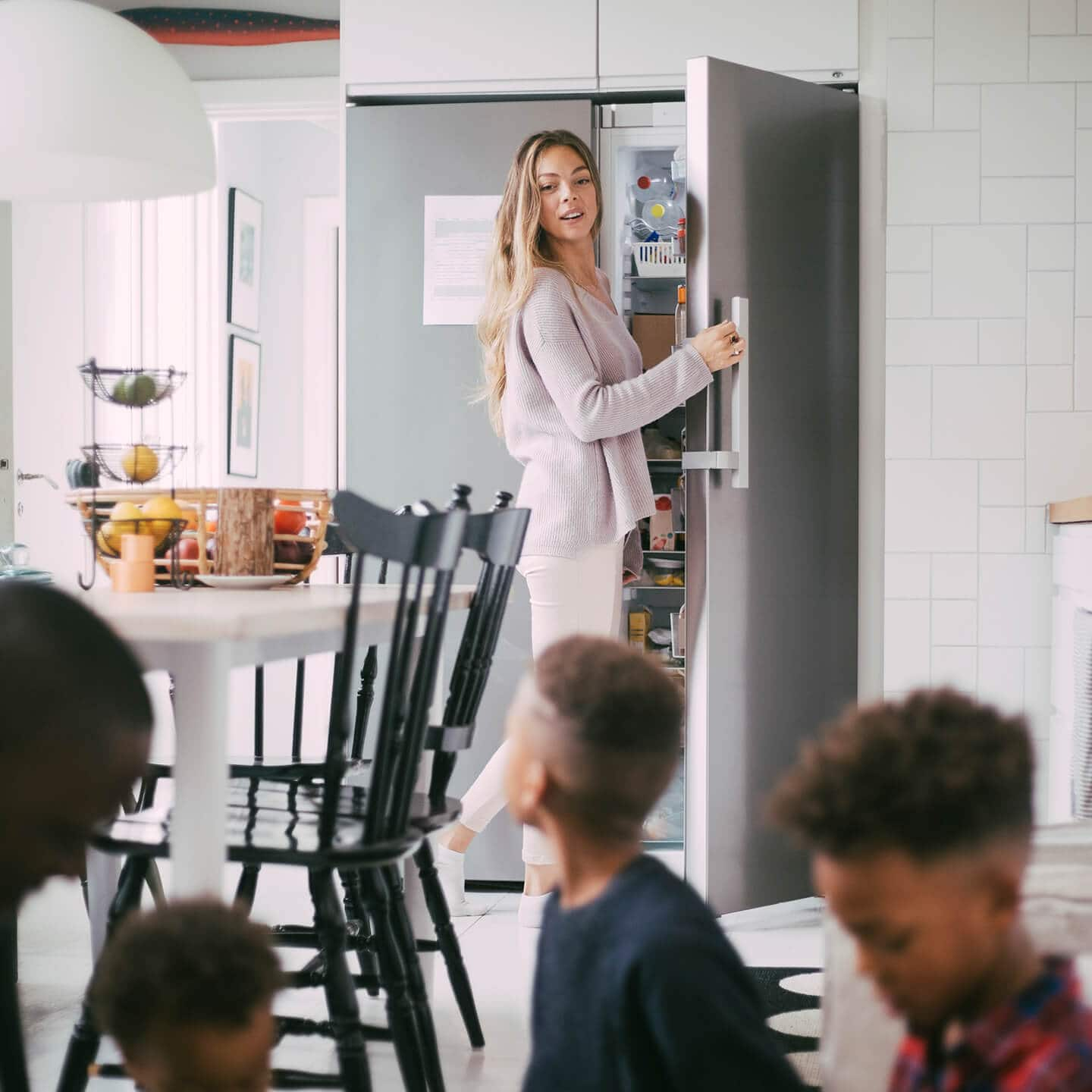
Puneți alimentele noi în spate, aduceți alimentele mai vechi în față. Principiul „FiFo” (primul intrat, primul ieșit) vă poate ajuta să urmăriți ceea ce este proaspăt și ce nu este. De asemenea, este util să știți că frigiderele au zone de temperatură diferite. Deasupra sertarului pentru legume, cu cât raftul este mai sus, cu atât va fi mai cald. Raftul cel mai de jos, chiar deasupra celui pentru legume, va fi cel mai rece. Ușa frigiderului se încălzește cel mai mult când este deschisă. Așadar, pentru a ajuta alimentele din frigider să rămână proaspete cât mai mult timp posibil, asigurați-vă că le puneți pe raftul potrivit. Puteți afla mai multe despre acest lucru în „Depozitarea corectă a alimentelor”
zero-waste_slider-1_freezing_card-3.jpg

Congelare

La ce să fiți atent în congelatorul dvs.

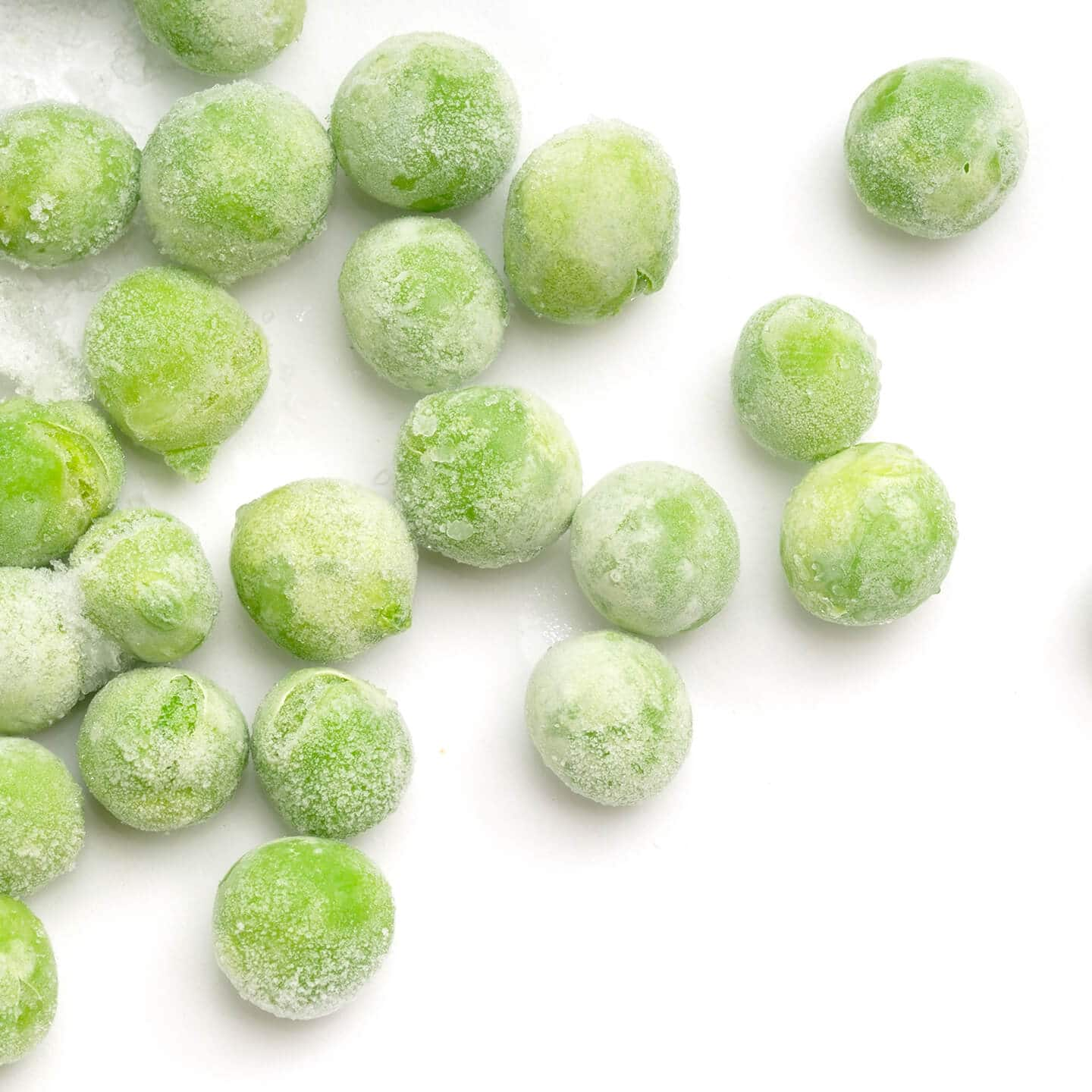
Microorganismele nu se pot reproduce la fel de repede la temperaturi scăzute. Din acest motiv, cel mai bun mod de a păstra alimentele proaspete este să le congelați. Iată câteva reguli pentru congelarea eficientă a alimentelor:
 

  • Transportați produsele congelate în pungi frigorifice sau cutii izolante pentru alimente pentru a evita ruperea lanțului frigorific.
     
  • Dezghețați produsele congelate în frigider și asigurați-vă că colectați apa de dezghețare pentru a păstra igiena.
     
  • Congelați alimentele în porții, astfel încât să puteți dezgheța întotdeauna cantitatea potrivită.
    ​​​​​​​
  • Congelați întotdeauna alimentele în pungi de congelare pentru a preveni uscarea sau pierderea aromei.
     
  • Asigurați-vă că notați data pe pungile congelatorului - nu toate alimentele rămân proaspete în congelator pentru aceeași perioadă de timp.
     
zero-waste_slider-1_preserves_card-4.jpg

Conserve

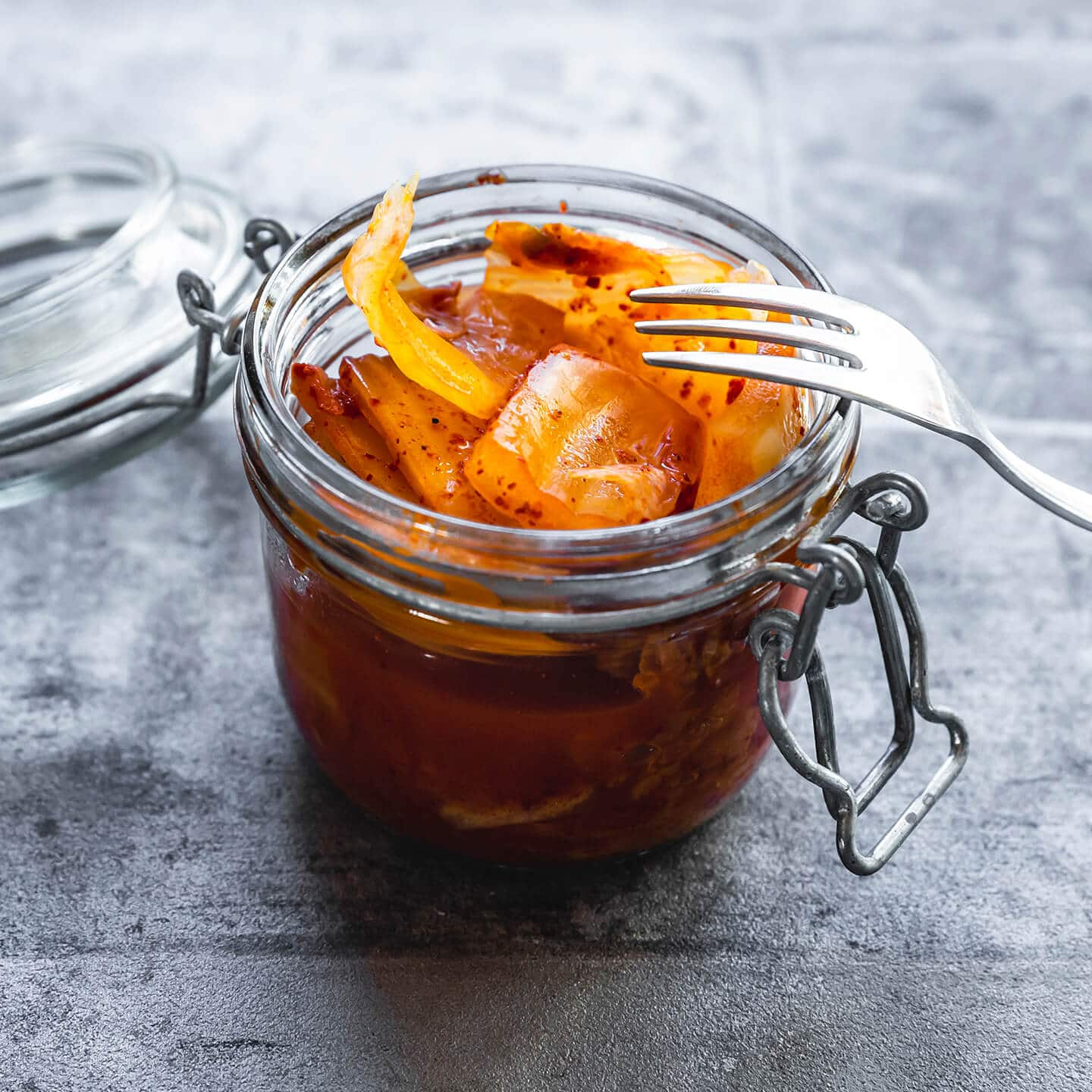
Conservare, murare și fermentare

Da, s-ar putea să fie ceva ce făcea bunica dvs., dar arta conservării, murării și fermentației este în tendințe acum! Aceste metode vă permit să păstrați alimentele într-un loc răcoros, uscat, ferit de lumina directă a soarelui, timp de până la un an. Etichetați întotdeauna alimentele proaspăt conservate cu data și puneți-le în spatele dulapului sau cămară, astfel încât să utilizați mai întâi produsele mai vechi. Amintiți-vă că cel mai bine este să aruncați conservele și murăturile dacă capacul este slăbit, lichidul este tulbure sau decolorat sau dacă au un miros nenatural.
zero-waste_slider-1_preserving_card-5.jpg

Conservare

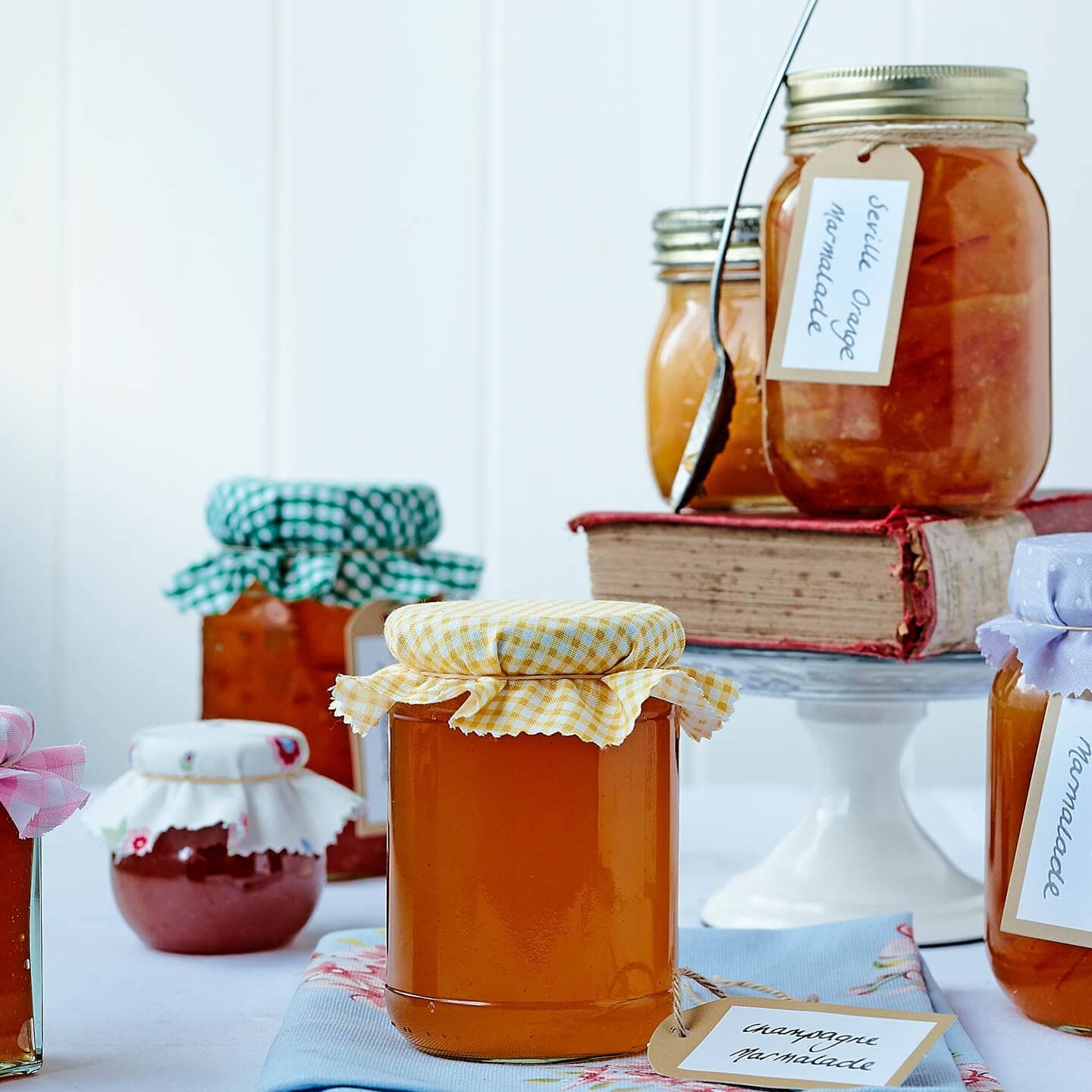
Conservarea alimentelor în borcane de sticlă

Puteți conserva aproape orice, chiar și carne sau cârnați. Desigur, alimentele trebuie să fie proaspete și nedeteriorate atunci când faceți asta. Fructele trebuie să fie crude, iar legumele trebuie să fie crude și albite. De fapt, este destul de simplu... strat de produse spălate și pregătite într-un borcan de sticlă curat, care are fie un capac cu clips, fie un capac cu șurub și acoperit cu lichid. Puneți borcanele de sticlă într-o oală, asigurându-vă că nu se ating. Umpleți oala cu suficientă apă, astfel încât să ajungă la aproximativ trei sferturi din înălțimea borcanelor și apoi încălziți oala până când apa ajunge la 75-120 °C. În funcție de alimente, ar trebui să le țineți la această temperatură între 10 minute și 2 ore. Mai târziu, pe măsură ce borcanele de sticlă se răcesc, în interiorul lor se formează un vid care menține capacul etanș. Ar trebui să repetați etapa de gătit încă o dată când conservați mazărea, fasolea și ciupercile.
zero-waste_slider-1_pickling_card-6.jpg

Murare

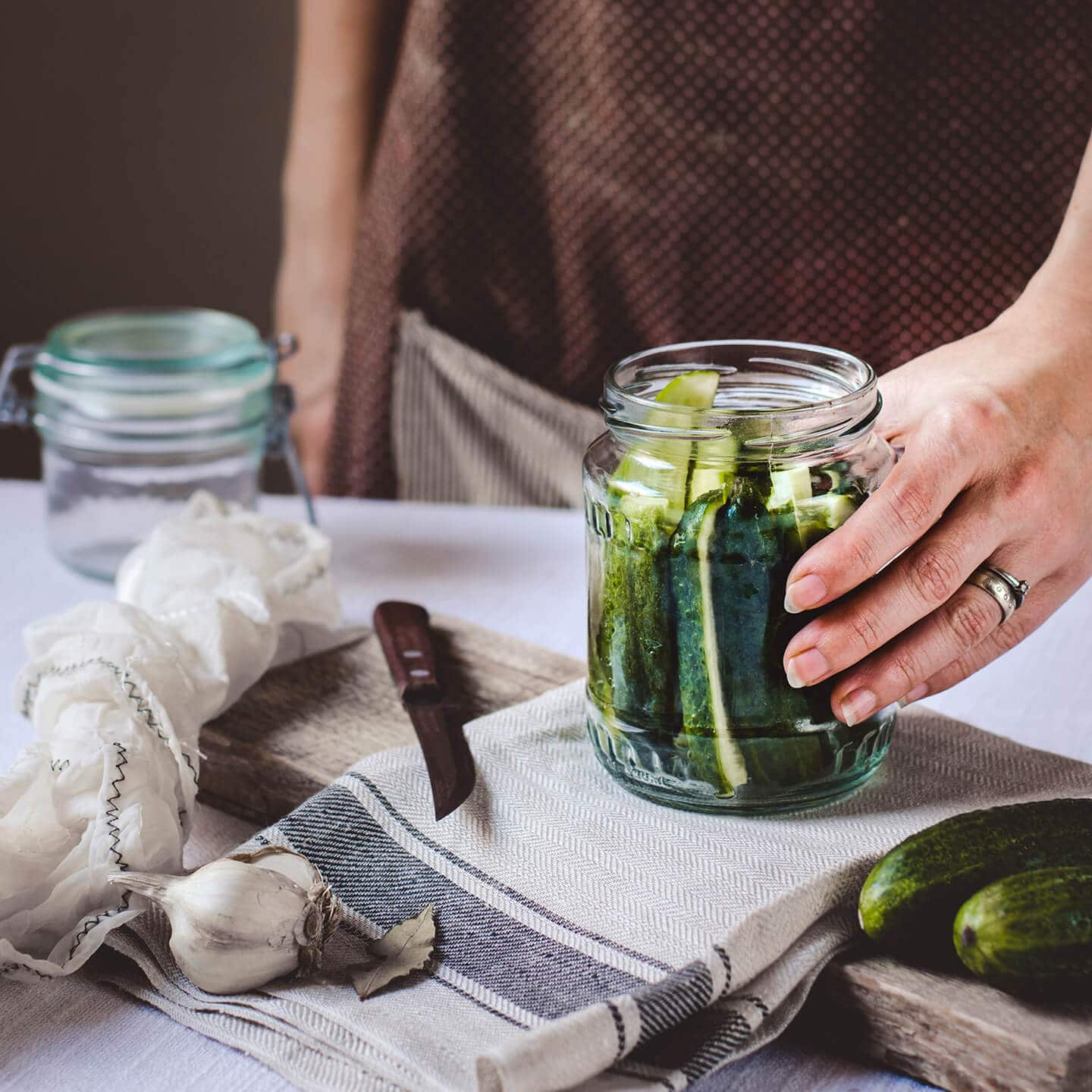
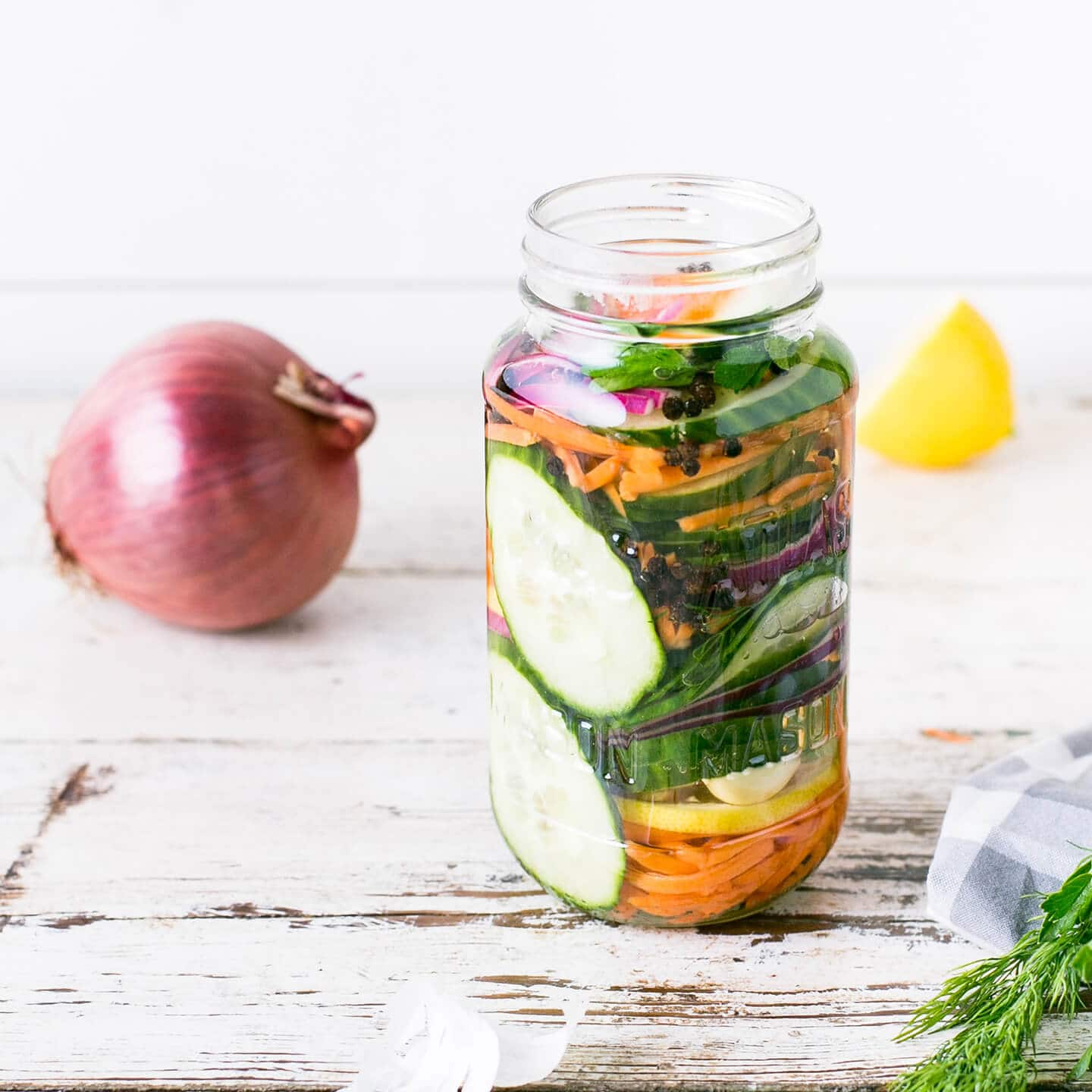
Murarea alimentelor în borcane de sticlă

Dacă vreți să încercați ceva nou, de ce să nu vă testați abilitățile culinare cu morcovi, fasole verde, sfeclă roșie sau ardei? Acestea sunt deosebit de potrivite pentru murare. Pentru a mura un kilogram de legume, va trebui să folosiți o jumătate de litru de oțet (5%) și până la jumătate de litru de apă care conține condimente. Se încălzește lichidul de murat și se toarnă în borcanele de sticlă, se lasă la răcit, apoi se încălzește din nou lichidul și se toarnă peste legume. Lichidul ar trebui să acopere legumele cu lățimea a câteva degete. Ar trebui să le lăsați la murat timp de 4 până la 6 săptămâni, după care alimentele murate se vor păstra încă 3-12 luni.
zero-waste_slider-1_fermenting_card-7.jpg

Fermenting

Fermenting food in glass jars

Fermentation is an age-old method for preserving food and is used to this day to make sauerkraut. For some people, fermented foods are more digestible, for example. Enzymes and microorganisms break down the sugars in the vegetables in a multiple-stage process. This produces both the lactic and acetic acids that give fermented vegetables their typical flavour and stop them from perishing. Ripe vegetables are ideally suited to fermentation. It’s actually quite simple… before you start fermenting, you need to grate, slice or shred the vegetables. Then add the grated, sliced or shredded vegetables to a glass jar, fill with a 5% brine, and leave for a few days or weeks to pickle. If the jar remains well sealed, the fermented vegetables can keep for several months.

Reviving old food

Even when stored correctly, some foods rapidly lose their freshness and take on a chewy or dry, crispy consistency. There’s no need to throw these foods away, though. Here’s how you can refreshen old food in your stock.

zero-waste_slider-2_lettuce-and-herbs_card-1.jpg

Lettuce & herbs

Refreshing salad leaves and herbs

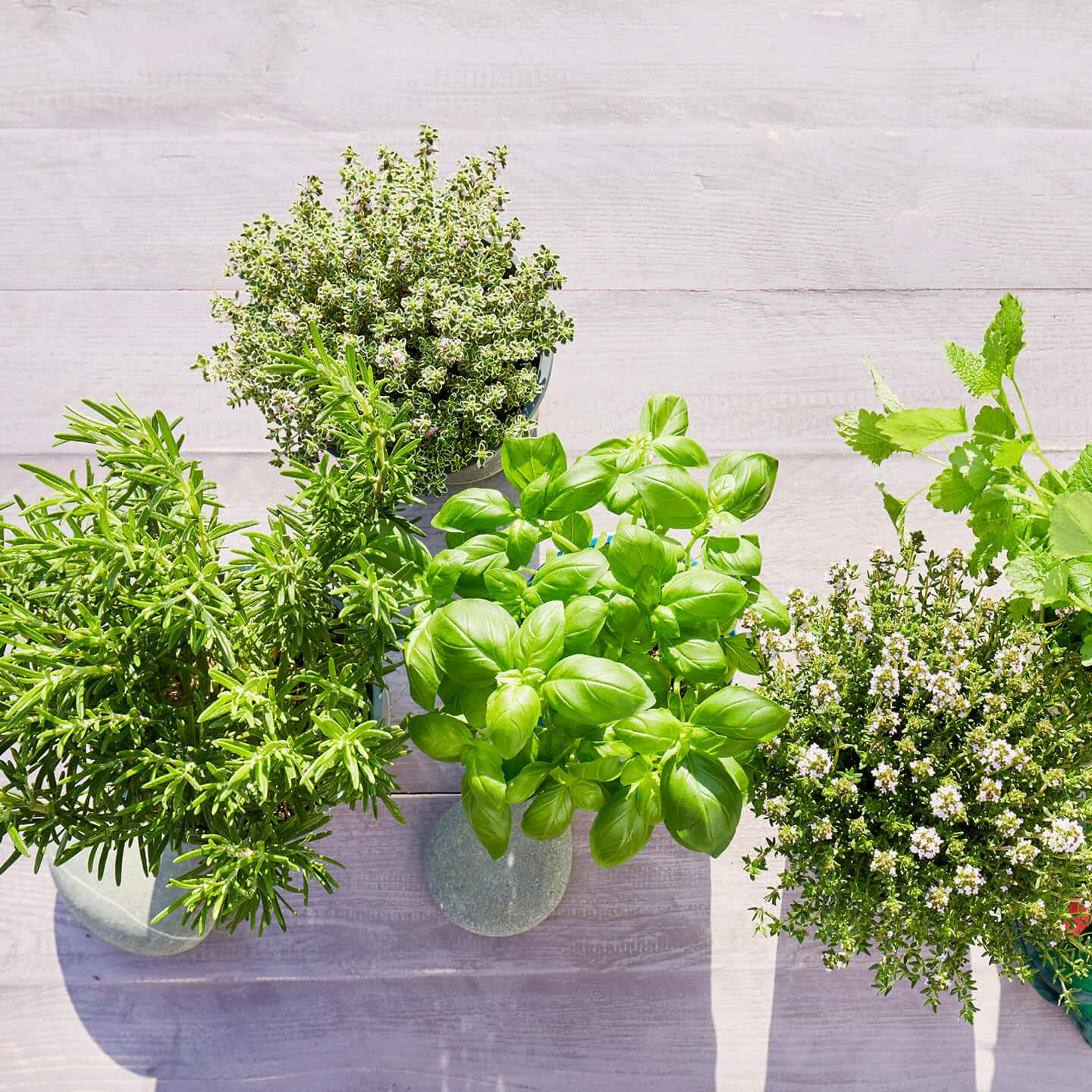
If you want to refresh wilting lettuce, simply sit it in cold water for a little while. This will make the leaves crisp again. You can also heat some firmer varieties of lettuce, such as raddichio, romaine lettuce and chicory. To revive herbs that have become limp, simply cut them as you would do it with flowers and place them in a glass with water. They’ll soon perk up again! You can also use wilted herbs to make pesto or freeze them in oil in ice-cube trays.
zero-waste_slider-2_carrots-and-co_card-2.jpg

Carrots & co.

Putting the bite back into root vegetables

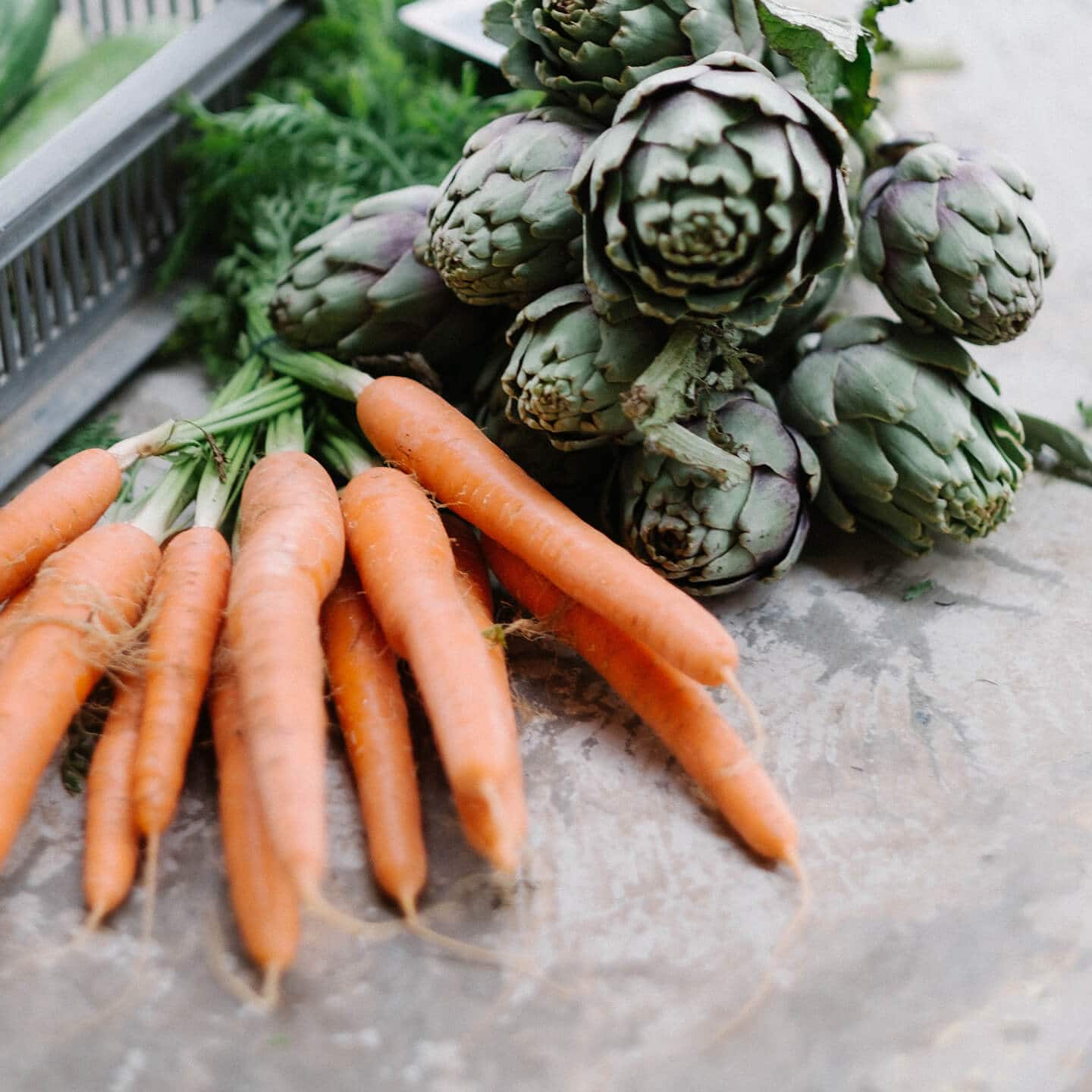
Just like lettuce and herbs, root vegetables such as carrots, radishes and beetroot just need to be given a little water to bring them back to life. However, it can sometimes take rather longer. Ideally, you should leave the root vegetables in a container with water for several hours or overnight – preferably in the fridge. Alternatively, you could wrap them in a damp tea towel. They will absorb the water and regain their crunch.
zero-waste_slider-2_fruit_card-3.jpg

Fruit

Fruit – an exception

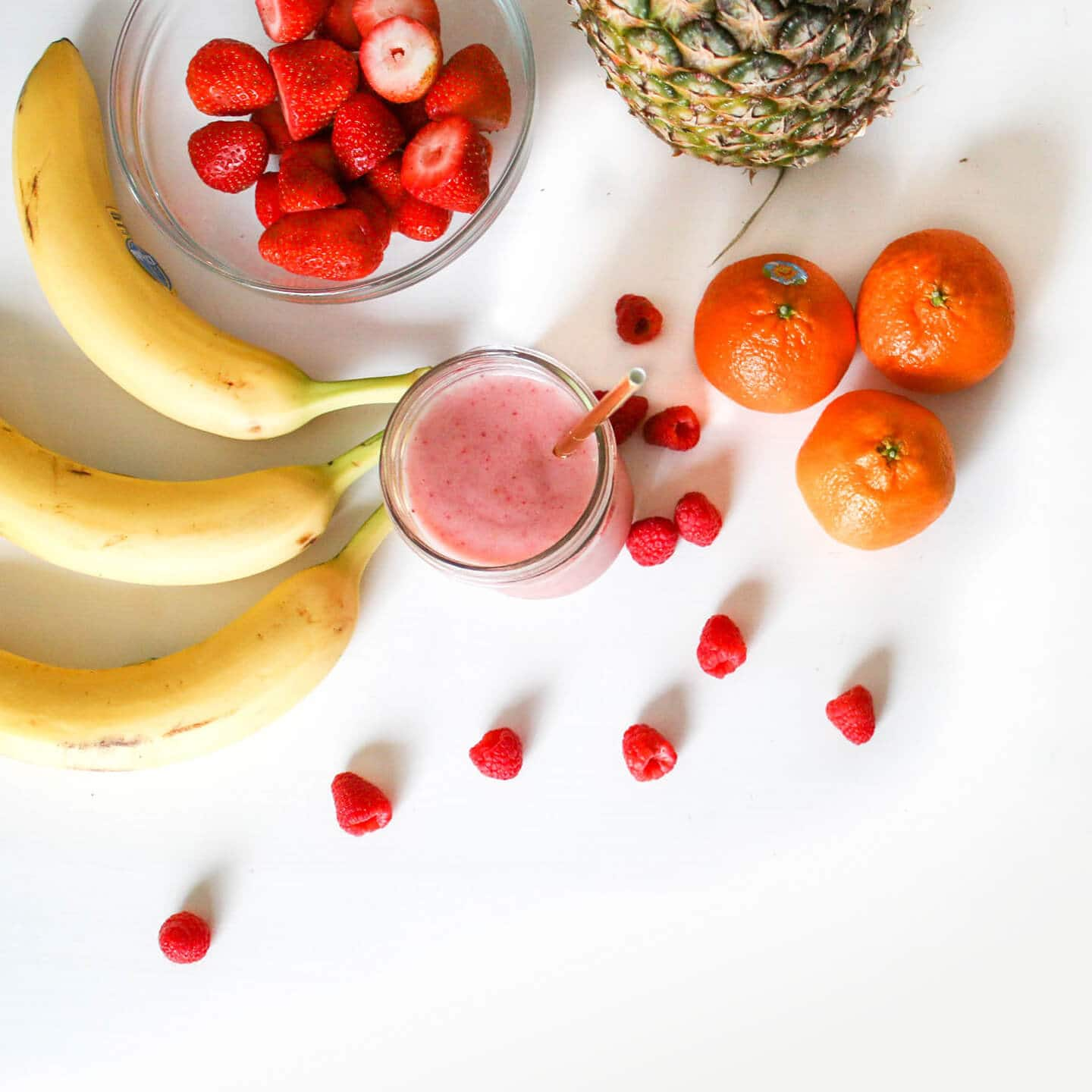
Overripe fruit can’t be refreshed, but you can use it in a number of delicious recipes. Brown bananas, for example, are a perfect ingredient in banana bread or as the base of smoothies – and, in summer, they’re great for making banana ice cream. You can use shrivelled apples and pears to whip up tasty jams, purées, compotes and crisps. However, if fruit is past its best, you should use it quickly before it gets mouldy.
zero-waste_slider-2_bread_card-4.jpg

Bread

Moisten and bake: Hard bread doesn’t need to be binned

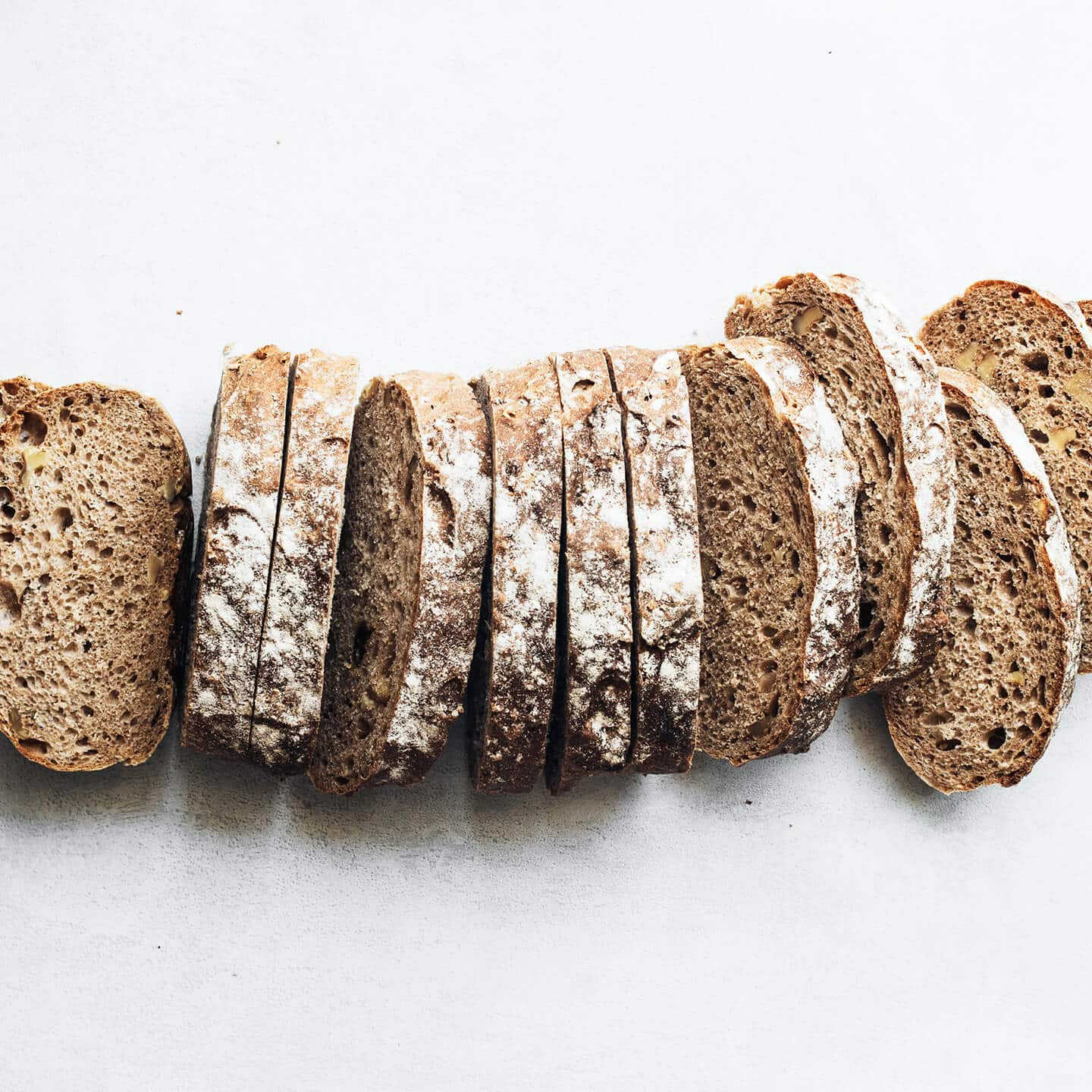
We’ve all been there, haven’t we? That delicious baguette or bread roll we only bought yesterday has gone hard in the blink of an eye. However, that doesn’t mean you have to throw them away – you can still get plenty of value out of them. Take your dried bread, moisten it with a little water, pop it in the oven for a few minutes and, soon enough, it’ll taste almost as good as it did the day you bought it. If bread has become very hard, you can use it to make breadcrumbs.
zero-waste_slider-2_pasta_card-5.jpg

Pasta

Sauté or blanch: Making yesterday’s pasta soft again

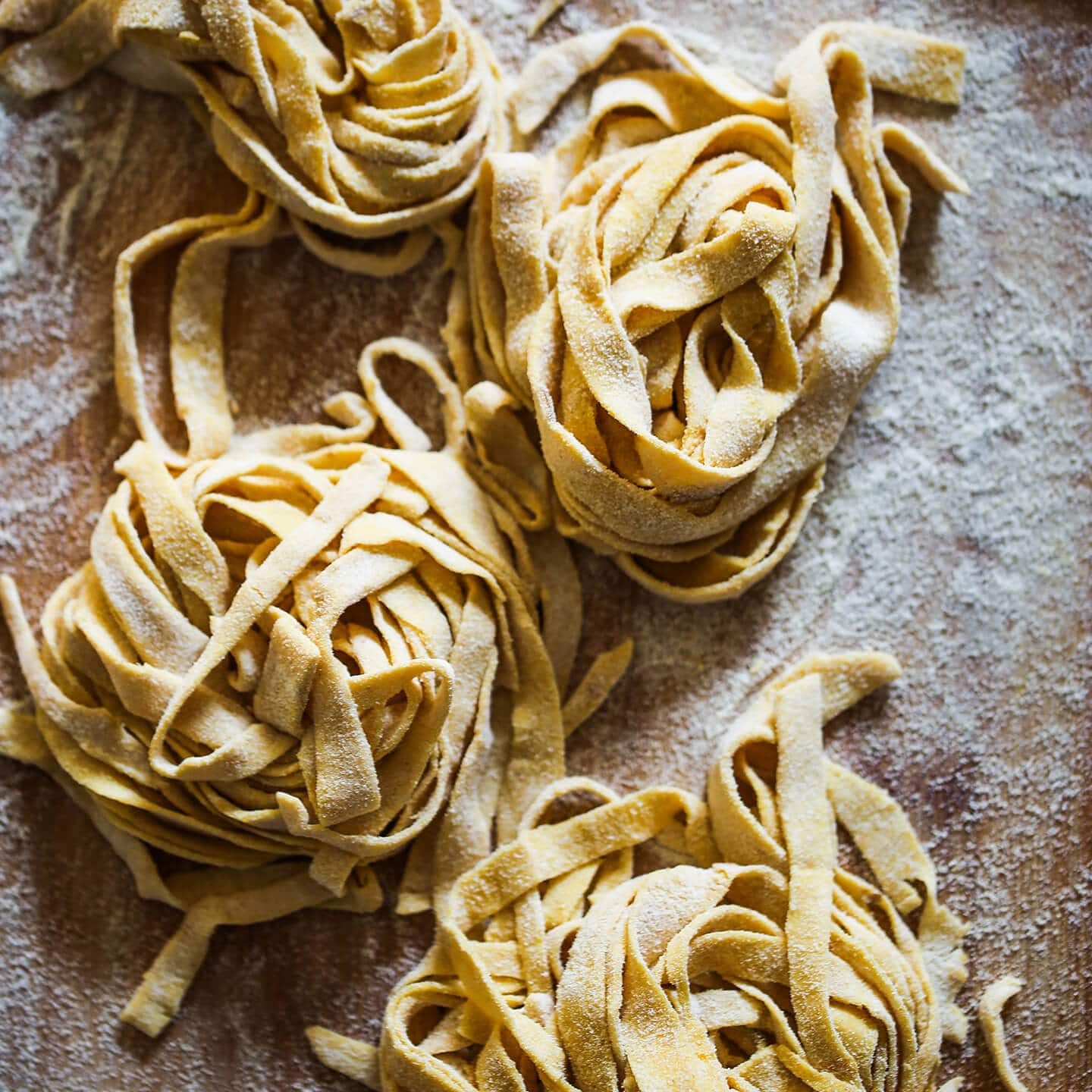
Depending on how you store it, leftover pasta can either become watery or it can dry out. If you want to make it taste just as good the next day, simply sauté softened pasta over a medium heat. On the other hand, if your pasta has dried out, just pop it in some boiling water for a minute or two.
zero-waste_slider-2_cheese_card-6.jpg

Cheese

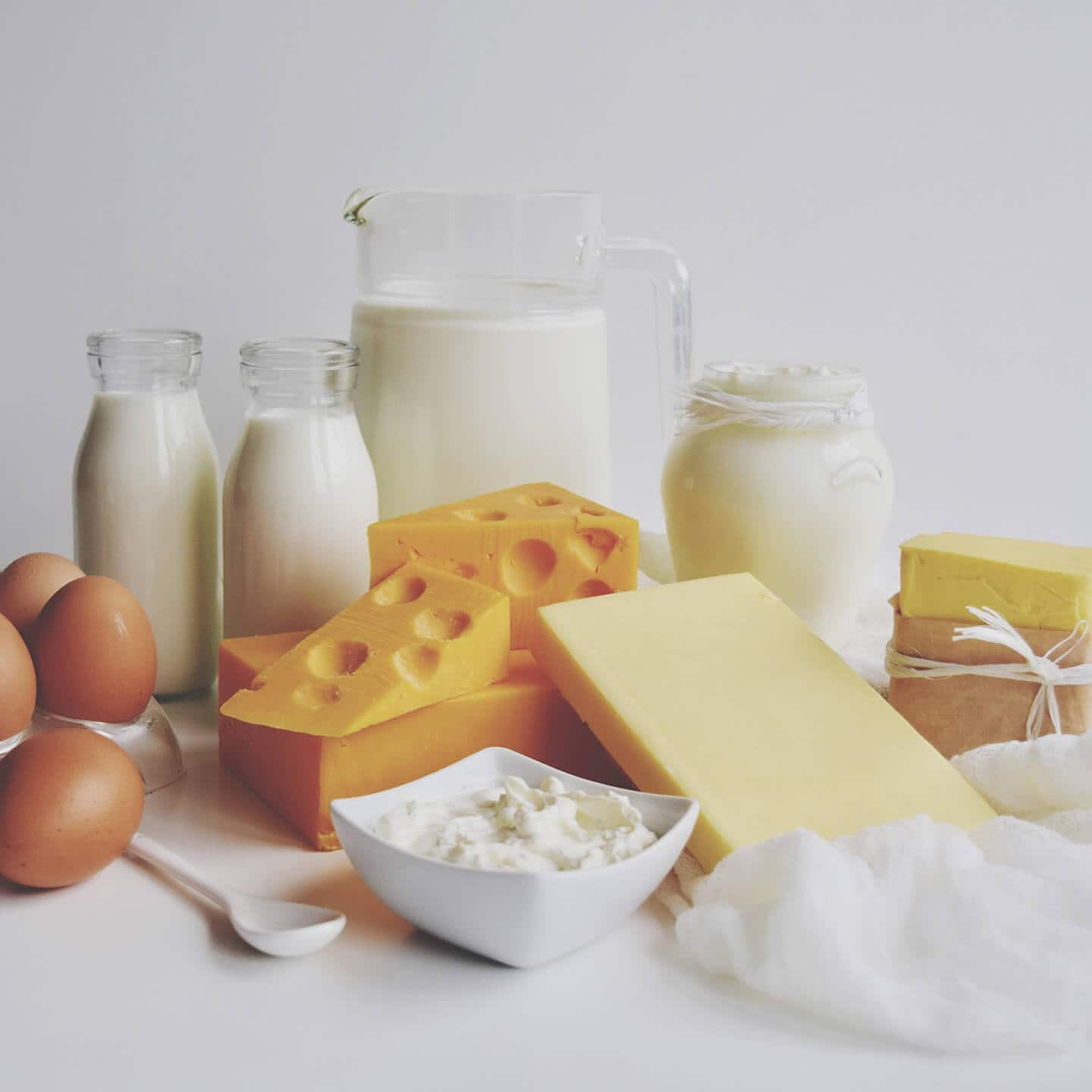
Hard cheese softens again in milk

If you leave cheese out on the dining table for too long, or if it gets pushed to the back of the fridge, it can soon become dry and hard. You can soften hardened cheese by soaking it in milk for half an hour or so – this eliminates the need to throw it out.
zero-waste_slider-2_biscuits_card-7_1440x1440.jpg

Biscuits, cakes & pastries

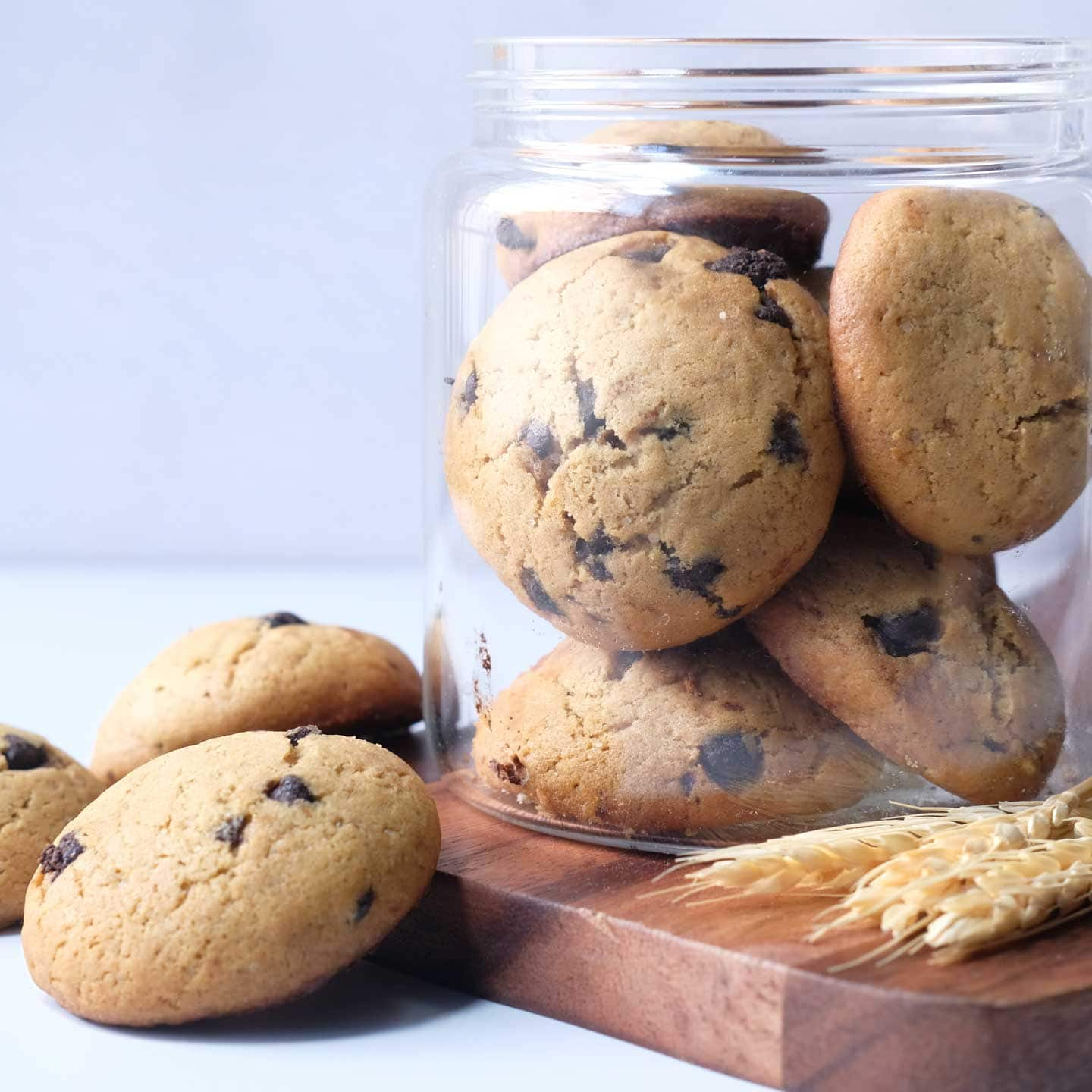
How apples can save snacks

Biscuits are naturally fairly dry, but they can become even drier and a little hard when stored for a long time. If you like your biscuits a little softer, simply pop a sliced apple in the biscuit tin for a few hours. The fruit will give the biscuits a little moisture and soften them up again. You can also do this with cakes and other baked goods.
zero-waste_image-copy-1-what-to-do-with-leftovers.jpg

What to do with leftovers? Get creative with your odds and ends

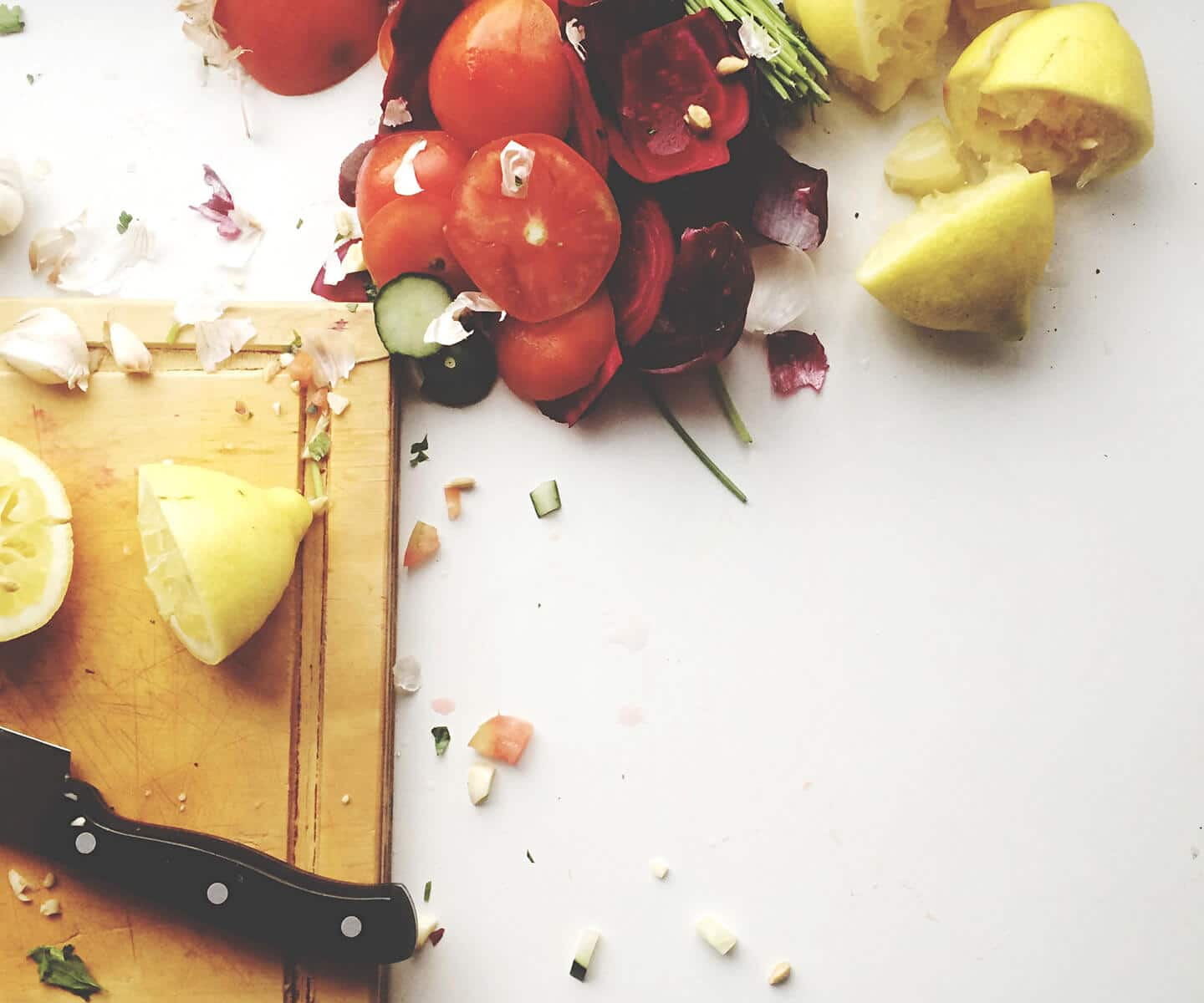
Sliced vegetables, yesterday’s potatoes, half a pudding – if you’re not careful, your fridge will be brimming with leftovers. You should always give your food a second chance, as it often allows you to get creative. Don’t throw leftovers in the bin, put them in a pan and conjure up something new. Cooking leftovers together with family and friends can be a lot of fun! 

Whatever the food, whatever the occasion, there’s always a recipe to match. For example, leftover bread, tomatoes and rocket can become a delicious panzanella. Maybe you could whip up a healthy dessert by turning leftover fruit into a smoothie or fruit salad? And that leftover sliced pepper can be combined with the half-can of sweetcorn and rice from yesterday to create a tasty veggie curry.  

Still got some soup leftover from yesterday, but not enough for a full portion? No problem! Just use it the last bit of soup as a sauce for pasta or noodles. And, if that’s still not enough, add a few chopped vegetables and maybe a little vegetable stock.

Check out our recipe ideas for further inspiration on how to use leftovers creatively.

Zero waste: Other things you can to stop food ending up in the bin


​​​​​​​
  • If you’re eating in a restaurant and your portion was too big, simply ask if you can take the leftovers home in a doggy bag. Alternatively, you could ask for a smaller portion in advance.​​​​​​​
     
  • Buying food to eat the same day or the next day? Try to choose products with a close best-before date.
     
  • Be smarter when peeling and slicing, we often put more of vegetables in the bin than we need to. Broccoli stems, for example, taste just as good as the florets.
     
  • Ever thought of making a salad out of radish leaves or baking banana peel into a cake?
     
  • Slice spring onions into rings and freeze them in a plastic bottle. You can then use just the right amount whenever you need them in future.
     
  • If you’ve opened a tin of food and only need half of it, simply decant the rest into a clean, resealable container. This will keep it fresh for longer.
     
  • Fancy holding a leftovers party? Cooking together with friends allows you to combine your odds and ends and whip up creative dishes.
     
  • Heading away on holiday but your fridge is still full? No problem! Simply knock on your neighbour’s door and offer them what you have.
     
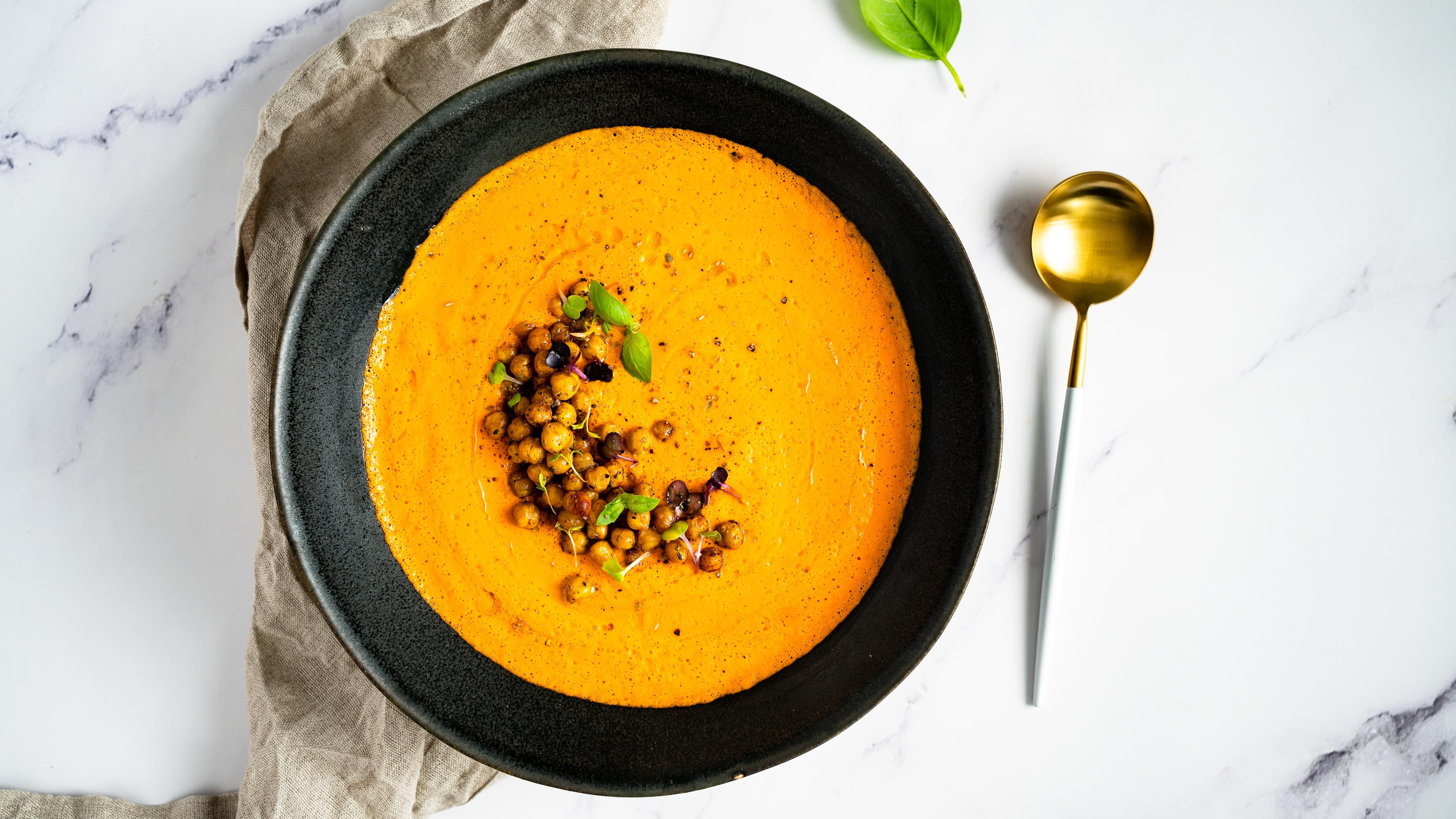
Braun Bell pepper cream soup 16x9.jpg
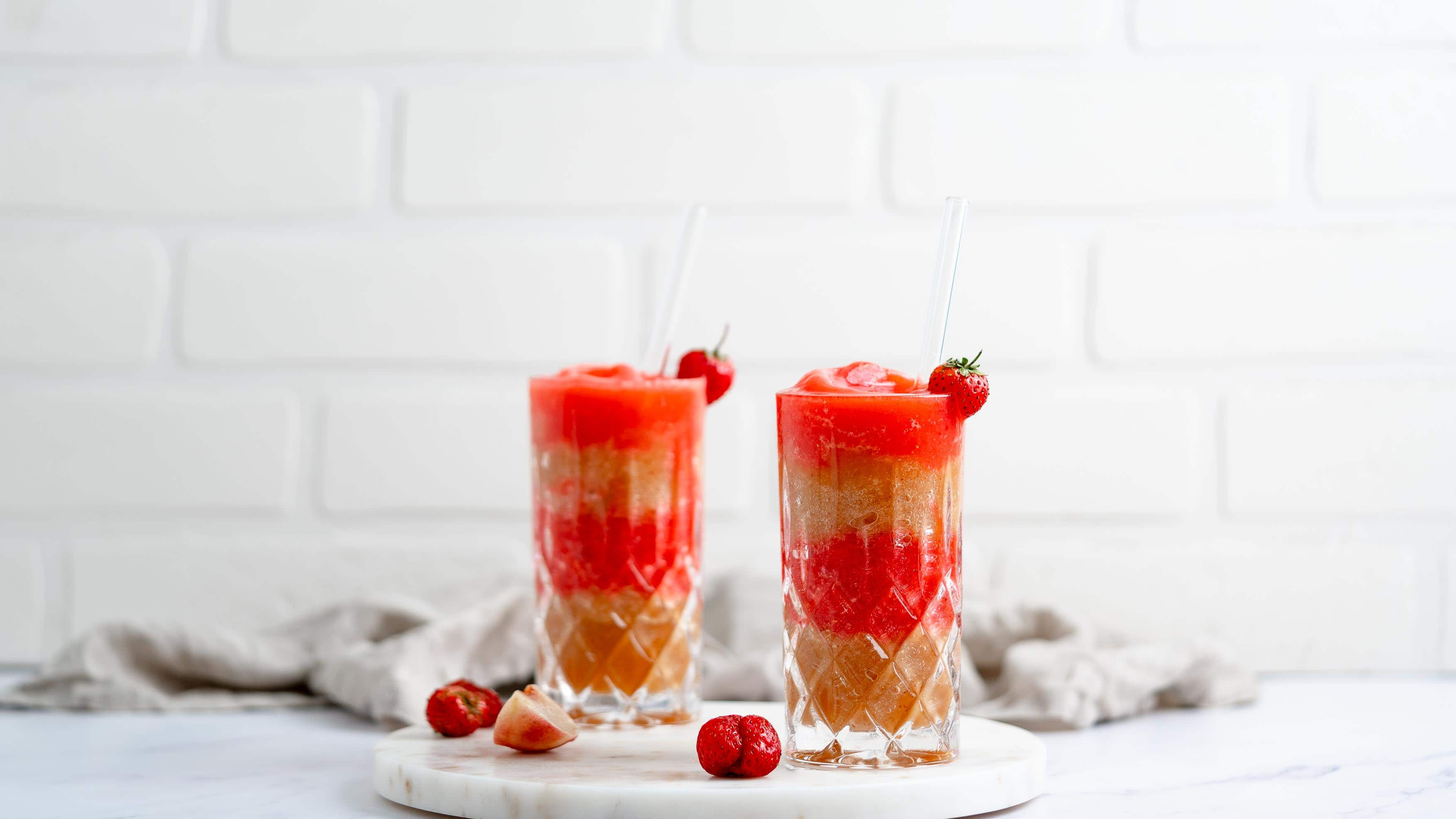
Braun Bell Frozen virgin strawberry peach margarita 16x9.jpg

Did you know...

...how to keep your Avocados from browning?

Braun's kitchen hack of the day: after opening an avocado, simply sprinkle some fresh lemon juice on it to keep it from browning. It stays fresh for longer and even tastes good.
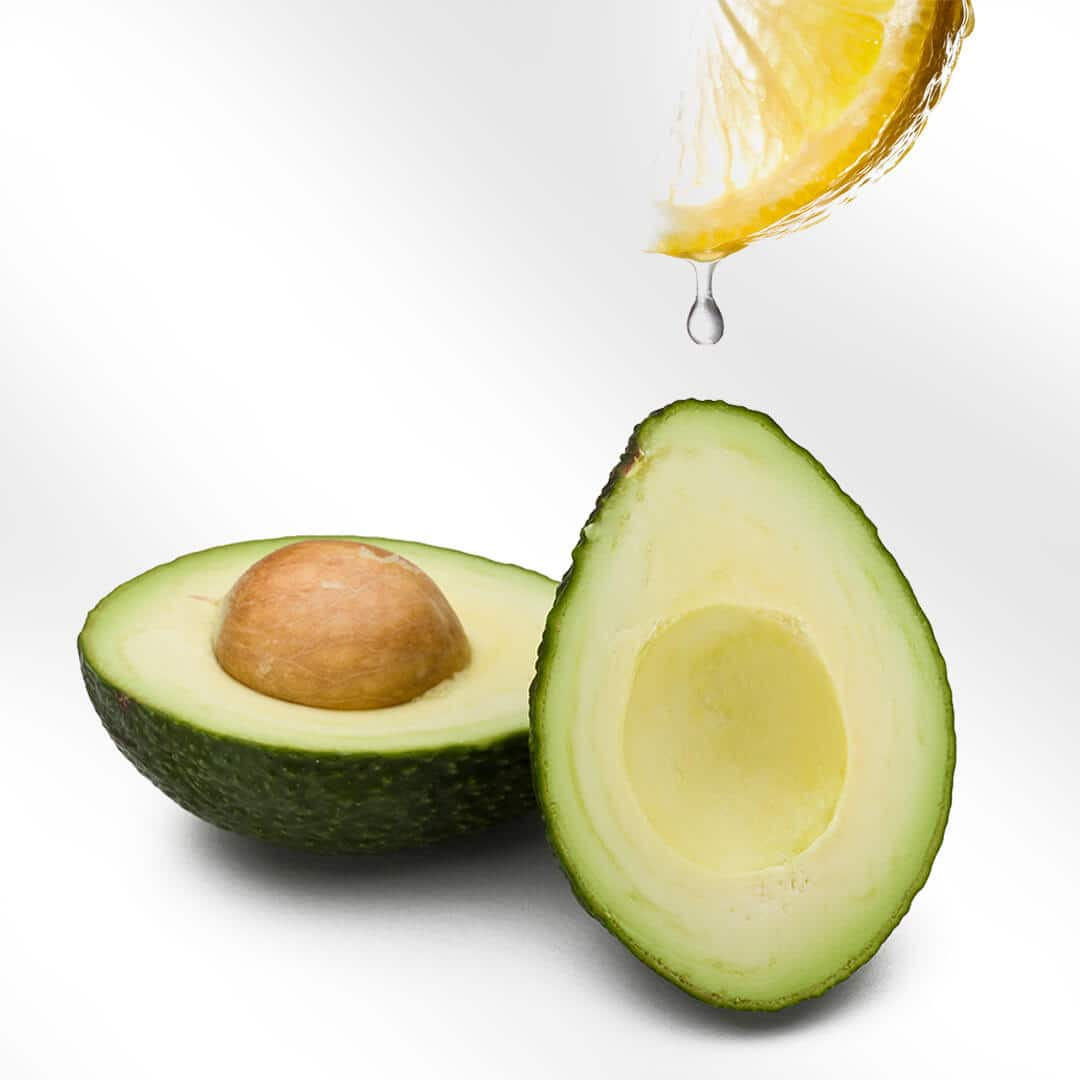
Avocado cut in half with citrus juice dripping on it.

…how to save Bananas that turn brown?

You don't like ripe bananas? Don't worry, many people don't. But with our #braunhack there is no need to waste a good fruit. Simply slice and freeze a banana to have it available whenever you need some. Why not try a freshly made and cool smoothie for instance to start your day right?
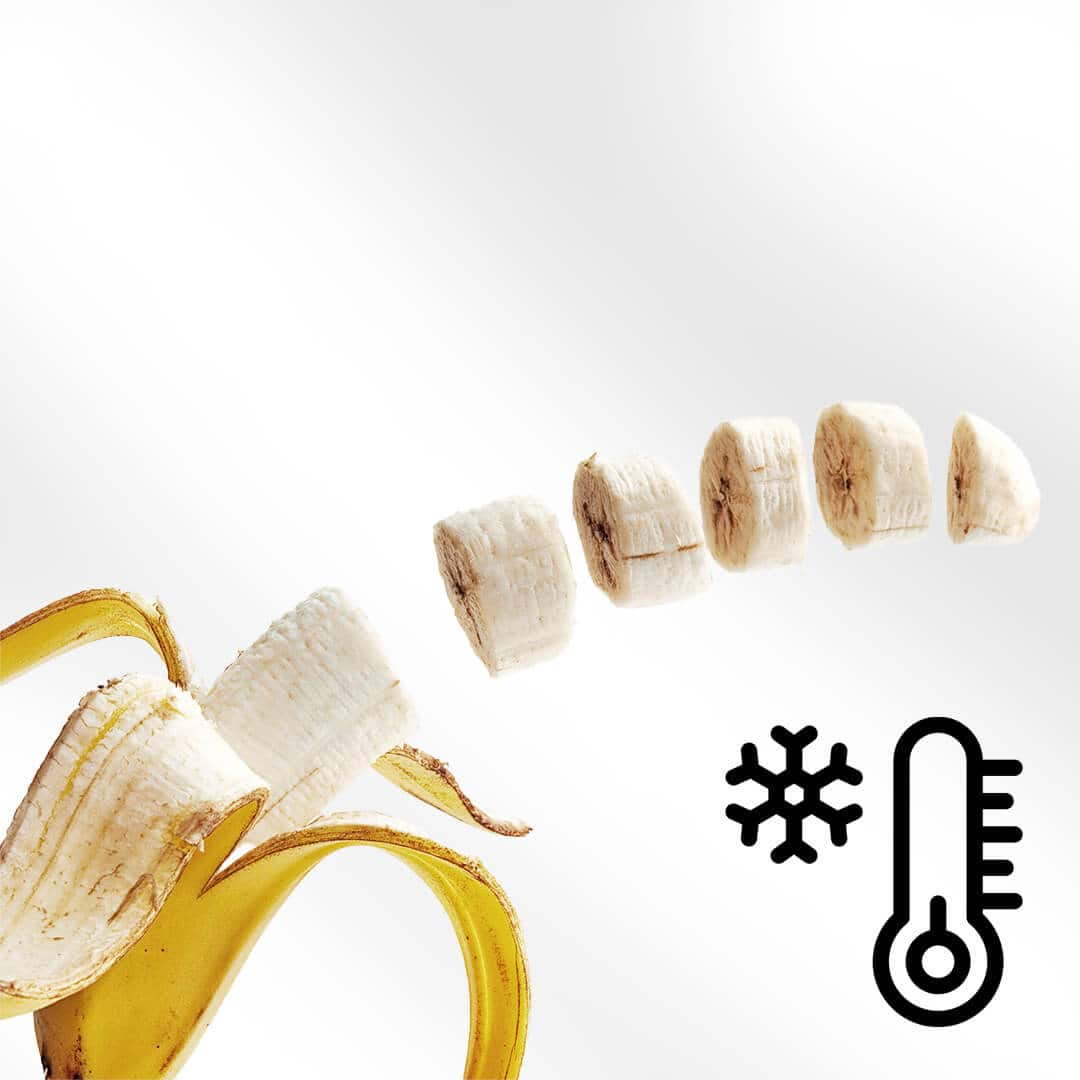
How_to_Braun_HH_Freeze-Banana.jpg

…how to keep your Carrots crisp?

We carrot wait to try this hack at home. Place your carrots in a glass of water to keep them fresh and crispy. Do you already treat your carrots like flowers and keep them fresh in a vase?
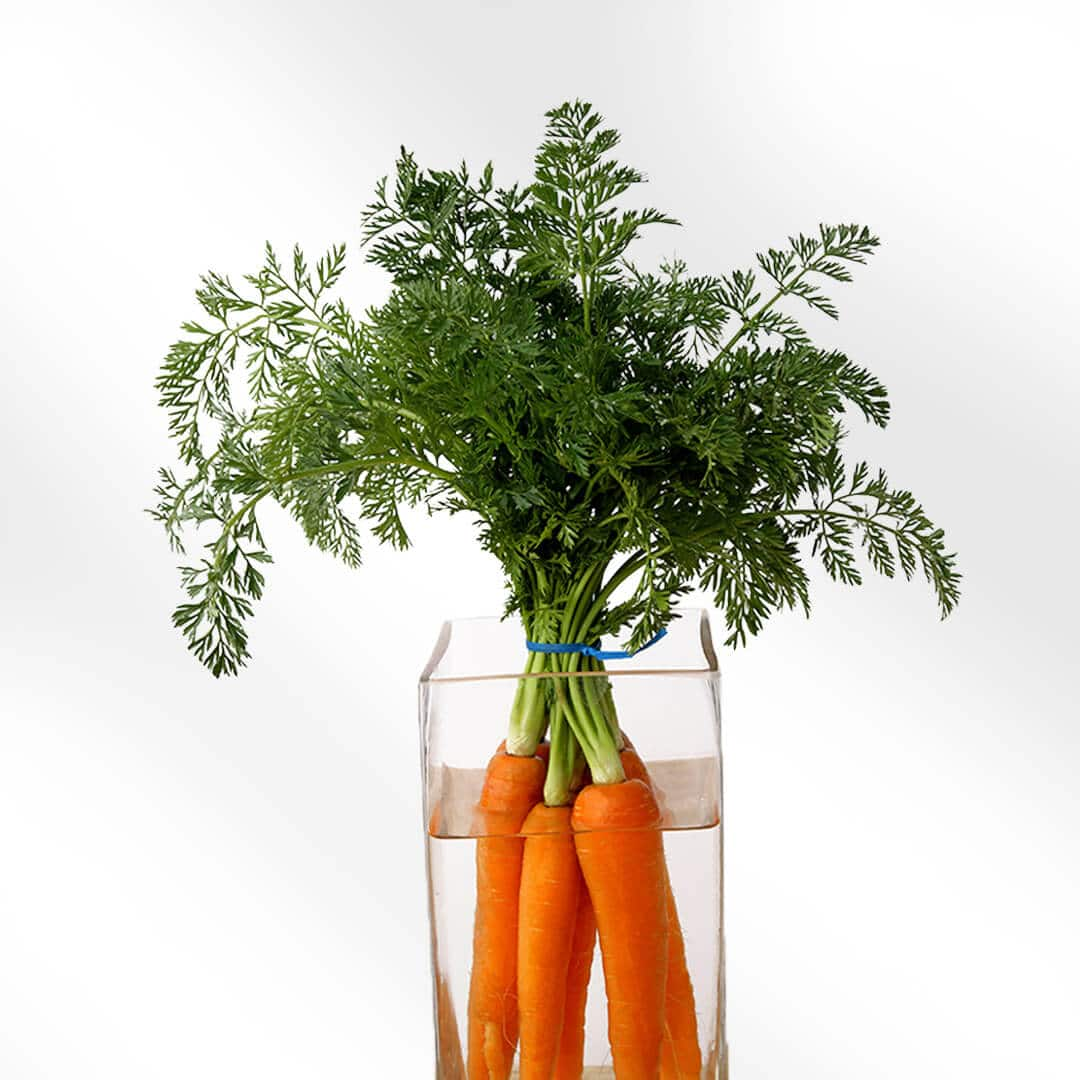
en_scs_braun_hack_card-04_Crisp_Carrots_1080 × 1080.jpg

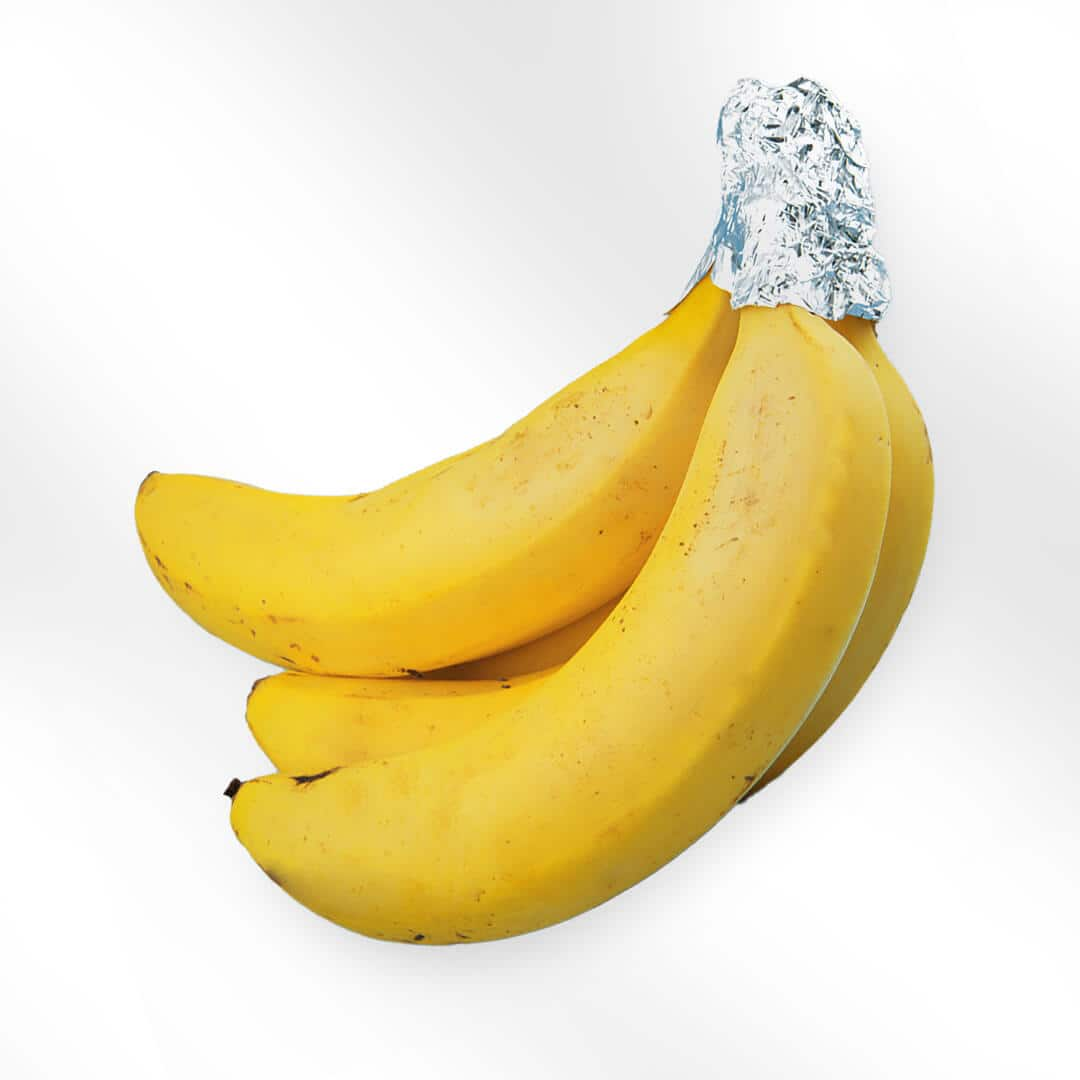
…how to keep your Bananas fresh?

Keep calm and go bananas. Did you know that bananas naturally release a gas called ethylene from their stem, and therefore tend to ripen much faster? Try and cover the stem of the bananas with a small piece of leftover foil, and the ripening process slows dramatically. Have you ever heard about this kitchen hack?
en_scs_braun_hack_card-05_Fresh-Banana_1080 × 1080.jpg

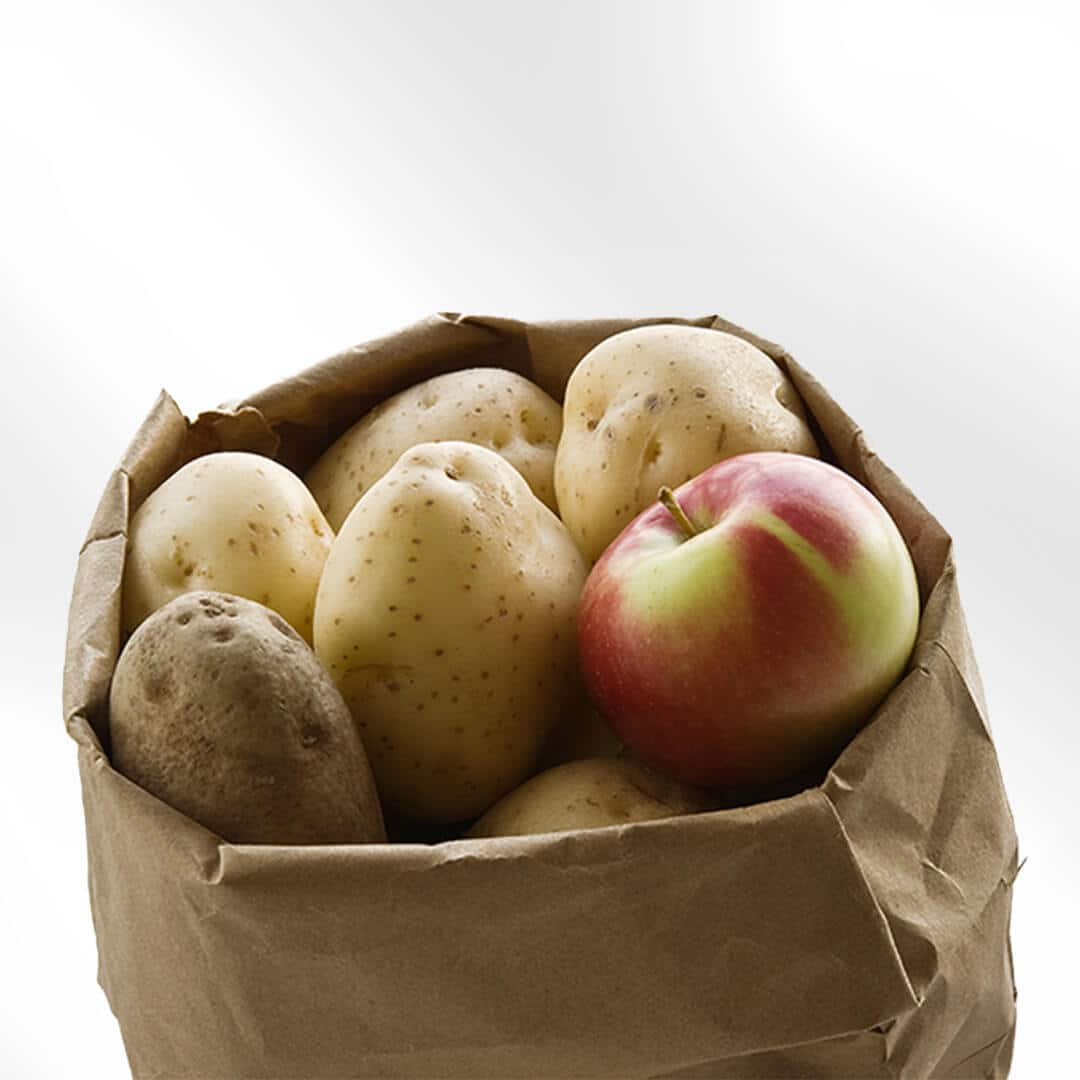
…how to keep your Potatoes from sprouting?

An apple a day keeps the sprouts away. Just place an apple in the same rack with your potatoes. With this little kitchen hack you can keep your potatoes fresh, even if you don't use them up all at once. Have you tried this before? 
en_scs_braun_hack_Card-08_Potatoes_1080 × 1080.jpg

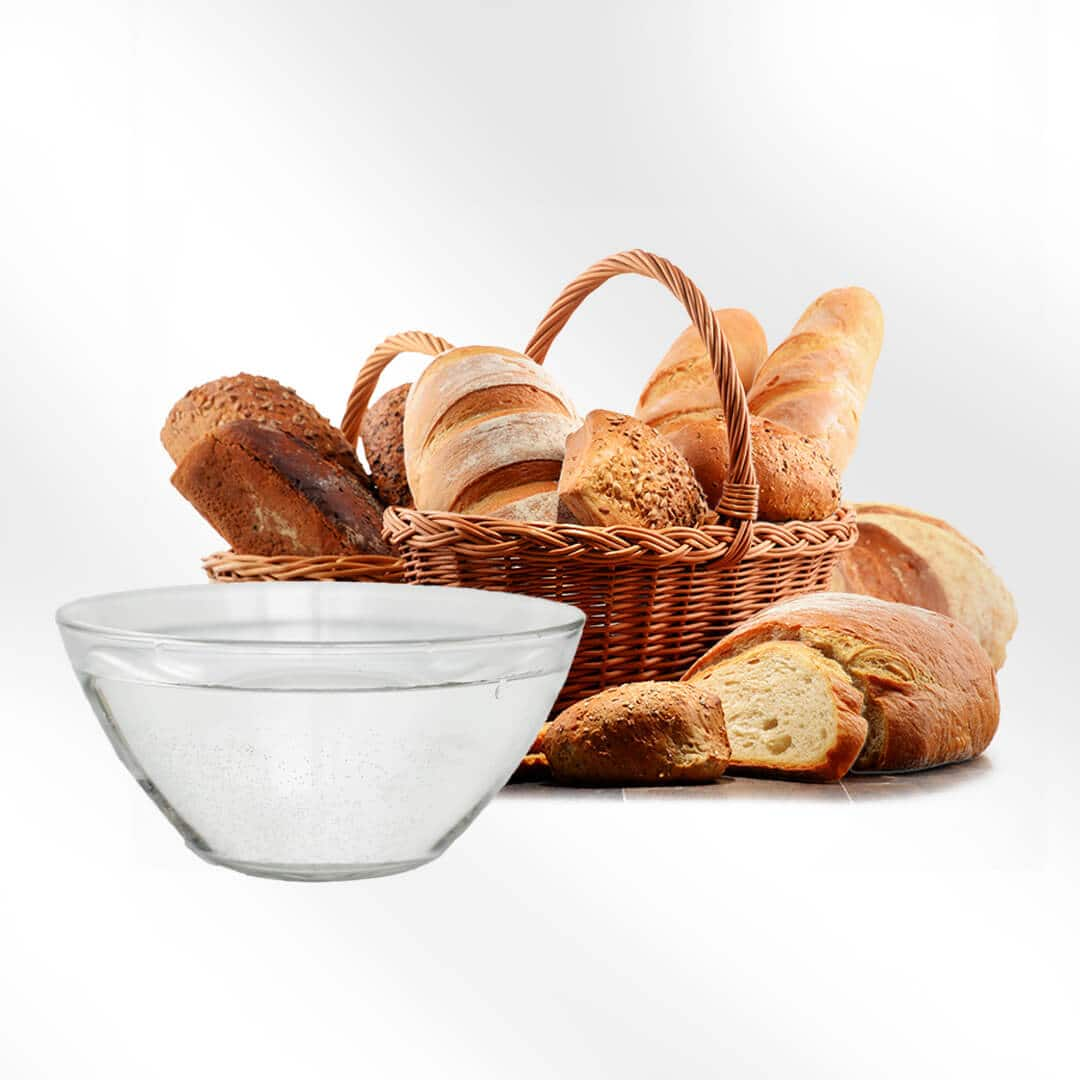
…how to make stale bread fresh again?

Did you buy too much at the bakery the other day? Don't worry, sprinkle your bread with water and bake it in the oven. With this little trick your baked goods will be fresh and warm again, just in time for Sunday brunch. Try it yourself. 
en_scs_braun_hack_card09_bread_1080 × 1080.jpg

Good design should be effective. So are our tips for reducing food  waste, which we hope provide practical, useful examples of how we can show great appreciation for our food with even the smallest effort. Together we can achieve a lot with small changes.

Related articles.

Less food waste

Meal prep saves time, effort and waste

teaser_meal-prep_header.jpg

Perfect blending results.

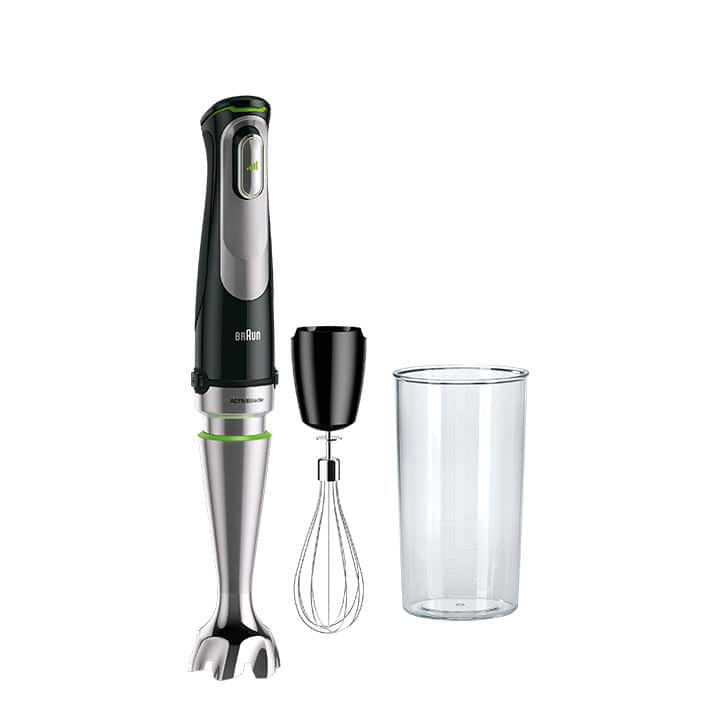
Hand blenders

braun_category_hand-blenders_mq9005.jpg
Chargement en cours