Country preference? Choose the preferred country to view local content and get a better experience.

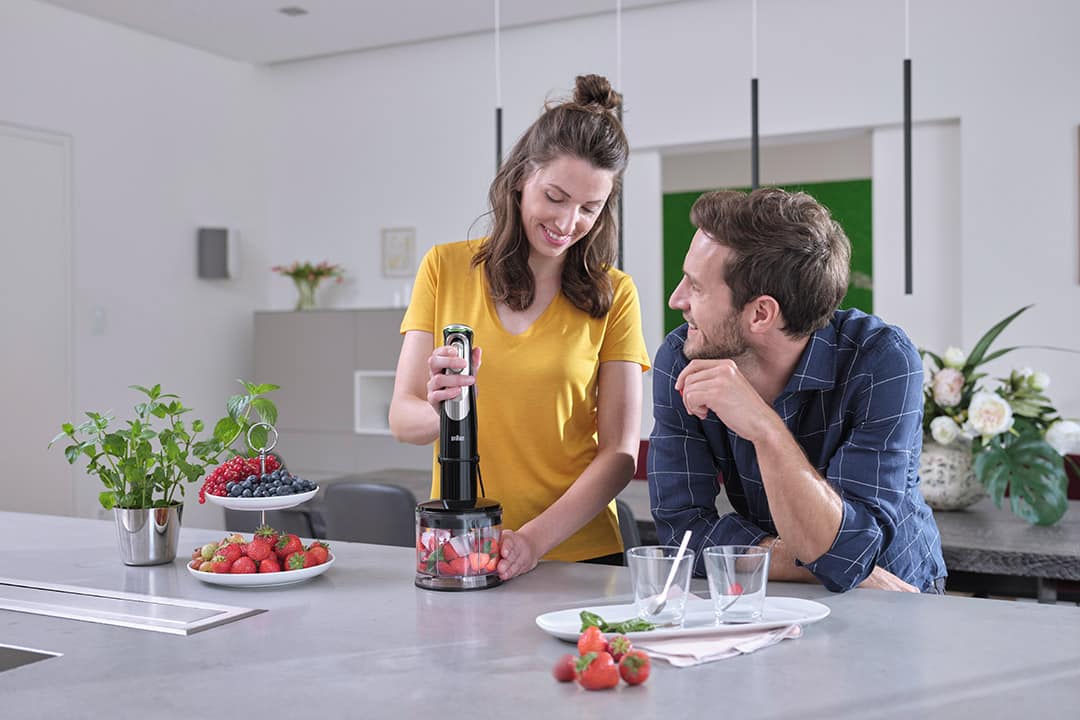
en-navnod-braun-food-preparation-1080x720.jpg

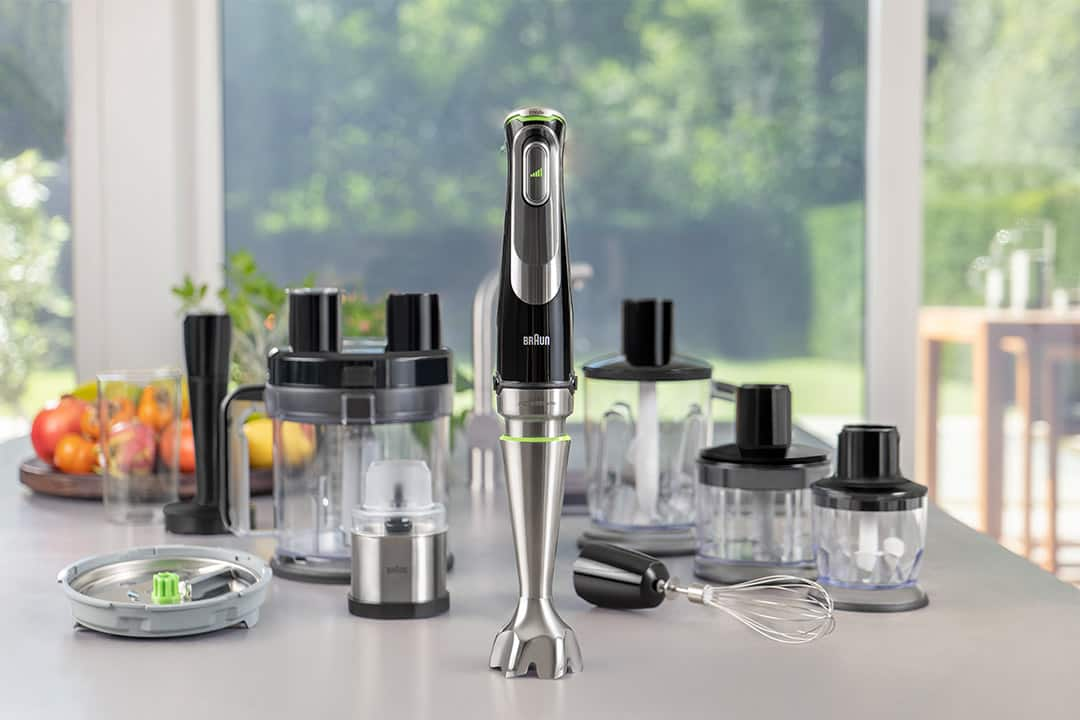
Hand blenders

Perfect blending results

Learn more
en-navnod-braun-food-preparation-1080x720.jpg

Hand blenders

Perfect blending results

Learn more
NavNode-FoodPrep-Node-Hand-mixer-1080x720.jpg

Hand mixers

Bring out the joy of cooking and baking.

Learn more
NavNode-FoodPrep-Node-Jug-blender-1080x720.jpg

Jug blenders

Blend sauces, icy drinks & more.

Learn more
NavNode-FoodPrep-Node-Food-Processors-1080x720.jpg

Food Processors

Compact. Intelligent. Strong. Unmistakably Braun.

Learn more
en-navnod-braun-cooking-1080x720.jpg

Multifunctional contact grills

All in one. Perfectly grilled meat and much more.

Learn more
en-navnod-braun-cooking-1080x720.jpg

Multifunctional contact grills

All in one. Perfectly grilled meat and much more.

Learn more

Moins de gaspillage alimentaire

Plus frais et plus savoureux plus longtemps : comment conserver les aliments.

how-to-store-food_header.jpg
Print

Poté, co jste si naplánovali nákupy, věnujte čas správnému skladování potravin. Je to rozhodující pro zajištění jejich čerstvosti. Roztřídění nákupu po příchodu domů vám pomůže udržet ovoce a zeleninu, mléčné výrobky, chléb, těstoviny a maso déle čerstvé. Některé potraviny je třeba chladit, jiné stačí uchovávat při pokojové teplotě. Připravili jsme pro vás několik tipů, které popisují, kdy a jak můžete potraviny skladovat, aby vše zůstalo co nejdéle čerstvé.

Pontosan miért is romlik meg az étel?


Meleg vagy hideg, nedves vagy száraz – az élelmiszerek nem ugyanazokat a körülményeket szeretik. Helytelenül tárolva elveszítik ízüket és gyorsabban megromlanak. Ennek oka azon fizikai, biokémiai, kémiai és mikrobiális hatások és változások, amelyeknek a termékek ki vannak téve. Az élelmiszereket rágcsálók és rovarok is károsíthatják. 

A mikrobiális romlást baktériumok, penész és élesztőgombák okozzák. Ezek az élelmiszerekben rothadást, erjedést vagy penészképződést okoznak, aminek következtében néha patogén anyagok is keletkeznek. Ezek a folyamatok és az élelmiszerek eltarthatósági időtartama függ különösen a fizikai körülményektől, például a melegtől, a hidegtől és a nedvességtől.
​​​​​​​
Ezenkívül az élelmiszerben található enzimek biokémiai változásokat indítanak el, mint például a vitaminok, pigmentek és ízanyagok lebomlása. A zsiradékok megavasodása az élelmiszer összetevőiben fellépő kémiai reakciók által kiváltott kémiai romlásnak köszönhető. A külső tényezők, például a fény és a levegő felgyorsíthatják ezt a folyamatot.
Hygiene Refrigeration

Igiene, refrigerazione e conservazione : parte tutto dalla spesa.

Prima di portare i tuoi acquisti a casa e iniziare a sistemarli nel posto giusto, bisogna assicurarsi già al supermercato che ogni alimento sia fresco e nell giuste condizioni igienico-sanitarie. Punti chiave da ricordare:
 

  • Controlla che tutte le confezioni siano intatte
     
  • Assicurati che gli alimenti refrigerati rimangano tali prevenendo la moltiplicazione di germi quando i prodotti iniziano a scaldarsi, ad esempio con borse frigo riutilizzabili.
     
  • Metti prodotti surgelati e facilmente deteriorabili nel carrello solamente verso la fine della tua spesa, appena prima di pagare. Dopo il pagamento, prodotti delicati e soffici, come uova, banane e uva dovrebbero essere gli ultimi ad essere messi sul nastro trasportatore. Ciò significa che saranno sopra tutto il resto degli alimenti nella tua borsa, e non saranno schiacciati da quelli più pesanti.
     
  • Una volta finito di fare la spesa e prima di suddividere gli acquisti a casa, assicurati di esserti lavato per bene le mani per prevenire il diffondersi di germi e batteri.
     
  • Mantieni le aree di conservazione degli alimenti come scaffali, dispense ed il tuo frigo pulite, lavandole e spolverandole regolarmente. Il modo migliore di farlo è usare acqua calda con un po' di detersivo. Aggiungere un goccio di essenza d'aceto può prevenire la formazione di muffa.
     
how-to-store-food_image-copy-2-freezing-effectively.jpg

Congelare in modo efficace : Come conservare il cibo nel freezer

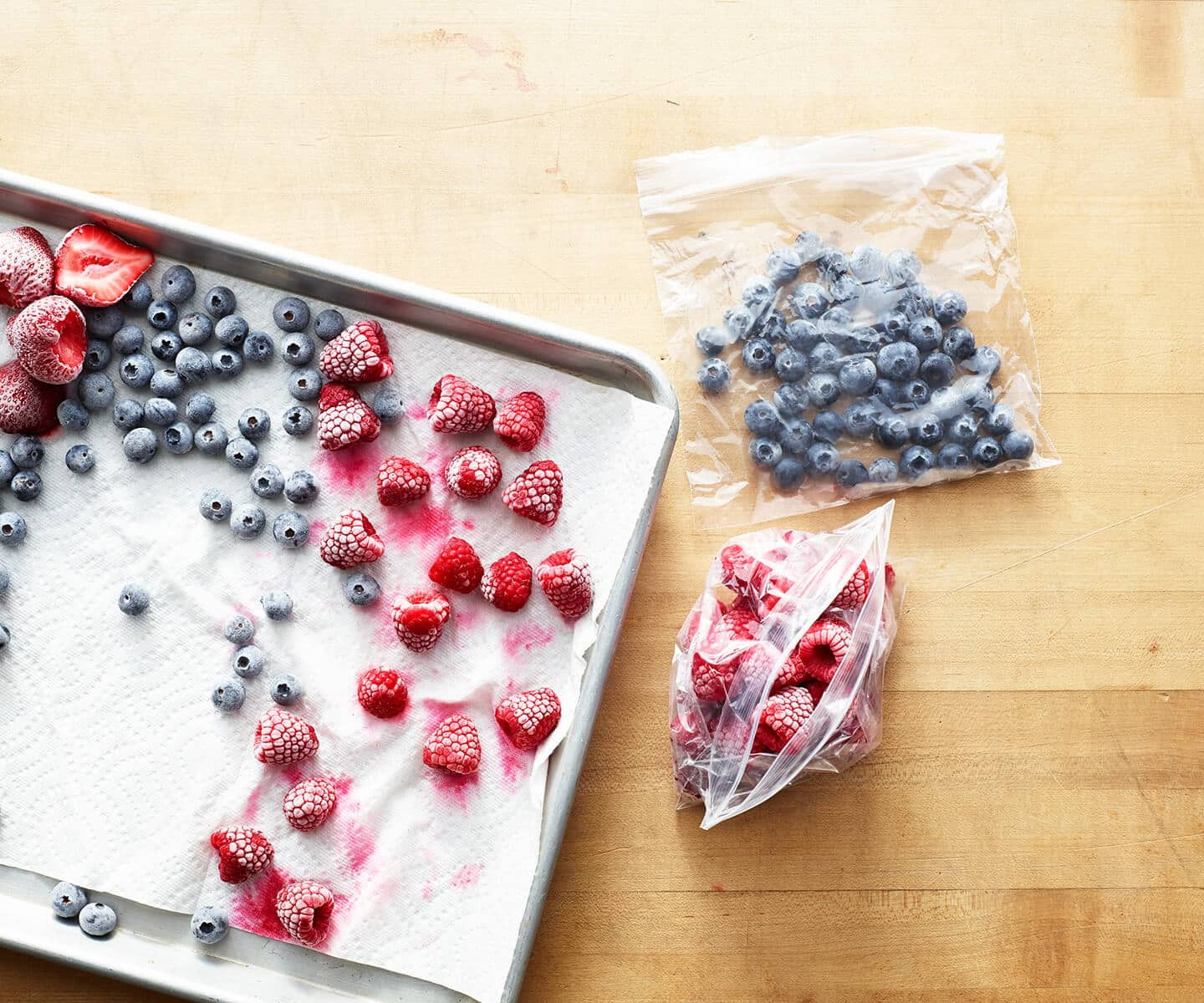
Se vuoi conservare il cibo per un periodo particolarmente lungo, il tuo freezer o l'omonimo scompartimento all'interno del tuo frigo sono le opzioni migliori. La bassa temperatura e la ridotta attività idrica, infatti, fanno in modo che la riproduzione dei microrganismi sia ridotta significativamente o addirittura eliminata. Fai in modo, però, di pulire, lavare e sbollentare frutta e verdura prima di congelarle. Idealmente, dovresti impacchettare il cibo in piccole porzioni e in modo che ci sia quanta meno aria possibile. È anche buona pratica etichettare i sacchetti indicando il contenuto e la data per tenere tutto sotto controllo. Anche il cibo surgelato, però, non può essere conservato per un tempo indefinito. Frutta e verdura dureranno all'incirca dagli 11 ai 15 mesi, il pesce e le carni più grasse, invece, si manterranno per circa 6-9 mesi, ed il manzo e il pollame per 9-12 mesi.

Congelalo prima per godertelo più avanti

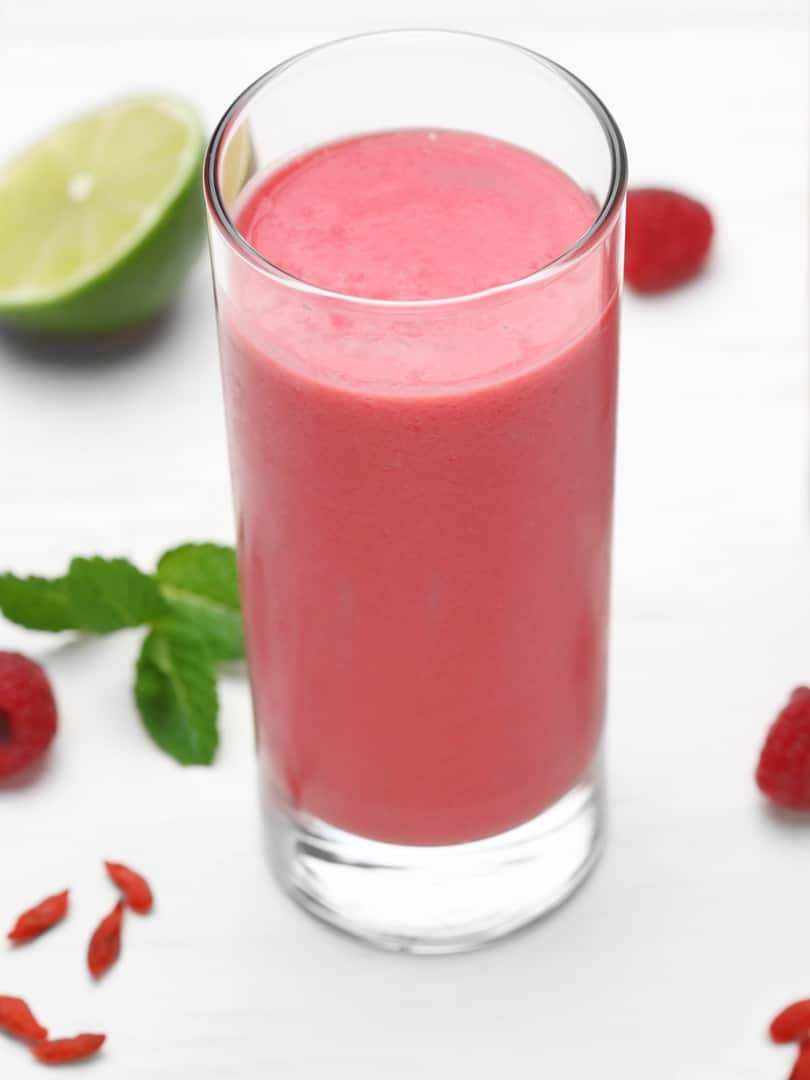
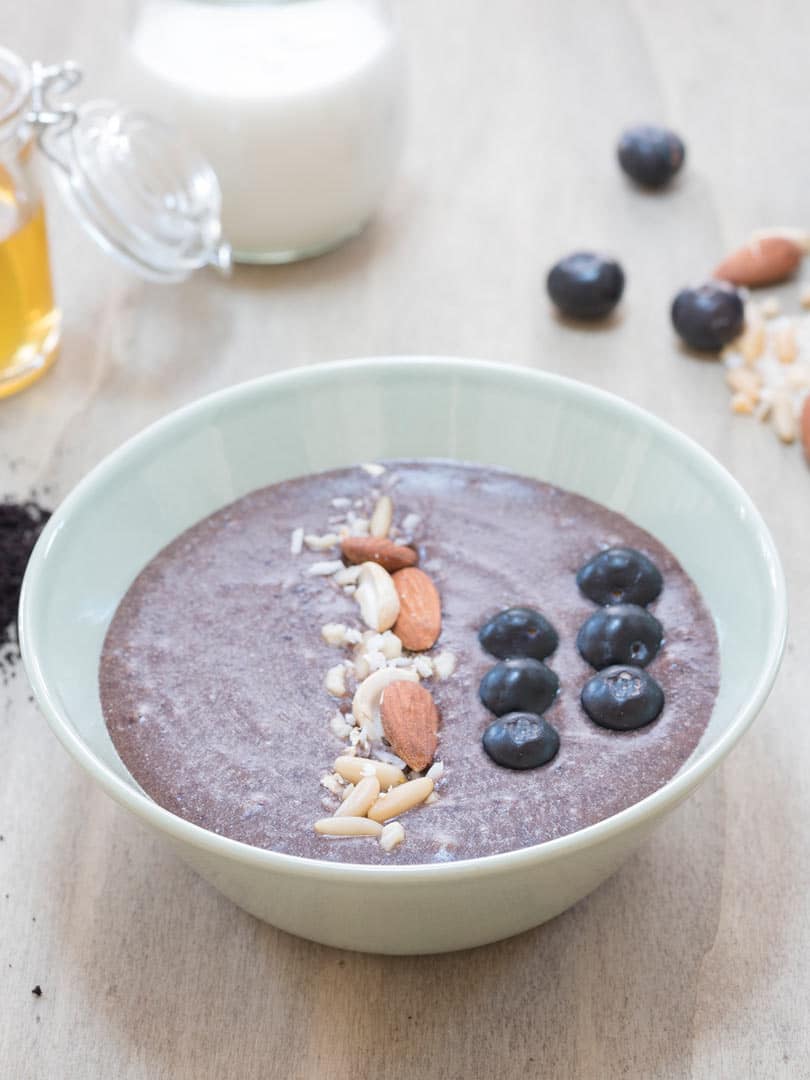
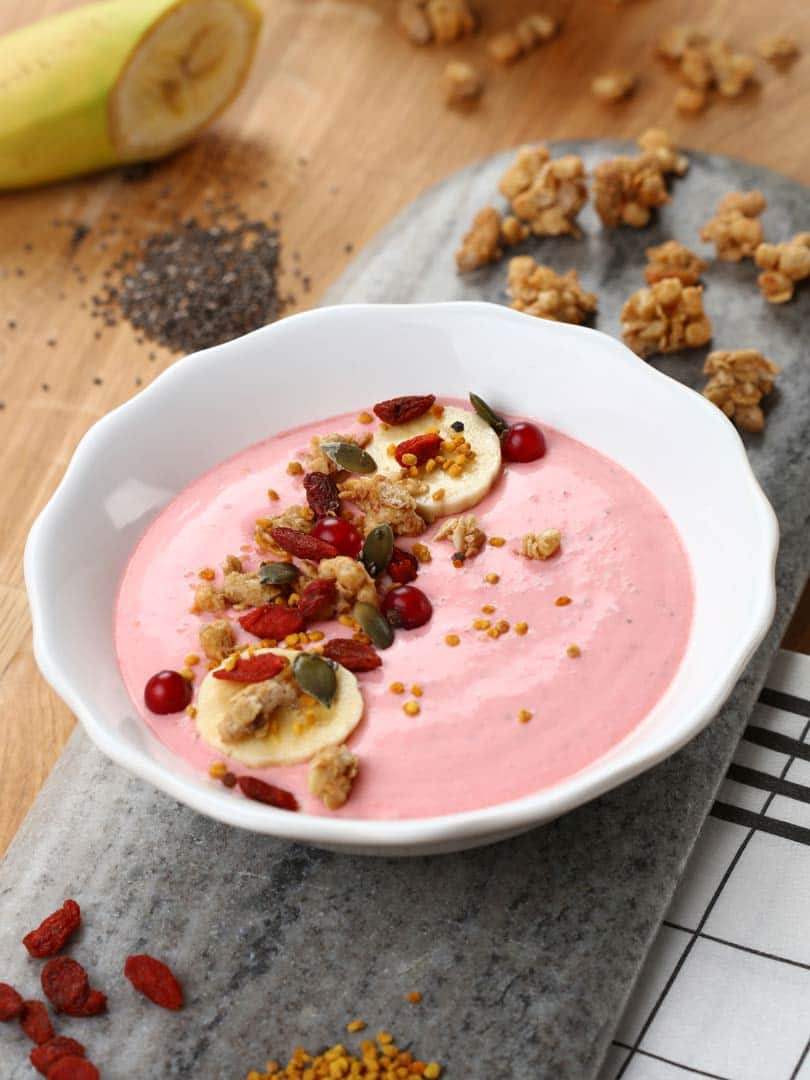
Trasforma frutta surgelata in deliziosi frullati o frullati in ciotola. Le nostre idee di ricette ti diranno come farlo.

Smoothie aux framboises, baies de goji, citron vert et huile de noix de coco

slider-smoothie_rapsberry-goji_card-1_810x1080.jpg

Akaibogyós smoothie-tál

slider-smoothie_acai-berry-bowl_card-2_810x1080.jpg

Smoothie bowl aux fruits rouges et à la noix de coco

slider-smoothie_redfruit-coconut_card-3_810x1080.jpg
how-to-store-food_image-copy-3-store-food-in-the-fridge_alternative.jpg

Réfrigérer correctement : Comment conserver les aliments dans le réfrigérateur

La plupart des aliments frais doivent être placés directement dans le réfrigérateur lorsque vous rentrez chez vous. Grâce à la basse température de 4 à 8°C du réfrigérateur, les produits périssables restent frais plus longtemps. En effet, la basse température ralentit le métabolisme cellulaire des aliments, empêche la croissance des micro-organismes et freine les altérations chimiques et enzymatiques. Le principe "FiFo" (first in, first out) peut vous aider à savoir ce qui est frais et ce qui ne l'est moins. En d'autres termes : Mettez les nouveaux aliments à l'arrière et les anciens à l'avant.

La bonne disposition dans votre réfrigérateur

Pour que les aliments restent frais le plus longtemps possible, vous devez les stocker sur la bonne étagère. Nous vous expliquons exactement où ranger dans le réfrigérateur.

how-to-store-food_ slider-1_fridge-door_card-1.jpg

Fridge door

What belongs in the fridge door

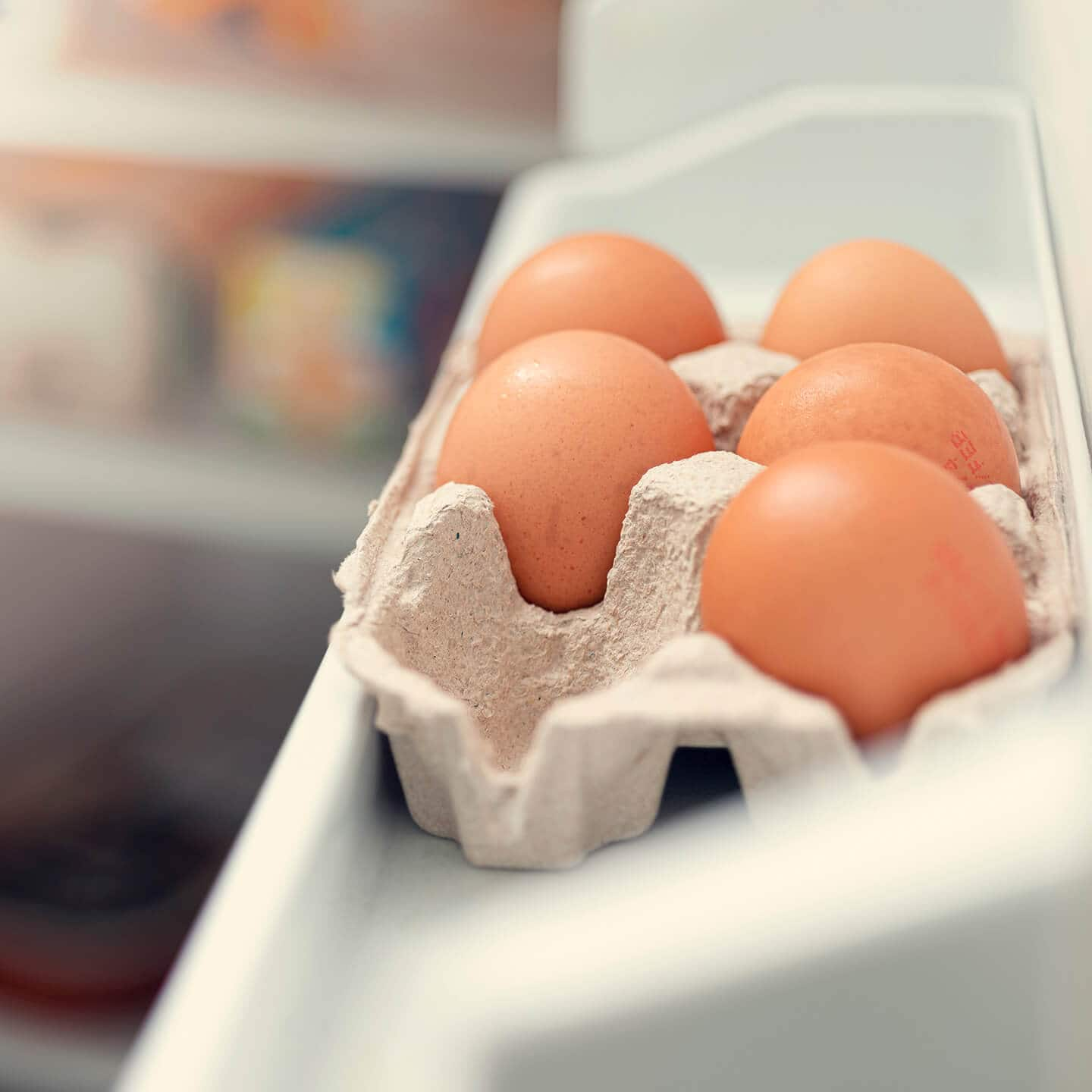
The fridge door is one of the warmest areas in a fridge. The temperature here is usually between 8 and 10 °C. It is suitable for storing ready-made sauces, juice, drinks, dressings, milk, butter and eggs
how-to-store-food_slider-1_crisper-drawer_card-2.jpg

Crisper drawer

What belongs in the crisper drawer

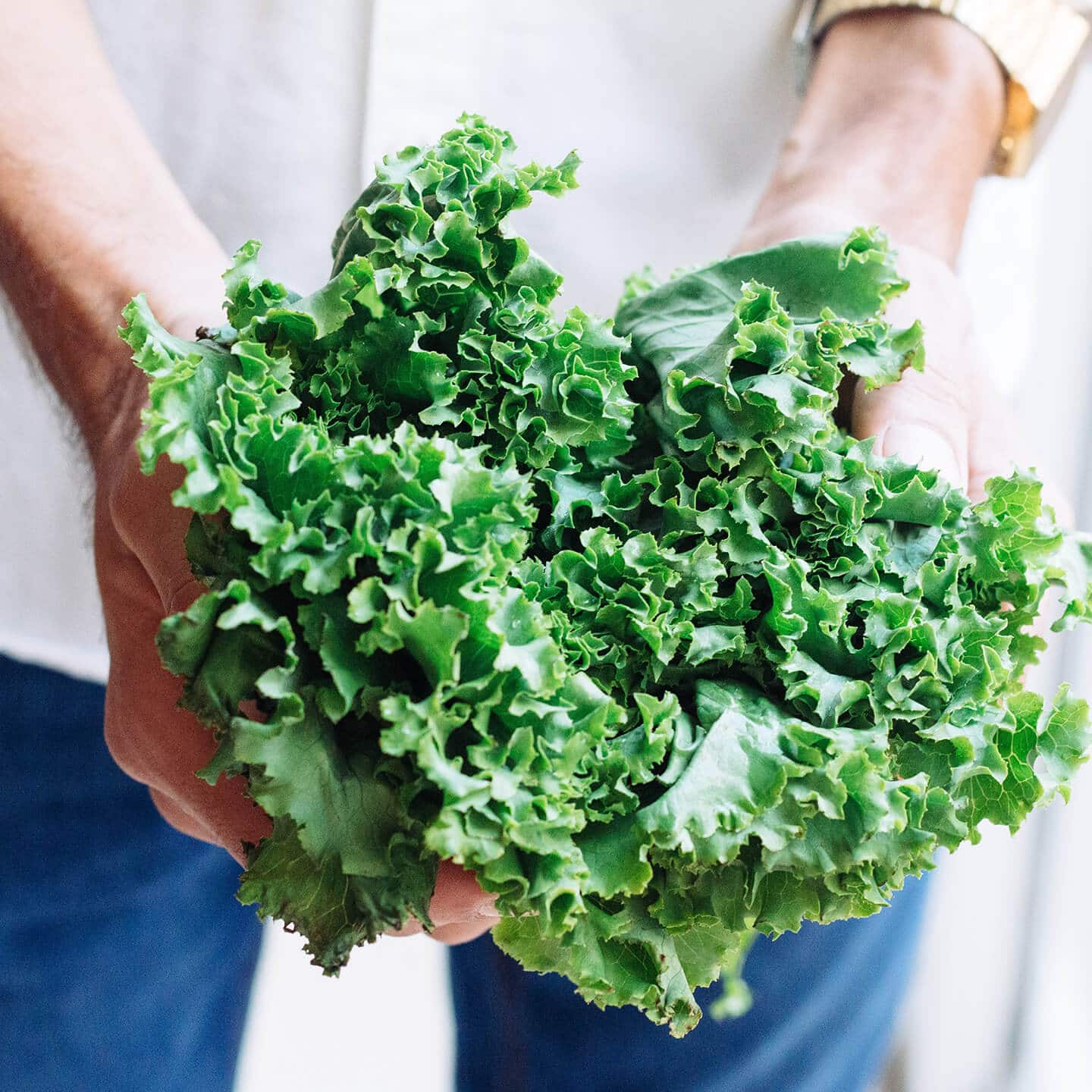
The clue’s in the name: the crisper drawer keeps fresh produce crisp. Crisper drawers are separated from the rest of the fridge, usually by a glass pane, which keeps the temperature at around 9 °C. This is perfect for storing vegetables, salad and various types of fruit. Remember: Produce that is sensitive to cold, such as exotic fruits and vegetables with a high water content, do not belong in the fridge at all.
how-to-store-food_slider-1_bottom-shelf_card-3.jpg

Bottom shelf

What belongs on the bottom shelf

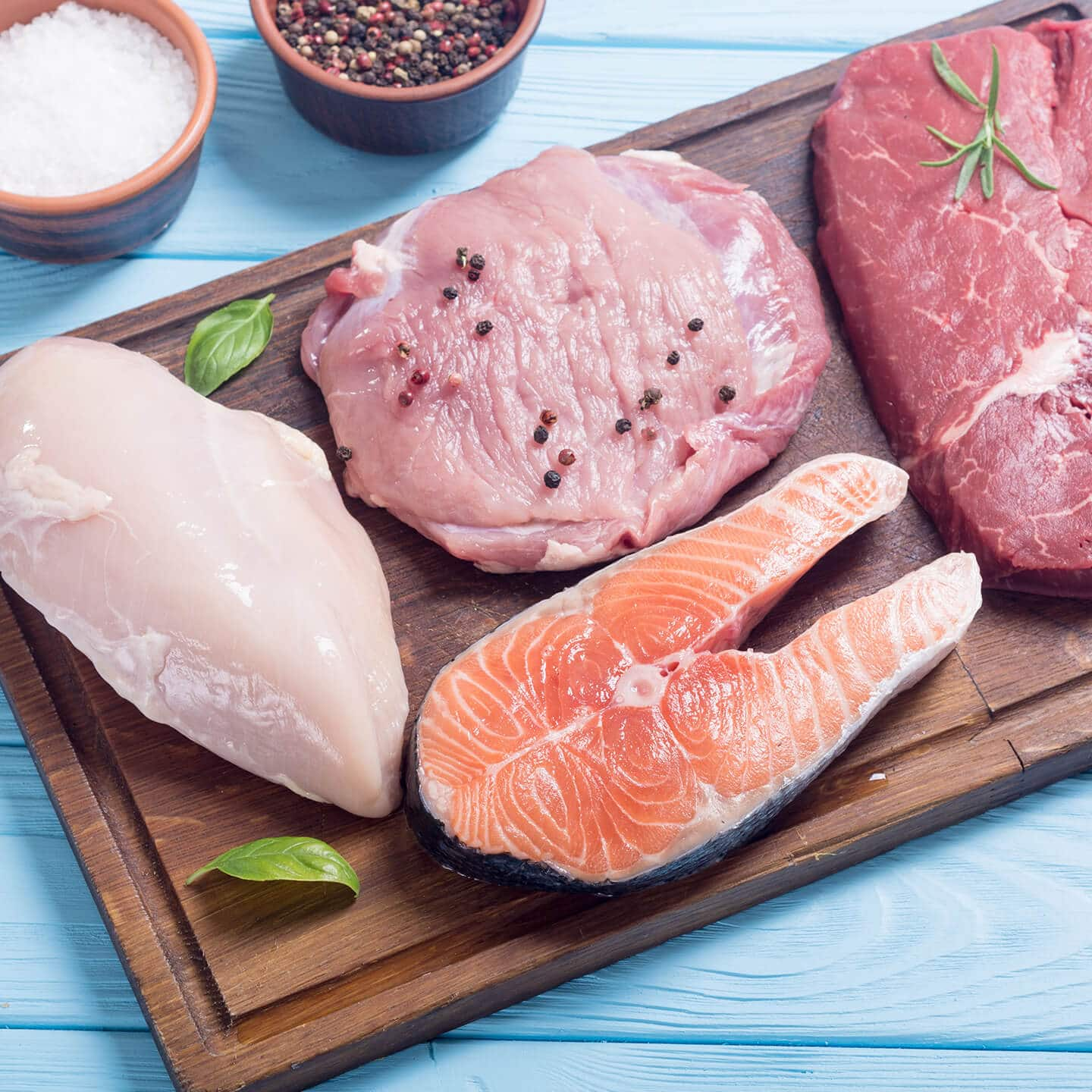
The temperature of the bottom shelf, just above the crisper drawer, is no higher than 2 to 3 °C. You should store easily perishable food on this shelf, such as meat, fish, poultry and deli salads.​
how-to-store-food_slider-1_middle-shelf_card-4.jpg

Middle shelf

What belongs on the middle shelf

The middle shelf is usually about 5 °C, making it ideal for dairy products like yoghurt, milk, quark and cream. It’s also the perfect place for cheese and sausages.
how-to-store-food_slider-1_top-shelf_card-5.jpg

Top shelf

What belongs on the top shelf

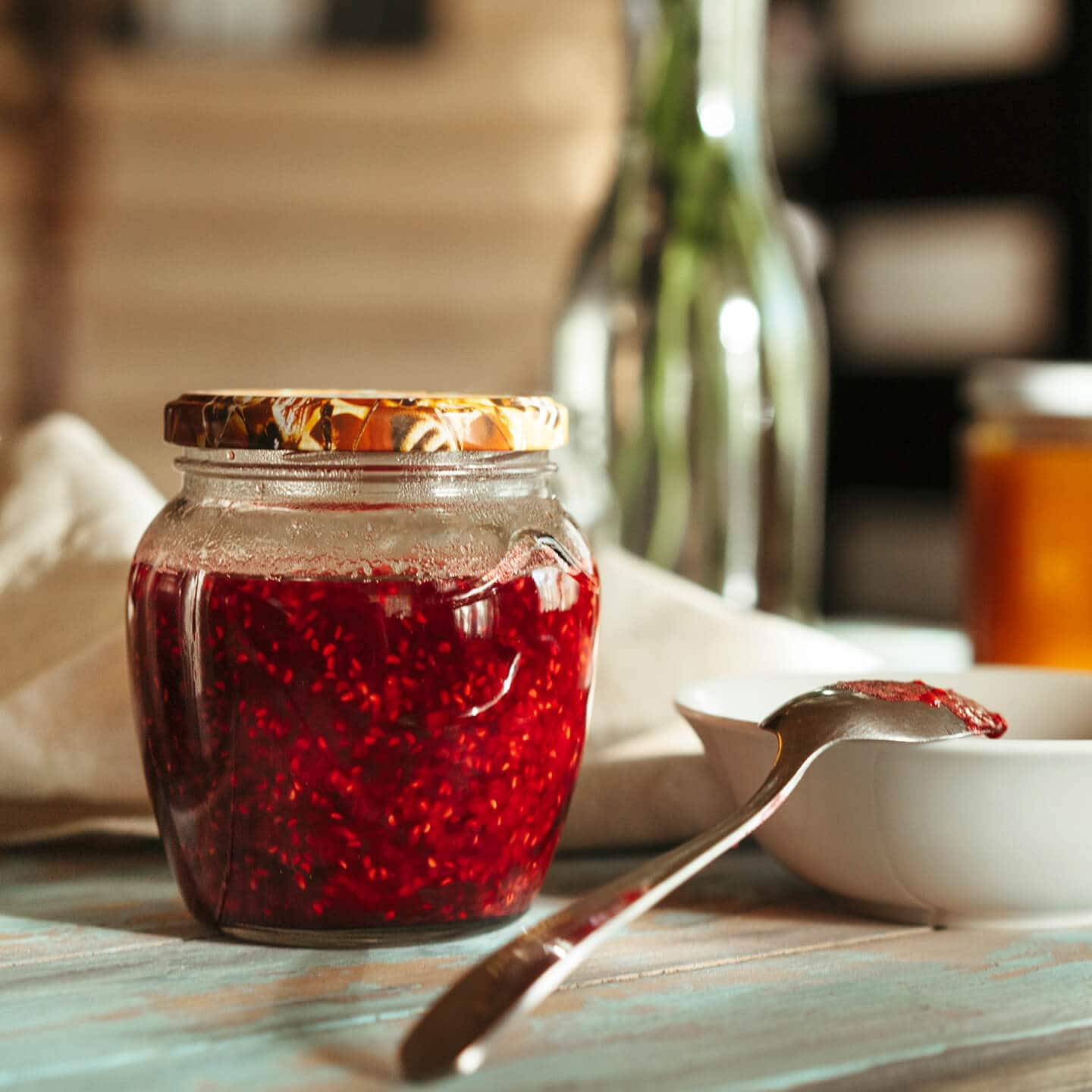
The top shelf of a fridge is comparatively warm. The temperature here is usually between 8 and 10 °C. You can store butter and jams at this mild temperature. Leftover food you intend to eat soon can also be kept here, as this area is perfect for preserving flavour.​​​​​​​
how-to-store-food_image-copy-4-cupboard-pantry.jpg

Storing foods at room temperature in the cupboard or pantry

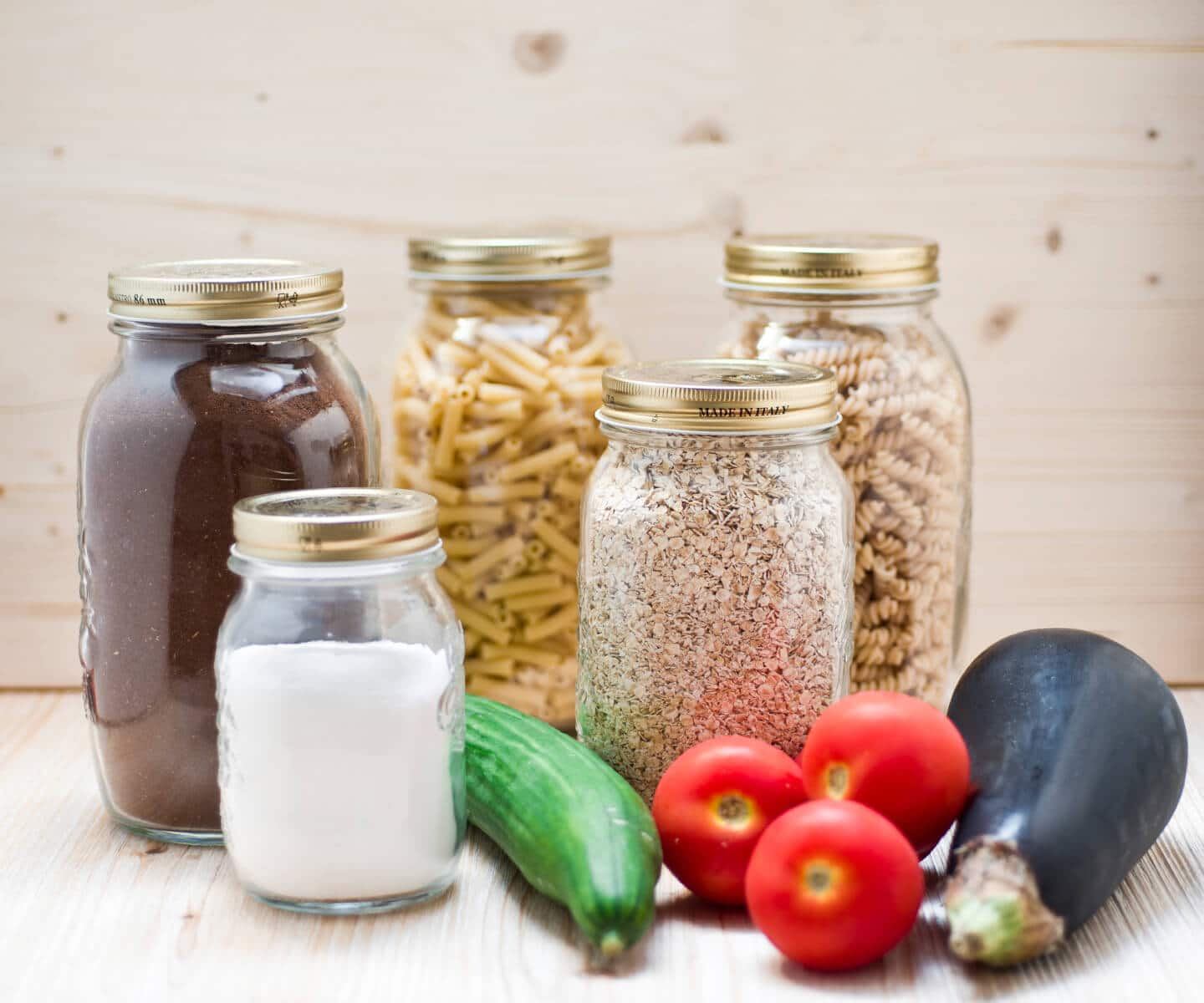
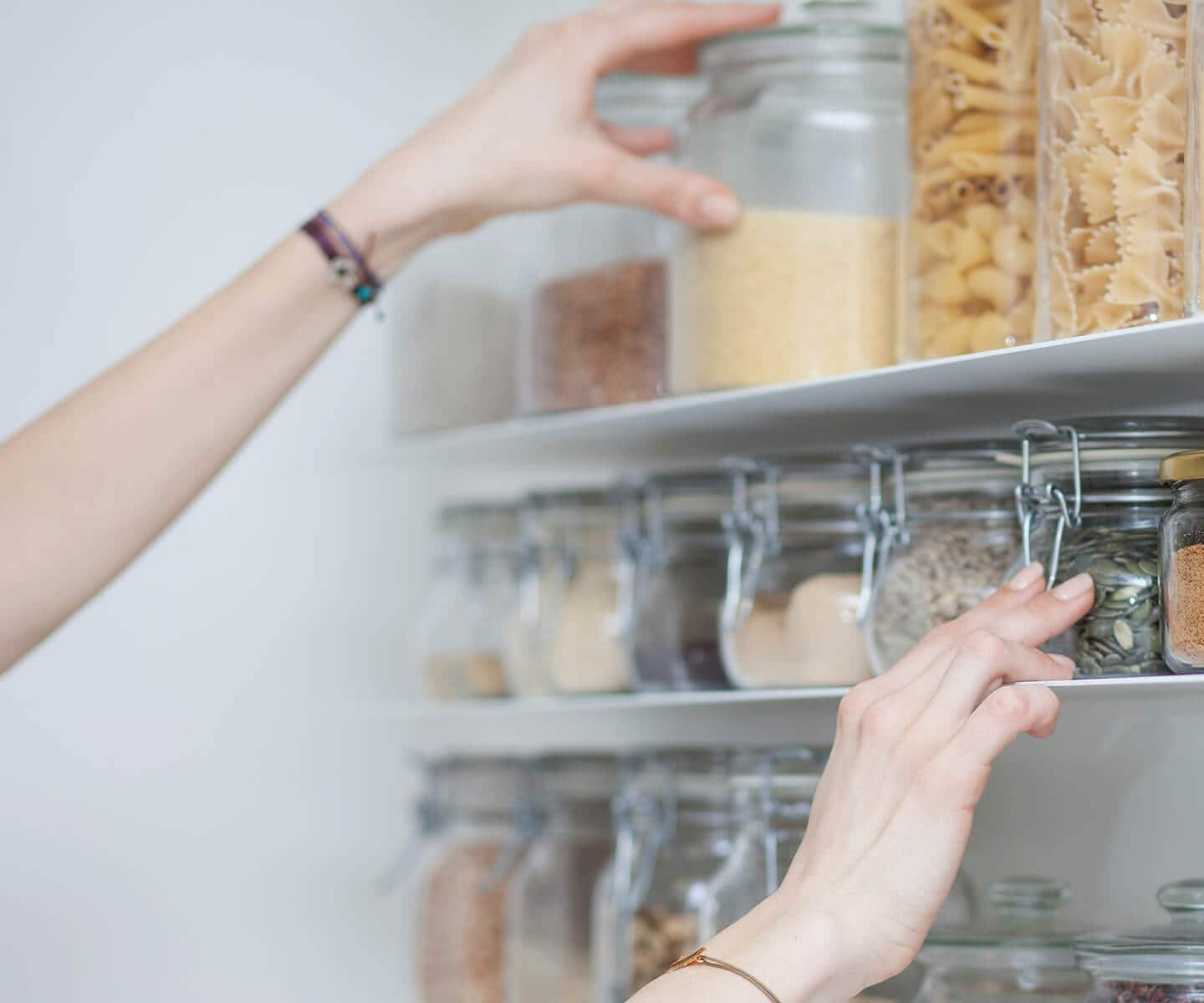
Pasta, rice, canned goods and the like don’t benefit from being stored in the fridge. Instead, it’s fine to store them in a cupboard at an average of 15 to 20 °C. It’s important that food is not exposed to direct sunlight or warmth, e.g. by being kept near a hob or oven. High temperatures and moist air generated when cooking have a negative impact on the storage life of even long-life products. When tidying your cupboards or pantry, remember: put new products at the back and bring older food to the front so that it gets used first. Once you open a packet, seal it securely or transfer the contents to a sealed container. Just like when freezing food, make sure to label containers with dates – so you don’t forget what’s inside.

Storing products in the right place: What food belongs where

Whether warm or cold, moist or dry, not all foods like the same conditions. If stored incorrectly, food will lose its flavour and spoil more quickly. Let’s look at the best place to store different foods so that they stay fresh for longer.

how-to-store-food_slider-2_bread-baked-goods_card-1.jpg

Bread & baked goods

Keeping bread fresh for longer

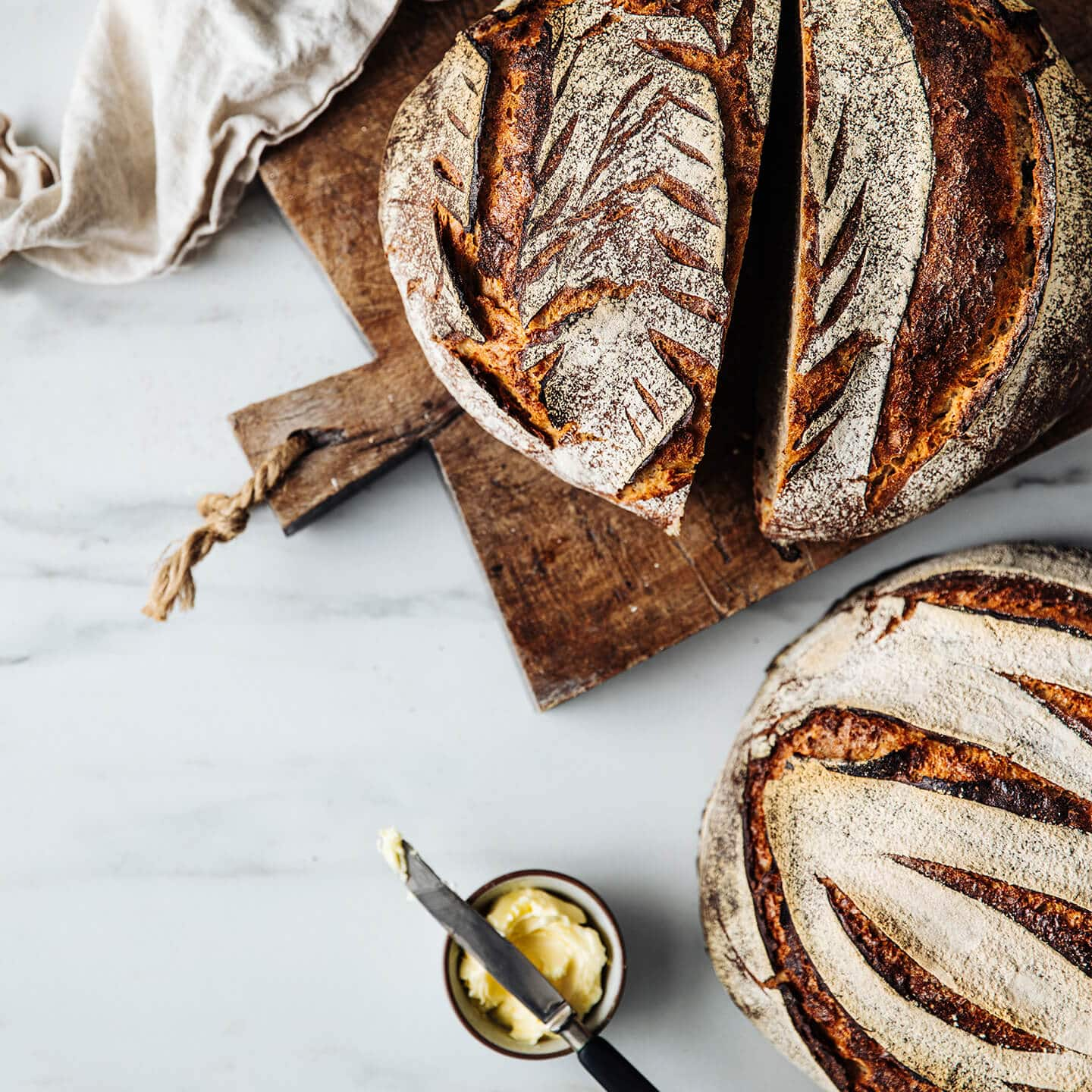
Keeping bread fresh means preventing it from drying out, such as by storing it in a bread bin or a stoneware container with a lid. Many people store bread in plastic bags. The disadvantage of this is that fresh bread from the baker very quickly turns soft when stored in airtight packaging. For this reason, it’s best to keep crisp baked goods you plan to eat soon unsealed – such as in the bag they came in from the baker.
​​​​​​​
However, drying out isn’t the only way bread can spoil. If the surroundings are too moist and air cannot circulate, water can accumulate and cause mould to develop, particularly in the case of sliced bread. Any crumbs lying around in a bread bin can also lead to mould growing. Remove crumbs every few days and wipe down the container with some diluted vinegar. In warm, humid weather, you can even keep bread in the fridge if necessary. This protects against mould, especially in the case of white bread. If in doubt, you can always freeze bread and bread rolls before defrosting them at a later date, ideally at room temperature.
how-to-store-food_slider-2_fruits-vegetables_card-2.jpg

Fruit & vegetables

Apples, carrots, salad etc.: What belongs in the fridge and what doesn’t

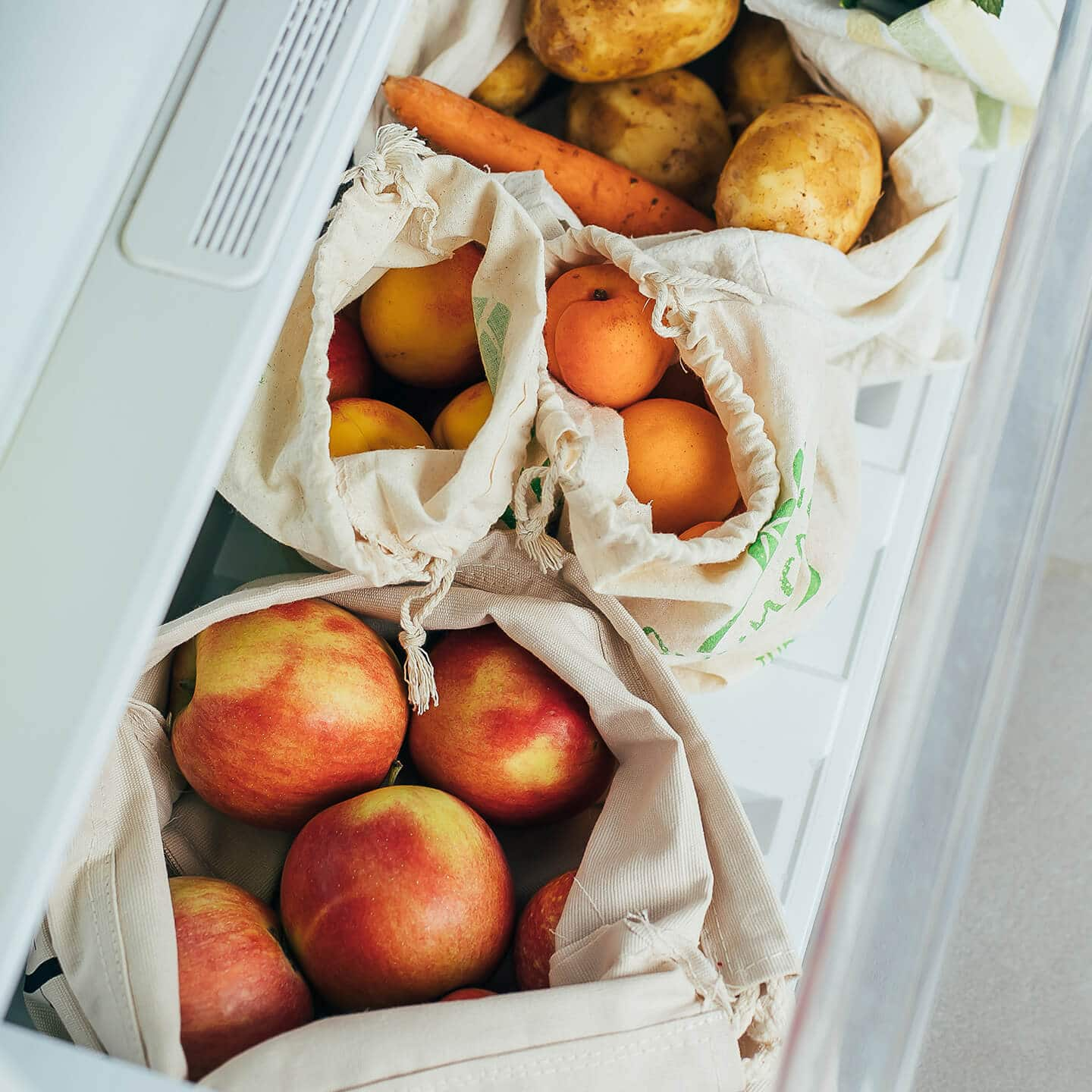
Almost all vegetables can be stored in the fridge. Aubergines, tomatoes, potatoes and pumpkins are the only ones you shouldn’t keep cold. Fruit is a little more complicated. Some types of fruit only stay fresh and retain their vitamins when chilled. Others, however, are very sensitive to the cold. As a rule of thumb, you should chill indigenous fruits like apples, cherries and plums. Exotic fruits like mangos, bananas and citrus fruits don’t belong in the fridge. Exceptions to this rule are figs and kiwis, which are quite at home in your crisper drawer.
​​​​​​​
Over time, some fruits and vegetables develop a ripening gas called ethylene. This causes other fruit and vegetables nearby to age and spoil more quickly. The highest ethylene producers include apples, apricots, plums and tomatoes. For this reason, it’s best to keep them separate.
how-to-store-food_slider-2_dairy-products_card-3.jpg

Produse lactate

Iaurt, unt și lapte: Cum să păstrați proaspete produsele lactate

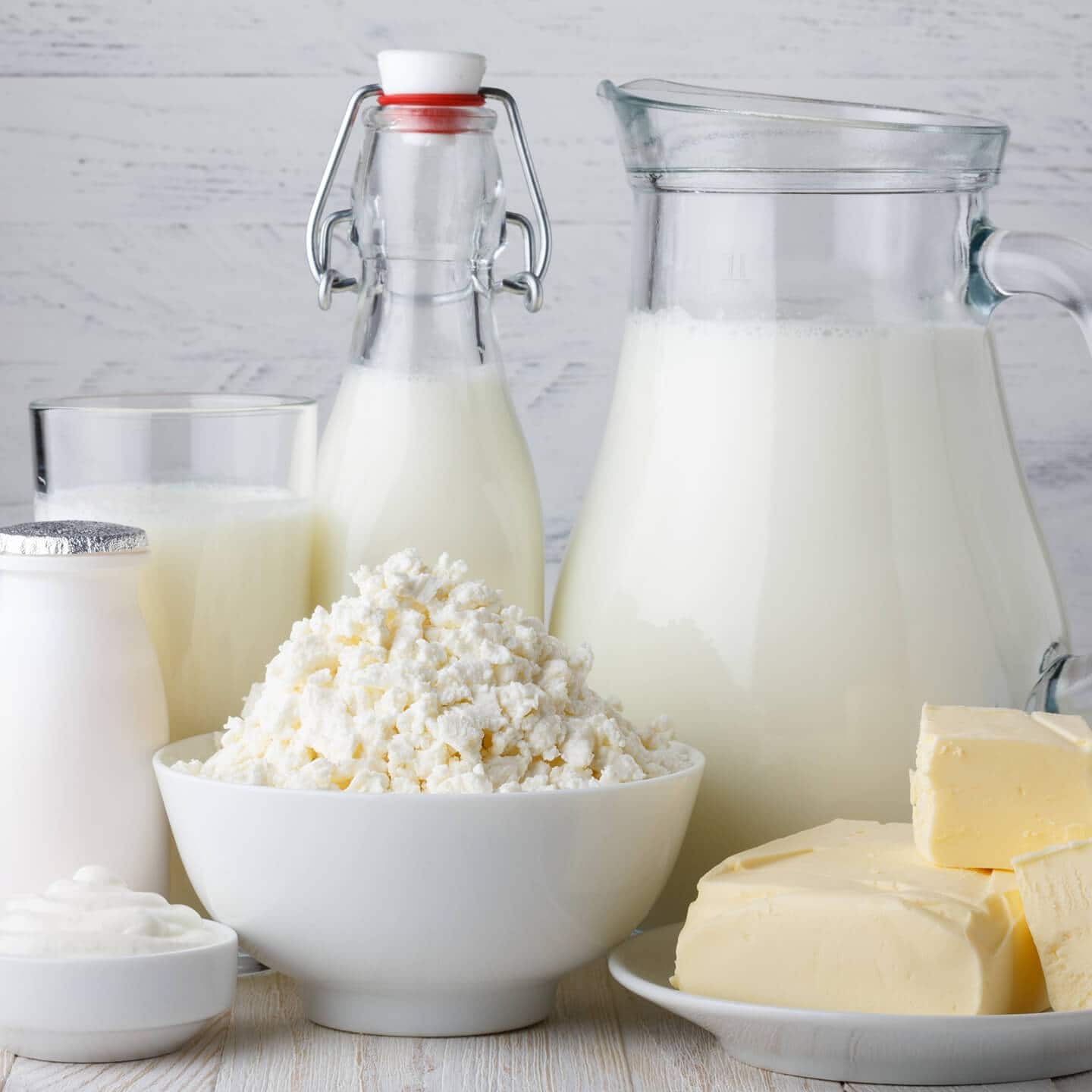
Iaurtul, laptele și untul ar trebui să ajungă de la supermarket în frigiderul dvs. acasă cât mai curând posibil. În mod ideal, ar trebui să le păstrați bine sigilate și în ambalajul lor original: puneți untul pe raftul de sus al ușii frigiderului și păstrați iaurtul și laptele în mijlocul frigiderului.
 Laptele UHT trebuie să stea la frigider doar după ce a fost deschis; se poate păstra la temperatura camerei câteva săptămâni înainte. Ar trebui să consumați laptele crud direct de la fermă în cel mult 2 până la 3 zile. Laptele proaspăt pasteurizat rămâne adesea proaspăt până la o săptămână, când este păstrat sigilat, și timp de 2 până la 3 zile când este deschis. Datorită conținutului ridicat de grăsimi, puteți congela untul înainte de a-l dezgheța în ușa frigiderului atunci când aveți nevoie.
how-to-store-food_slider-2_cheese_card-4.jpg

Brânză

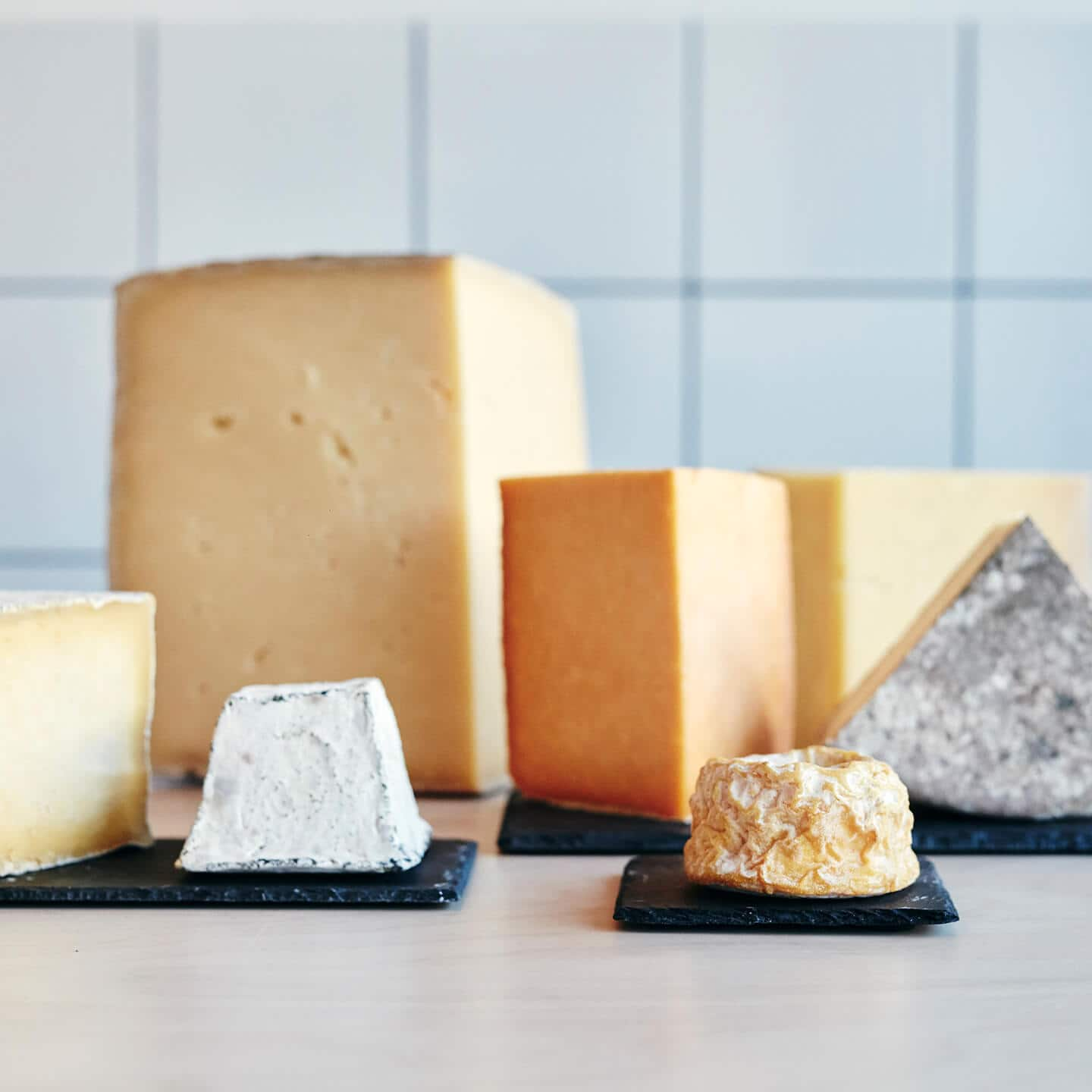
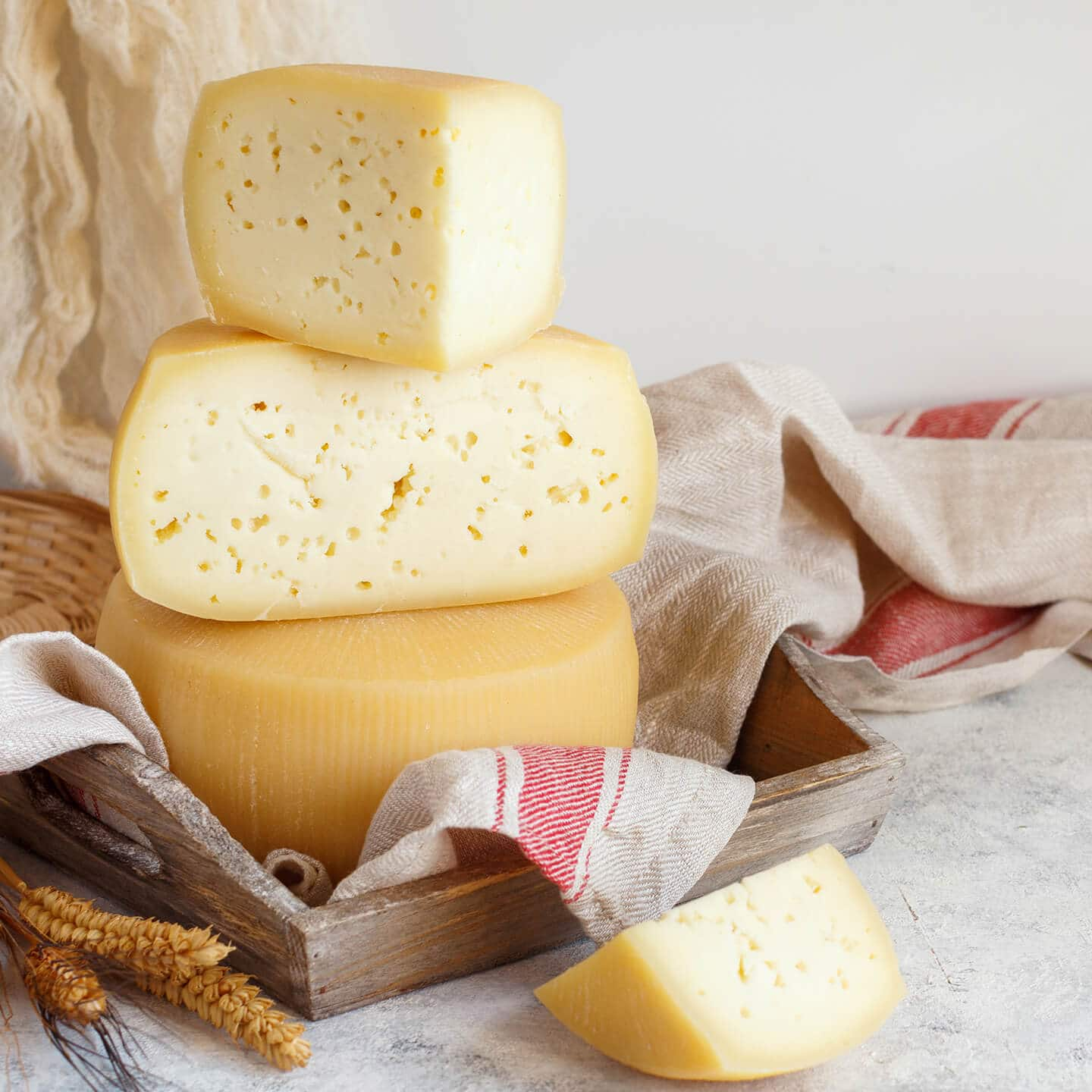
Brânza este cel mai bine păstrată în mediu bine ventilat și umed, dar cremei de brânză îi place la rece

Cu excepția cremei de brânză, toate tipurile de brânză trebuie să poată respira și, prin urmare, nu trebuie păstrate într-un recipient etanș. Cel mai bine este să păstrați brânza preambalată în ambalajul original, în hârtie specială de brânză sau într-o cutie de brânză. Acest lucru le împiedică să-și transmită aroma și previne formarea mucegaiului comestibil pe brânza tare. O altă opțiune este folia alimentară, dar nu trebuie să folosiți niciodată recipiente de plastic etanșe. Brânza este cea mai fericită pe raftul din mijloc al frigiderului. Crema de brânză, totuși, trebuie păstrată într-o zonă mult mai răcoroasă - pe raftul de jos al frigiderului. Feliile de brânză pot rezista până la trei săptămâni la frigider. Brânza feliată și crema de brânză ambalate se usucă repede odată deschise și își pierd aroma, așa că cel mai bine este să le consumați în decurs de o săptămână de la deschidere.
how-to-store-food_slider-2_pasta_card-5.jpg

Pasta

The best way to store pasta, spaetzle and gnocchi

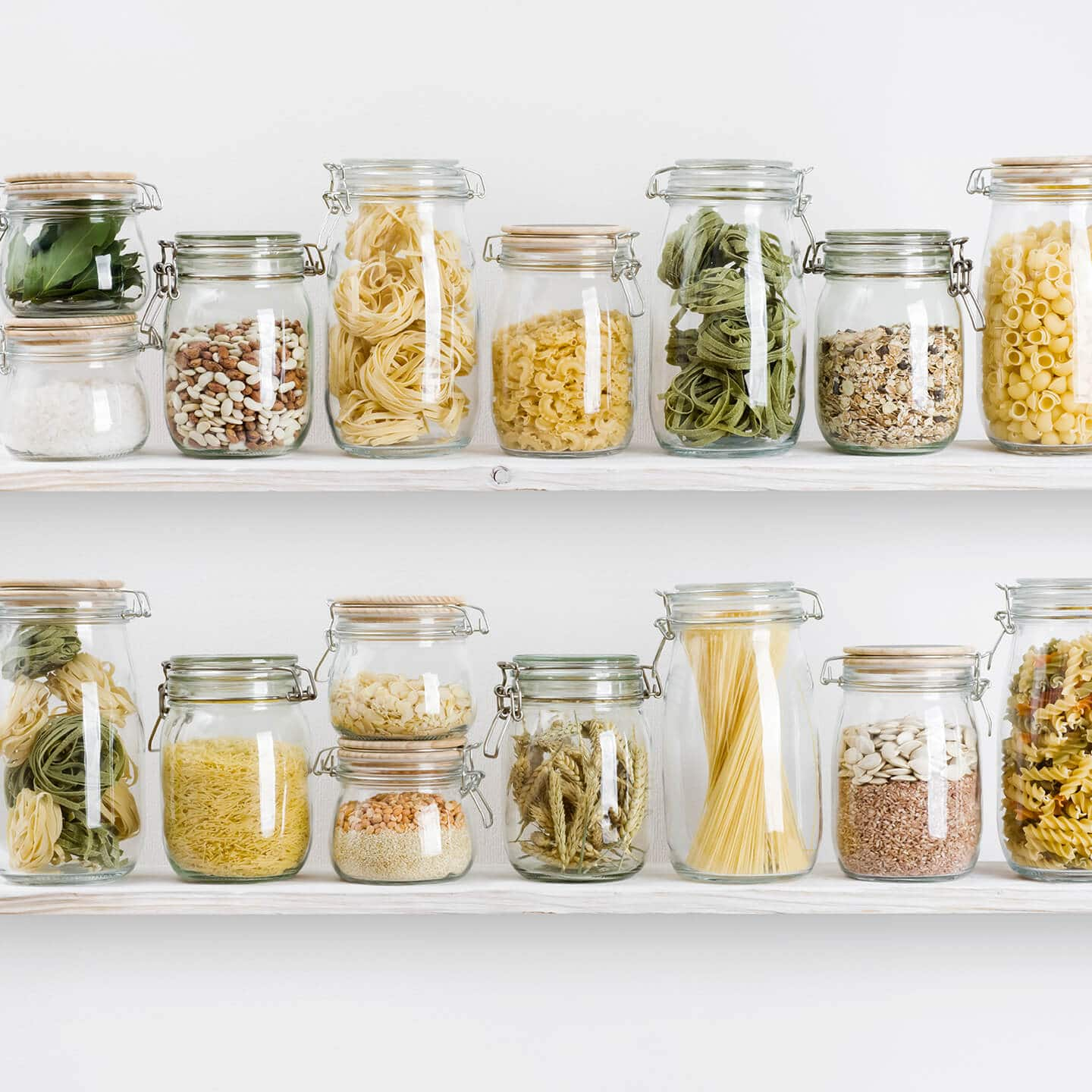
You can store dried pasta for up to a year. It’s important to store it at room temperature and keep it dry and well sealed. Why? Well, like other dried goods – such as flour, muesli and tea – dried pasta is particularly susceptible to pests, such as food moths.

Fresh dough-based products like pasta, spaetzle and gnocchi are extremely susceptible to germs. When well chilled, they will keep in the fridge for three or four days. Proper food preparation is a key factor in ensuring that food stays fresh for as long as possible. Simply make sure to cook pasta only until it is al dente – firm to the bite. Spätzle and gnocchi are ready as soon as they start to float to the surface. You can keep leftover pasta on the top shelf of the fridge, where it will stay fresh for one or two days. It’s best to keep cooked pasta in sealed containers so that it doesn’t become hard.
how-to-store-food_slider-2_meat_card-6.jpg

Meat

Things to remember when storing meat

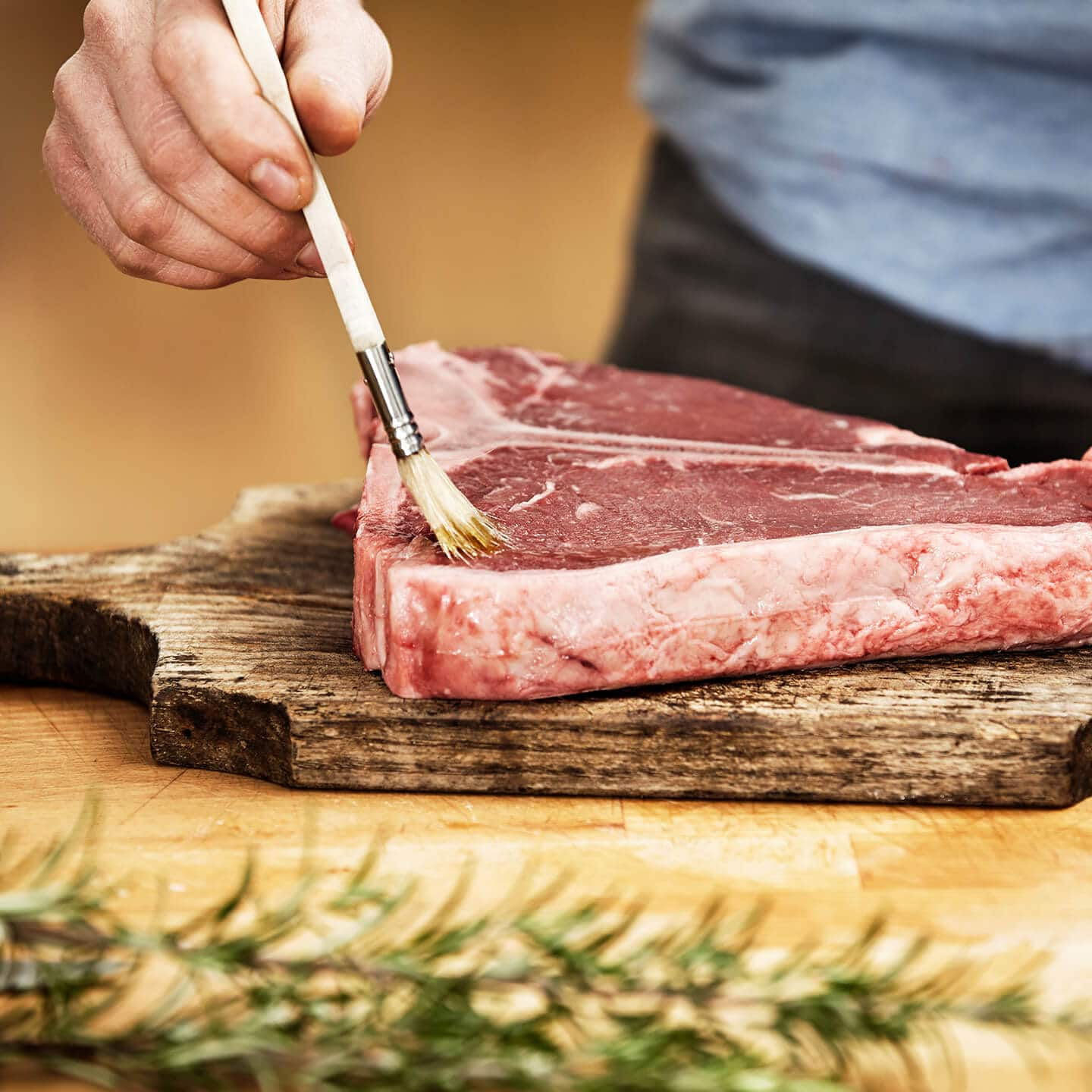
Meat, poultry and sausages are foods that spoil very quickly. If at all possible, you should avoid breaking the cold chain or only do so for a very short time. The best way is to take a cool bag with you to the supermarket. At home, place meat on the bottom shelf of the fridge straight away, as this is the coolest part of the fridge.
​​​​​​​
If you buy meat in plastic packaging, you should replace this before putting it in the fridge. Remove the meat from the packaging, dab it dry with kitchen paper, wrap it in baking paper and place it in an airtight container to protect against germs. Beef can be stored for 3 to 4 days; veal and pork will keep for 2 to 3 days, but poultry only stays fresh for 1 or 2 days. Take care when it comes to minced meats – if possible, you should eat these on the day you buy them. Always defrost frozen meat in the fridge and remember that this can produce defrost water.​​​​​​​
how-to-store-food_slider-2_fish_card-7.jpg

Fish

The best way to store fish

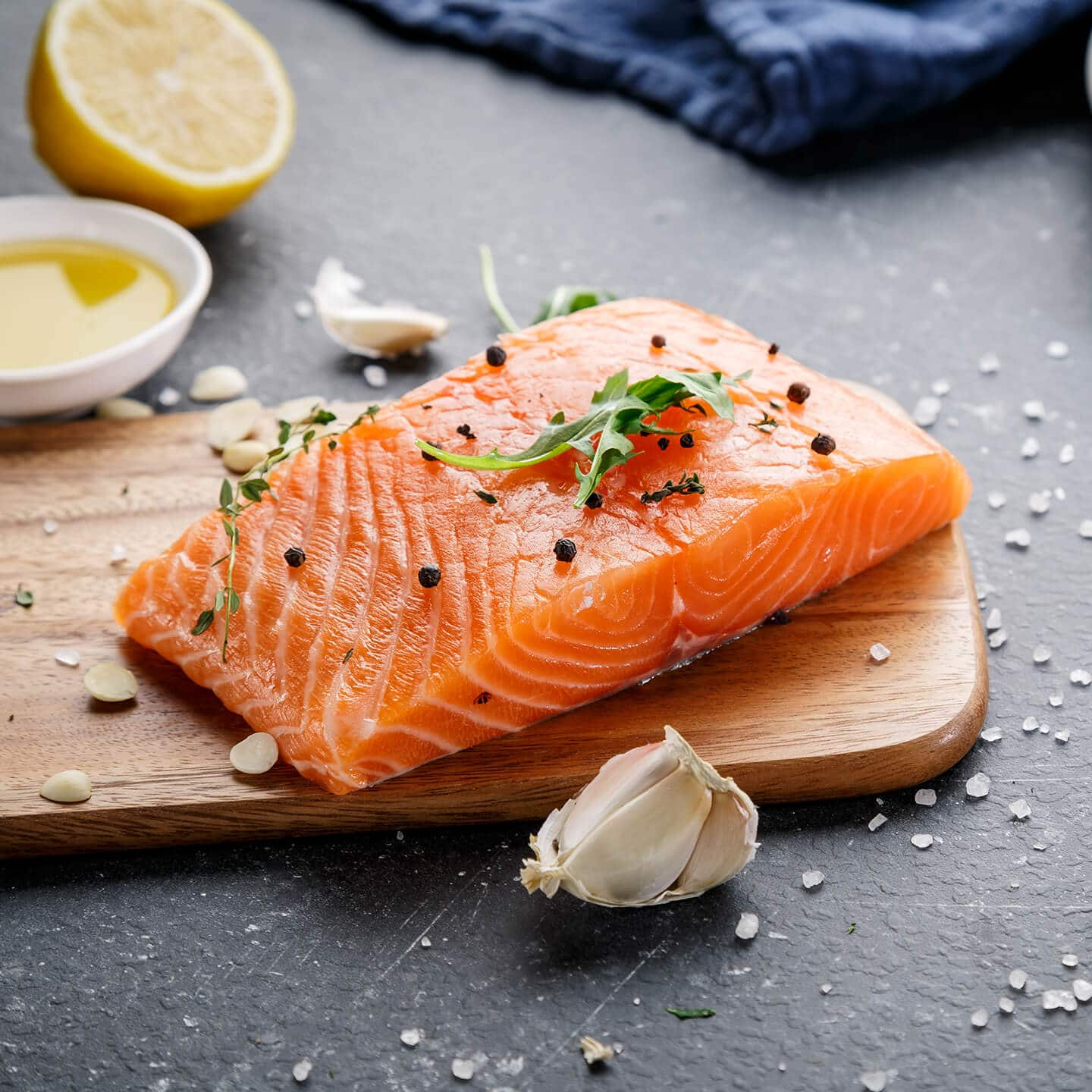
Fish is even more perishable than meat. As a result, it’s best to eat fish straight after you buy it. If you buy fresh fish from the fish counter, don’t leave it in its packaging: store it in a glass or porcelain container, cover it with cling film and ice, and store it in the fridge for 1 day at most.
​​​​​​​
Store pre-packaged fish from the deep-frozen section in your freezer and keep an eye on the best-before date! The smoking process helps smoked fish stay fresh for longer. You can keep this in your fridge, covered in cling film, for up to around 3 days. Always defrost frozen fish in the fridge and remember that this can produce defrost water.​​​​​​​​​​​​​​

Little hint: You don’t need to throw away food past its best-before date

 
  • Most food has a best-before date (BBD) on its packaging. However, food doesn’t automatically go bad just because this date has passed. This is the date until which the manufacturer guarantees typical product characteristics, such as taste, aroma, consistency and colour.
     
  • It’s important to distinguish between the best-before date and the use-by date for perishable foods such as raw fish, mince and fresh poultry. You should not eat products after their use-by date and should throw them away instead.
     
  • Take a look, have a taste, smell food for yourself: trust your senses! It’s often easy to tell whether food is still good enough to eat once its BBD has passed.
     
Braun Did You Know Icon

Tudta?

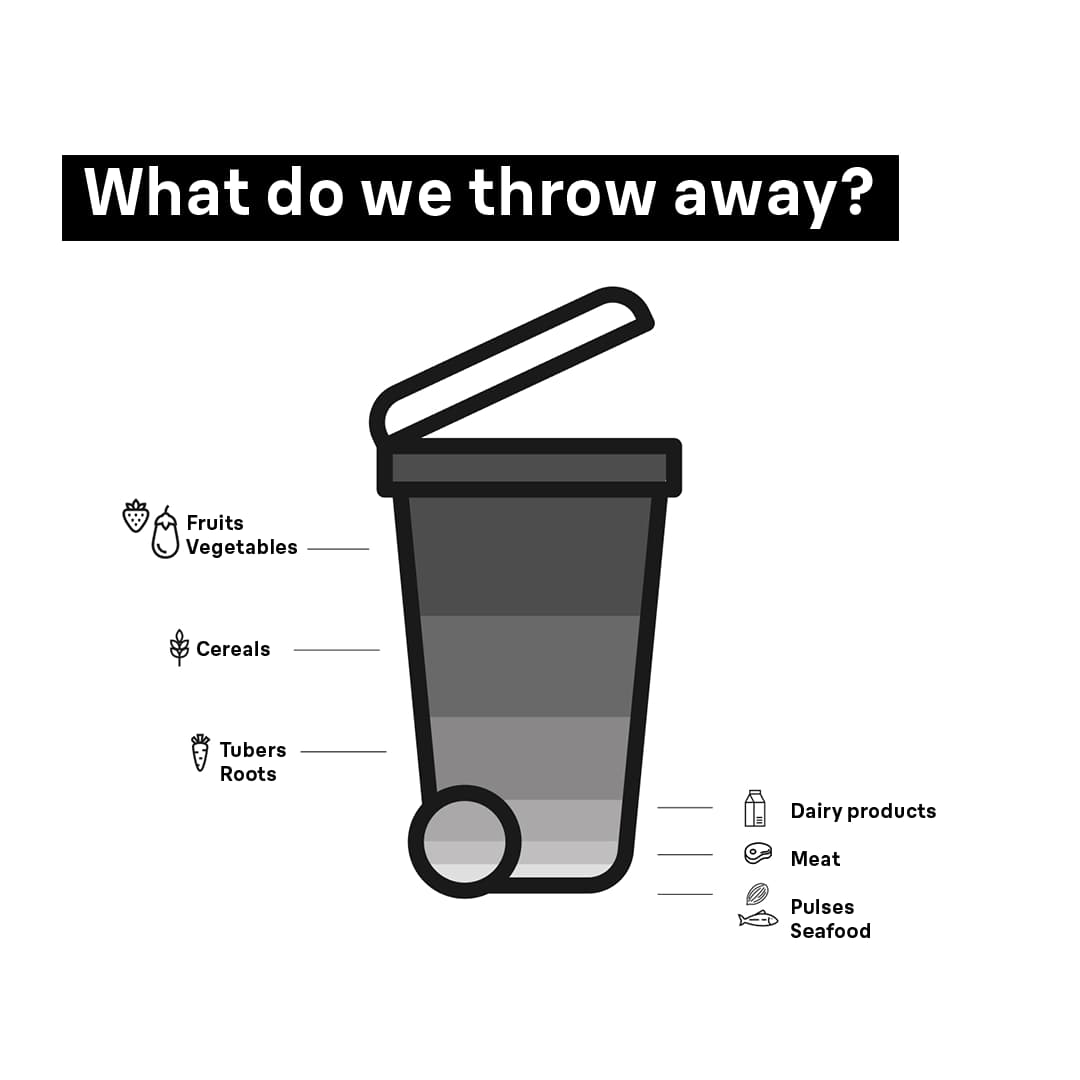
Egyikünk sem tervezne úgy tudatosan előre, hogy kidobjuk az általunk vásárolt élelmiszer egyharmadát. A statisztikák azonban azt mutatják, hogy pontosan ez az a mennyiség, ami a kukában végzi, felhasználatlanul. Az Egészségügyi Világszervezet (WHO) becslései szerint ez évente 1,3 milliárd tonna kidobott élelmiszernek felel meg világszerte. Ez elképzelhetetlen mértékű élelmiszerpazarlás, amikor belegondolunk, hogy világszerte 690 millióan éheznek.

Did you know...

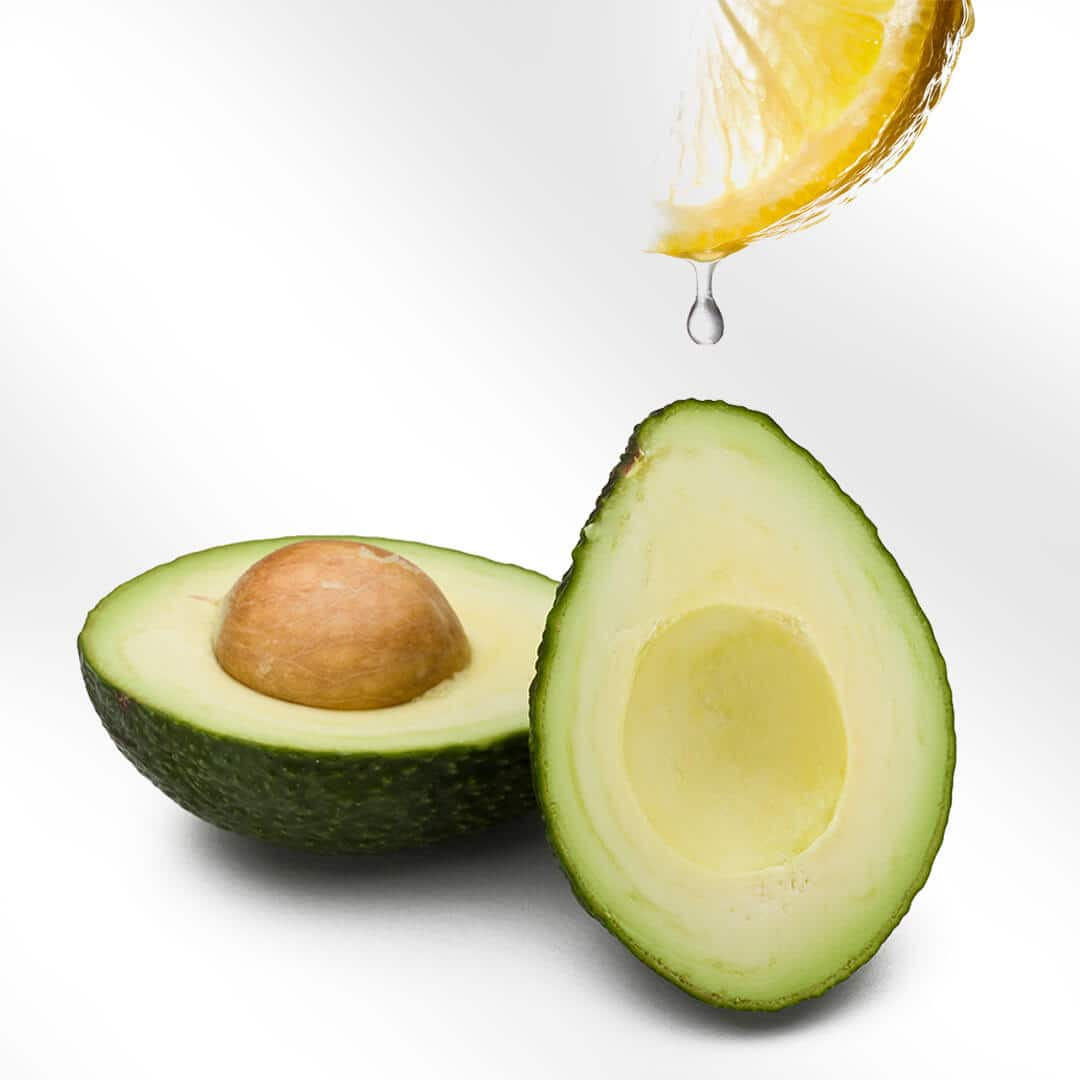
...how to keep your Avocados from browning?

Braun's kitchen hack of the day: after opening an avocado, simply sprinkle some fresh lemon juice on it to keep it from browning. It stays fresh for longer and even tastes good.

Avocado cut in half with citrus juice dripping on it.

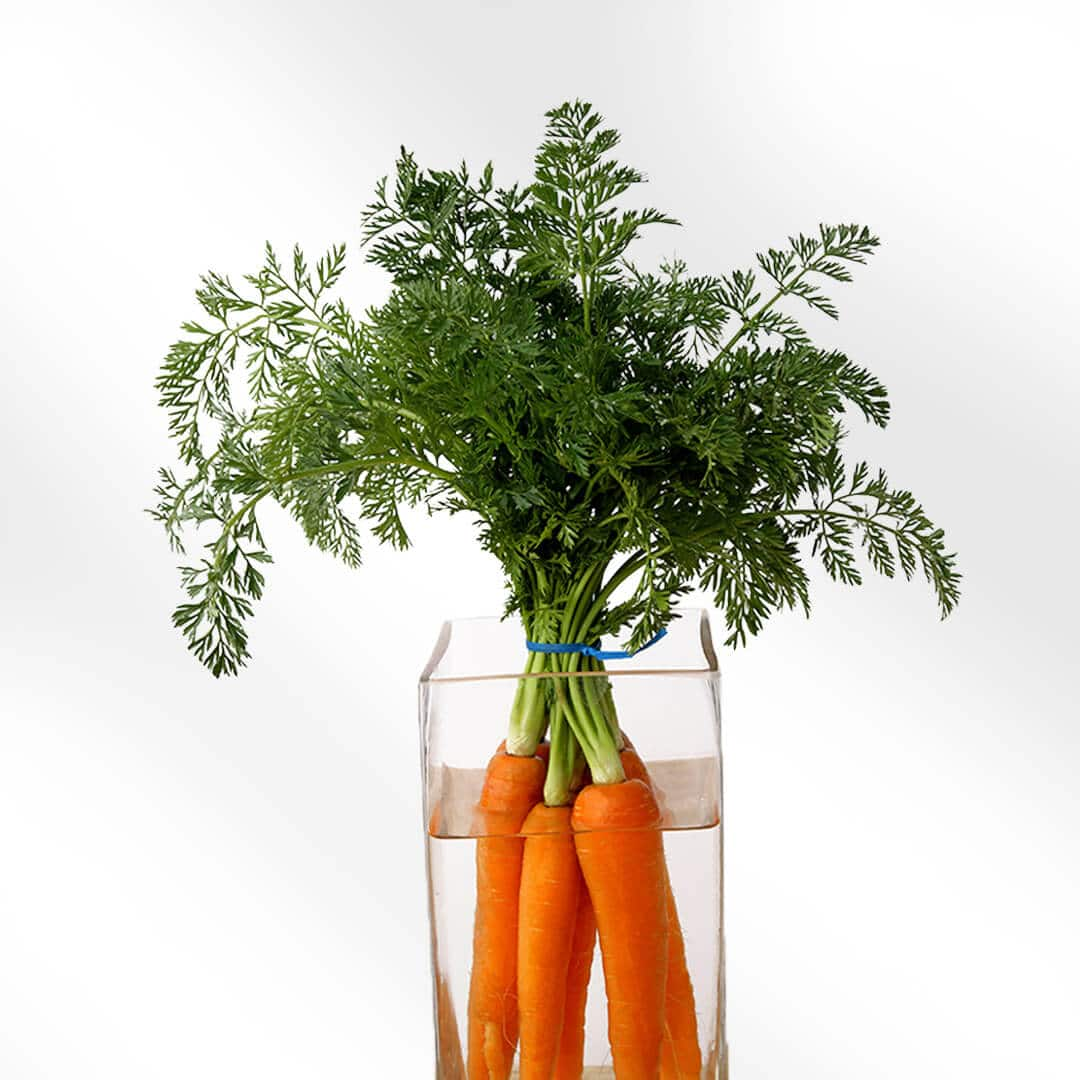
…how to keep your Carrots crisp?

We carrot wait to try this hack at home. Place your carrots in a glass of water to keep them fresh and crispy. Do you already treat your carrots like flowers and keep them fresh in a vase?

en_scs_braun_hack_card-04_Crisp_Carrots_1080 × 1080.jpg

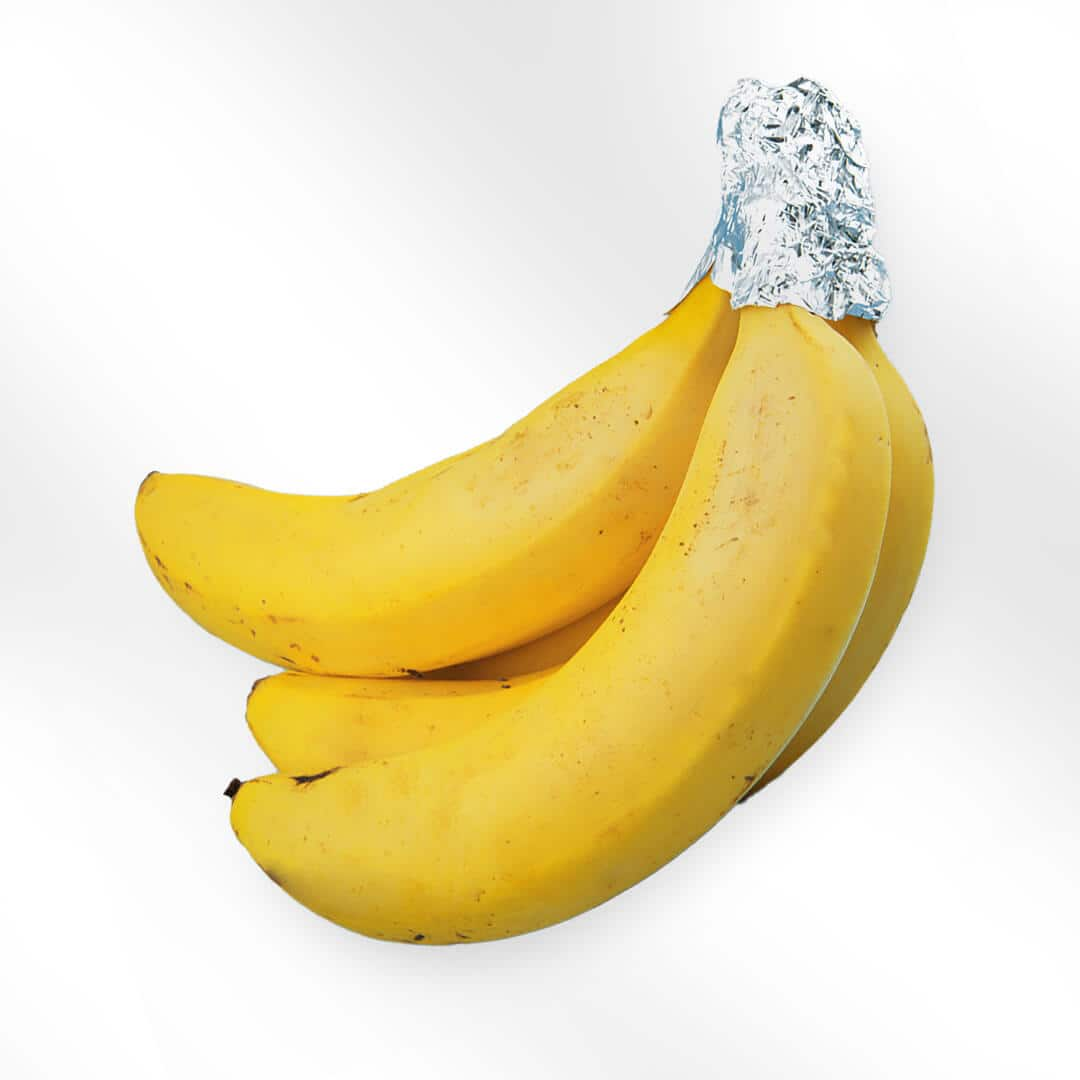
…how to keep your Bananas fresh?

Keep calm and go bananas. Did you know that bananas naturally release a gas called ethylene from their stem, and therefore tend to ripen much faster? Try and cover the stem of the bananas with a small piece of leftover foil, and the ripening process slows dramatically. Have you ever heard about this kitchen hack?

en_scs_braun_hack_card-05_Fresh-Banana_1080 × 1080.jpg

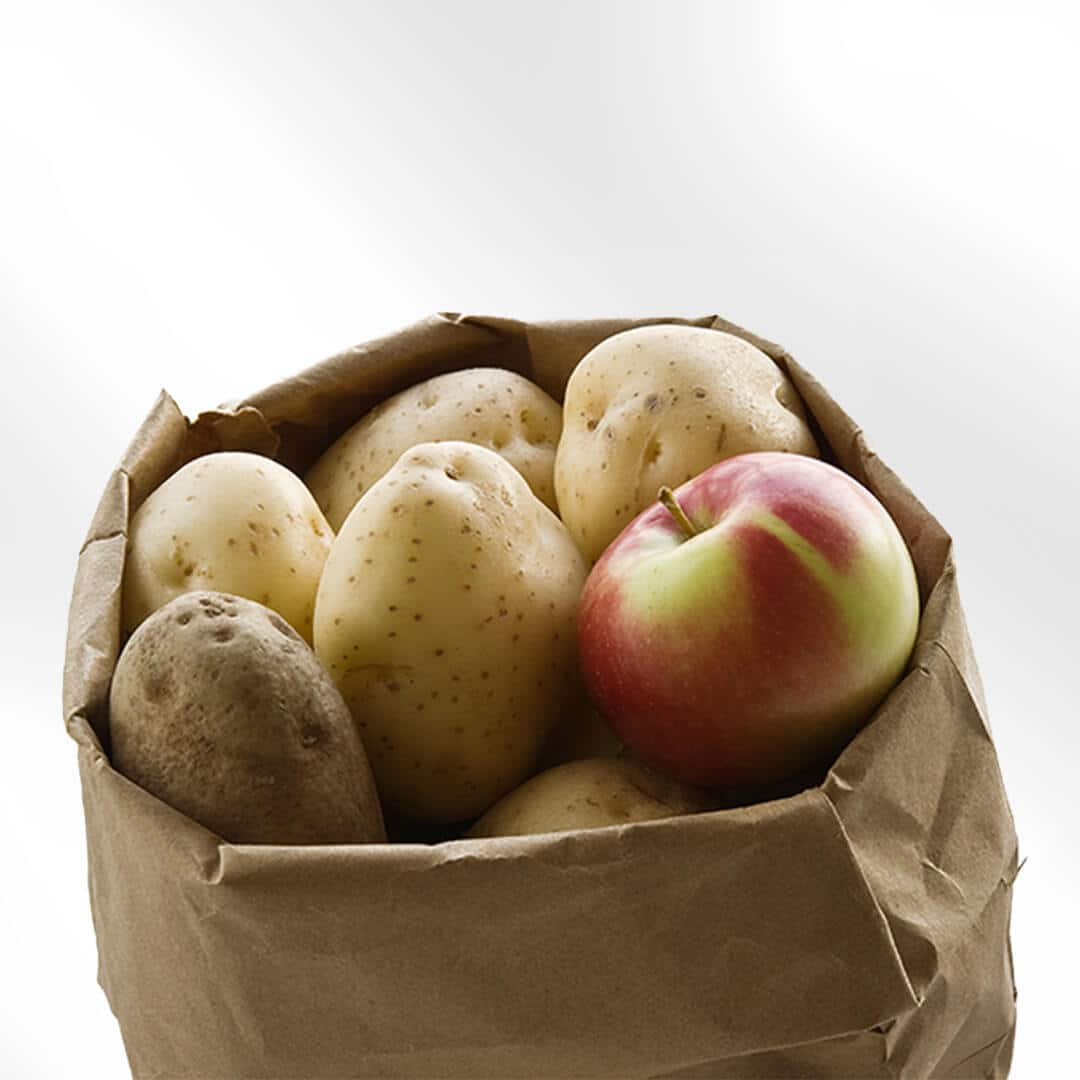
…how to keep your Potatoes from sprouting?

An apple a day keeps the sprouts away. Just place an apple in the same rack with your potatoes. With this little kitchen hack you can keep your potatoes fresh, even if you don't use them up all at once. Have you tried this before? 

en_scs_braun_hack_Card-08_Potatoes_1080 × 1080.jpg

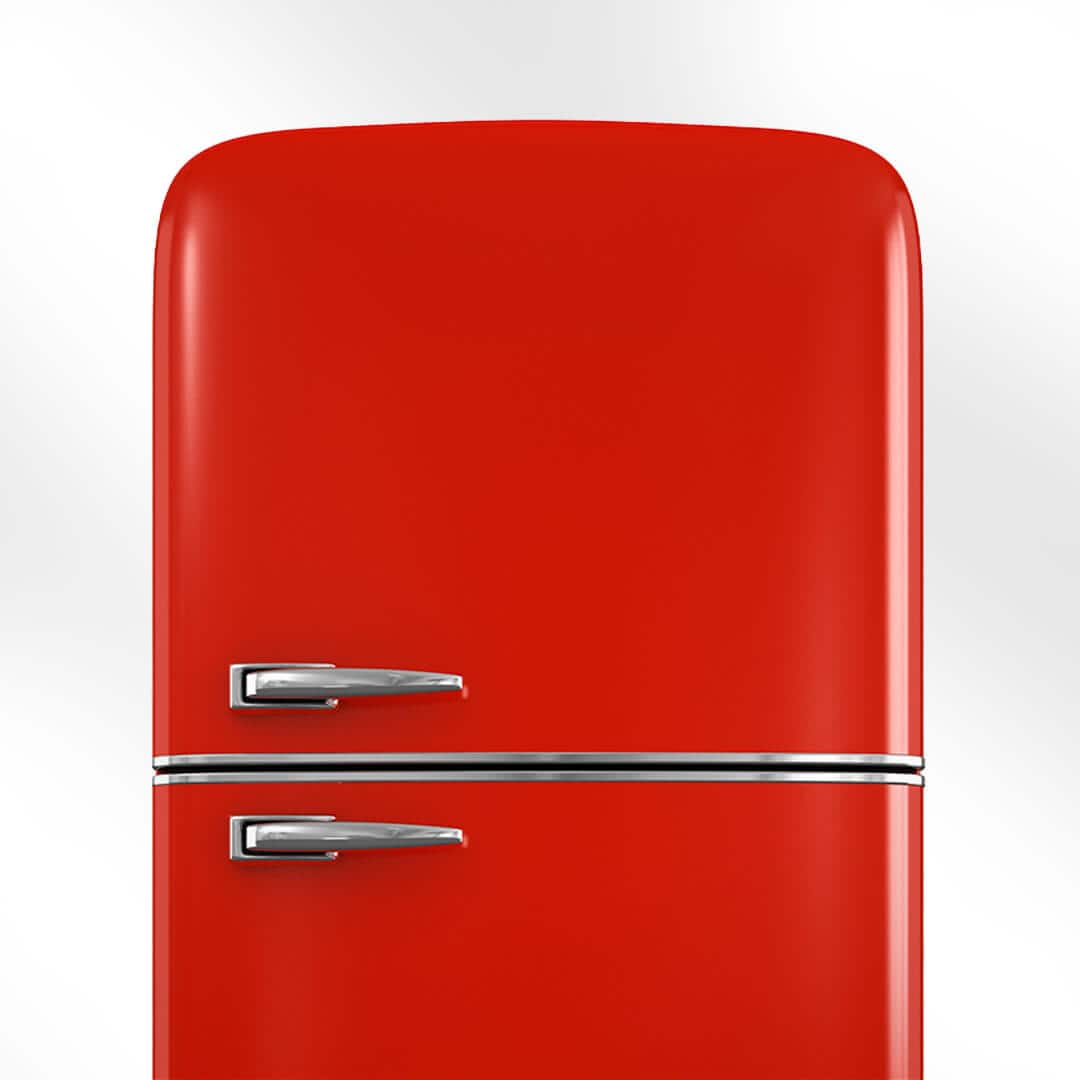
…why you shouldn't put hot food straight into the fridge?

Keep calm and stay cool. Your leftover food should always be allowed to cool to room temperature before placing it in the refrigerator. This way, you can make sure to maintain a secure temperature in your fridge as well as save energy. Have you been aware of that?

Red retro Fridge

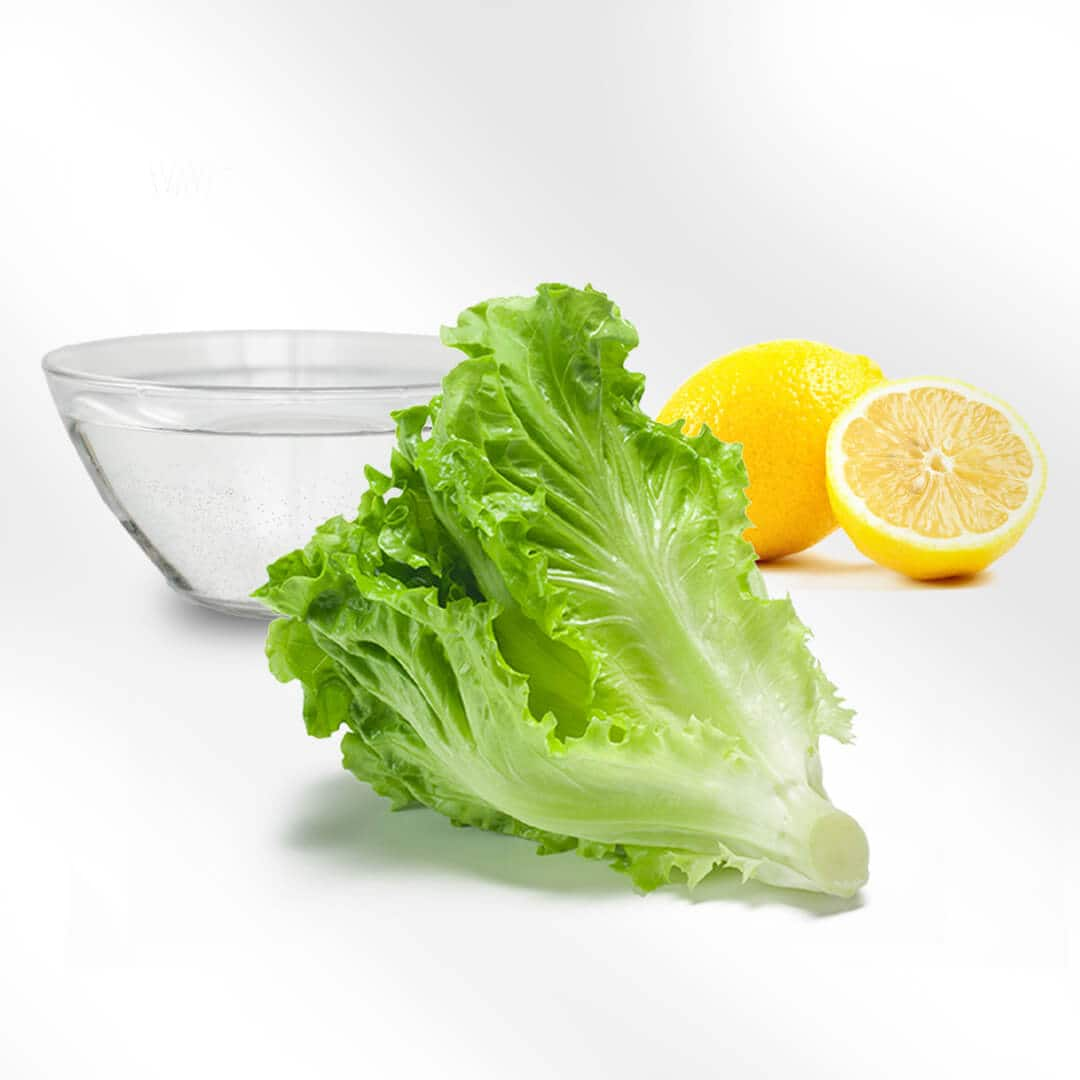
…how to make limp lettuce fresh again?

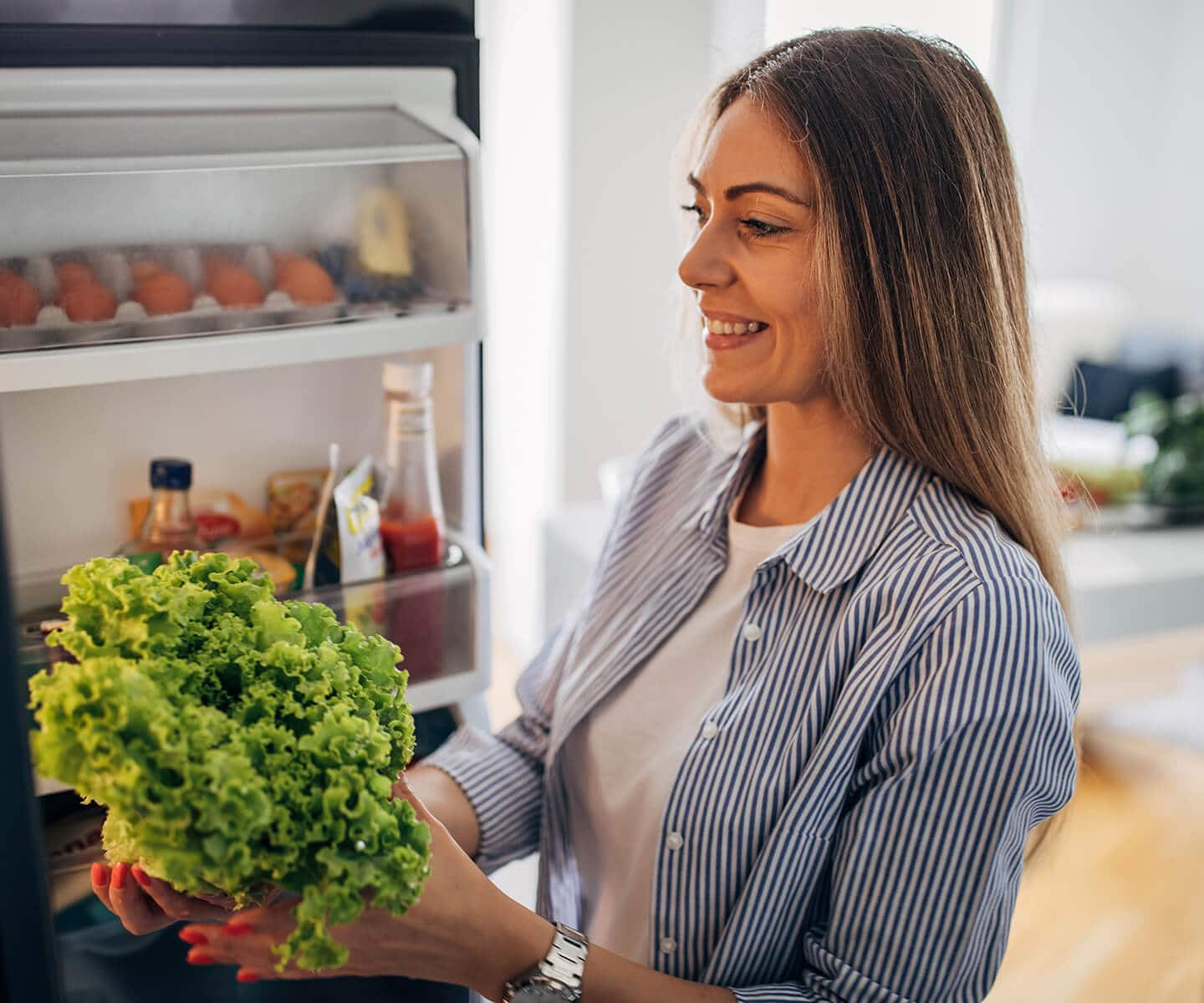
Don't throw away that limp lettuce just yet! Did you know you can bring it back to life by soaking it in cold water with lemon juice? This simple trick is a real hit for anyone who loves fresh, crisp greens.

en_scs_braun_hack_card13_Limplettuce_1080 × 1080.jpg

​​​​​​​​​​​​​​

La Braun, credem că un design bun, durabil, îmbunătățește viața de zi cu zi. Credem că, în lupta de a proteja mediul înconjurător și de a ne menține calitatea vieții, atât astăzi, cât și în viitor, fiecare acțiune contează – oricât de mică ar fi.

Articole similare.

Mai puțină risipă de alimente

Zero deșeuri: păstrați alimentele proaspete și fiți creativ cu resturile.

teaser_zero-waste_header.jpg

Înapoi la școală

Pregătirea alimentelor pentru școală

Food prep for school
Loading