Country preference? Choose the preferred country to view local content and get a better experience.
From the everyday things. To a better future.
Simple.
Design that doesn’t get in the way of life. With that simple application of pressure - click - you get what you want. Nothing more than what it needs to be. Which means you can get on with what you want to be.
Useful.
Everything has a purpose. A human problem to solve. Down to the finest details. Because good design shouldn’t leave anything behind, it’s thorough and has a reason for being. There is no design for design’s sake.
Built to Last.
When something has been designed well. It doesn’t need anything new, there is no obsolescence - it doesn’t dominate or take over. It lasts. Better for the environment, better for people.
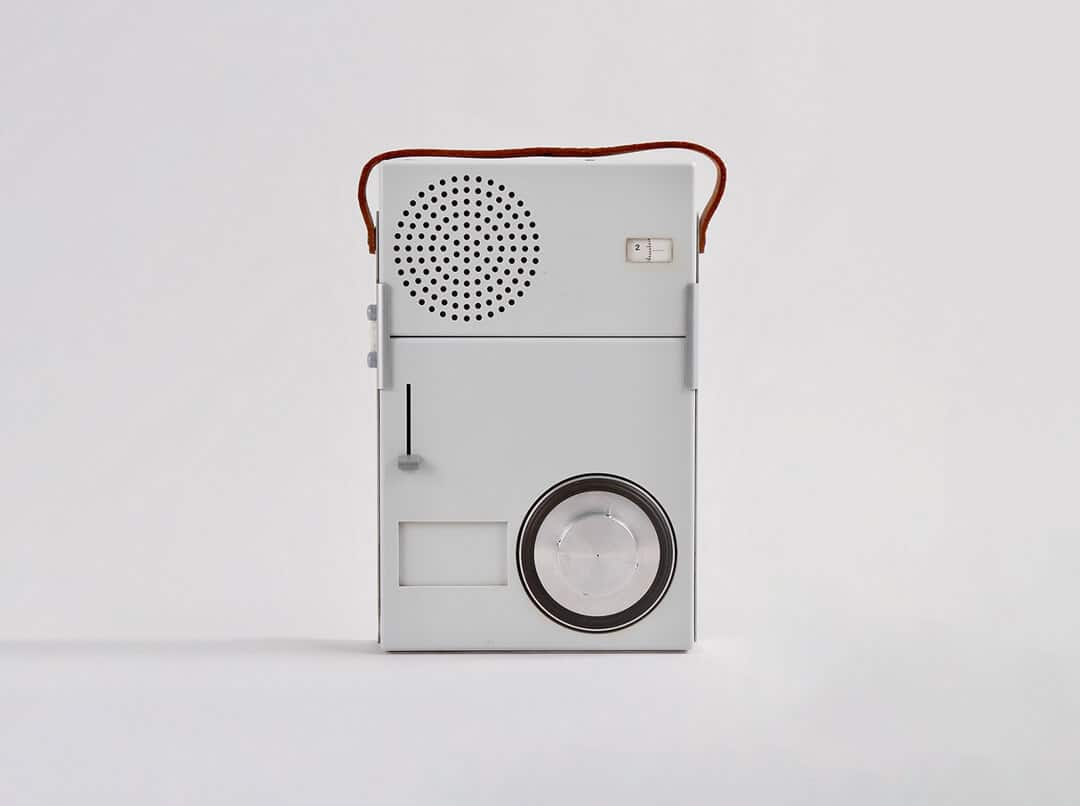
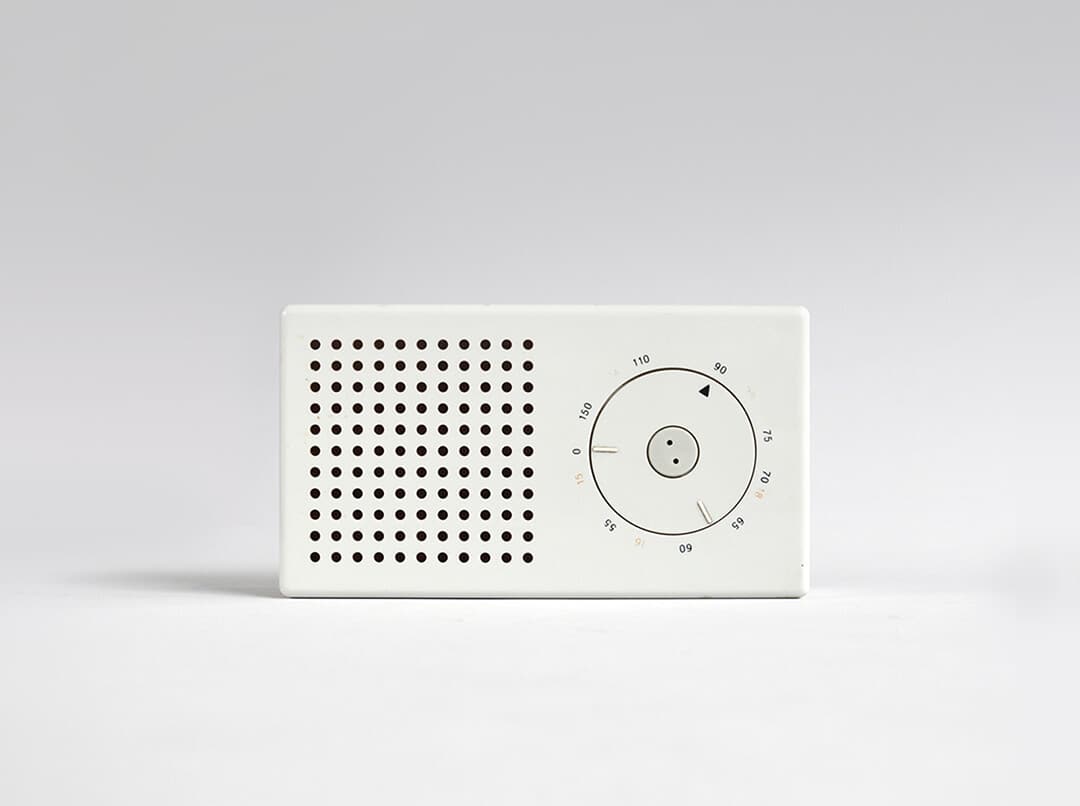
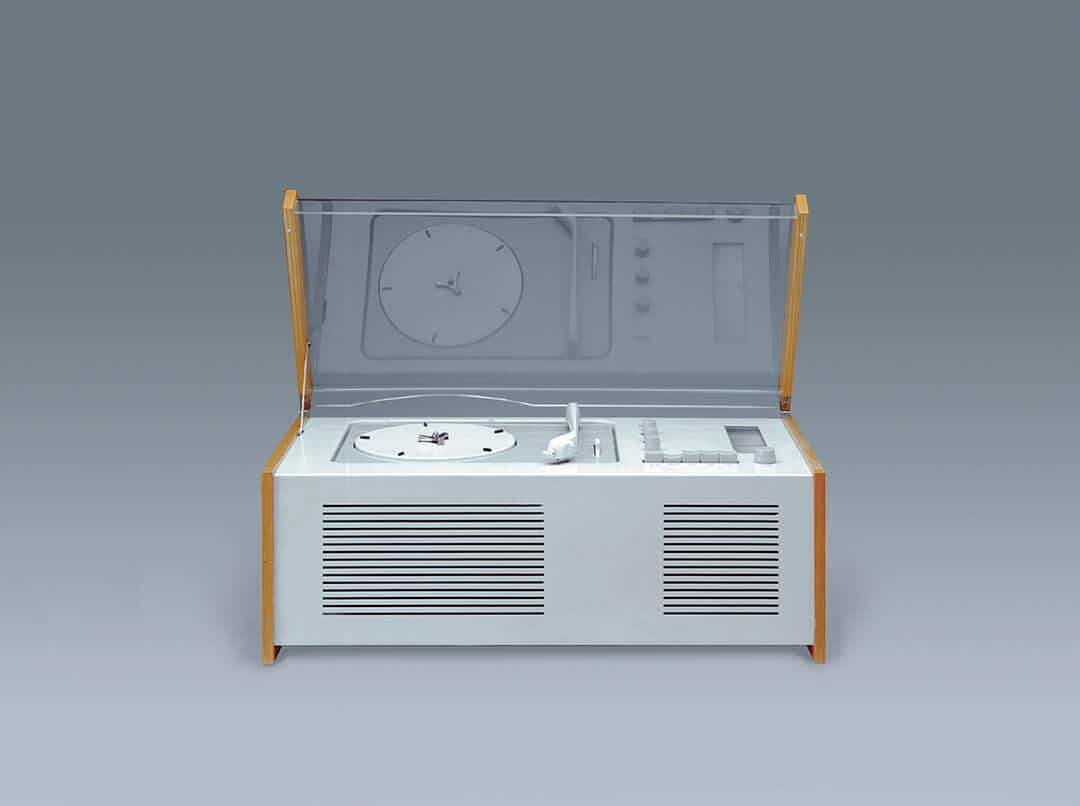
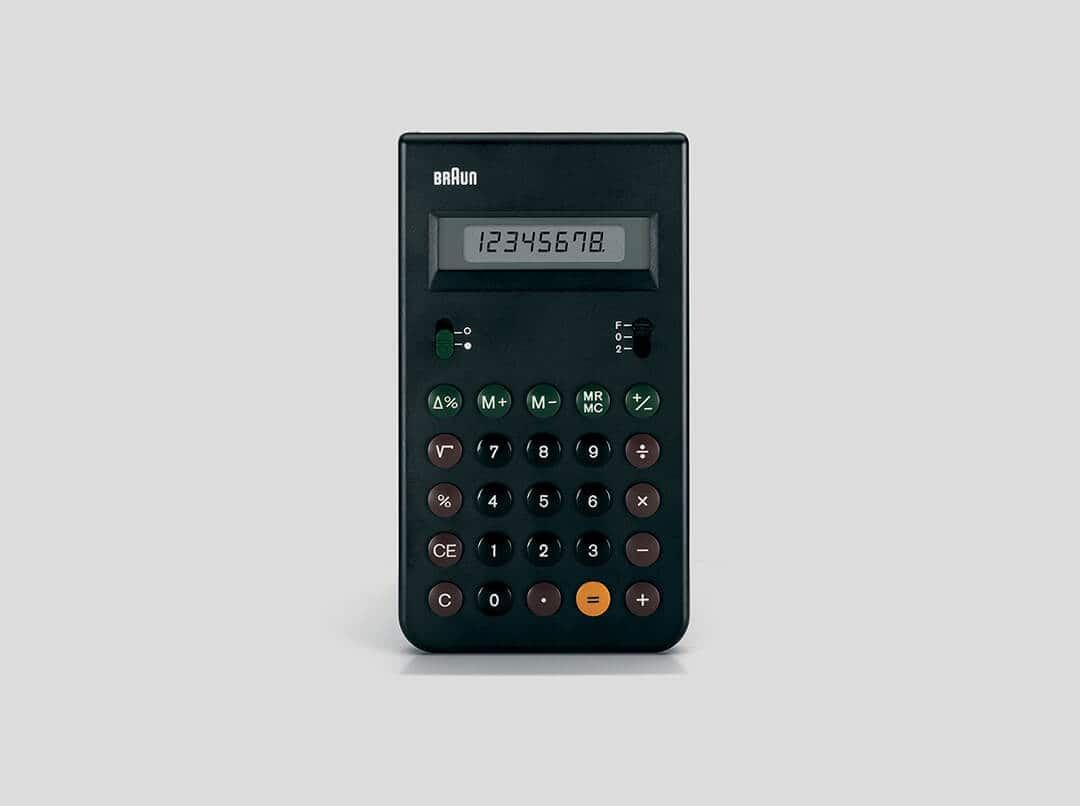
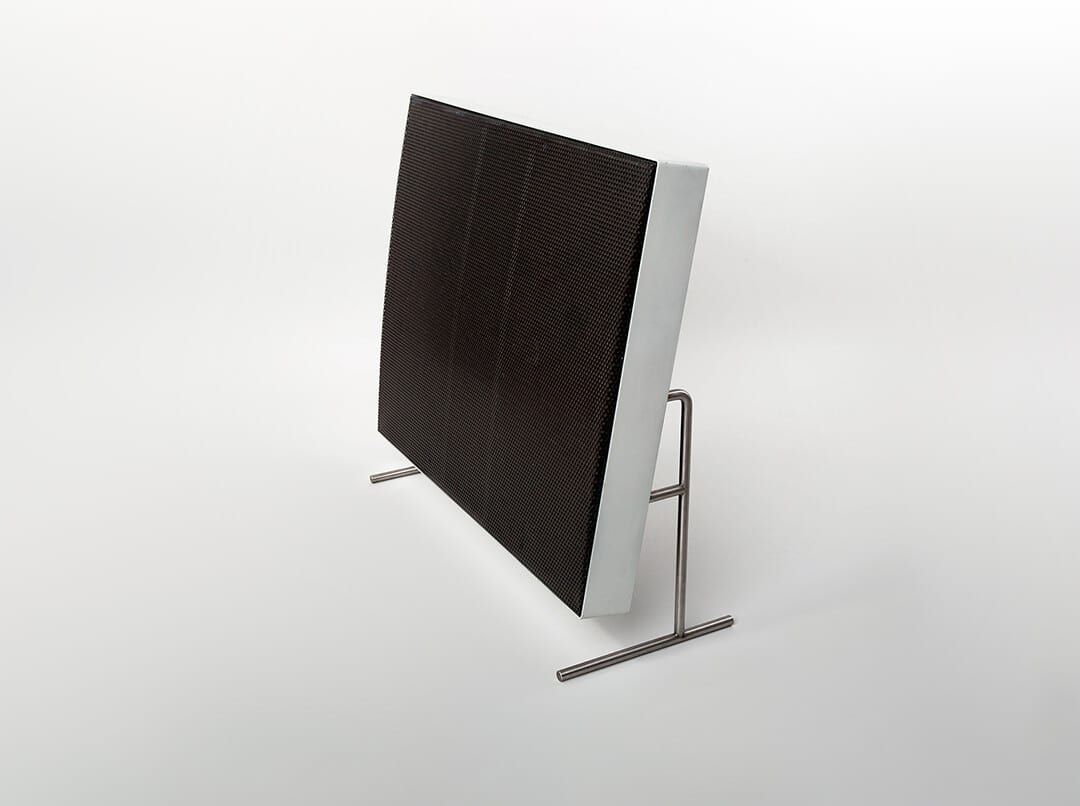
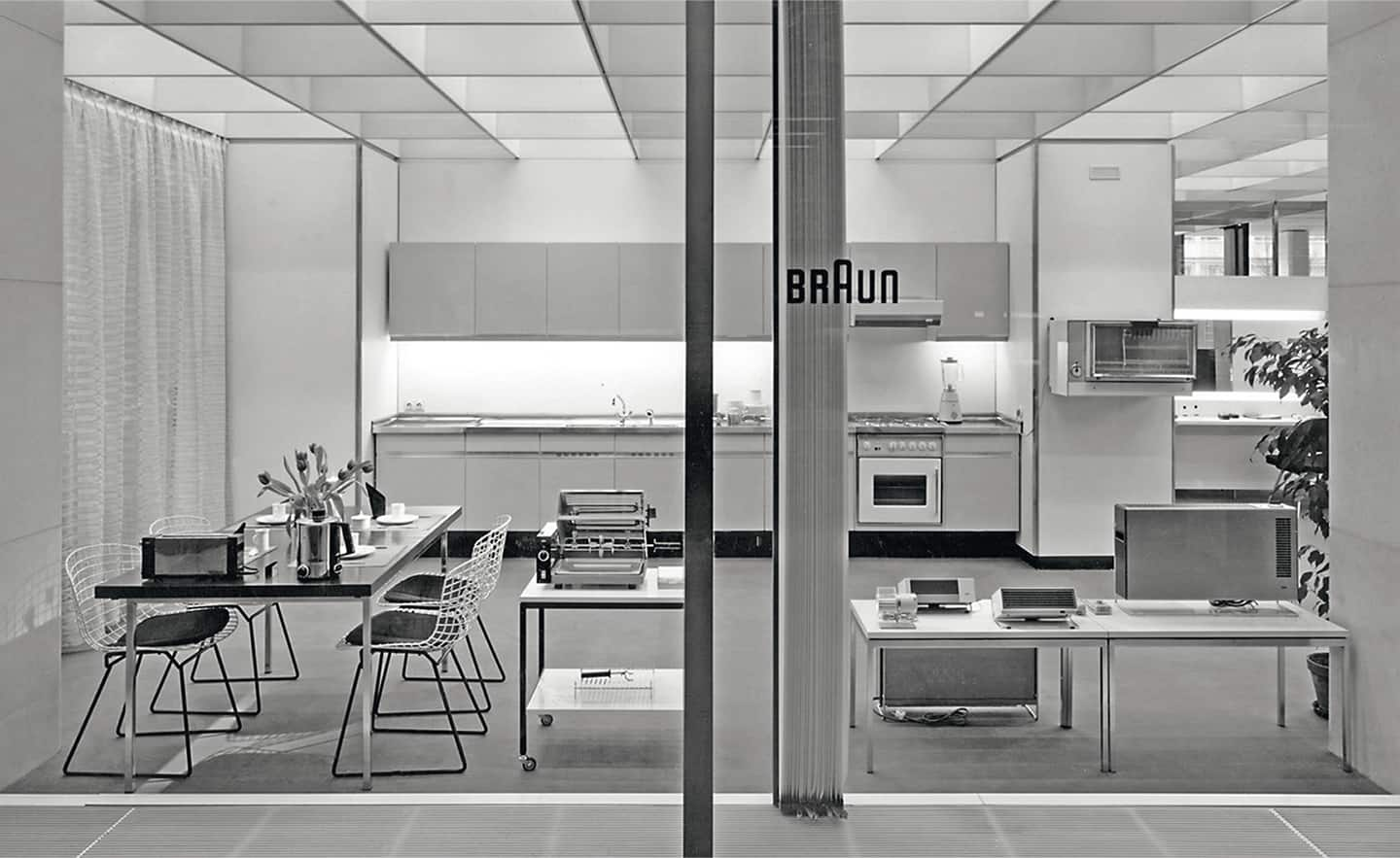
Hired as an architect for redesigning Braun’s office Dieter Rams became one of the leading designers, who developed Braun’s memorable design language and defined the 10 principles of good design, a design manual that is still relevant today.
1 Good design is innovative.
The possibilities for innovation are not, by any means, exhausted. Technological development is always offering new opportunities for innovative design.
2 Good design makes a product useful.
A product is bought to be used. It has to satisfy certain criteria, not only functional, but also psychological and aesthetic. Good design emphasises the usefulness of a product whilst disregarding anything that could possibly detract from it.
3 Good design is aesthetic.
The aesthetic quality of a product is integral to its usefulness because products we use every day affect our person and our well-being. But only well-executed objects can be beautiful.
4 Good design makes a product understandable.
It clarifies the product’s structure. Better still, it can make the product talk. At best, it is self-explanatory.
5 Good design is unobtrusive.
Products fulfilling a purpose are like tools. They are neither decorative objects nor works of art. Their design should therefore be both neutral and restrained, to leave room for the user’s self-expression.
6 Good design is honest.
It does not make a product more innovative, powerful or valuable than it really is. It does not attempt to manipulate the consumer with promises that cannot be kept.
7 Good design is long-lasting.
It avoids being fashionable and therefore never appears antiquated. Unlike fashionable design, it lasts many years - even in today’s throwaway society.
8 Good design is thorough to the last detail.
Nothing must be arbitrary or left to chance. Care and accuracy in the design process show respect towards the consumer.
9 Good design is environmentally friendly.
Design makes an important contribution to the preservation of the environment. It conserves resources and minimises physical and visual pollution throughout the lifecycle of the product.
10 Good design is as little design as possible.
Less, but better - because it concentrates on the essential aspects, and the products are not burdened with nonessentials. Back to purity, back to simplicity.
1953 | Braun Factory
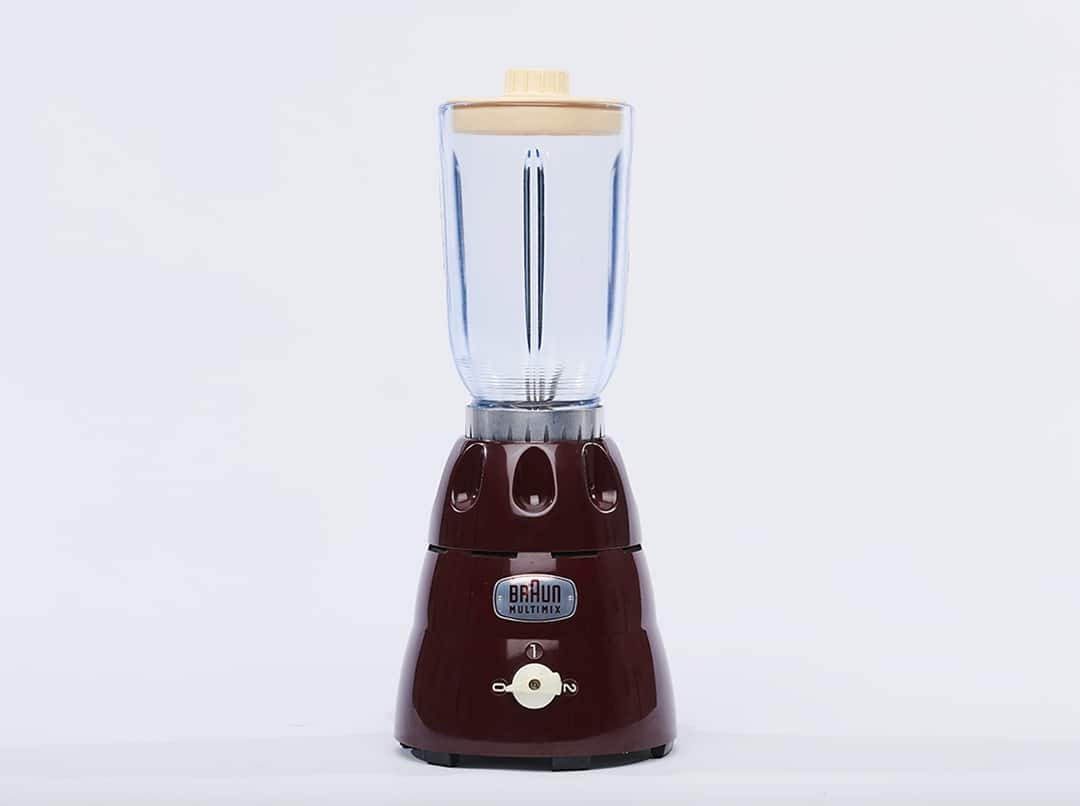
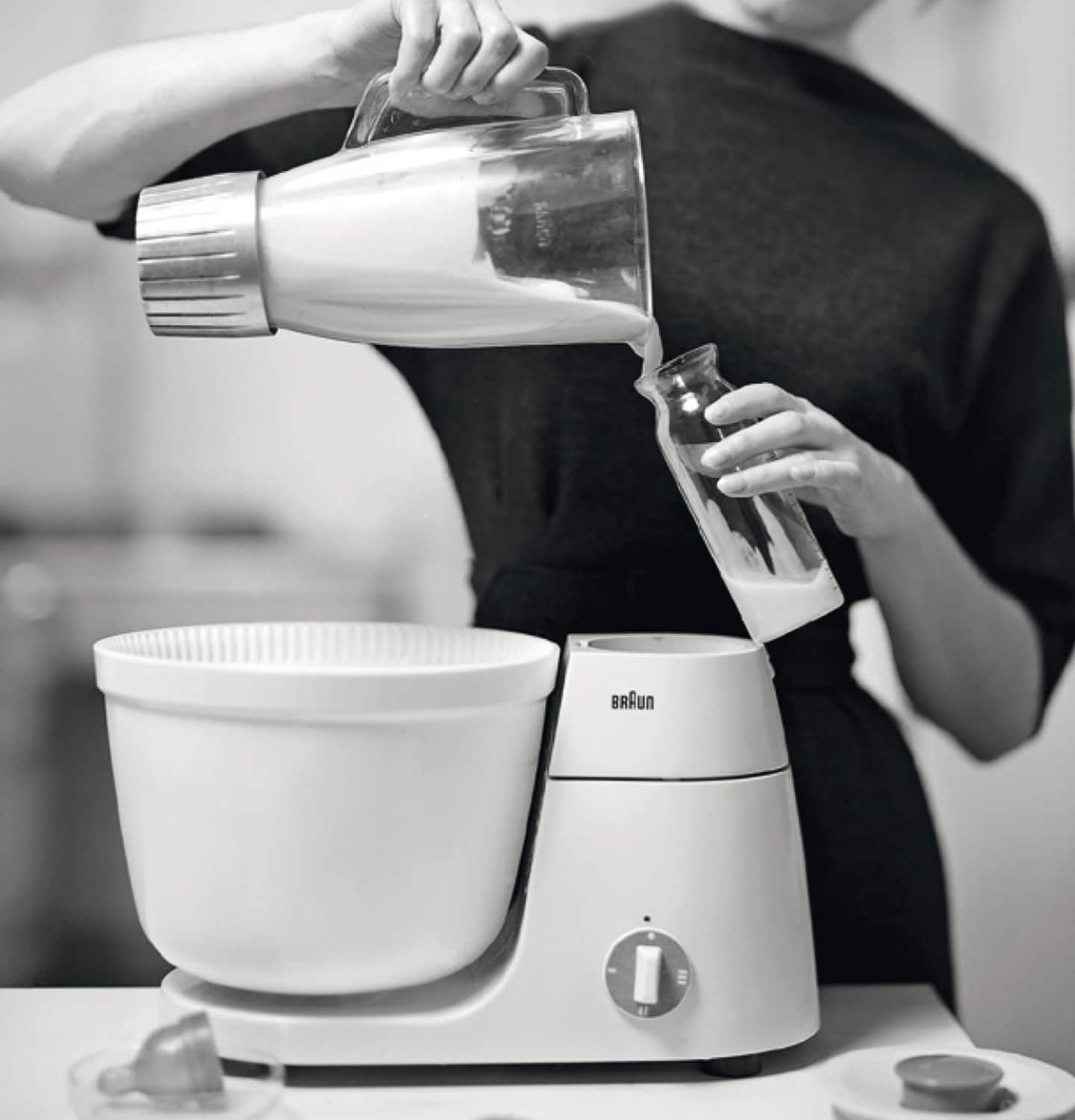
Braun Multimix Blender
The 50's established the milkshake as a western staple, enabled in part by the Multimix, the state-of-the-art blender with a detachable mixing glass container. It cuts ingredients with industrial-grade efficacy. Still widely in use today.
1957 | Gerd Alfred Müller
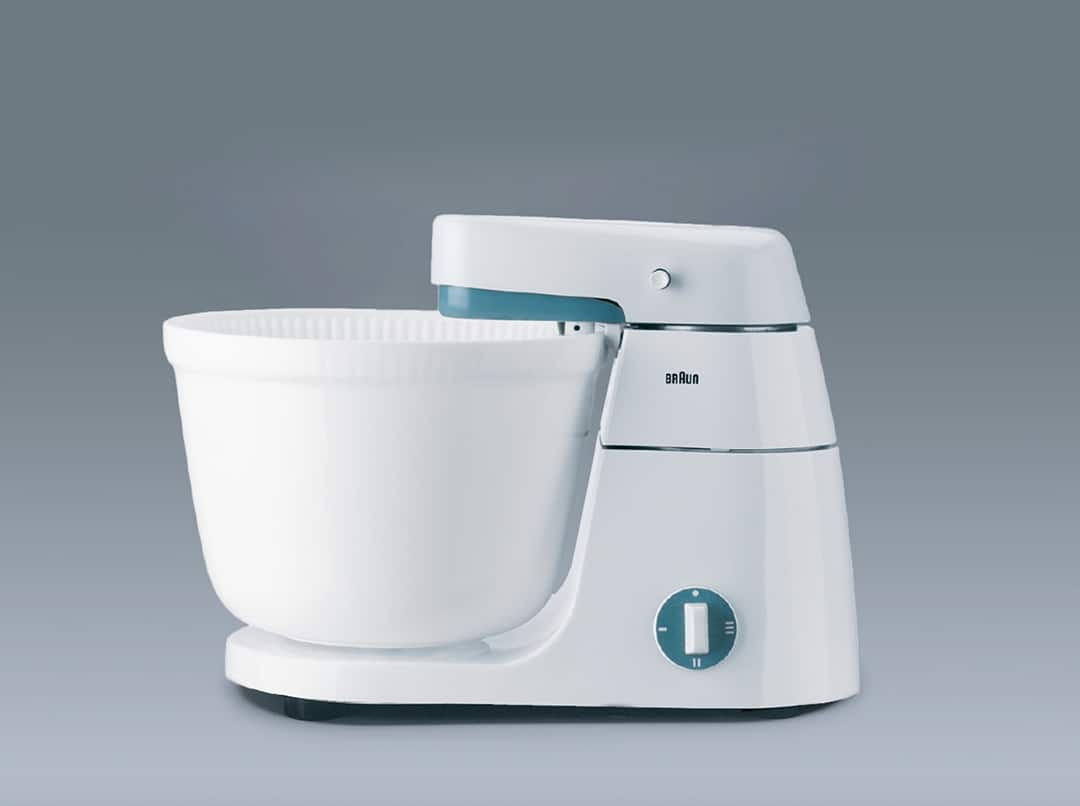
KM3/31
A hugely influential blender or “food processor” as it was known that birthed a whole new product category: “kitchen machines” or appliances. With its hyper-reduced, simple and useful design one of the most influential industrial products of all time.
1963 | Reinhold Weiss
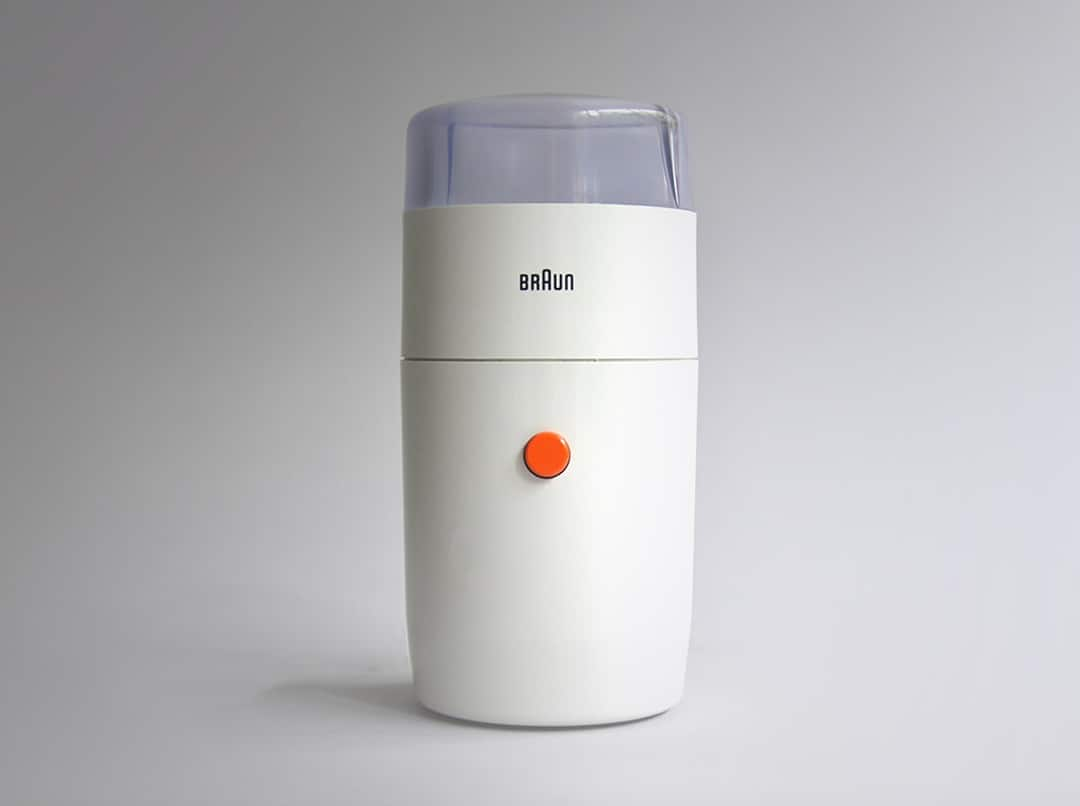
KSM 1/11
Design doesn’t get much more minimalistic than this: a coffee grinder so purpose-built it needed just one, centrallyplaced button to operate. Finely ground beans were just a finger click away.
1963 | Reinhold Weiss
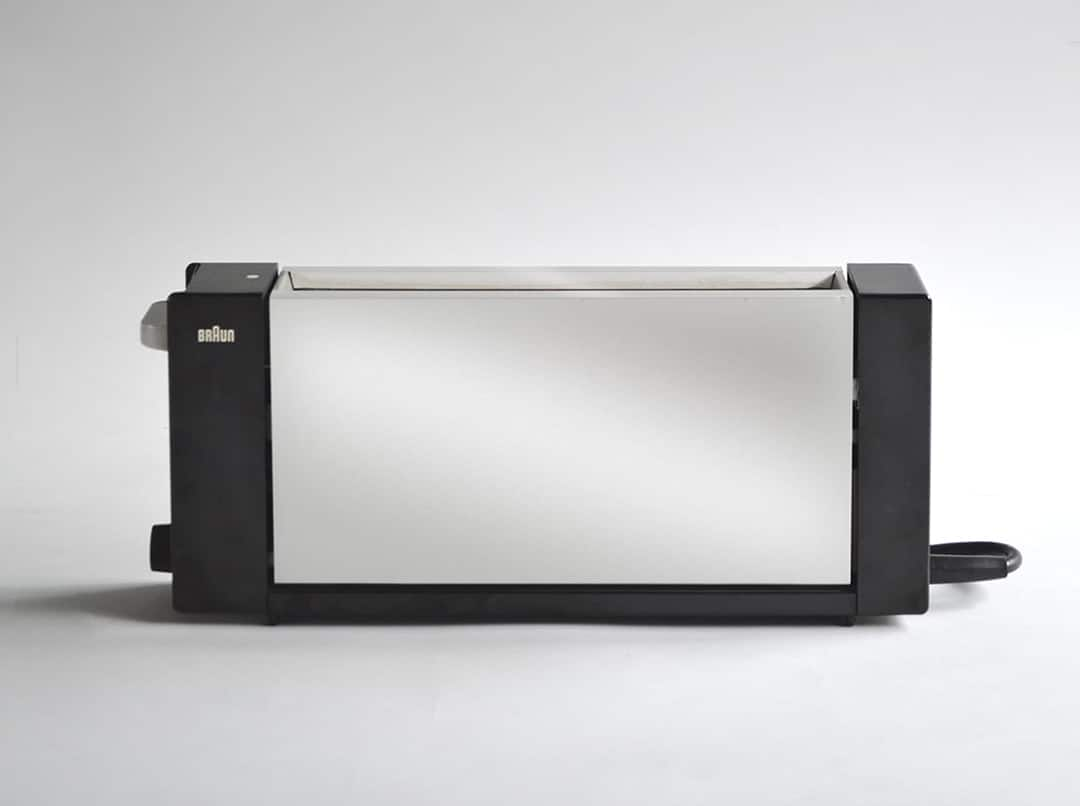
HT 2
This toaster’s sleek, reduced design so inspired renowned artist Richard Hamilton that he based one of his works (aptly titled ‘Toaster’) on it. Oh, and it also browned bread to perfection.
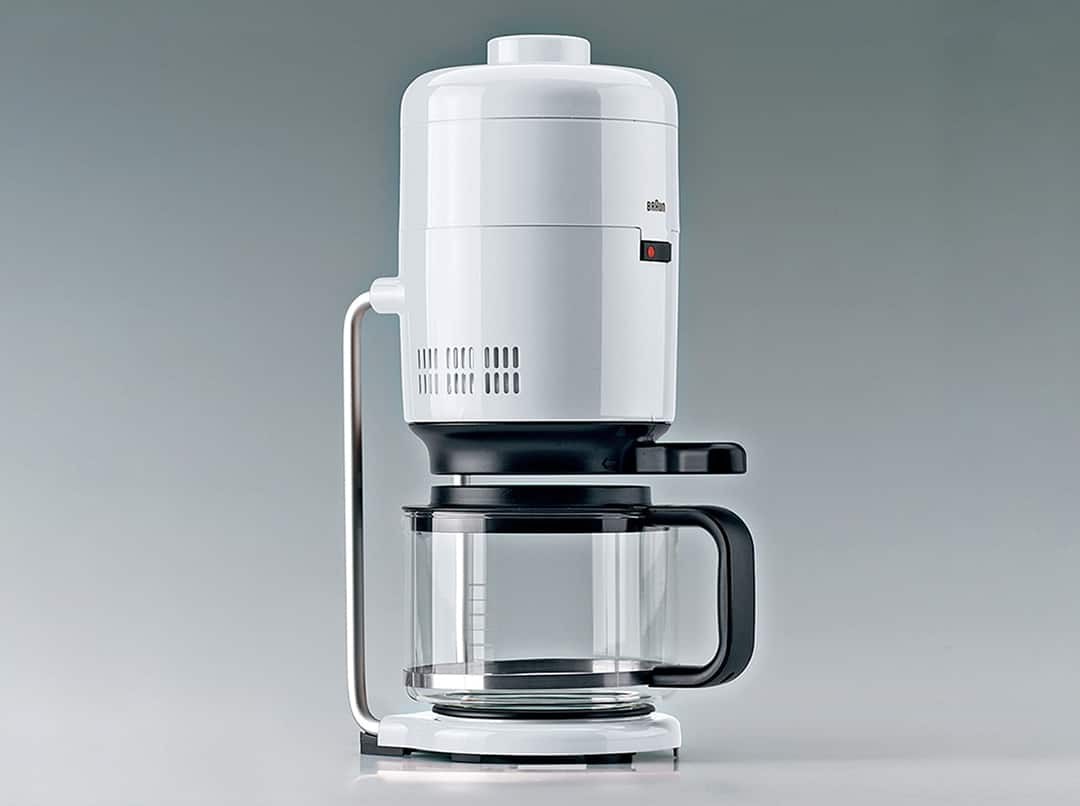
1972 | Florian Seiffert
KF 20
Cu un design vertical suprapus ca un castel de apă, modelul KF 20 era cunoscut sub numele de Aromaster. Recunoscută imediat grație formei sale neconvenționale, această cafetieră oferea o notă extraordinară cafelei la filtru, în fiecare dimineață.

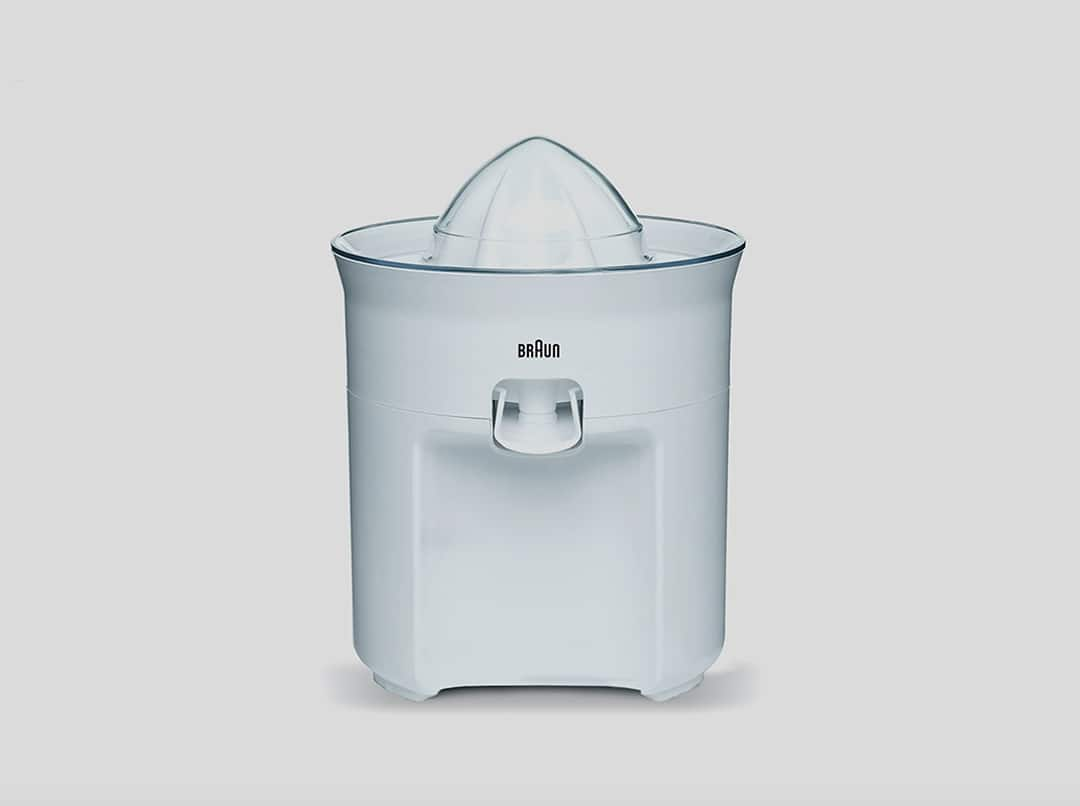
1972 | Jürgen Greubel, Dieter Rams
MPZ 22
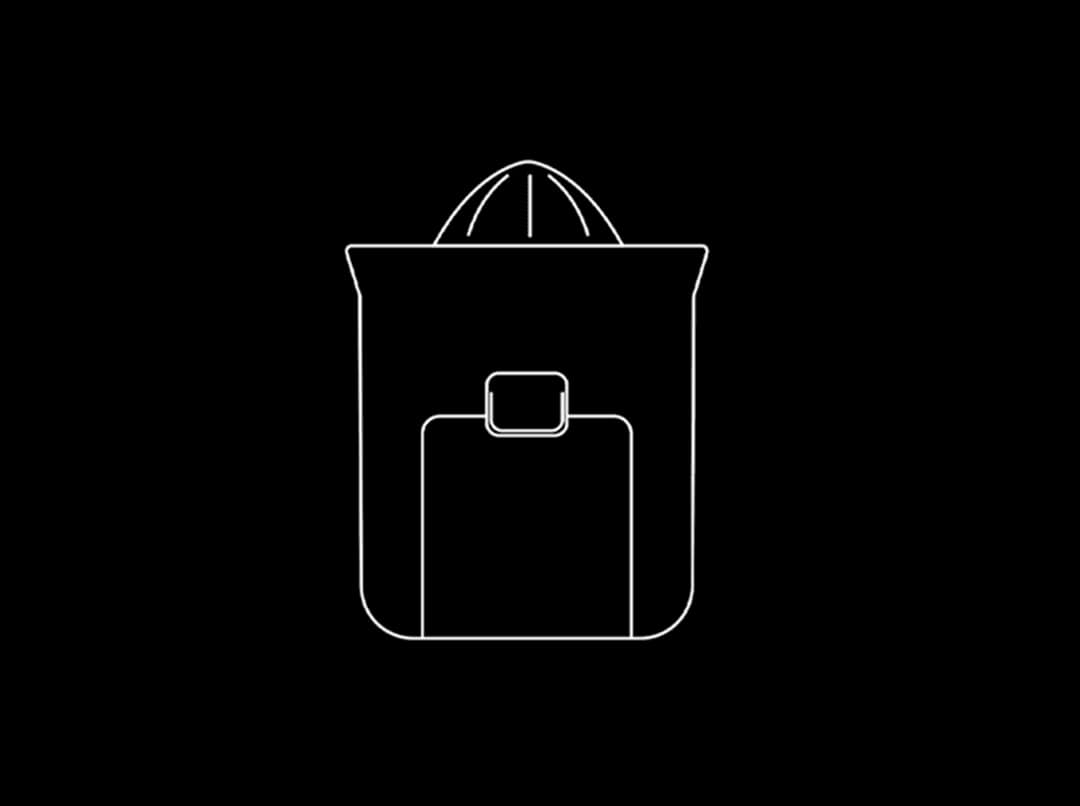
Storcătorul de fructe electric, Citromatic, a fost o ustensilă de bucătărie fiabilă și incredibil de ușor de curățat, prezentă timp de zeci de ani în bucătăriile din întreaga lume. Abia după două decenii, Braun a decis să actualizeze designul original.
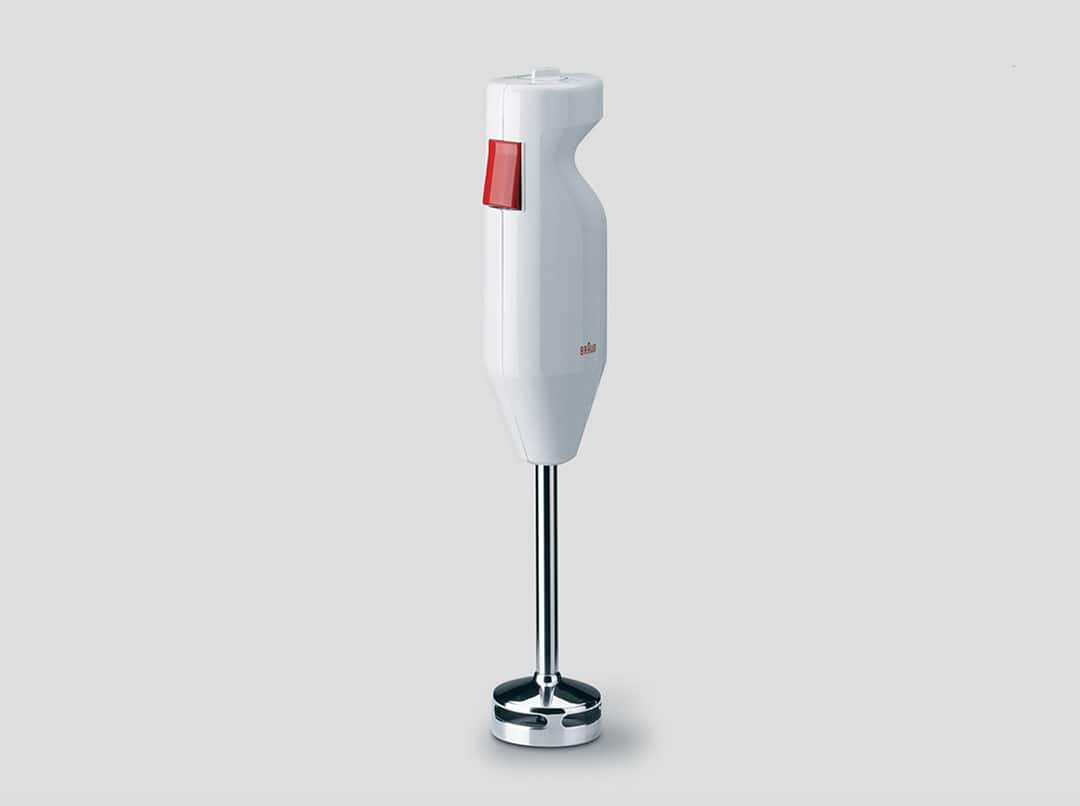
1981 | Ludwig Littmann
MR 6
Un predecesor al modelului mai sofisticat MR 500, MR 6 era rezistent și solid, ceea ce înseamnă că putea amesteca alimente pe care alte aparate nu le puteau procesa. Un reper important pe drumul către perfecționarea blenderului portabil.
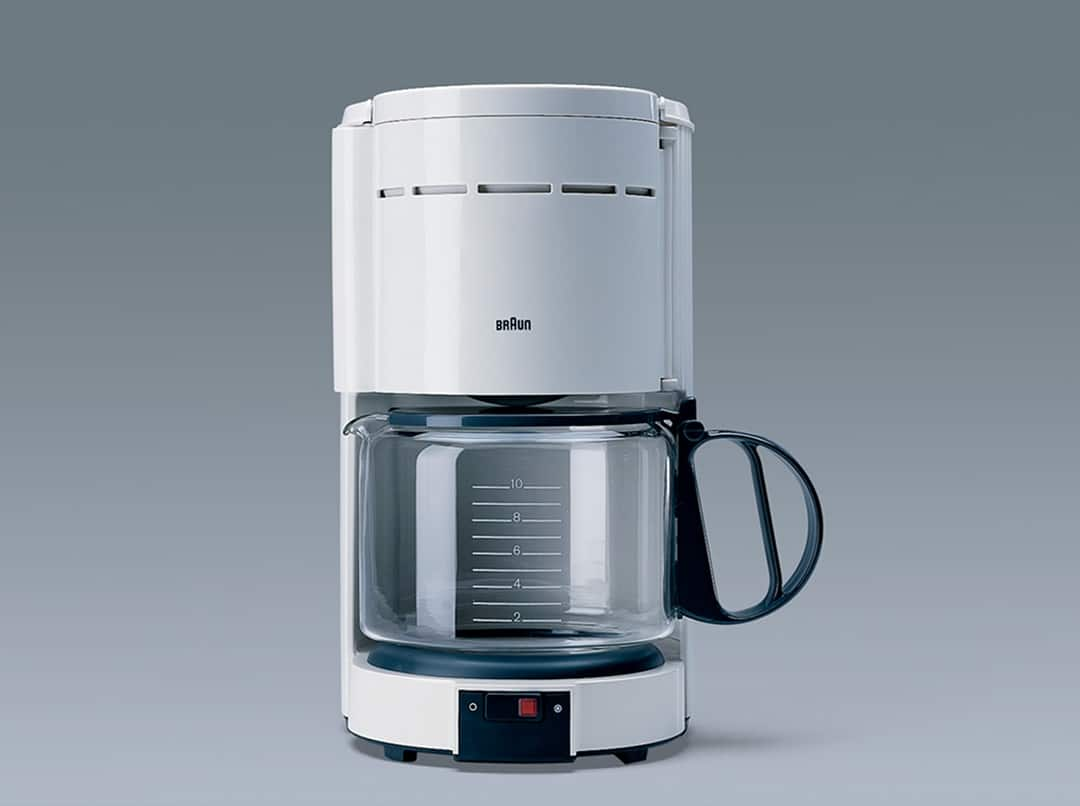
1984 | Hartwig Kahlcke
KF 40
Această cafetieră a fost controversată, fiind fabricată din polipropilenă, mai ieftină decât policarbonatul mai rezistent, utilizat cu predilecție de Braun. Prin urmare, suprafața striată a KF 40 este o soluție de design care l-a convins pe Dieter Rams.
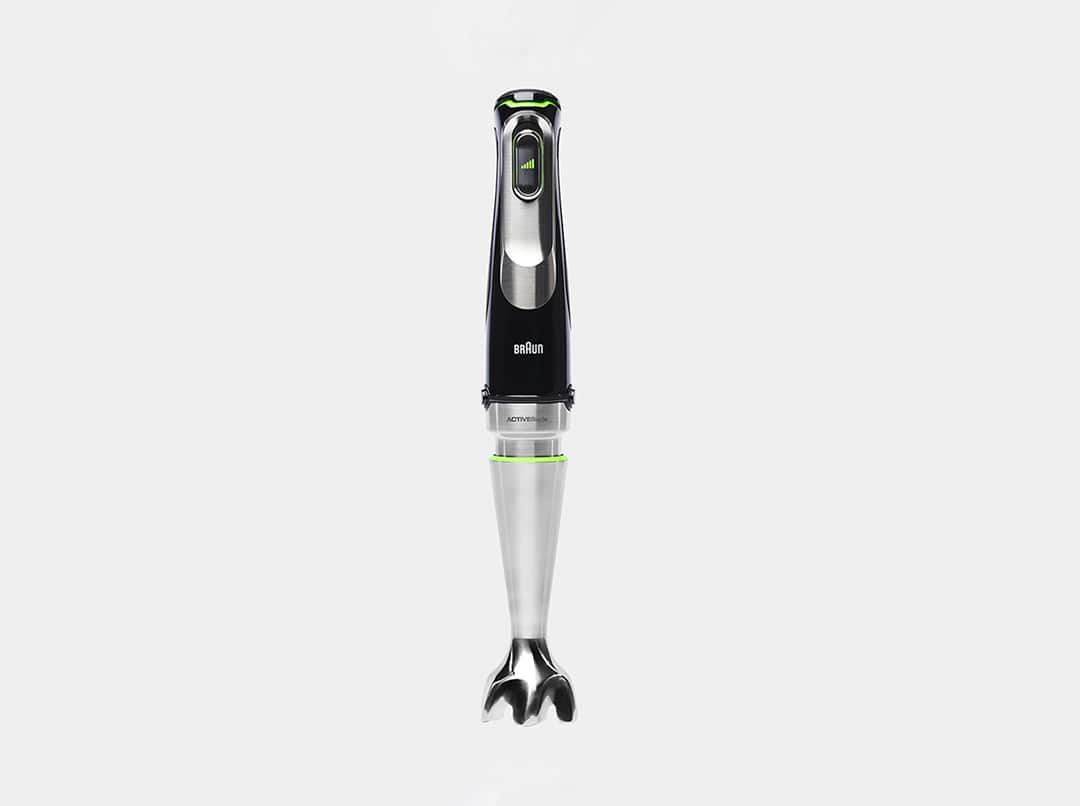
2016 | Markus Orthey, Ludwig Littmann
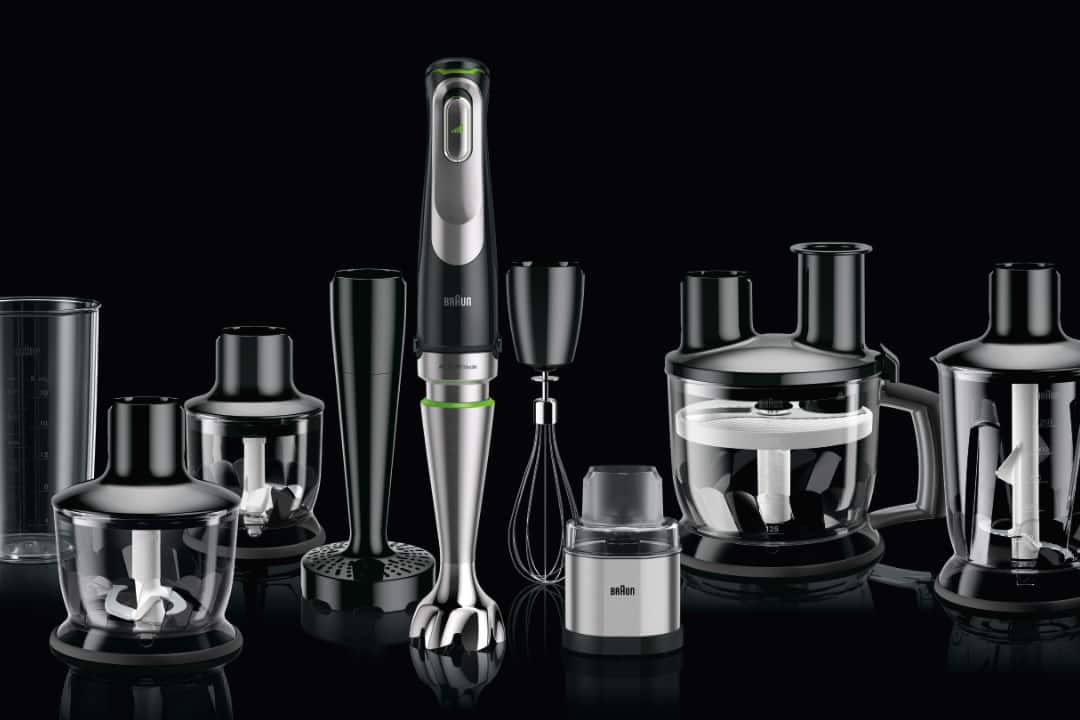
MultiQuick 9
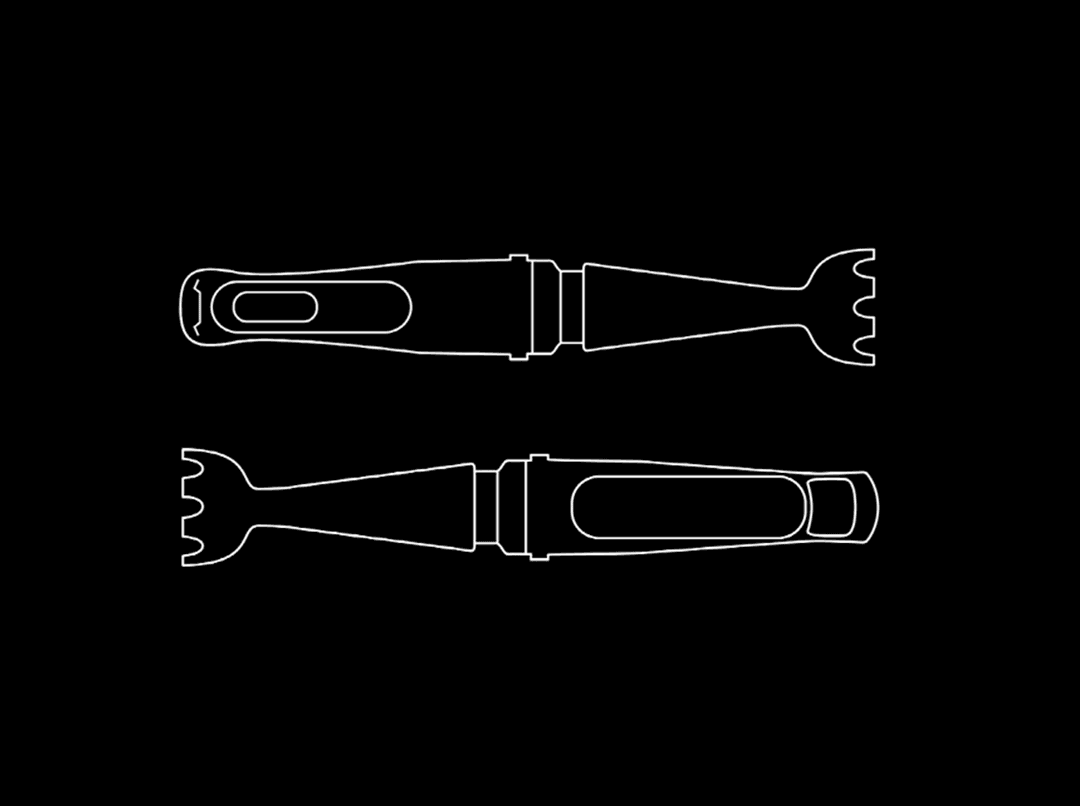
Un blender alimentar universal care a rezumat funcționalitățile dispozitivelor de dimensiuni mult mai mari într-o „baghetă” simplă, portabilă. Definiția designului restrâns: compact, dar puternic.
Österreich
Click here to get to the global website.