Country preference? Choose the preferred country to view local content and get a better experience.
Customer Support

Discover our products

Customer Support

en-NavCard-hand-blender-1080x720 (1).jpg

en-navnod-braun-food-preparation-1080x720.jpg

en-navnod-breakfast-1080x720.jpg

en-navnod-more-Braun-products-1080x720.jpg

en-NavCard-get-inspired-1080x720.jpg

en-NavCard-hand-blender-attachments-1080x720.jpg

Kevesebb élelmiszerhulladék

Hosszabb ideig frissebb és ízletesebb marad: Hogyan kell tárolni az élelmiszereket?

how-to-store-food_header.jpg
Skriv ut

A bevásárlás megtervezése után az étel megfelelő tárolására fordított idő döntő fontosságú annak szempontjából, hogy az friss maradjon. Ha hazaérkezése után megfelelően gondoskodik a megvásárolt cikkekről, akkor hosszabb ideig frissen tarthatja a gyümölcsöket és zöldségeket, tejtermékeket, kenyeret, tésztát és húst. Egyes ételeket le kell hűteni, míg másokat egyszerűen szobahőmérsékleten kell tárolni. Összegyűjtöttünk néhány tippet, amelyek bemutatják, hogy mikor és hogyan tárolja az élelmiszereket, hogy minden a lehető leghosszabb ideig friss maradjon.

Pontosan miért is romlik meg az étel?


Meleg vagy hideg, nedves vagy száraz – az élelmiszerek nem ugyanazokat a körülményeket szeretik. Helytelenül tárolva elveszítik ízüket és gyorsabban megromlanak. Ennek oka azon fizikai, biokémiai, kémiai és mikrobiális hatások és változások, amelyeknek a termékek ki vannak téve. Az élelmiszereket rágcsálók és rovarok is károsíthatják. 

A mikrobiális romlást baktériumok, penész és élesztőgombák okozzák. Ezek az élelmiszerekben rothadást, erjedést vagy penészképződést okoznak, aminek következtében néha patogén anyagok is keletkeznek. Ezek a folyamatok és az élelmiszerek eltarthatósági időtartama függ különösen a fizikai körülményektől, például a melegtől, a hidegtől és a nedvességtől.
​​​​​​​
Ezenkívül az élelmiszerben található enzimek biokémiai változásokat indítanak el, mint például a vitaminok, pigmentek és ízanyagok lebomlása. A zsiradékok megavasodása az élelmiszer összetevőiben fellépő kémiai reakciók által kiváltott kémiai romlásnak köszönhető. A külső tényezők, például a fény és a levegő felgyorsíthatják ezt a folyamatot.
Hygiene Refrigeration

Higiénia, hűtés és tárolás: Minden a bevásárlásnál kezdődik.

Mielőtt hazavinné a megvásárolt dolgokat, és elkezdene mindent a saját helyére elpakolni, annak biztosítása, hogy minden higiénikus és hűtött legyen, a szupermarketben kezdődik. Ezeket fontos észben tartani:
 

  • Ellenőrizze, hogy minden csomagolás sértetlen-e.
     
  • Ügyeljen arra, hogy a hűtött élelmiszereket hidegen tartsa, például újrafelhasználható hűtőtáskában, hogy a baktériumok ne tudjanak elszaporodni benne, amikor a termék felmelegszik.
     
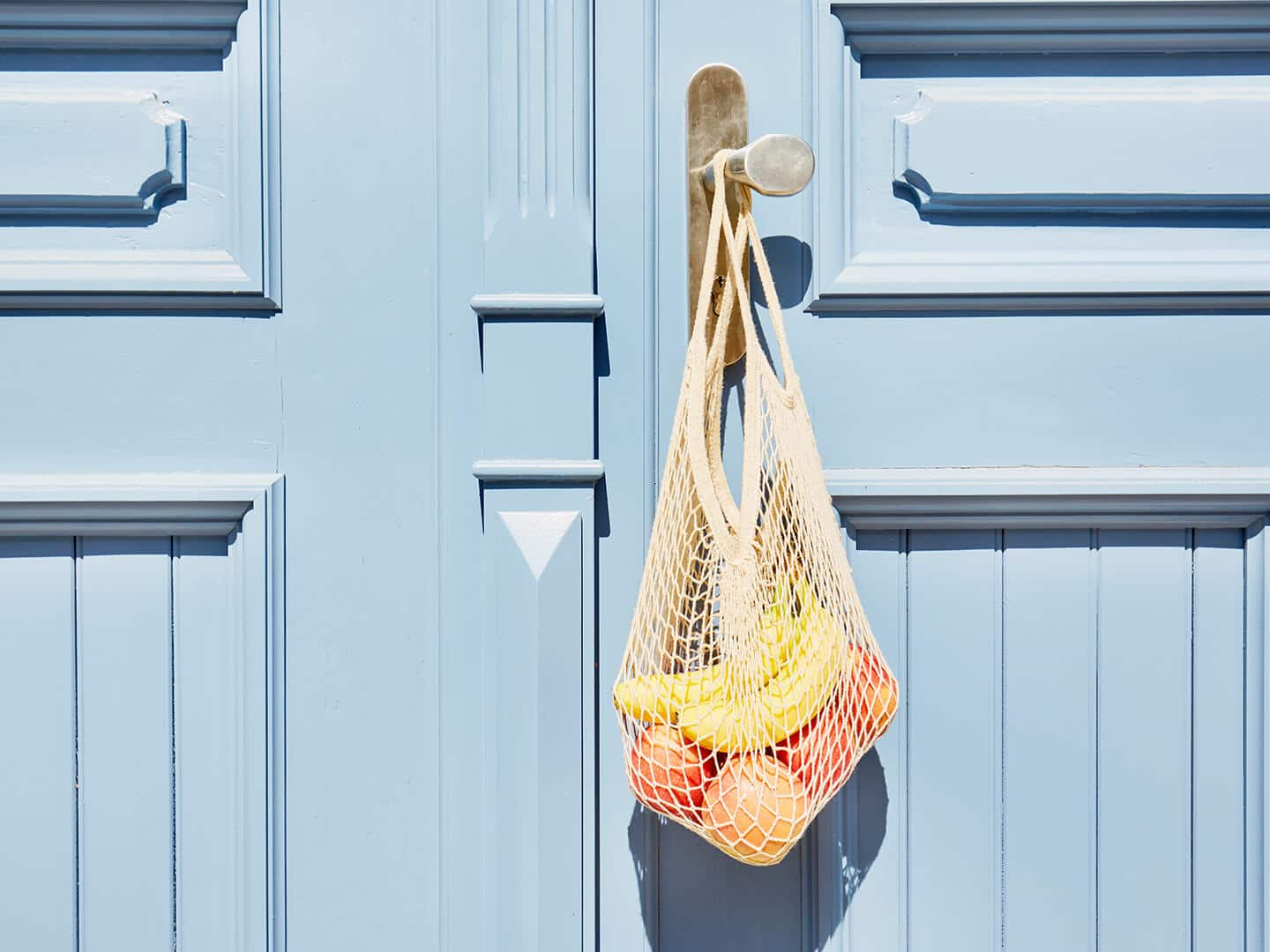
  • A fagyasztott és romlandó termékeket csak a vásárlás végén tegye a bevásárlókocsiba, közvetlenül a pénztárhoz érkezés előtt. A pénztárnál a puha és kényes termékek – például a tojás, a banán és a szőlő – legyen az utolsó dolog, amit a pénztárszalagra helyez. Ezáltal ezek lesznek felül a táskában, és nem nyomják őket össze a nehezebb cikkek.
     
  • Miután befejezte a vásárlást, és mielőtt otthon elkezdené szétválogatni a megvásárolt cikkeket, alaposan mosson kezet, hogy megakadályozza a baktériumok és kórokozók továbbterjesztését.
     
  • Tartsa tisztán a tárolóterületeket, például a polcokat, a kamrát és a hűtőt, és rendszeresen törölgesse le őket. A legjobb megoldás, ha egy kevés mosószert tartalmazó meleg vizet használ. Egy kis ecetesszencia hozzáadásával megakadályozhatja a penész kialakulását.
     
how-to-store-food_image-copy-2-freezing-effectively.jpg

Hatékony fagyasztás: Hogyan kell élelmiszereket tárolni a fagyasztóban?

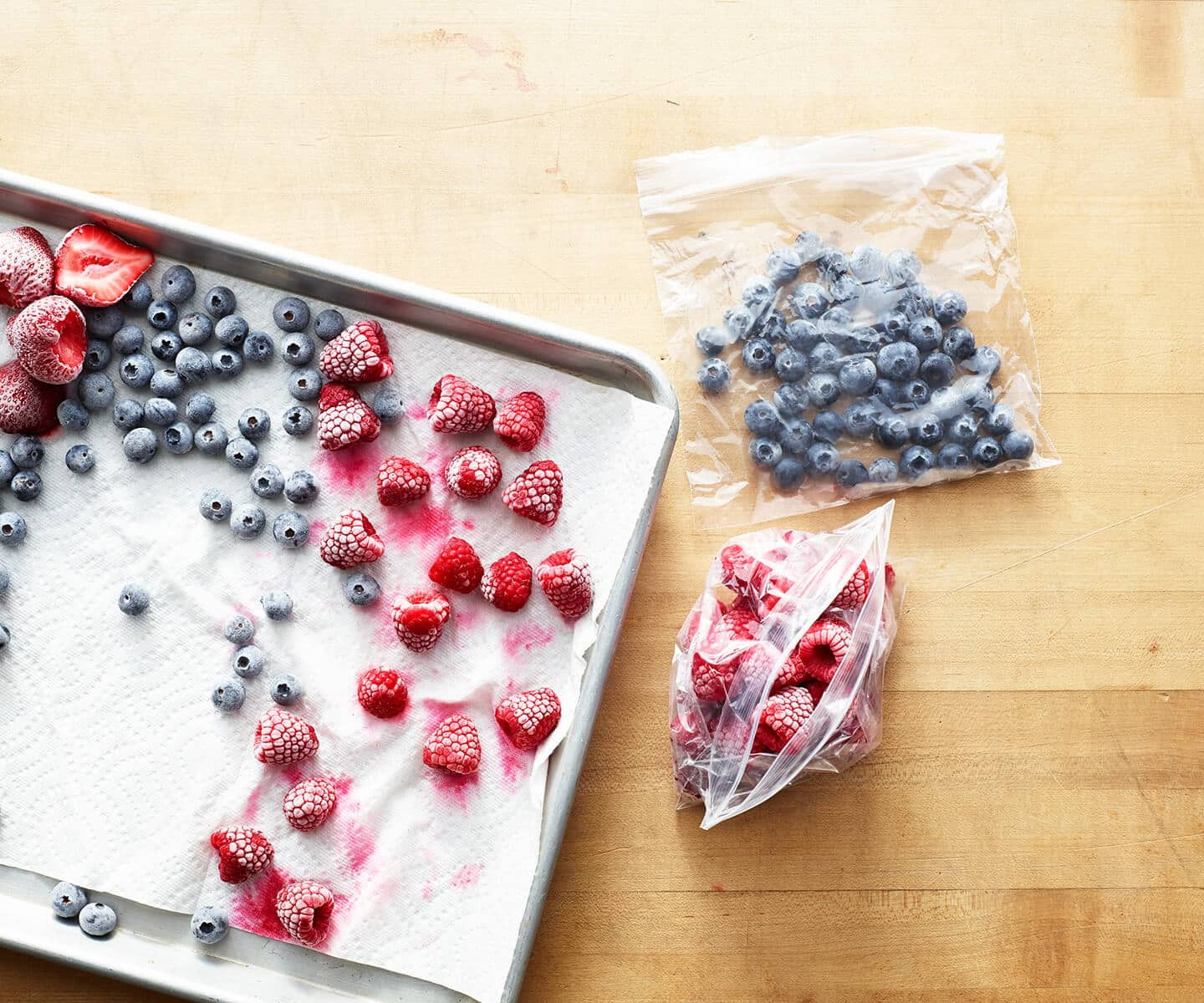
Ha különösen hosszú ideig szeretné tárolni az élelmiszereket, akkor a legjobb választás a fagyasztóláda vagy a hűtőszekrény fagyasztórekesze. Az alacsony hőmérséklet és a lecsökkent vízmozgás miatt a mikroorganizmusok szaporodása jelentősen lelassul, sőt, akár meg is szűnik. Ügyeljen arra, hogy a gyümölcsöket és zöldségeket megtisztítsa, megmossa és blansírozza, mielőtt lefagyasztaná őket. Ideális esetben az ételt a lehető leglégmentesebben, és kis adagokban kell becsomagolni. A zacskókat érdemes felcímkézni és ráírni a tartalmukat és a dátumot, hogy ne keveredjünk meg a sok zacskó között. Azonban még a fagyasztott élelmiszerek sem tarthatók el határozatlan ideig. A gyümölcsök és zöldségek 11-15 hónapig, a hal és a zsíros húsok 6-9 hónapig állnak el, a marhahús és a baromfi pedig 9-12 hónapig tartható el fagyasztva.

Fagyassza le és élvezze később

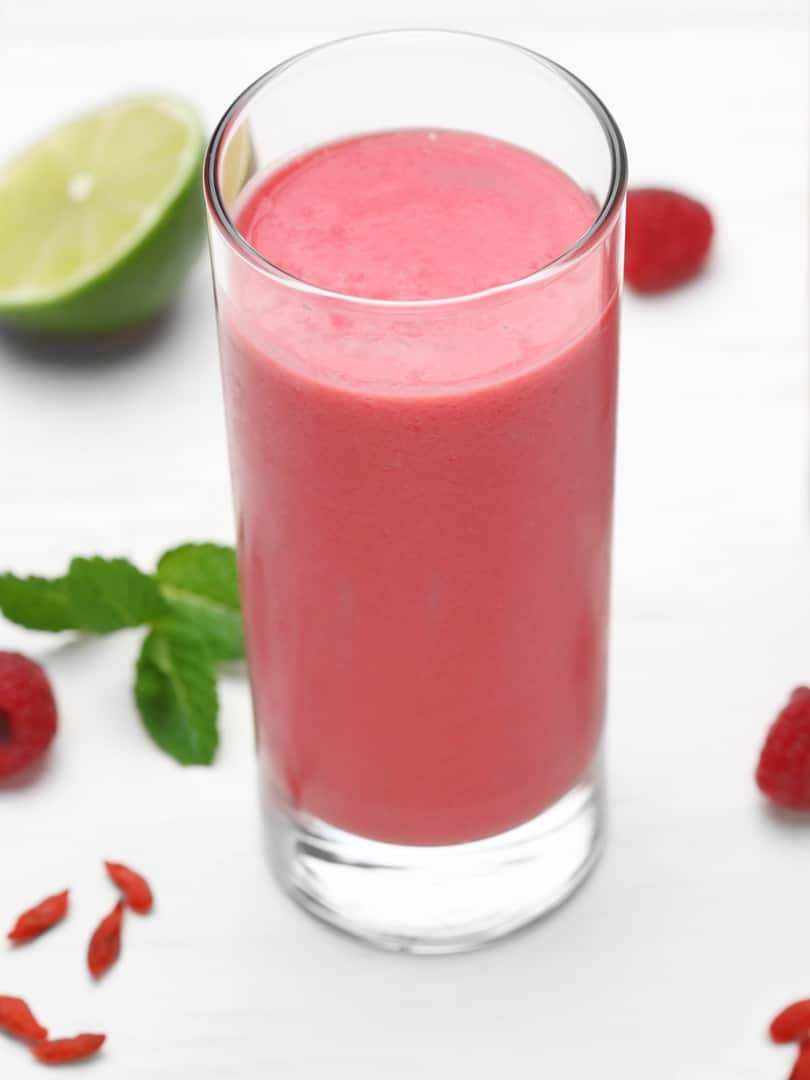
A fagyasztott gyümölcsökből finom smoothie-t vagy smoothie-tálat varázsolhat. Receptötleteink megmutatják, hogyan.

Málnás és gojibogyós smoothie2go lime-mal és kókuszolajjal

slider-smoothie_rapsberry-goji_card-1_810x1080.jpg

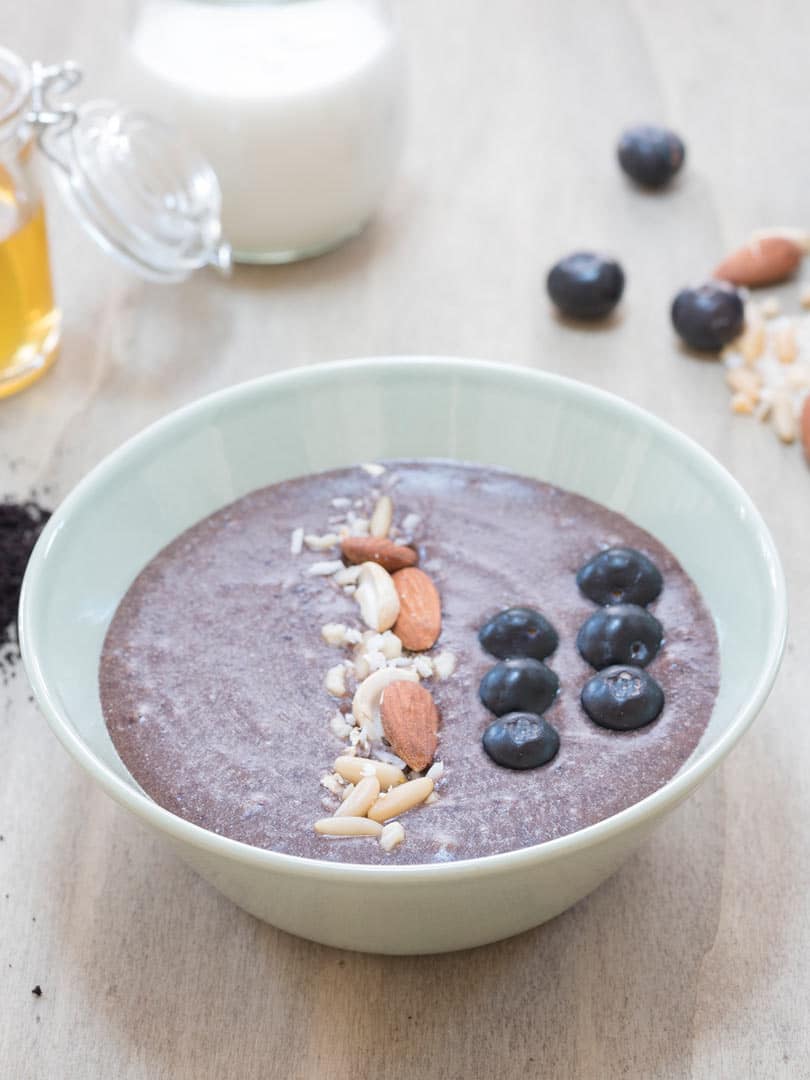
Akaibogyós smoothie-tál

slider-smoothie_acai-berry-bowl_card-2_810x1080.jpg

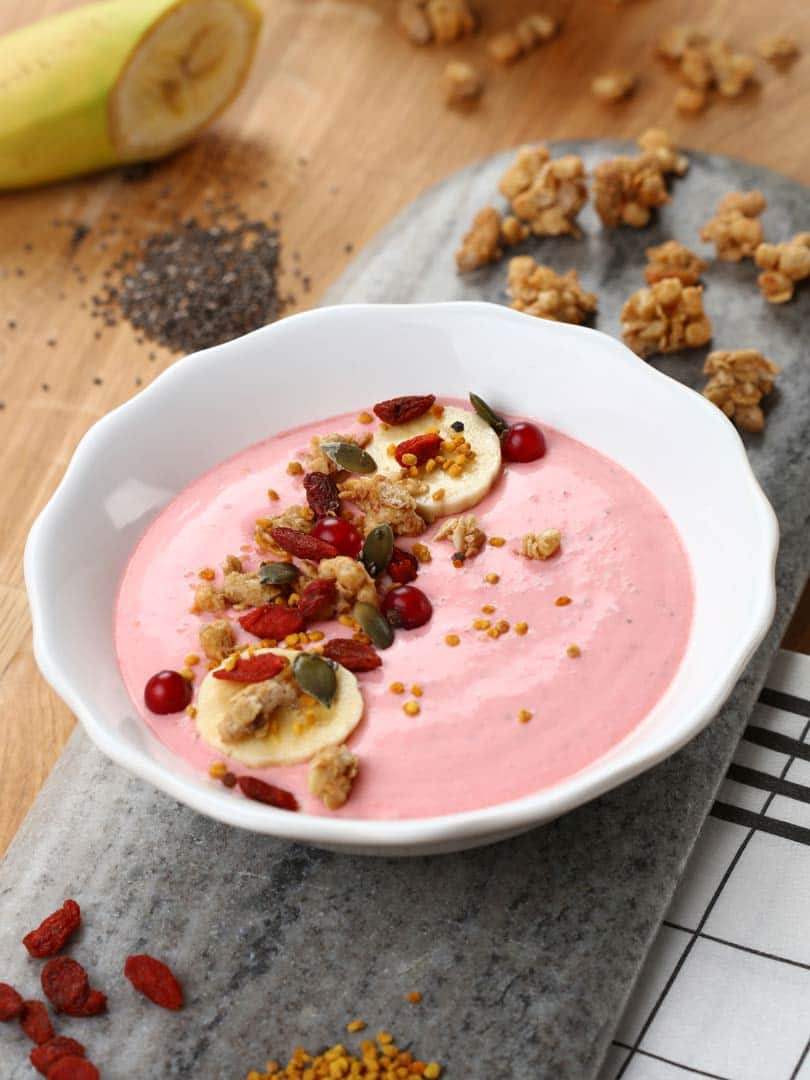
Piros gyümölcsös és kókuszos smoothie-tál

slider-smoothie_redfruit-coconut_card-3_810x1080.jpg
how-to-store-food_image-copy-3-store-food-in-the-fridge_alternative.jpg

Hűtés helyesen: Hogyan kell élelmiszereket tárolni a hűtőszekrényben?

A legtöbb friss élelmiszernek egyenesen a hűtőszekrénybe kell kerülnie, amikor Ön hazaér. A hűtőtérben uralkodó 4–8 °C-os hideg környezeti hőmérséklet segít a romlandó élelmiszereket hosszú ideig frissen tartani. Ez azért van, mert az alacsony hőmérséklet lassítja a sejtek anyagcseréjét az élelmiszerekben, gátolja a mikroorganizmusok fejlődését, és gátolja a kémiai és enzimek okozta romlást. A „FiFo” elv (amikor az először bekerülő cikk kerül ki először) segíthet nyomon követni, hogy mi friss és mi nem. Más szóval: Tegye az újonnan elkészített élelmiszert hátulra, a régebben elkészített élelmiszert pedig csúsztassa előre.

Hogyan kell megfelelően bepakolni a hűtőszekrényt?

A hűtők különböző hőmérsékleti zónákkal rendelkeznek. Ezért, hogy a hűtőszekrényben lévő élelmiszerek a lehető leghosszabb ideig frissek maradjanak, helyezze őket a megfelelő polcra. Hűtővel kapcsolatos tippjeinkben pontosan elmondjuk, hogy mi hová való.

how-to-store-food_ slider-1_fridge-door_card-1.jpg

Koelkastdeur

Wat hoort in de koelkastdeur

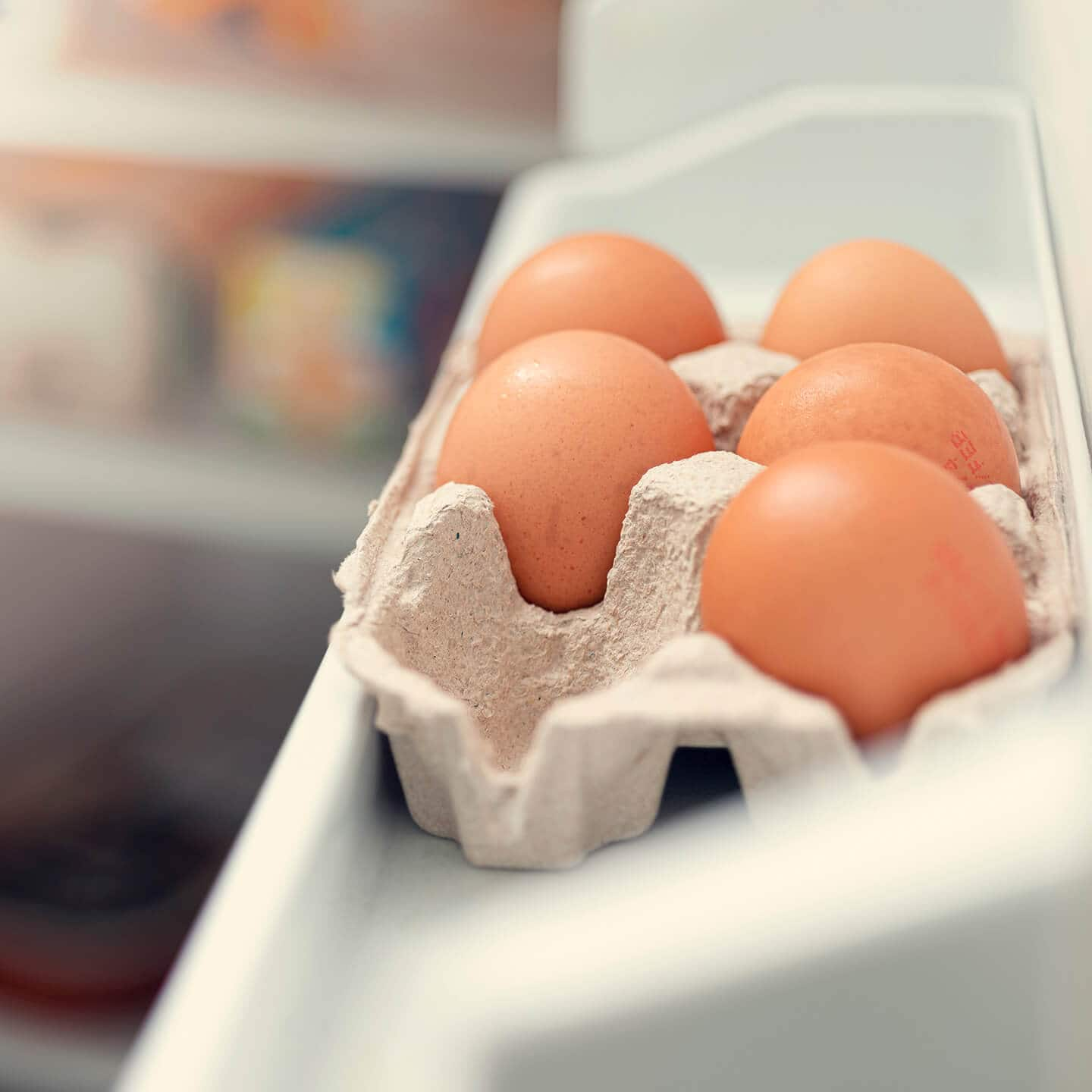
De koelkastdeur is een van de warmste zones in een koelkast. De temperatuur ligt daar meestal tussen 8 en 10 °C, zodat de koelkastdeur geschikt is voor kant-en-klare sauzen, dranken, dressings, melk, boter en eieren.
how-to-store-food_slider-1_crisper-drawer_card-2.jpg

Groentelade

Wat hoort in de groentelade

De groentelade is, de naam zegt het al, bestemd om groente (en fruit) knapperig vers in te houden. De groentelade is afgescheiden van de rest van de koelkast, meestal door middel van een glazen plateau, waardoor de temperatuur daar ongeveer 9 °C is. Ideaal voor groente, sla en verschillende soorten fruit in te bewaren. Denk er echter wel aan dat producten die niet goed tegen kou kunnen, zoals exotische vruchten en groenten met een hoog watergehalte, helemaal niet in de koelkast bewaard moeten worden.
how-to-store-food_slider-1_bottom-shelf_card-3.jpg

Onderste plateau

Wat hoort op het onderste plateau

De temperatuur op het onderste plateau, direct boven de groentelade, is maximaal 2 tot 3 °C. Daar kun je het beste bederfelijk voedsel, zoals vlees, vis, gevogelte en salades bewaren.
how-to-store-food_slider-1_middle-shelf_card-4.jpg

Plateaus in het midden

Wat hoort op de plateaus in het midden

Bij de plateaus in het midden is het meestal ongeveer 5 °C en daar kunnen zuivelproducten zoals yoghurt, melk kwark en room prima worden bewaard. Deze plateaus zijn ook perfect voor kaas en worst.
how-to-store-food_slider-1_top-shelf_card-5.jpg

Bovenste plateau

Wat hoort op het bovenste plateau

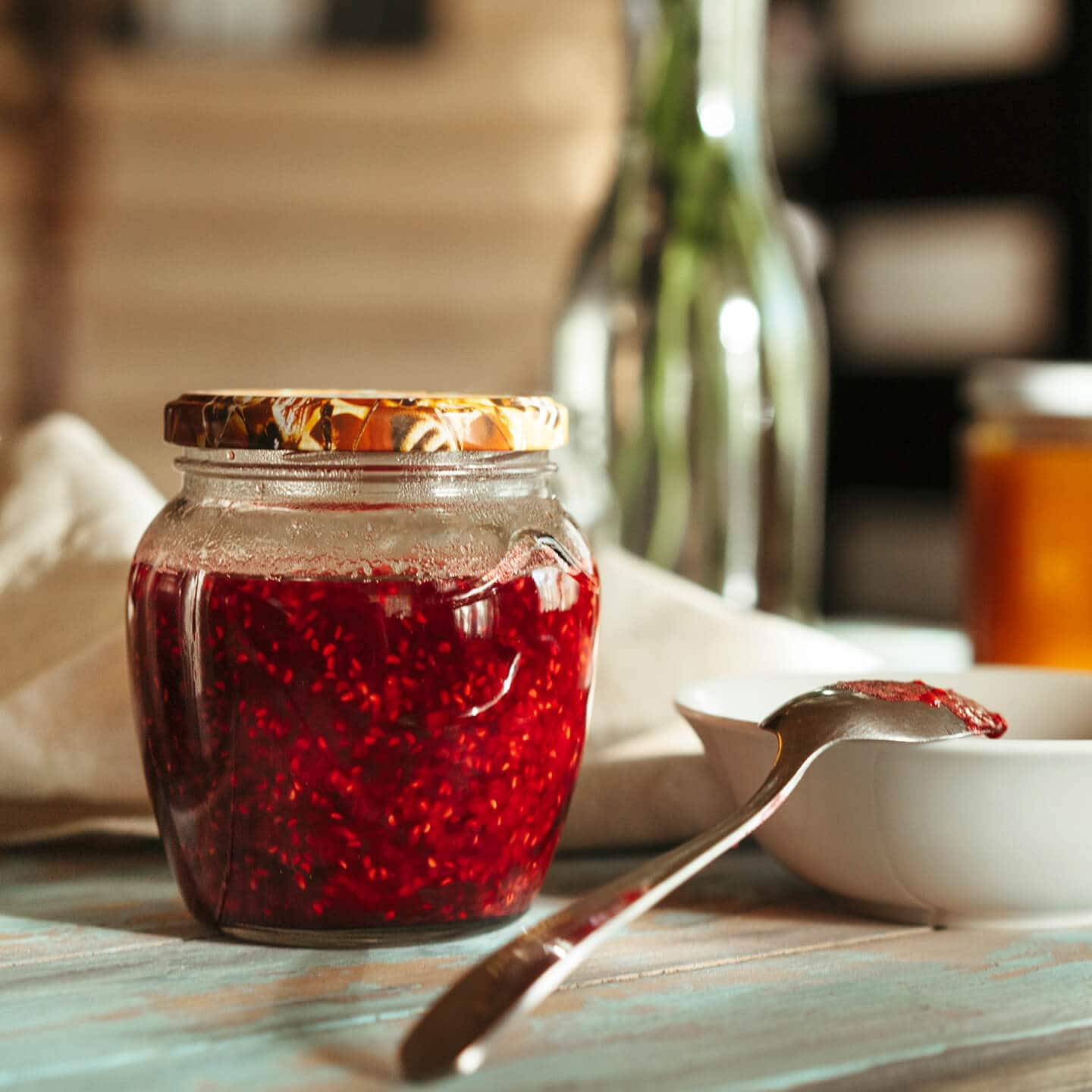
Op het bovenste plateau is het relatief warm. De temperatuur ligt daar meestal tussen 8 en 10 °C, prima voor boter en jam, die niet zo koud bewaard hoeven te worden. Ook restjes die je snel gaat gebruiken kunnen hier bewaard worden, omdat de smaak bij deze temperaturen optimaal behouden blijft.
how-to-store-food_image-copy-4-cupboard-pantry.jpg

Voedsel op kamertemperatuur in keukenkastjes of voorraadkast bewaren

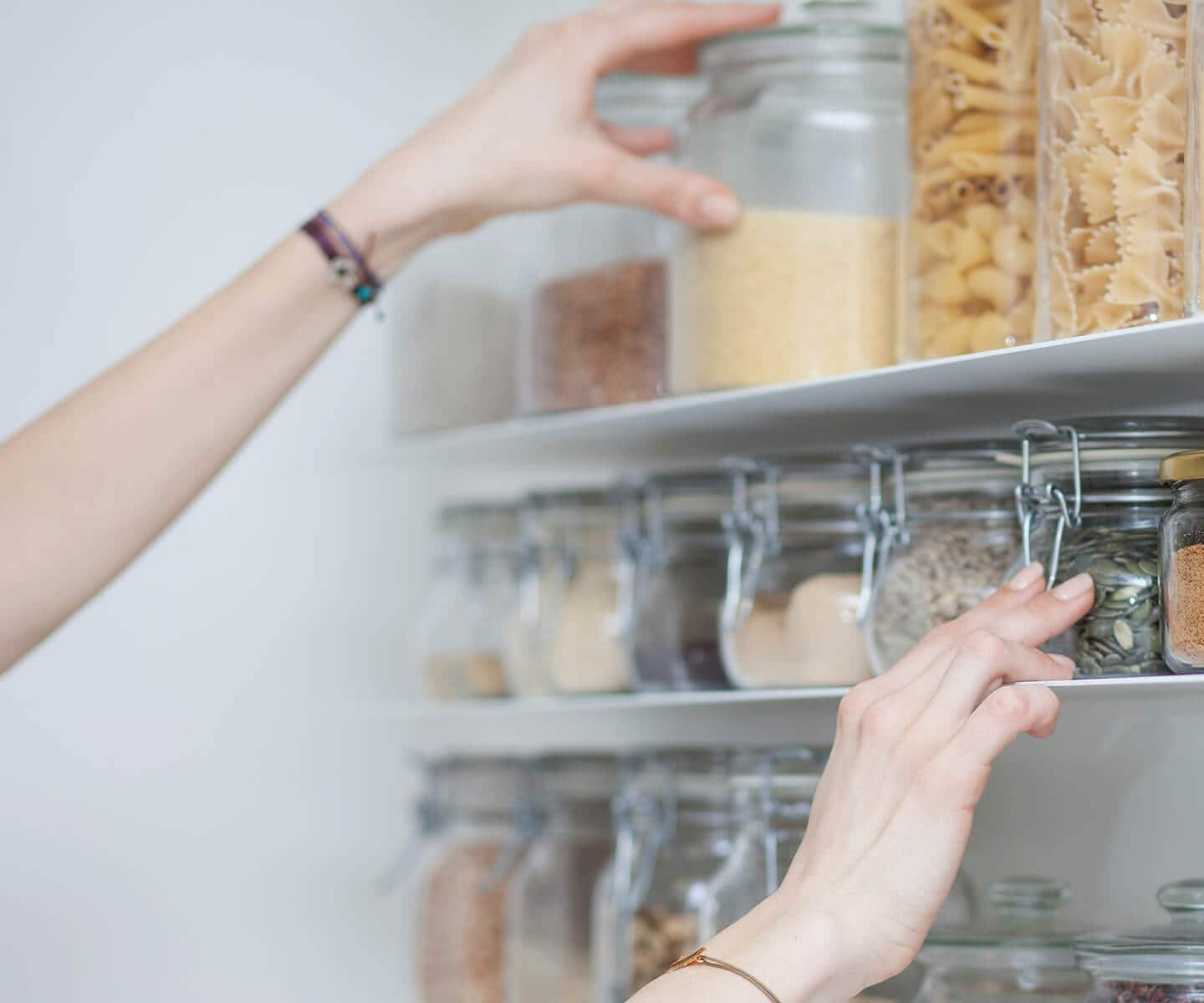
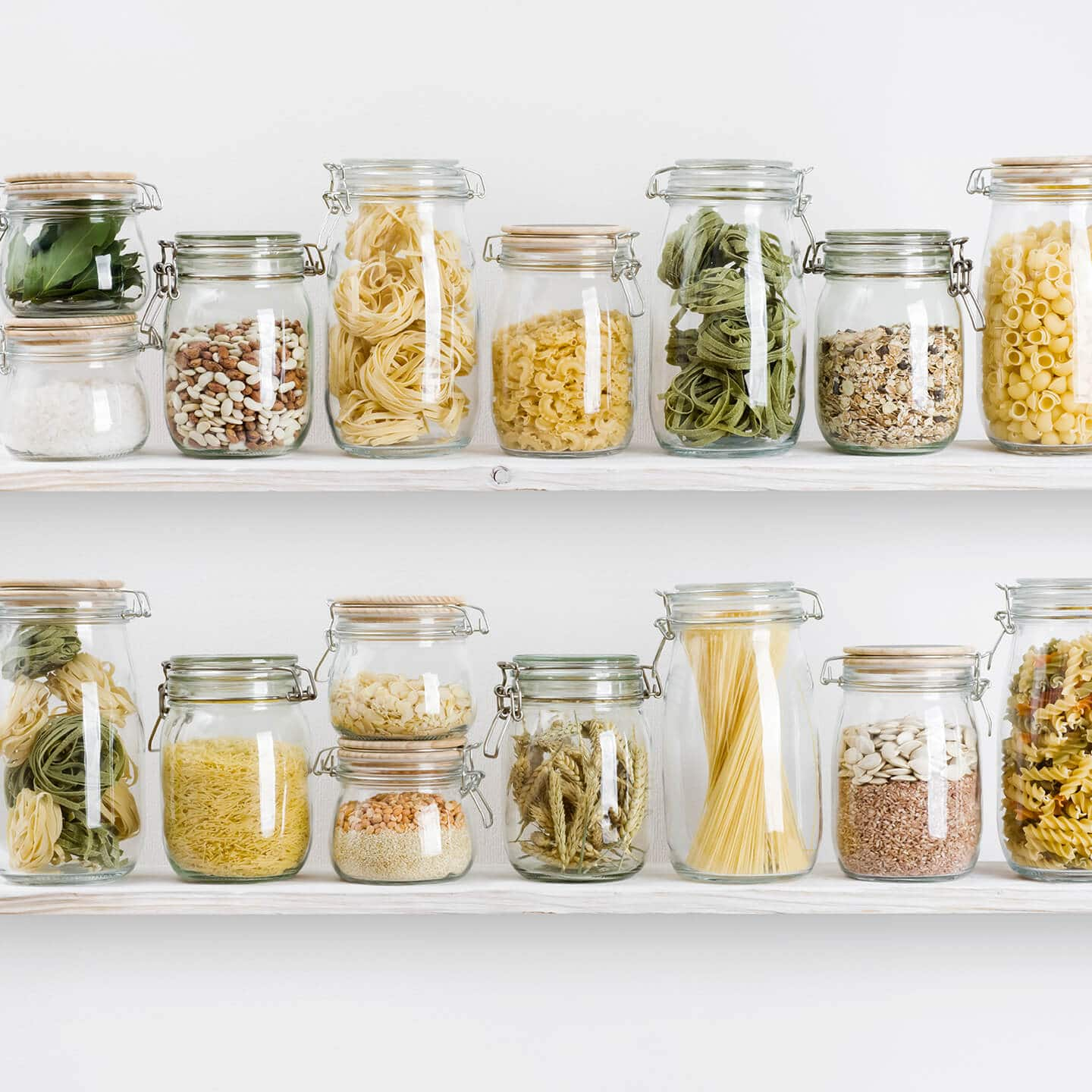
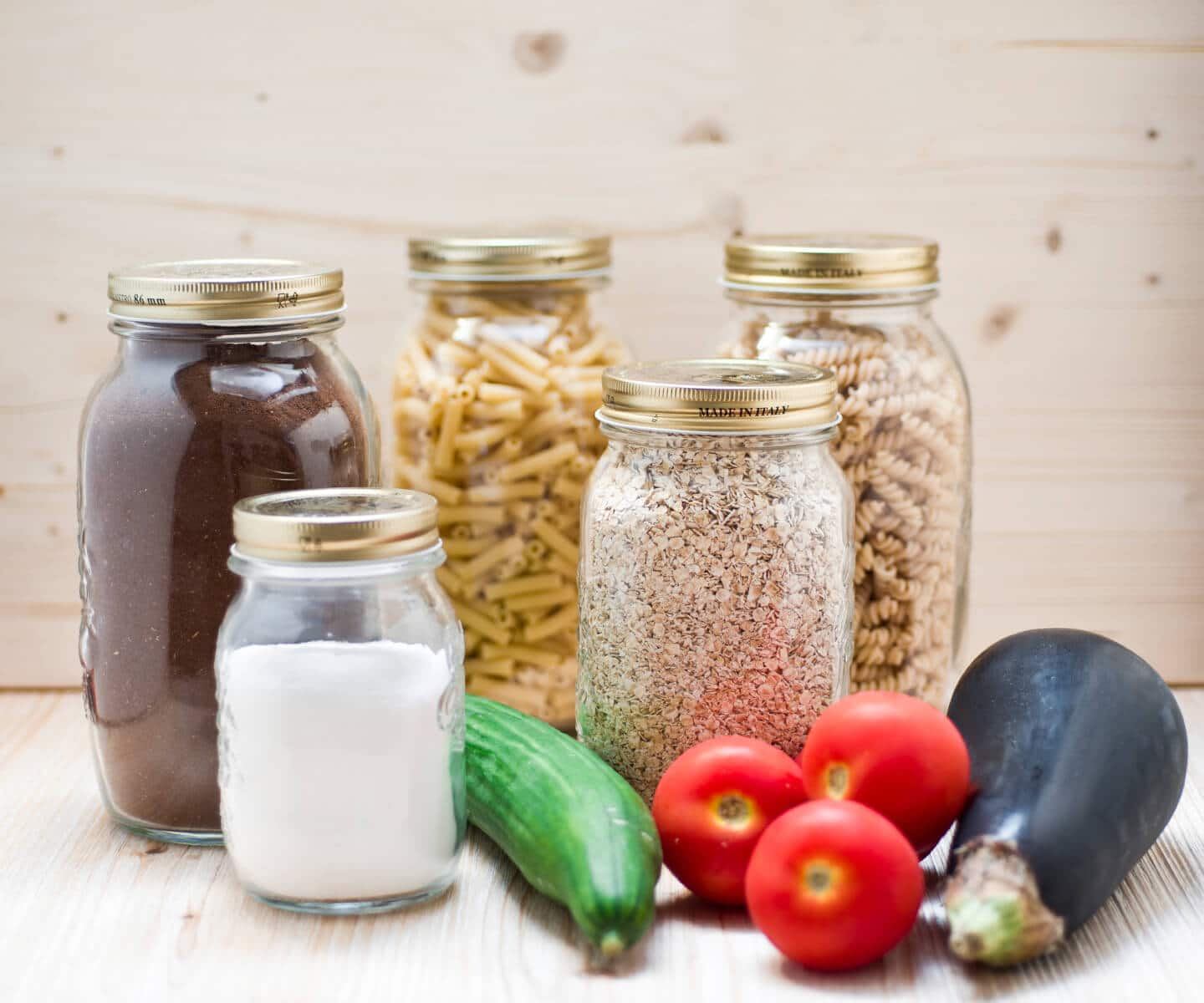
Pasta, rijst, producten in blik en dergelijke hoeven niet in de koelkast bewaard te worden. Je kunt ze prima in een keukenkastje op een gemiddelde temperatuur van 15 tot 20 °C bewaren. Het is belangrijk dat etenswaren niet worden blootgesteld aan direct zonlicht of warmte, bijvoorbeeld in de buurt van een fornuis of oven. Hoge temperaturen en vochtige lucht tijdens het koken hebben een nadelige invloed op de houdbaarheid, ook bij producten die lang houdbaar zijn. Als je je keukenkastjes en voorraadkast gaat opruimen, zet dan nieuwe producten achteraan neer en haal oudere producten naar voren, zodat deze als eerste gebruikt worden. Maak een geopende verpakking weer goed dicht of doe de inhoud in een afgesloten bakje. Plak net als bij ingevroren voedsel label op de bakjes en vermeld daarop inhoud en datum, zodat duidelijk is wat erin zit.

Storing products in the right place: What food belongs where

Whether warm or cold, moist or dry, not all foods like the same conditions. If stored incorrectly, food will lose its flavour and spoil more quickly. Let’s look at the best place to store different foods so that they stay fresh for longer.

how-to-store-food_slider-2_bread-baked-goods_card-1.jpg

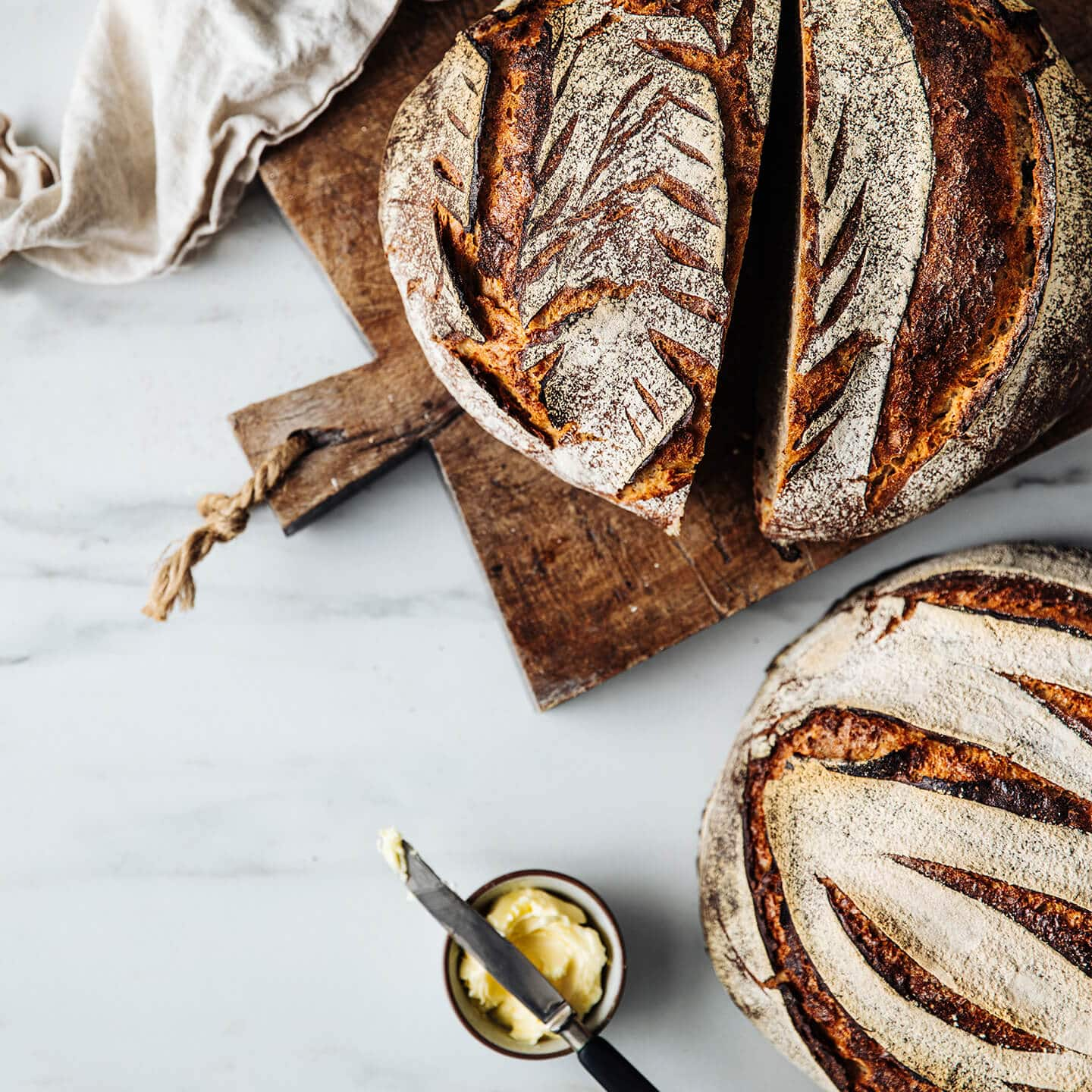
Bread & baked goods

Keeping bread fresh for longer

Keeping bread fresh means preventing it from drying out, such as by storing it in a bread bin or a stoneware container with a lid. Many people store bread in plastic bags. The disadvantage of this is that fresh bread from the baker very quickly turns soft when stored in airtight packaging. For this reason, it’s best to keep crisp baked goods you plan to eat soon unsealed – such as in the bag they came in from the baker.
​​​​​​​
However, drying out isn’t the only way bread can spoil. If the surroundings are too moist and air cannot circulate, water can accumulate and cause mould to develop, particularly in the case of sliced bread. Any crumbs lying around in a bread bin can also lead to mould growing. Remove crumbs every few days and wipe down the container with some diluted vinegar. In warm, humid weather, you can even keep bread in the fridge if necessary. This protects against mould, especially in the case of white bread. If in doubt, you can always freeze bread and bread rolls before defrosting them at a later date, ideally at room temperature.
how-to-store-food_slider-2_fruits-vegetables_card-2.jpg

Fruit & vegetables

Apples, carrots, salad etc.: What belongs in the fridge and what doesn’t

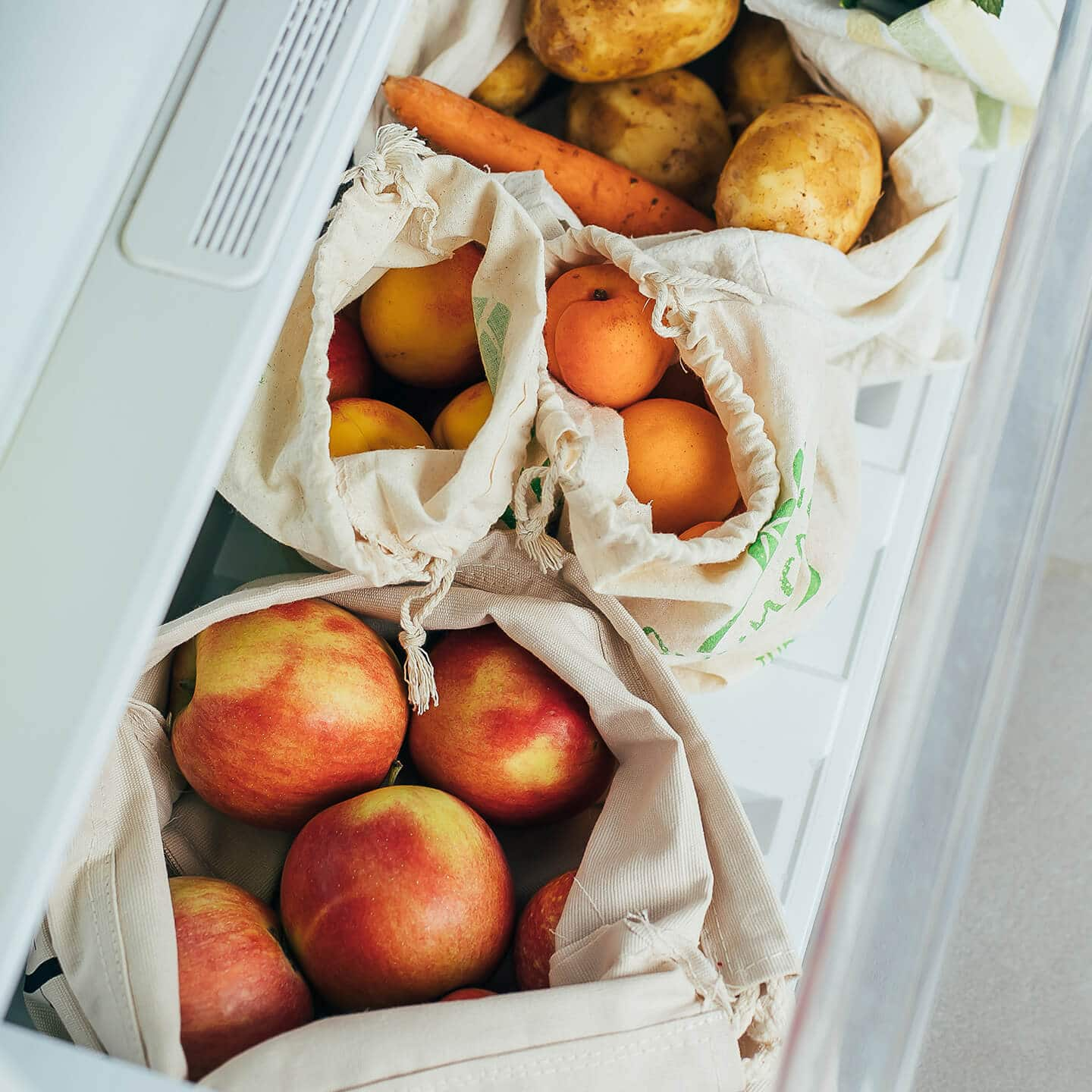
Almost all vegetables can be stored in the fridge. Aubergines, tomatoes, potatoes and pumpkins are the only ones you shouldn’t keep cold. Fruit is a little more complicated. Some types of fruit only stay fresh and retain their vitamins when chilled. Others, however, are very sensitive to the cold. As a rule of thumb, you should chill indigenous fruits like apples, cherries and plums. Exotic fruits like mangos, bananas and citrus fruits don’t belong in the fridge. Exceptions to this rule are figs and kiwis, which are quite at home in your crisper drawer.
​​​​​​​
Over time, some fruits and vegetables develop a ripening gas called ethylene. This causes other fruit and vegetables nearby to age and spoil more quickly. The highest ethylene producers include apples, apricots, plums and tomatoes. For this reason, it’s best to keep them separate.
how-to-store-food_slider-2_dairy-products_card-3.jpg

Produits laitiers

Les yaourts, le beurre et le lait : Comment conserver la fraîcheur des produits laitiers

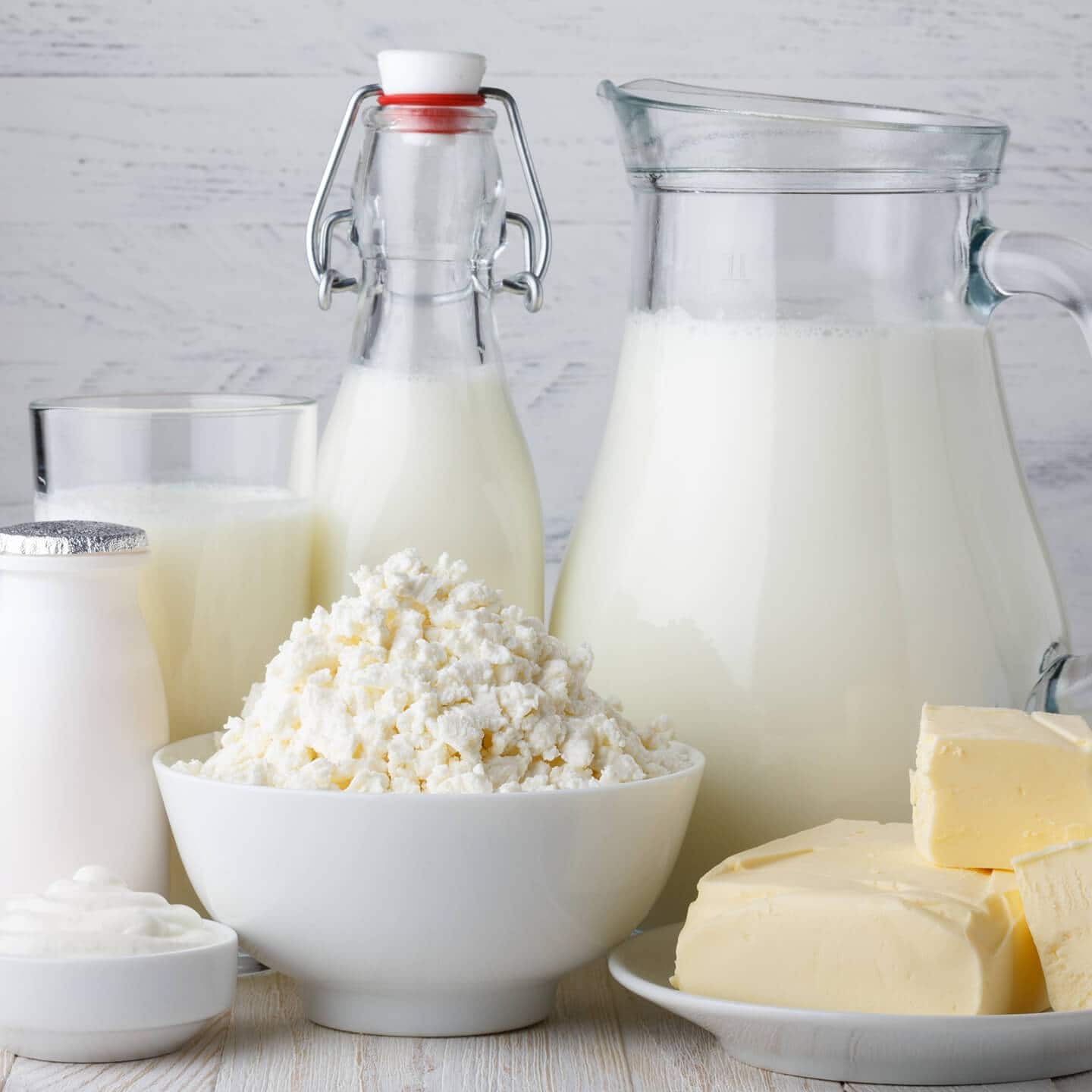
Les yaourts, le lait et le beurre doivent passer du supermarché à votre réfrigérateur le plus rapidement possible. L'idéal est de les conserver bien fermés et dans leur emballage d'origine. Nous vous recommandons de mettre le beurre sur l'étagère supérieure de la porte du réfrigérateur, et de garder les yaourts et le lait au milieu du réfrigérateur. Le lait UHT ne doit être mis au réfrigérateur qu'une fois ouvert ; il peut se conserver à température ambiante pendant plusieurs semaines avant ouveuture. Si vous consommez du lait cru provenant directement de la ferme, il doit être consommé dans un délai de 2 à 3 jours au maximum. Le lait frais pasteurisé reste souvent frais jusqu'à une semaine lorsqu'il est conservé fermé et pendant 2 à 3 jours lorsqu'il est ouvert.
how-to-store-food_slider-2_cheese_card-4.jpg

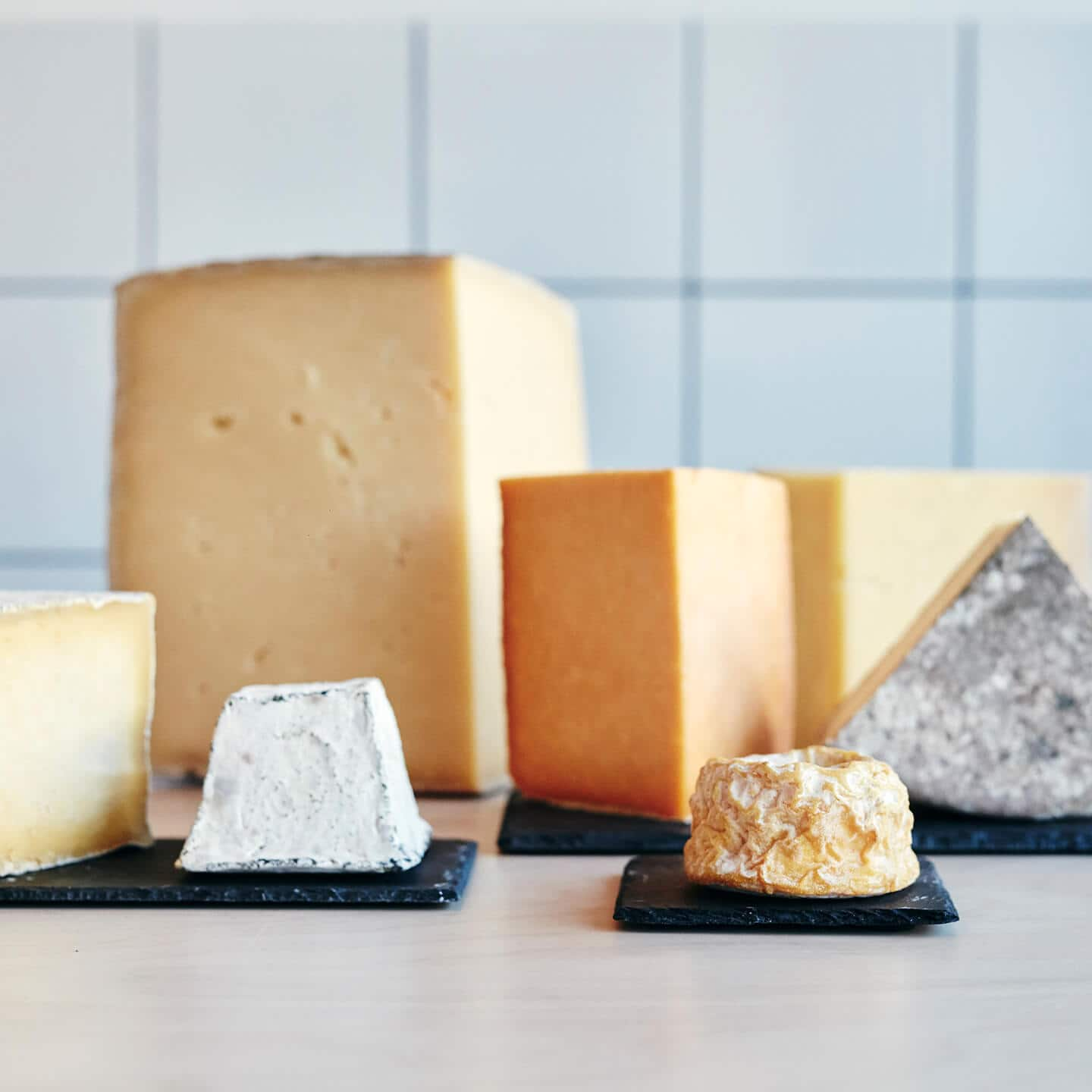
Fromage

Le fromage se conserve mieux dans un endroit bien ventilé et humide, mais le fromage frais aime la fraîcheur.

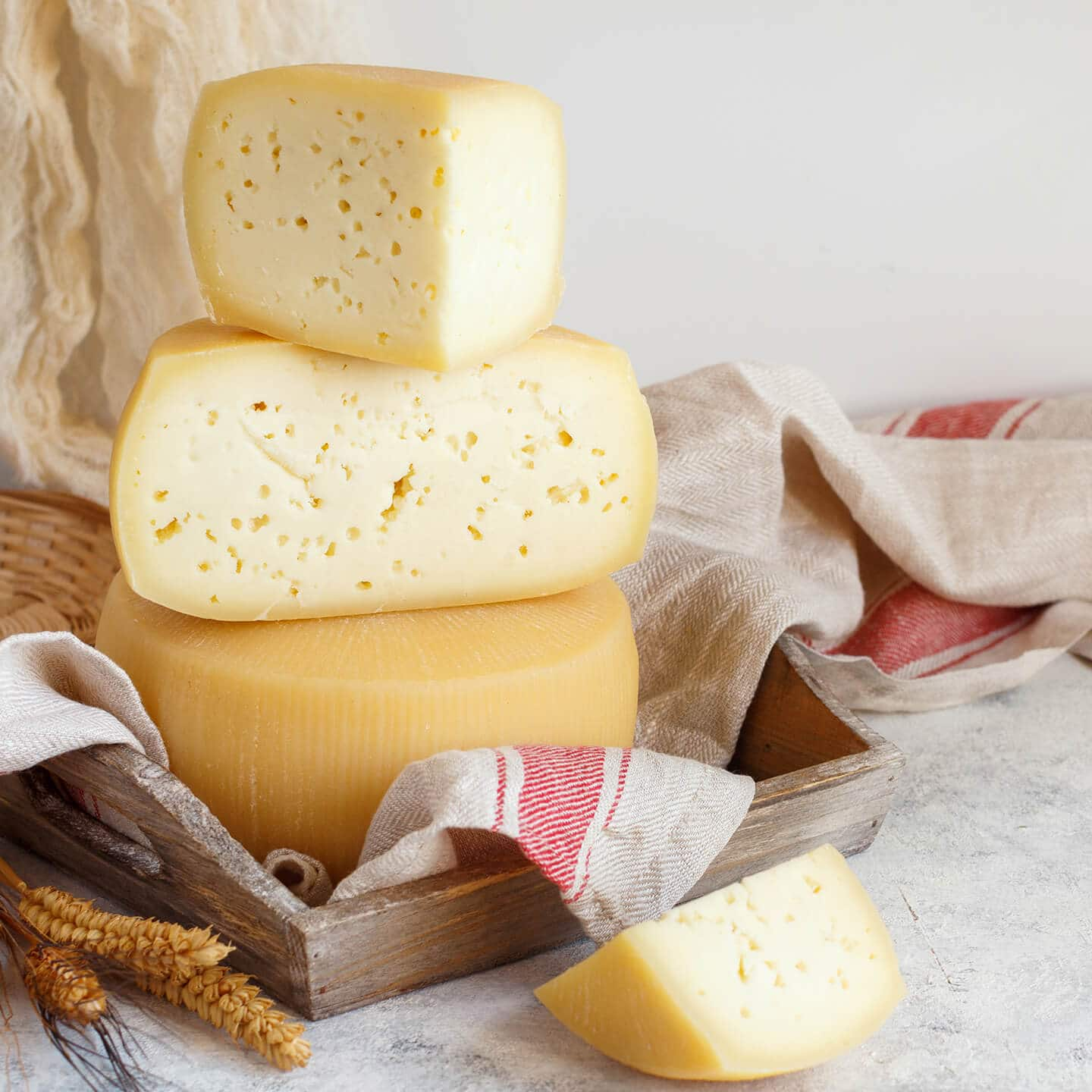
À l'exception du fromage frais, tous les types de fromage doivent pouvoir respirer et ne doivent donc pas être conservés dans un récipient hermétique. Il est préférable de conserver les fromages préemballés dans leur emballage d'origine, dans du papier spécifique, ou dans un boîte à fromage. Cela les empêche de transmettre leur arôme à d'autres aliments et empêche la formation de moisissures comestibles sur les fromages à pâte dure. Une autre option est le film alimentaire, mais vous ne devez jamais utiliser de récipients en plastique hermétiques. Le fromage est le plus heureux sur l'étagère du milieu du réfrigérateur. Le fromage frais, en revanche, doit être conservé dans un endroit beaucoup plus frais, donc sur l'étagère du bas du réfrigérateur. Les morceaux de fromage peuvent se conserver jusqu'à trois semaines dans le réfrigérateur. Le fromage en tranches et le fromage frais emballés se dessèchent plus rapidement une fois ouverts et perdent leur saveur : il est donc préférable de les consommer dans la semaine qui suit l'ouverture.
how-to-store-food_slider-2_pasta_card-5.jpg

Pâtes

La meilleure façon de conserver les pâtes, les spaetzle et les gnocchi

Vous pouvez conserver les pâtes sèches jusqu'à un an. Il est important de les conserver à température ambiante et de les garder au sec dans des récipients ou boites bien fermés. Comme d'autres produits secs (tels que la farine, le muesli et le thé) les pâtes sèches sont particulièrement sensibles aux parasites, comme les mites alimentaires.
​​​​​​​
Les produits frais à base de pâte comme les pâtes fraiches, les spaetzle ou les gnocchi sont extrêmement sensibles aux germes. Ils se conservent au réfrigérateur pendant trois ou quatre jours. Vous pouvez conserver les restes de pâtes sur l'étagère supérieure du réfrigérateur, où elles resteront fraîches pendant un ou deux jours. Il est préférable de conserver les pâtes cuites dans des récipients fermés afin qu'elles ne durcissent pas.
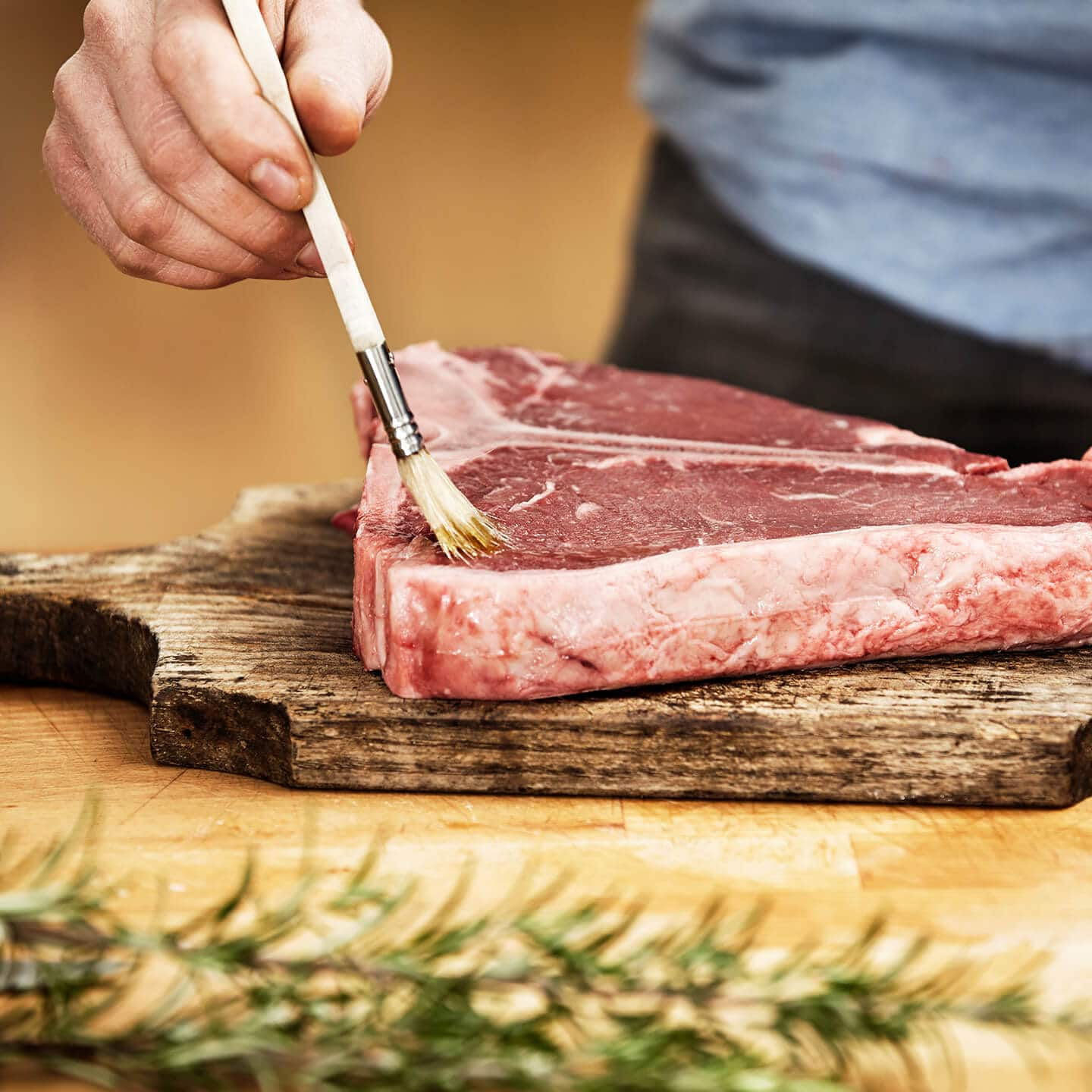
how-to-store-food_slider-2_meat_card-6.jpg

Meat

Things to remember when storing meat

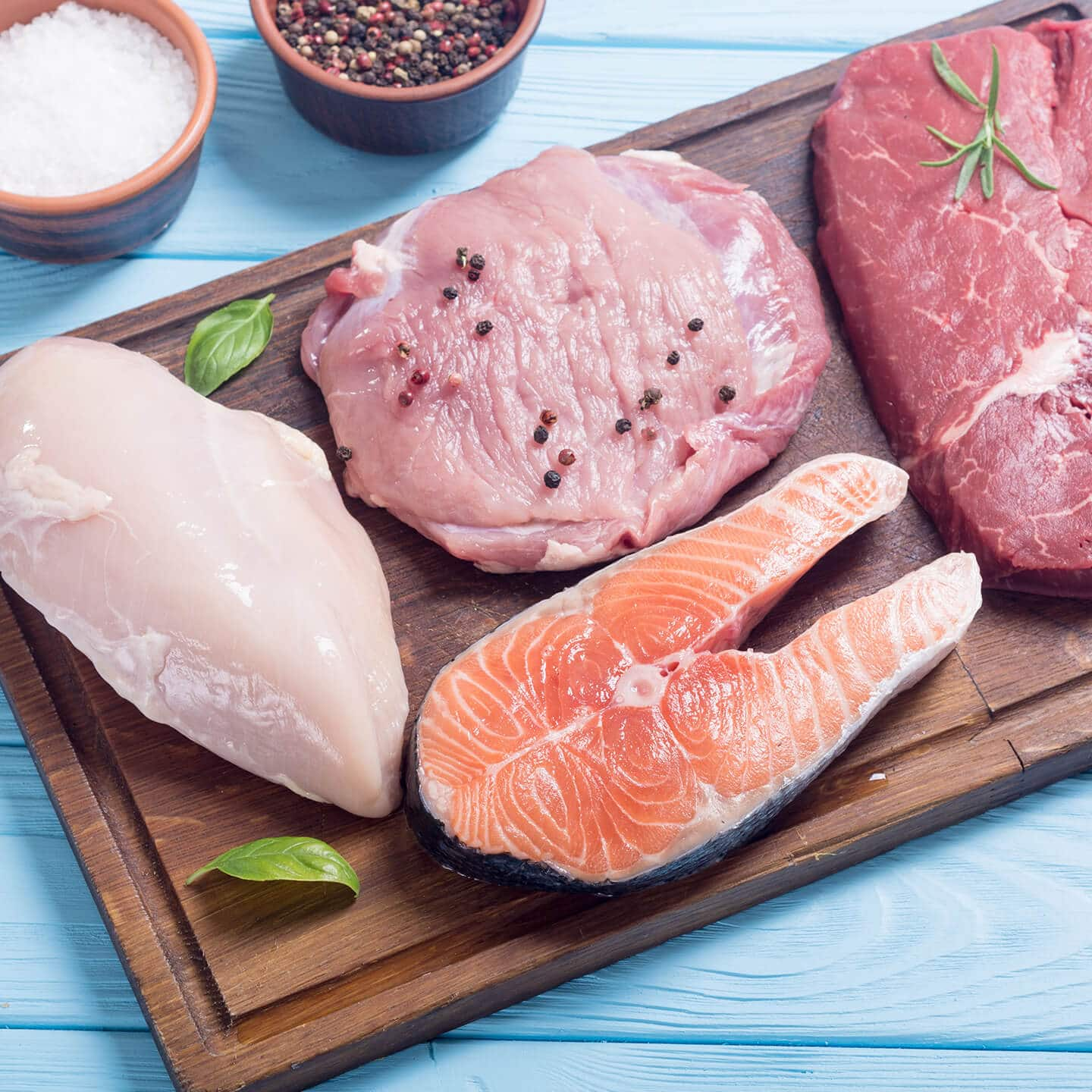
Meat, poultry and sausages are foods that spoil very quickly. If at all possible, you should avoid breaking the cold chain or only do so for a very short time. The best way is to take a cool bag with you to the supermarket. At home, place meat on the bottom shelf of the fridge straight away, as this is the coolest part of the fridge.
​​​​​​​
If you buy meat in plastic packaging, you should replace this before putting it in the fridge. Remove the meat from the packaging, dab it dry with kitchen paper, wrap it in baking paper and place it in an airtight container to protect against germs. Beef can be stored for 3 to 4 days; veal and pork will keep for 2 to 3 days, but poultry only stays fresh for 1 or 2 days. Take care when it comes to minced meats – if possible, you should eat these on the day you buy them. Always defrost frozen meat in the fridge and remember that this can produce defrost water.​​​​​​​
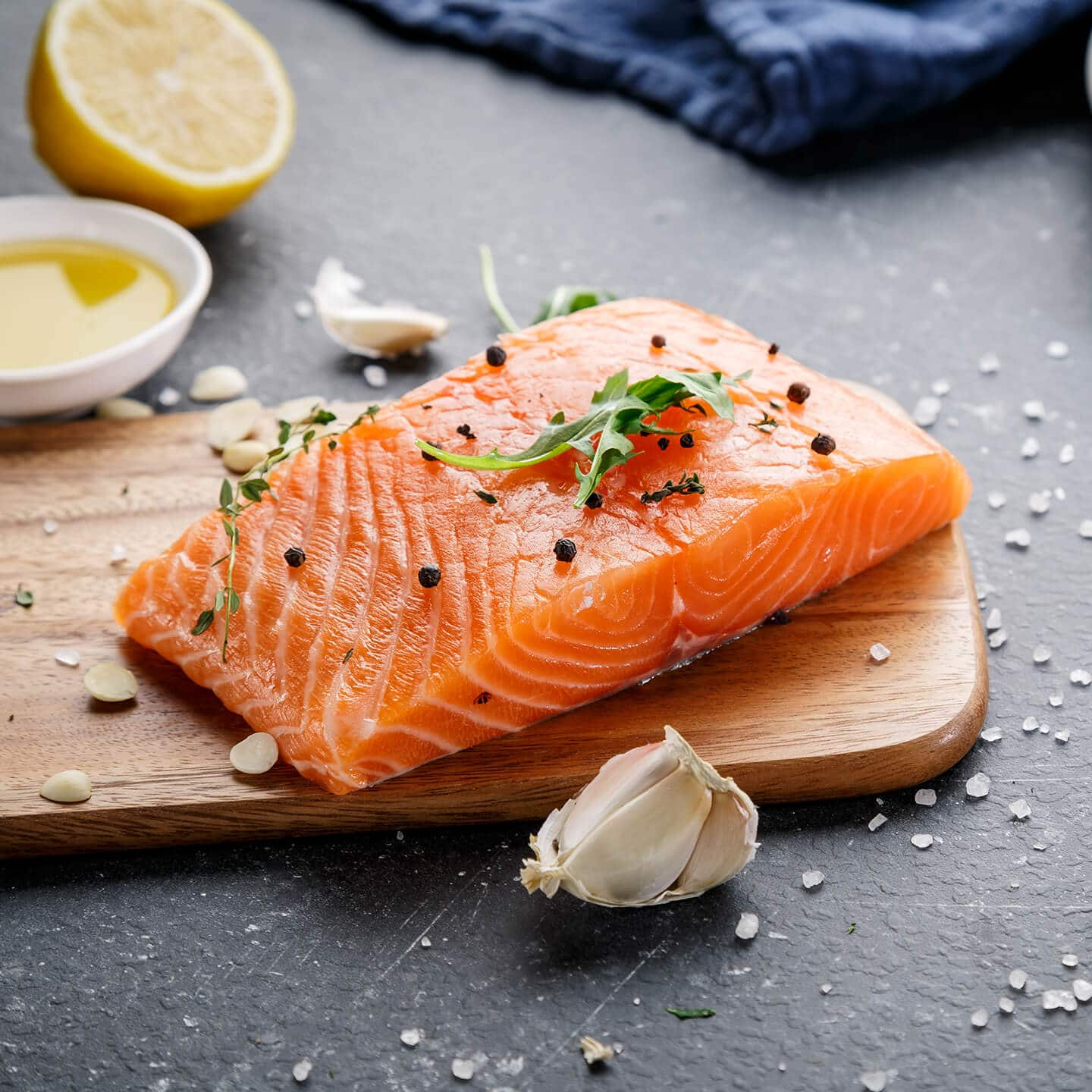
how-to-store-food_slider-2_fish_card-7.jpg

Fish

The best way to store fish

Fish is even more perishable than meat. As a result, it’s best to eat fish straight after you buy it. If you buy fresh fish from the fish counter, don’t leave it in its packaging: store it in a glass or porcelain container, cover it with cling film and ice, and store it in the fridge for 1 day at most.
​​​​​​​
Store pre-packaged fish from the deep-frozen section in your freezer and keep an eye on the best-before date! The smoking process helps smoked fish stay fresh for longer. You can keep this in your fridge, covered in cling film, for up to around 3 days. Always defrost frozen fish in the fridge and remember that this can produce defrost water.​​​​​​​​​​​​​​

Little hint: You don’t need to throw away food past its best-before date

 
  • Most food has a best-before date (BBD) on its packaging. However, food doesn’t automatically go bad just because this date has passed. This is the date until which the manufacturer guarantees typical product characteristics, such as taste, aroma, consistency and colour.
     
  • It’s important to distinguish between the best-before date and the use-by date for perishable foods such as raw fish, mince and fresh poultry. You should not eat products after their use-by date and should throw them away instead.
     
  • Take a look, have a taste, smell food for yourself: trust your senses! It’s often easy to tell whether food is still good enough to eat once its BBD has passed.
     
Braun Did You Know Icon

Did you know?

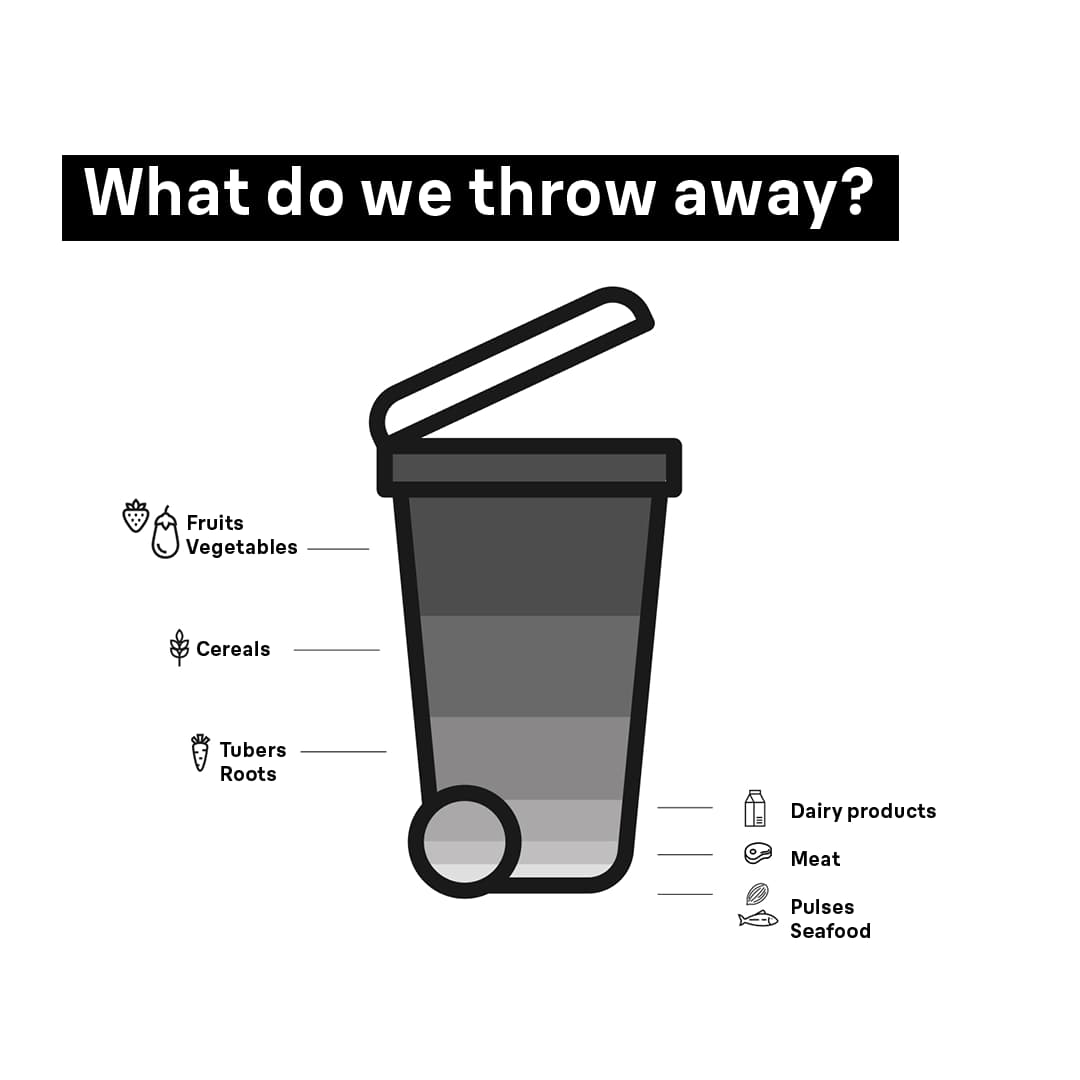
None of us would ever plan to throw away one-third of the food we buy. However, the statistics show that this is precisely the amount that ends up in the bin, unused. According to estimates from the World Health Organization (WHO), this corresponds to 1.3 billion tonnes of discarded food globally each year. This is an inconceivable waste of food when you consider that there are 690 million people around the world who are starving.

Did you know...

...how to keep your Avocados from browning?

Braun's kitchen hack of the day: after opening an avocado, simply sprinkle some fresh lemon juice on it to keep it from browning. It stays fresh for longer and even tastes good.
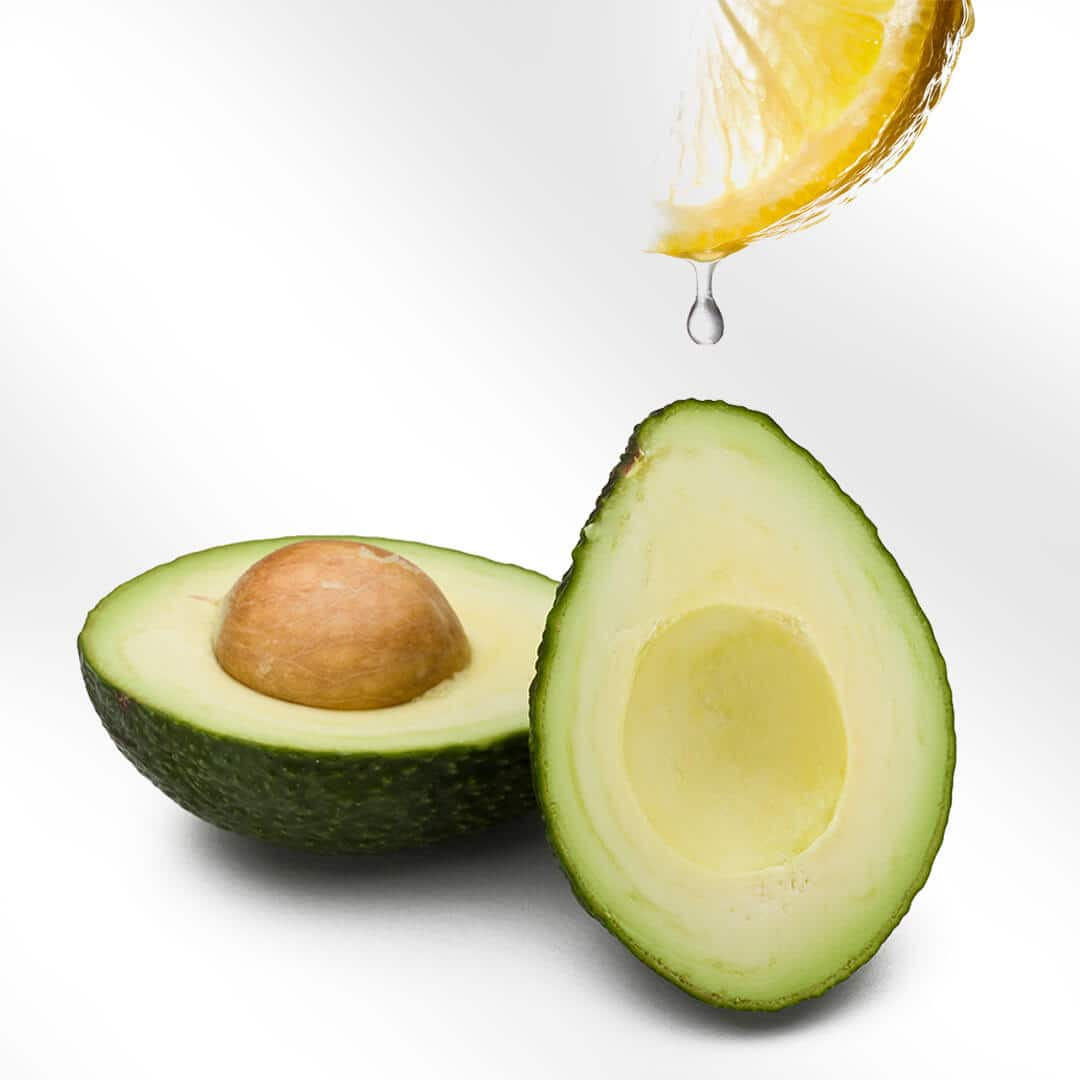
Avocado cut in half with citrus juice dripping on it.

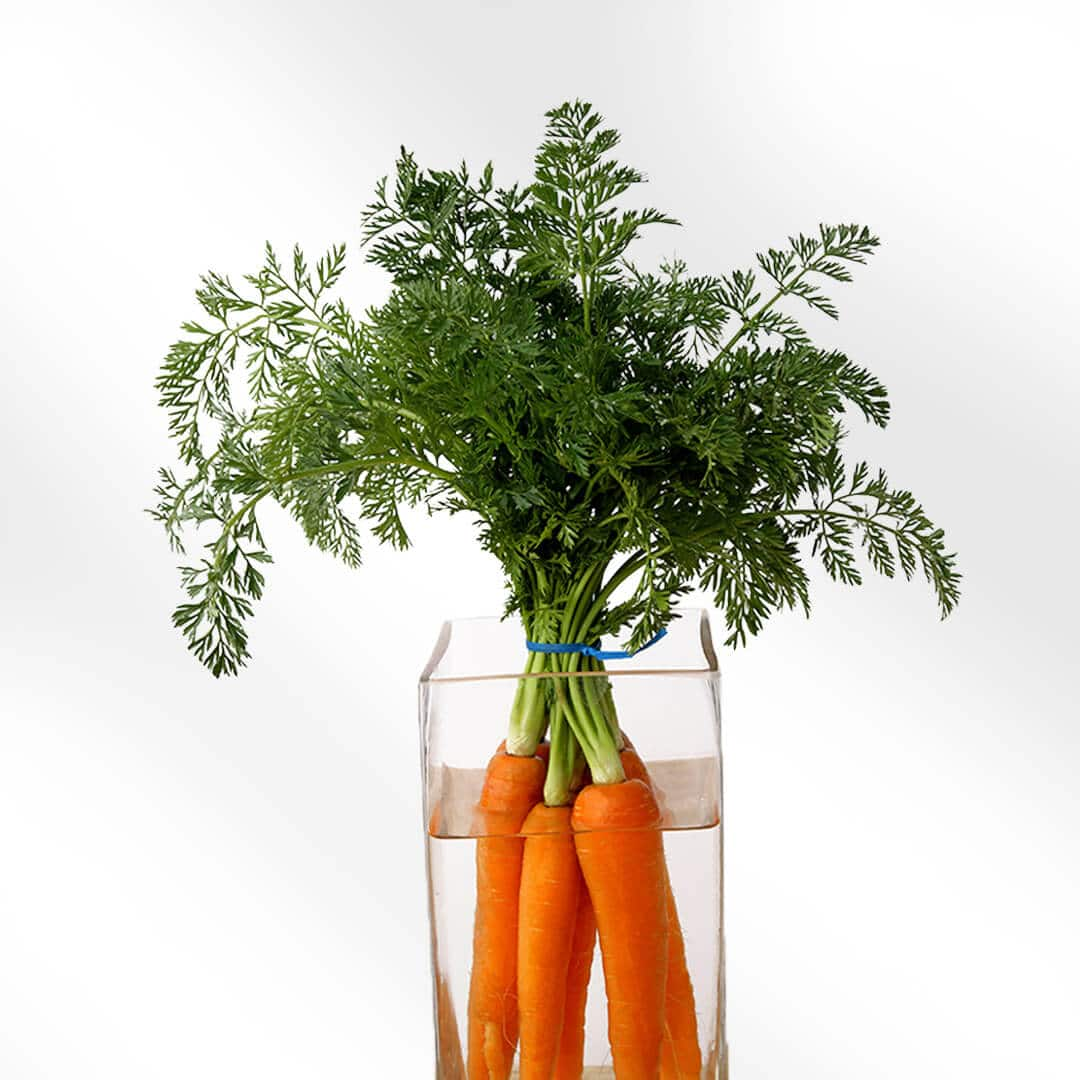
…how to keep your Carrots crisp?

We carrot wait to try this hack at home. Place your carrots in a glass of water to keep them fresh and crispy. Do you already treat your carrots like flowers and keep them fresh in a vase?
en_scs_braun_hack_card-04_Crisp_Carrots_1080 × 1080.jpg

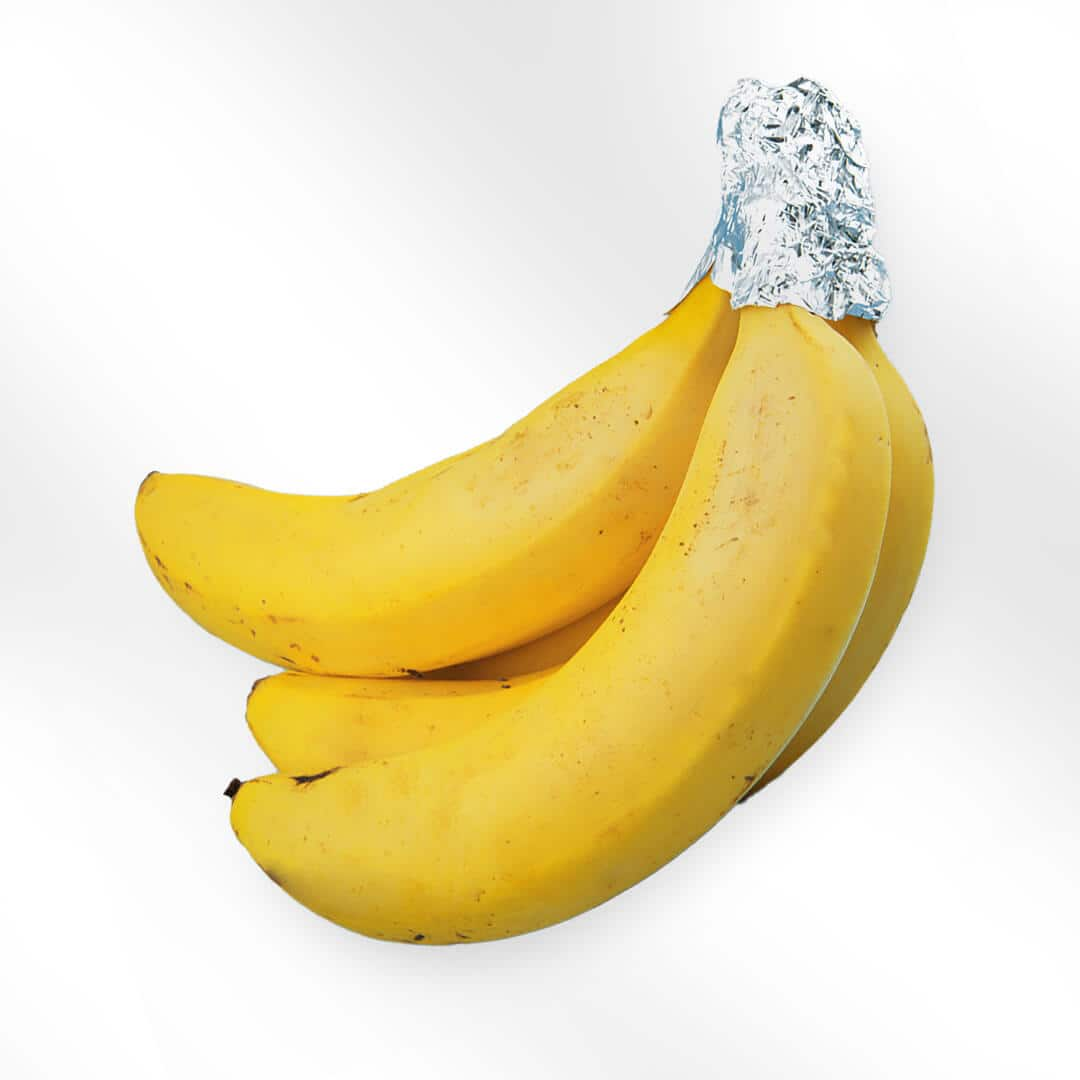
…how to keep your Bananas fresh?

Keep calm and go bananas. Did you know that bananas naturally release a gas called ethylene from their stem, and therefore tend to ripen much faster? Try and cover the stem of the bananas with a small piece of leftover foil, and the ripening process slows dramatically. Have you ever heard about this kitchen hack?
en_scs_braun_hack_card-05_Fresh-Banana_1080 × 1080.jpg

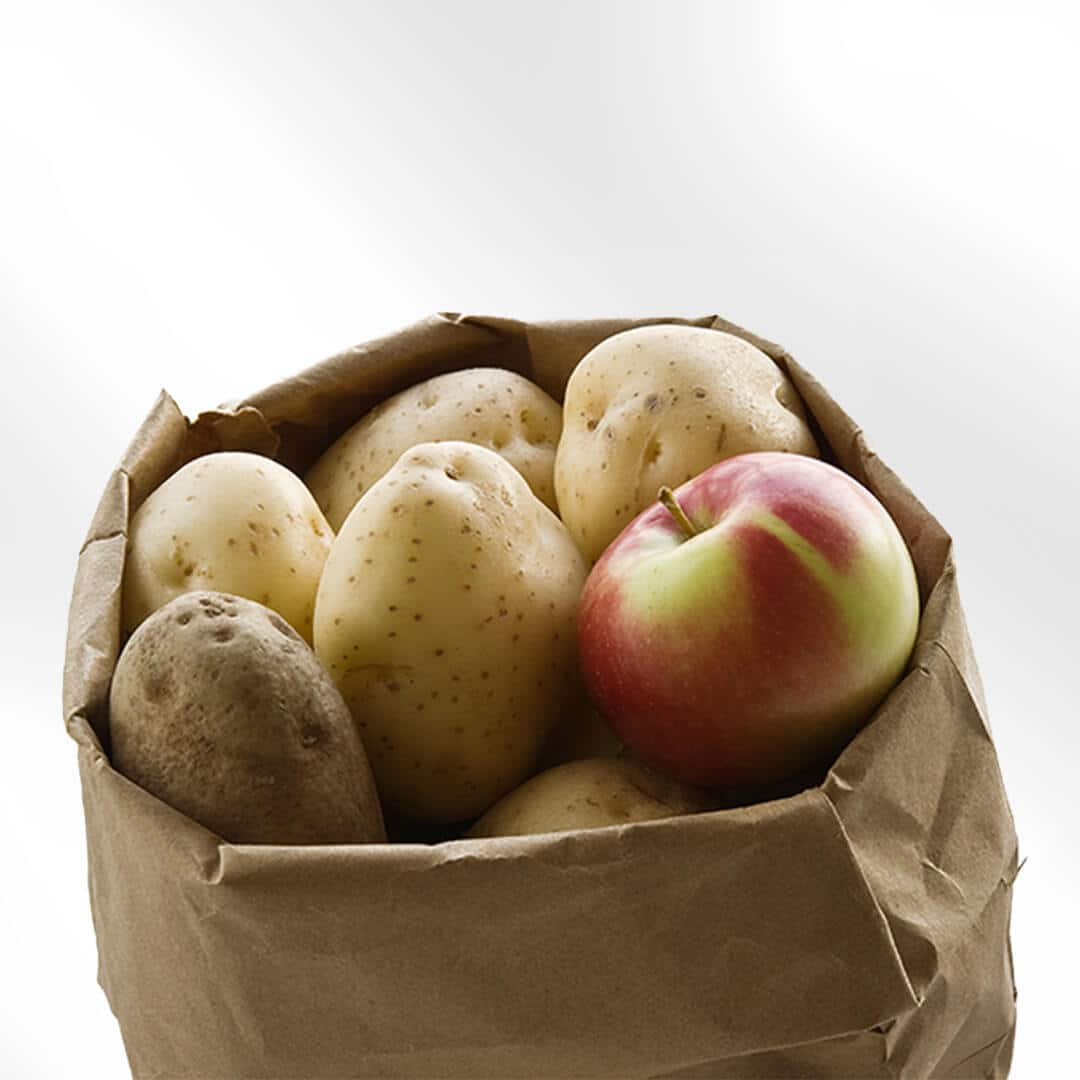
…how to keep your Potatoes from sprouting?

An apple a day keeps the sprouts away. Just place an apple in the same rack with your potatoes. With this little kitchen hack you can keep your potatoes fresh, even if you don't use them up all at once. Have you tried this before? 
en_scs_braun_hack_Card-08_Potatoes_1080 × 1080.jpg

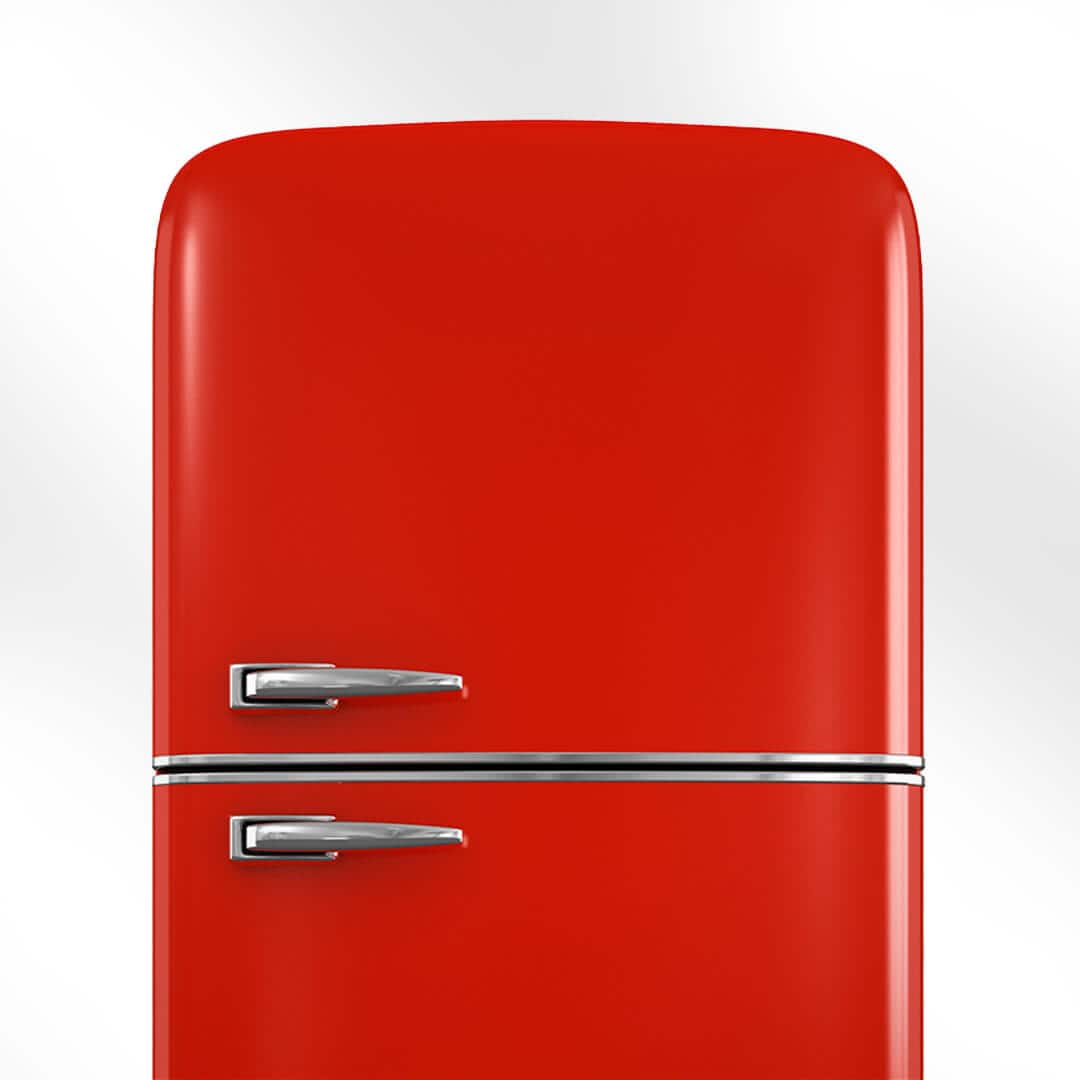
…why you shouldn't put hot food straight into the fridge?

Keep calm and stay cool. Your leftover food should always be allowed to cool to room temperature before placing it in the refrigerator. This way, you can make sure to maintain a secure temperature in your fridge as well as save energy. Have you been aware of that?
Red retro Fridge

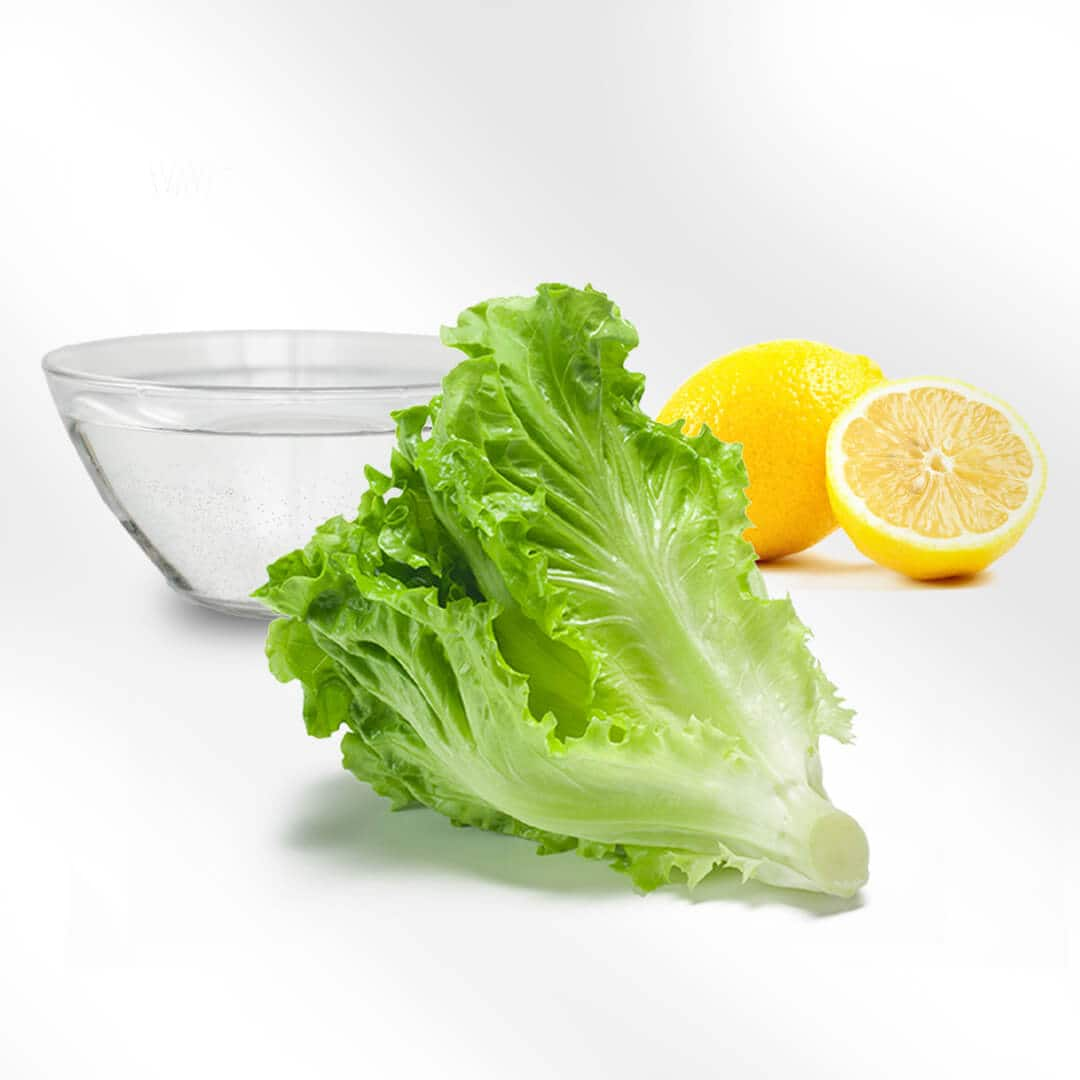
…how to make limp lettuce fresh again?

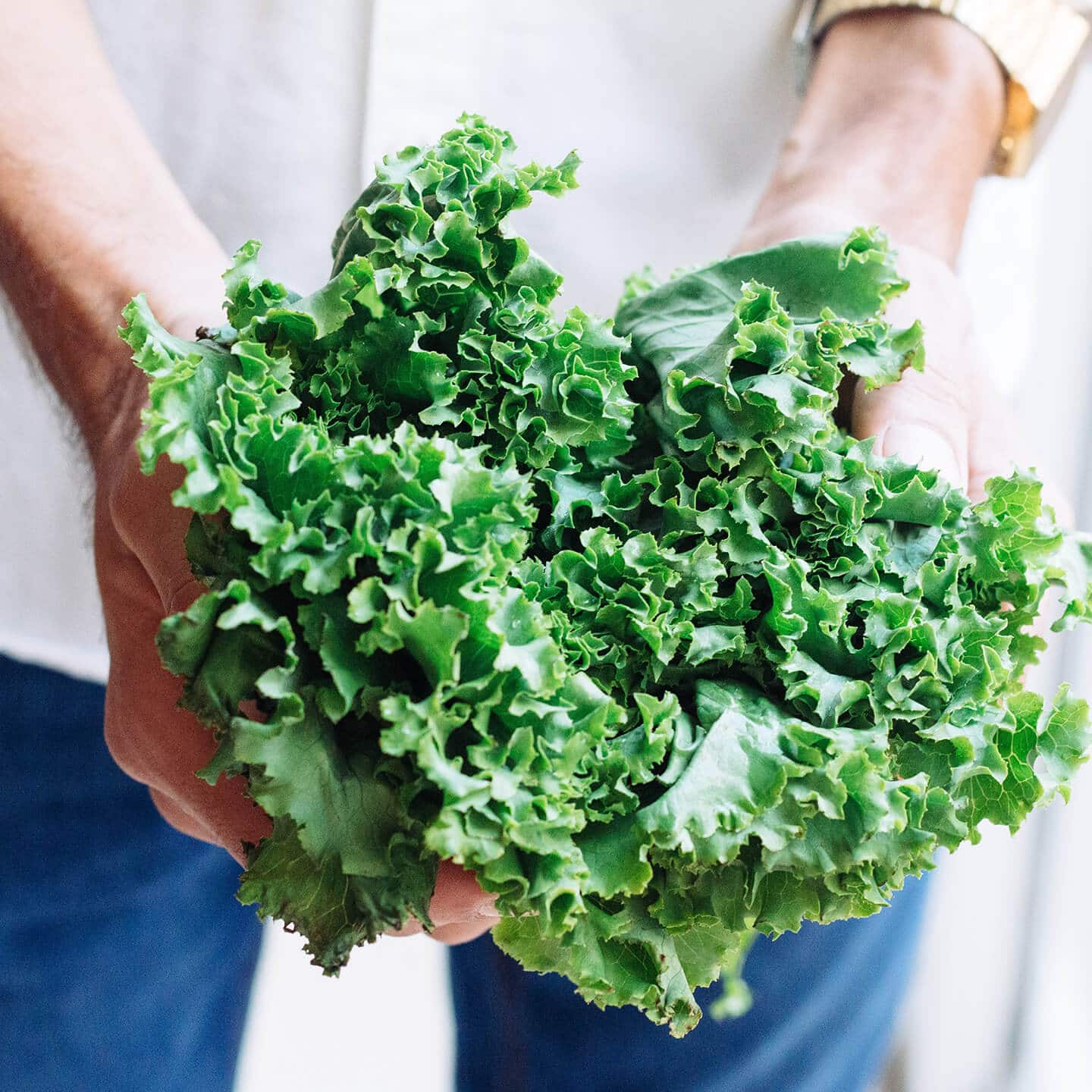
Don't throw away that limp lettuce just yet! Did you know you can bring it back to life by soaking it in cold water with lemon juice? This simple trick is a real hit for anyone who loves fresh, crisp greens.
en_scs_braun_hack_card13_Limplettuce_1080 × 1080.jpg

​​​​​​​​​​​​​​

Braun stands for durable products and sustainable design. We believe that, in the struggle to protect the environment and maintain our quality of life, both today and in the future, every action counts – no matter how small.

Related articles.

Less food waste

Zero waste: Keeping food fresh and getting creative with leftovers.

teaser_zero-waste_header.jpg

Back to school

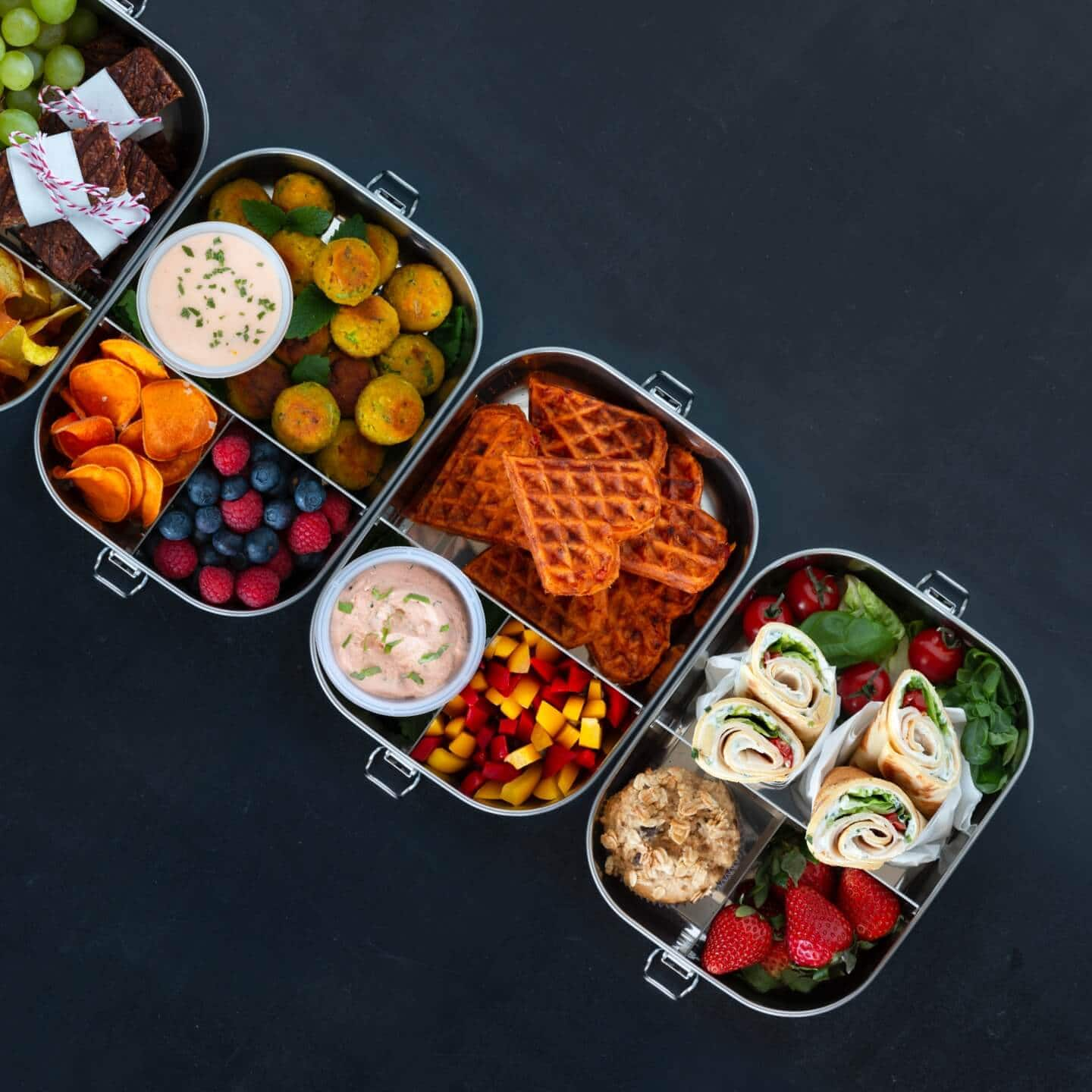
Food prep for school

Food prep for school
Laster inn