Country preference? Choose the preferred country to view local content and get a better experience.
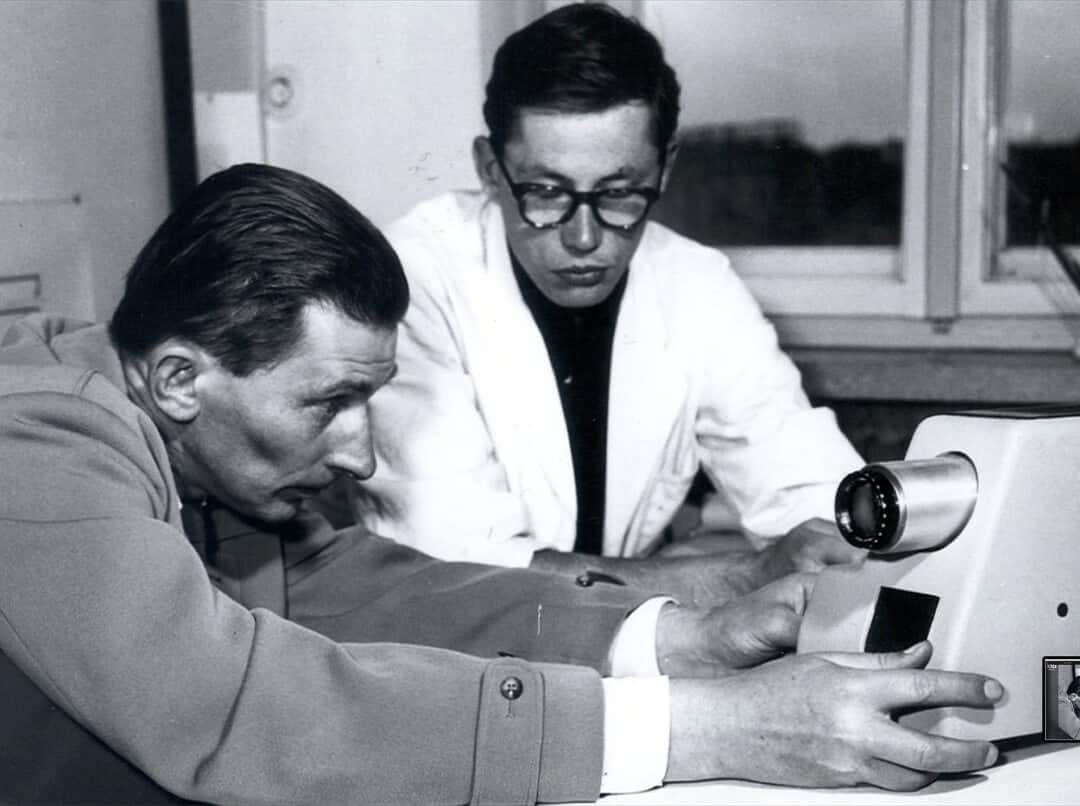
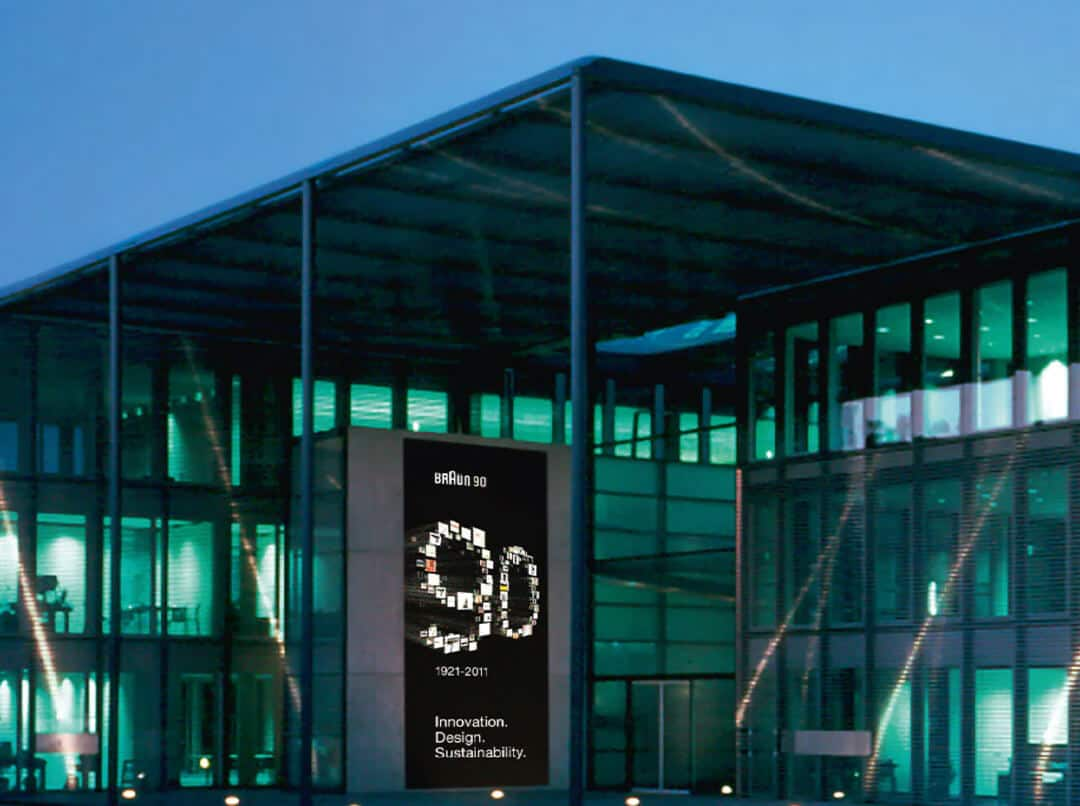
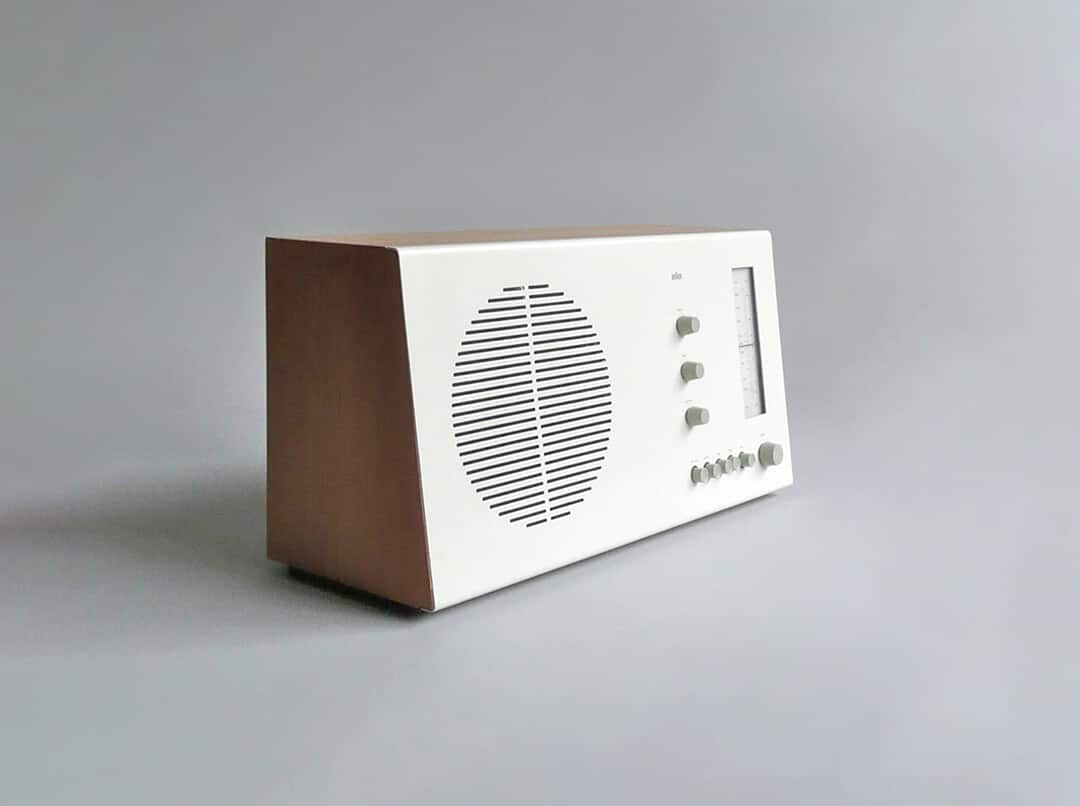
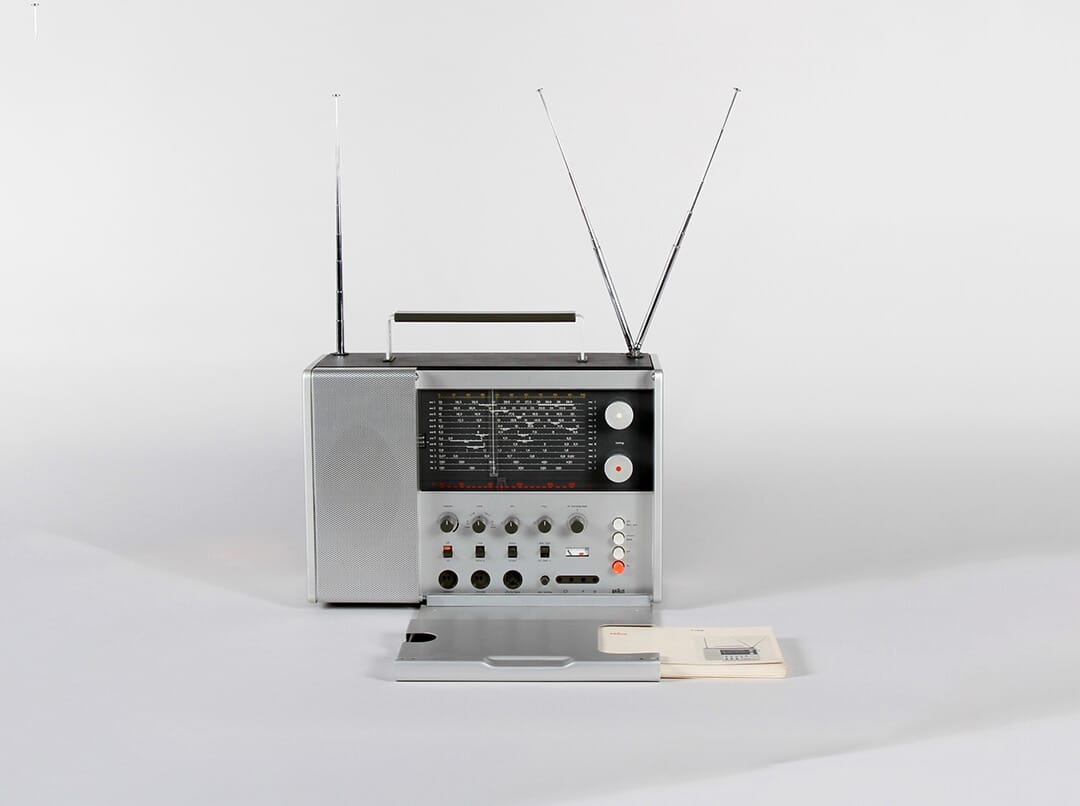
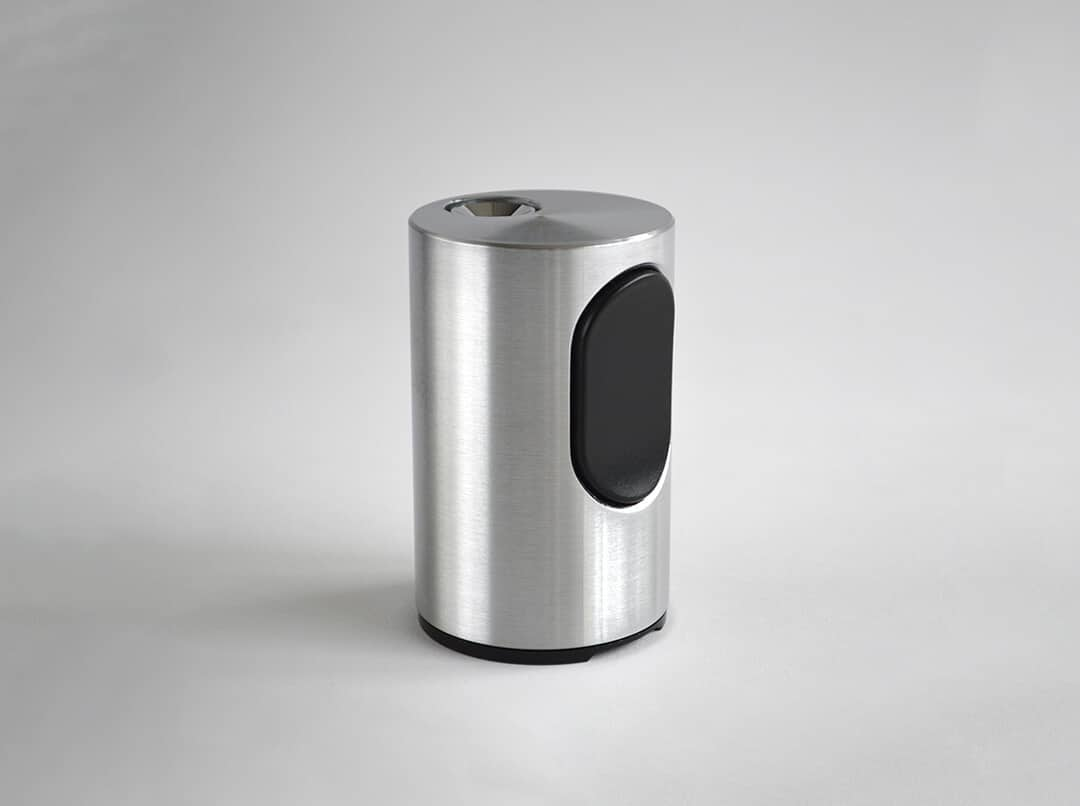
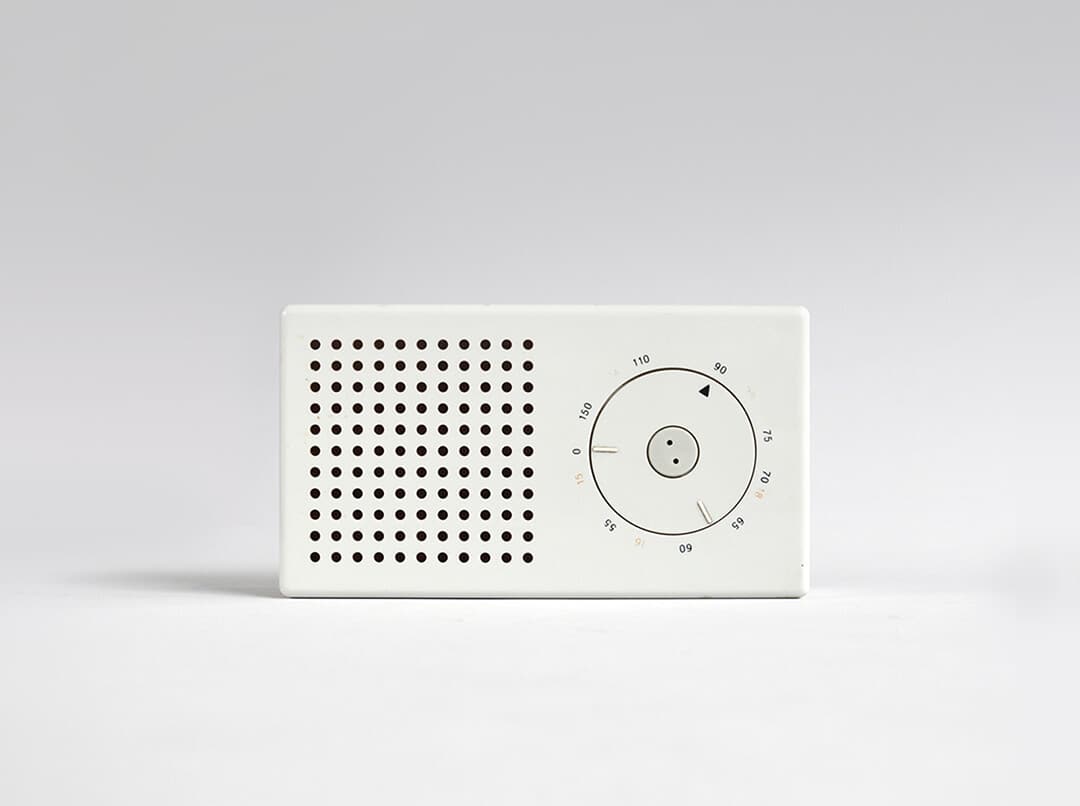
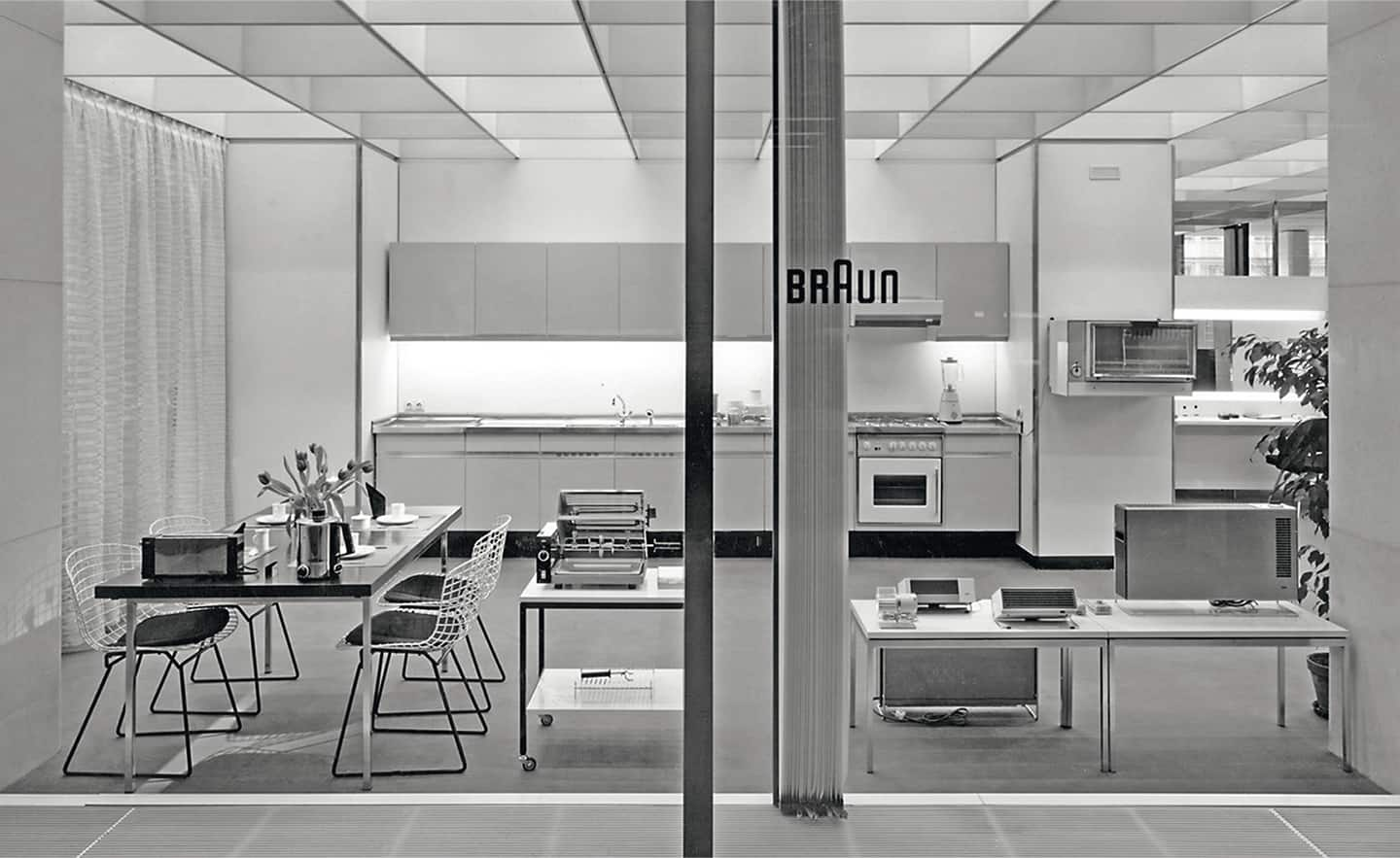
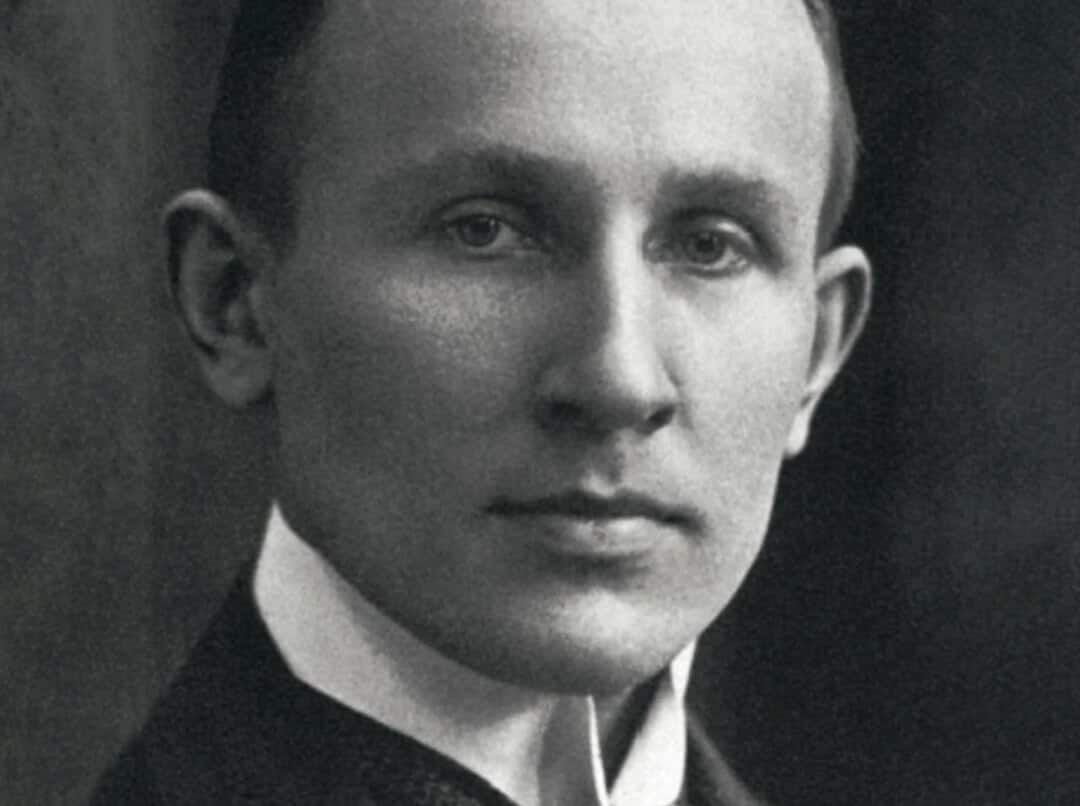
Hired as an architect for redesigning Braun’s office Dieter Rams became one of the leading designers, who developed Braun’s memorable design language and defined the 10 principles of good design, a design manual that is still relevant today.
1 Good design is innovative.
The possibilities for innovation are not, by any means, exhausted. Technological development is always offering new opportunities for innovative design.
2 Good design makes a product useful.
A product is bought to be used. It has to satisfy certain criteria, not only functional, but also psychological and aesthetic. Good design emphasises the usefulness of a product whilst disregarding anything that could possibly detract from it.
3 Good design is aesthetic.
The aesthetic quality of a product is integral to its usefulness because products we use every day affect our person and our well-being. But only well-executed objects can be beautiful.
4 Good design makes a product understandable.
It clarifies the product’s structure. Better still, it can make the product talk. At best, it is self-explanatory.
5 Good design is unobtrusive.
Products fulfilling a purpose are like tools. They are neither decorative objects nor works of art. Their design should therefore be both neutral and restrained, to leave room for the user’s self-expression.
6 Een goed design is eerlijk.
Het maakt een product niet innovatiever, krachtiger of waardevoller dan het werkelijk is. Het probeert de consument niet te manipuleren met beloften die niet kunnen worden waargemaakt.
7 Een goed design gaat lang mee.
Het vermijdt trendy te zijn en is daarom tijdloos. In tegenstelling tot een trendy ontwerp, gaat het vele jaren mee, zelfs in de hedendaagse wegwerpsamenleving.
8 Een goed design is grondig tot in de kleinste details.
Niets mag willekeurig zijn of aan het toeval worden overgelaten. Zorg en nauwkeurigheid in het ontwerpproces tonen respect voor de consument.
9 Een goed design is milieuvriendelijk.
Design levert een belangrijke bijdrage aan het behoud van het milieu. Het bespaart middelen en minimaliseert fysieke en visuele vervuiling gedurende de levenscyclus van het product.
10 Een goed design is zo min mogelijk design.
Simpel, maar beter, omdat het zich richt op de essentiële aspecten en dat de producten niet belast worden met niet-essentiële zaken. Terug naar zuiverheid, terug naar eenvoud.
1953 | Braun Factory
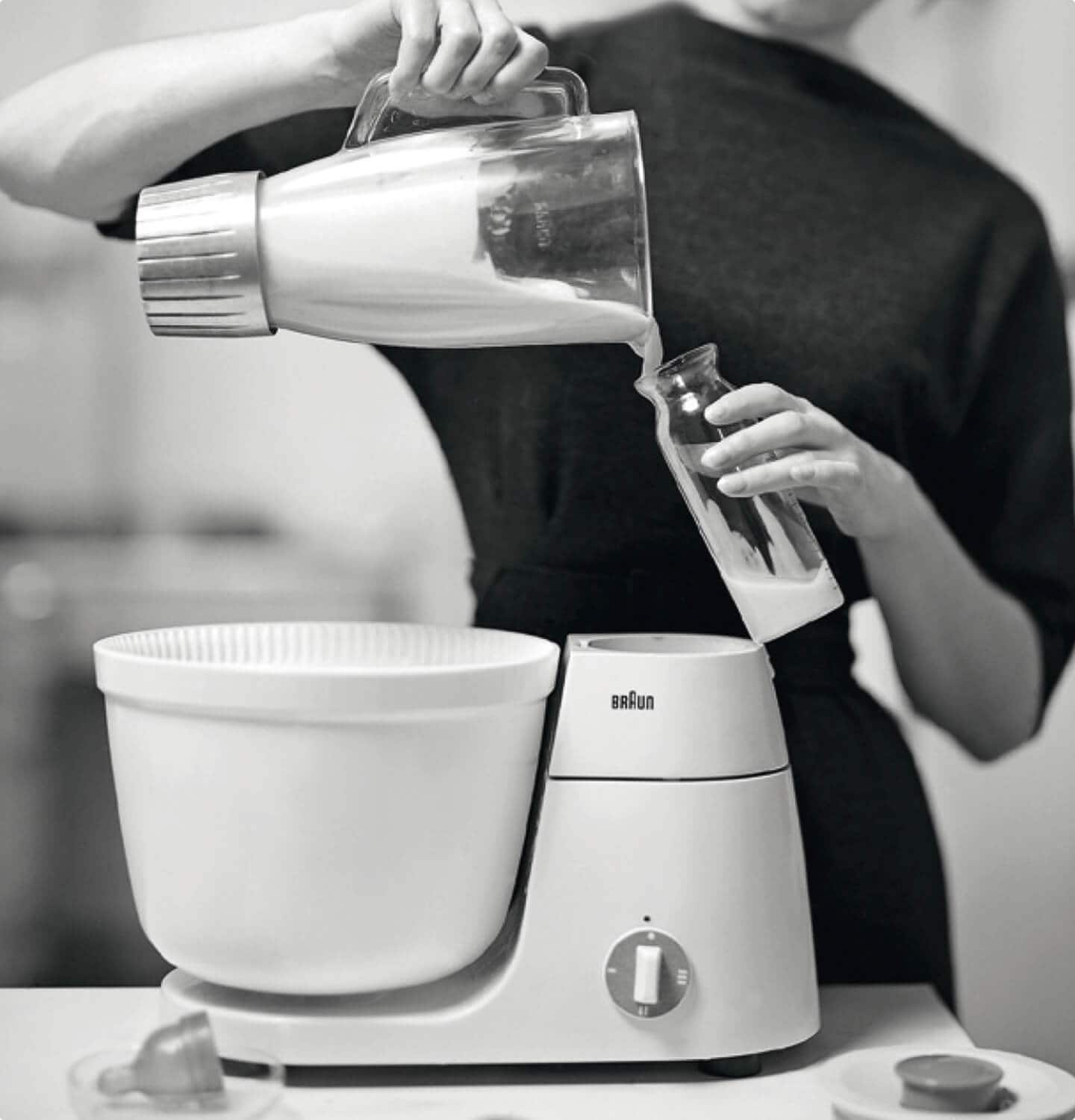
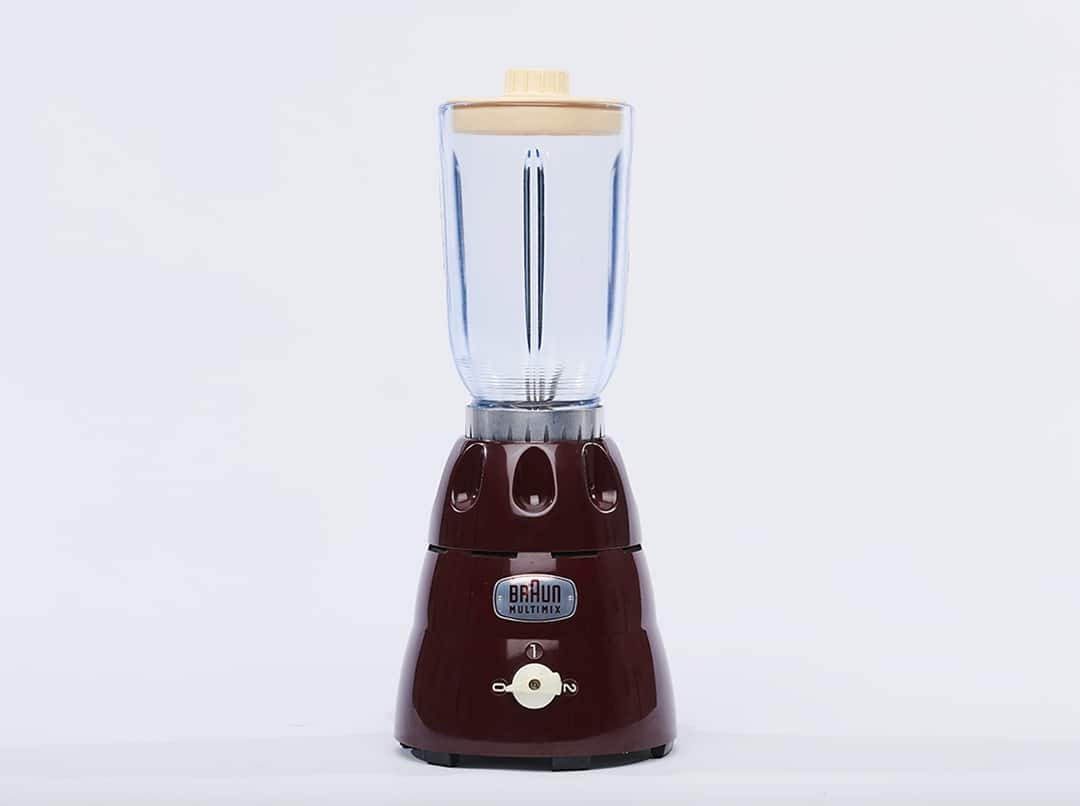
Braun Multimix Blender
The 50's established the milkshake as a western staple, enabled in part by the Multimix, the state-of-the-art blender with a detachable mixing glass container. It cuts ingredients with industrial-grade efficacy. Still widely in use today.
1957 | Gerd Alfred Müller
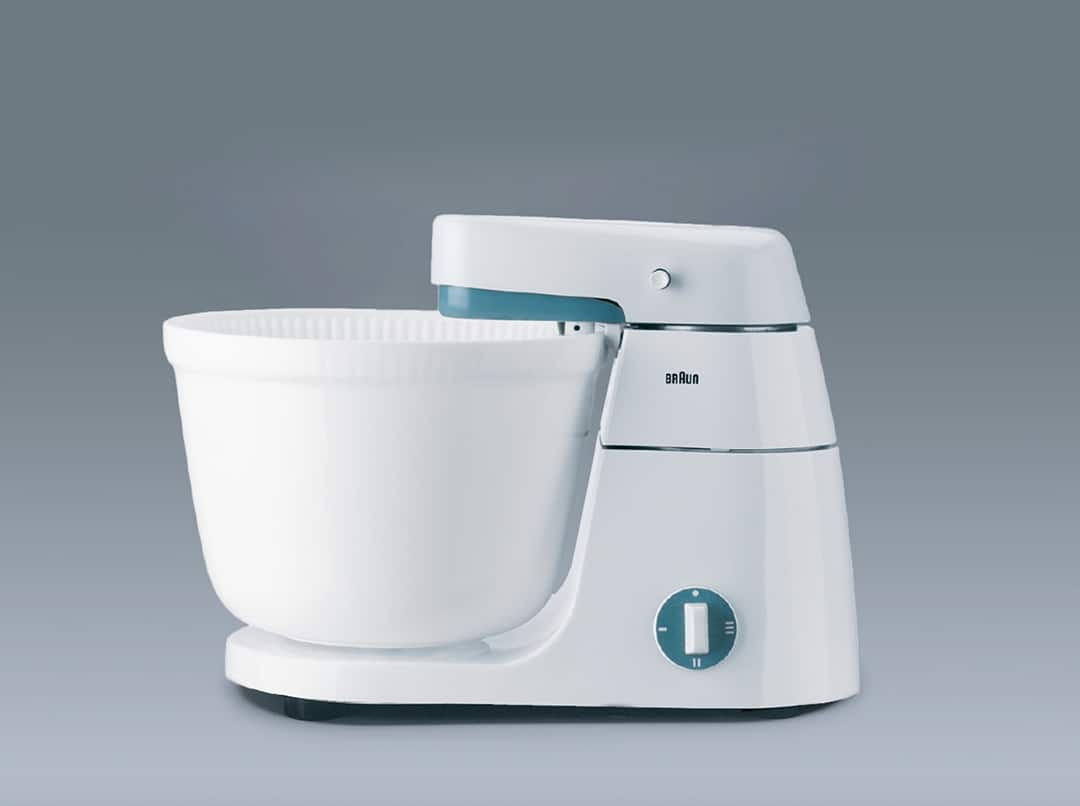
KM3/31
A hugely influential blender or “food processor” as it was known that birthed a whole new product category: “kitchen machines” or appliances. With its hyper-reduced, simple and useful design one of the most influential industrial products of all time.
1963 | Reinhold Weiss
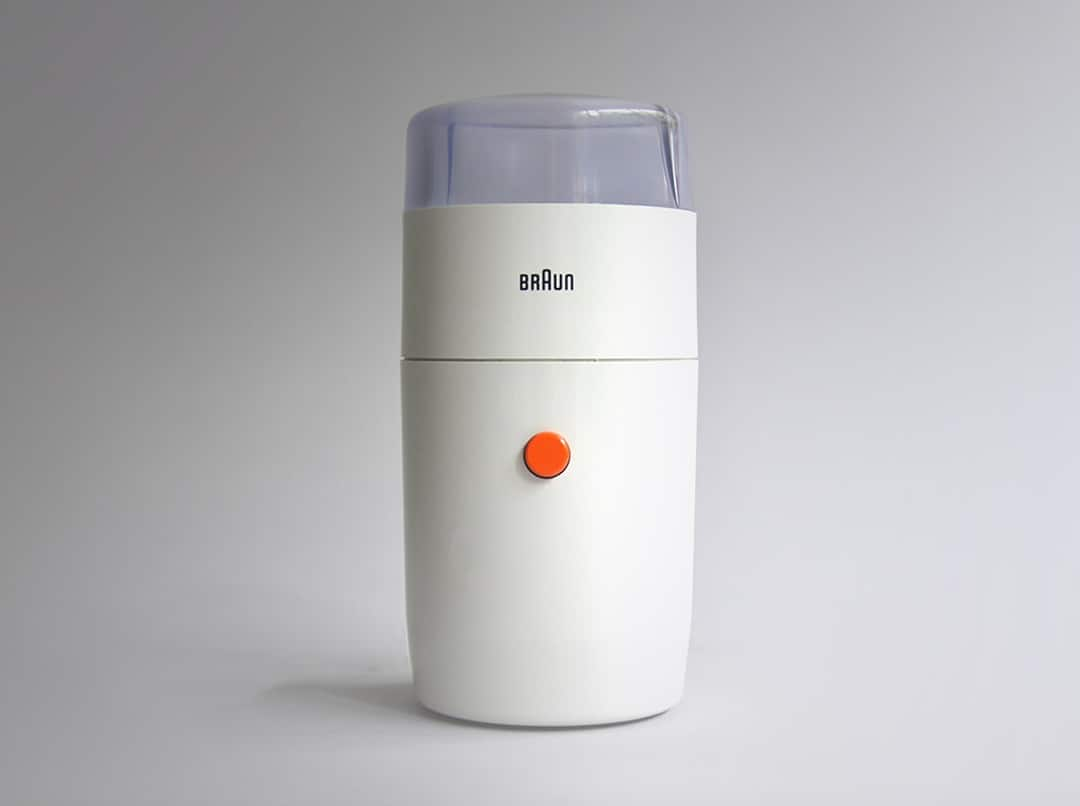
KSM 1/11
Design doesn’t get much more minimalistic than this: a coffee grinder so purpose-built it needed just one, centrally placed button to operate. Finely ground beans were just a finger click away.
1963 | Reinhold Weiss
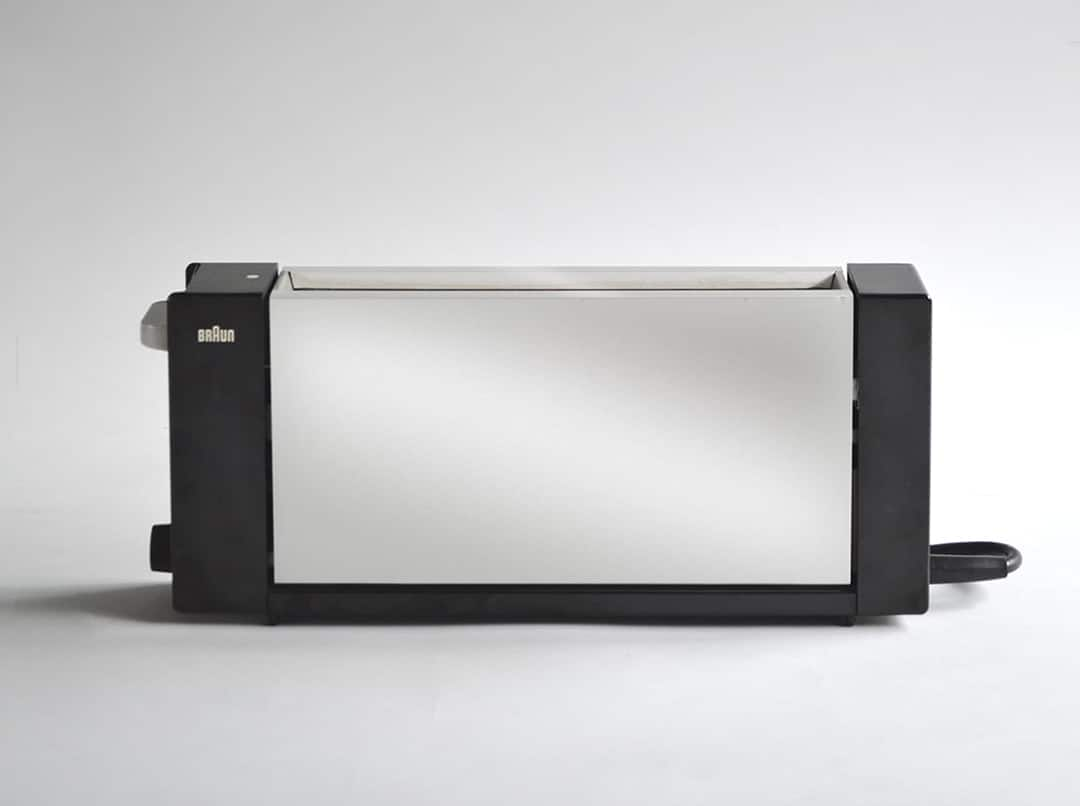
HT 2
This toaster’s sleek, reduced design so inspired renowned artist Richard Hamilton that he based one of his works (aptly titled ‘Toaster’) on it. Oh, and it also browned bread to perfection.
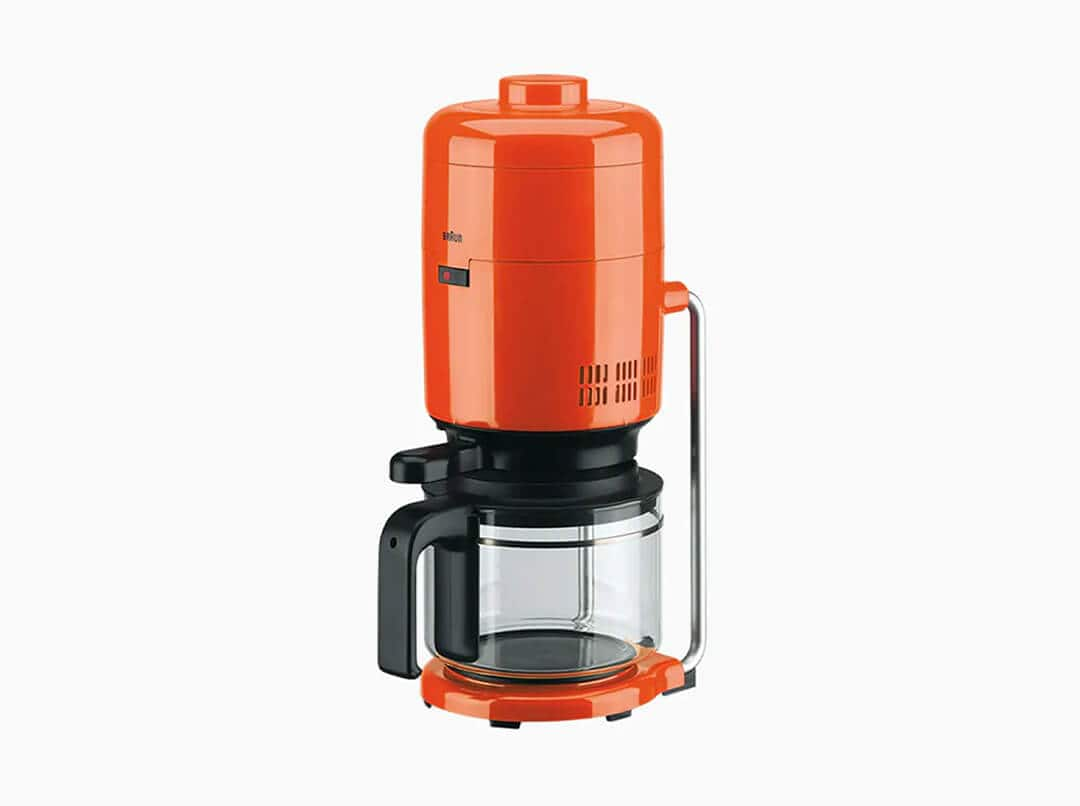
1972 | Florian Seiffert
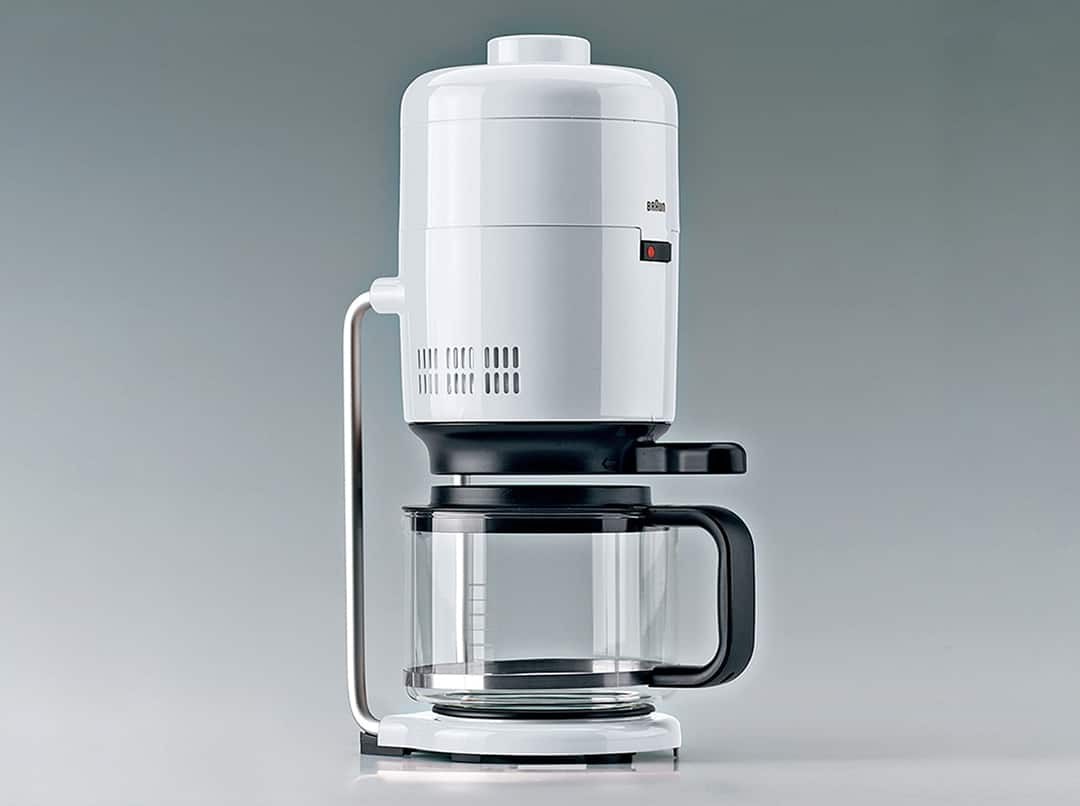
KF 20
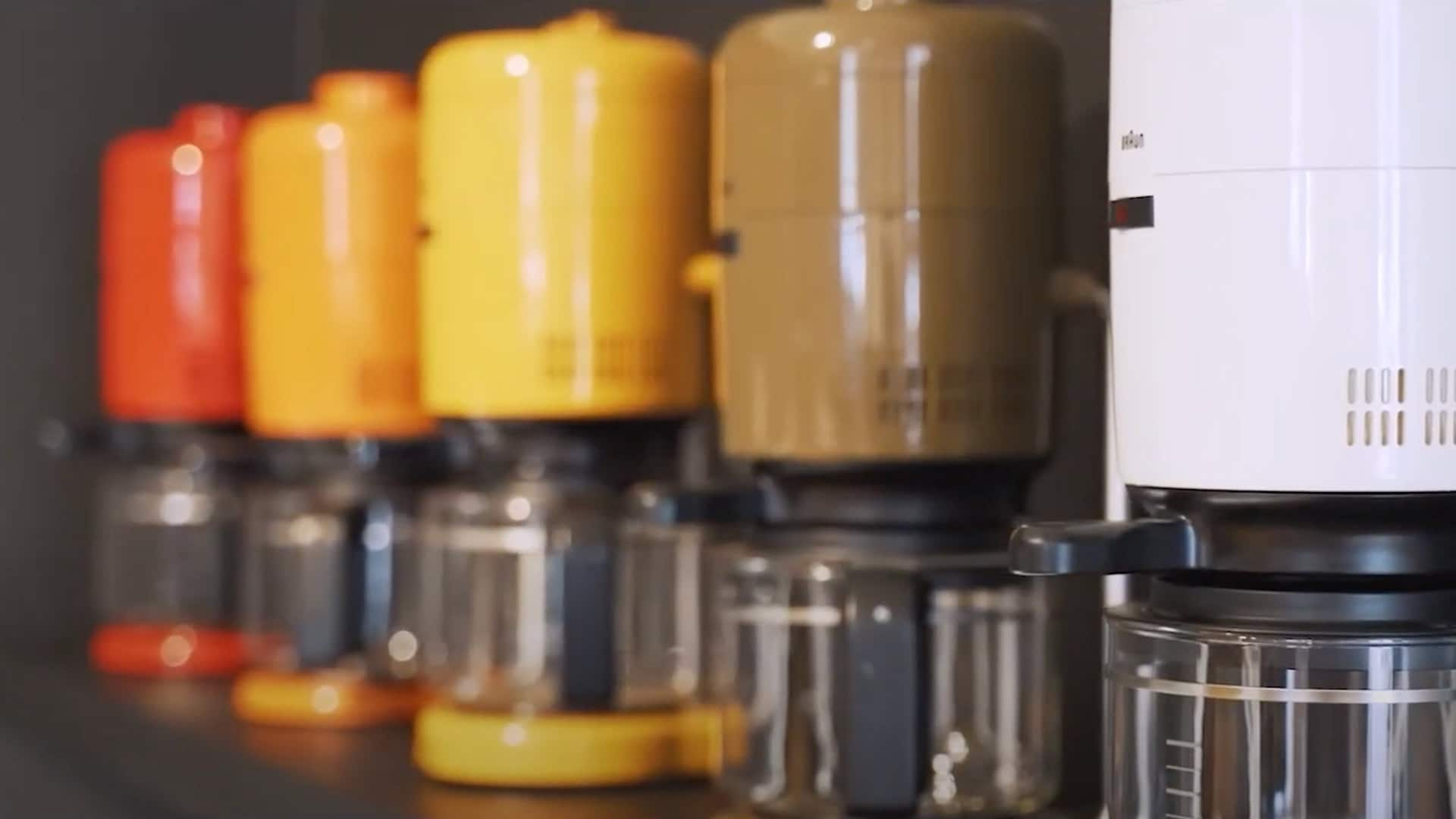
With a stacked, vertical design that resembled a water tower, the KF 20 was known as the Aromaster. Instantly recognizable for its unconventional shape, this coffee maker added a touch of the extraordinary to everyday morning filter coffee.
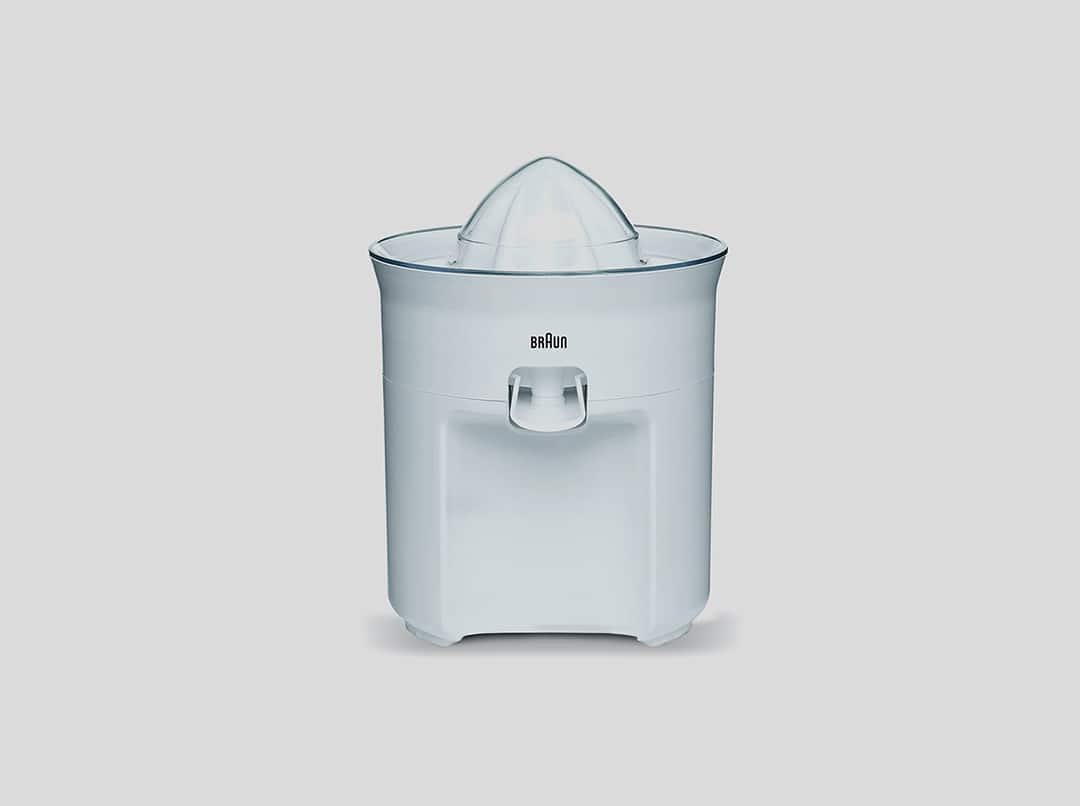
1972 | Jürgen Greubel, Dieter Rams
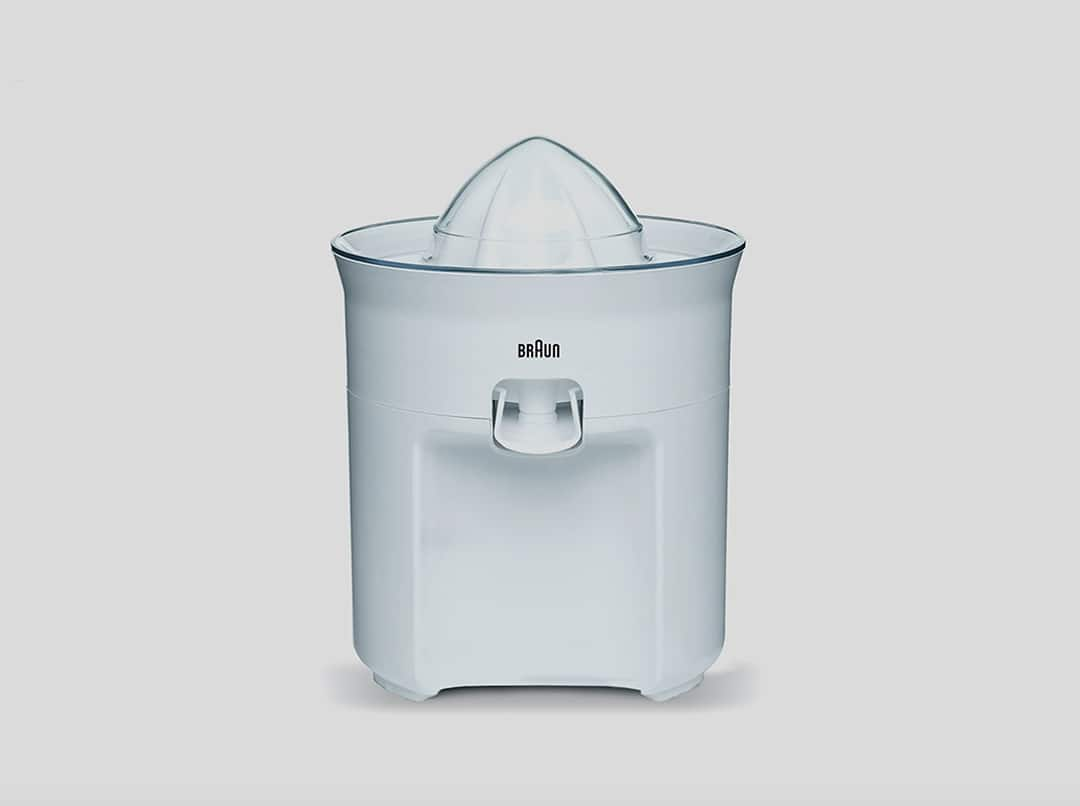
MPZ 22
This electric juicer, also known as the citromatic, was a dependable and incredibly easy-to-clean staple of kitchens across the world for decades. It took over two decades before Braun decided an update to the original design was due.
1981 | Ludwig Littmann
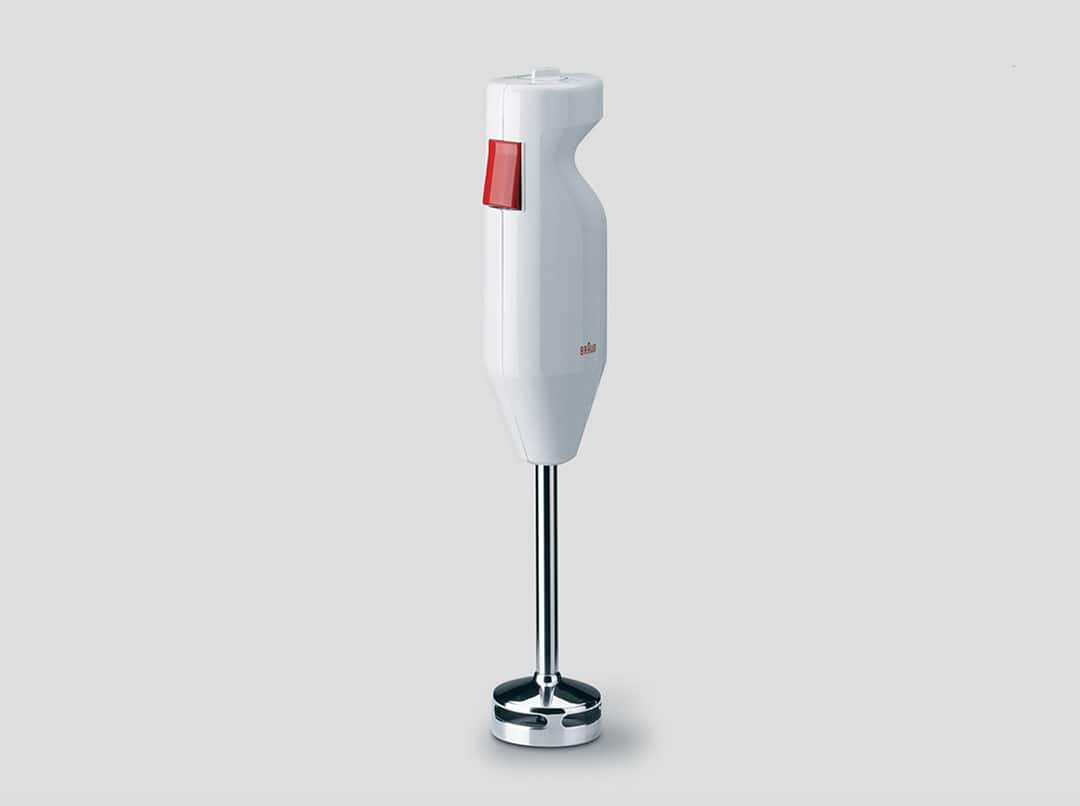
MR 6
A precursor of the more sophisticated MR 500, the MR 6 was sturdy and tough, meaning it could blend foods that other products couldn't handle. An important stepping stone on the way to perfecting the handheld blender.
1984 | Hartwig Kahlcke
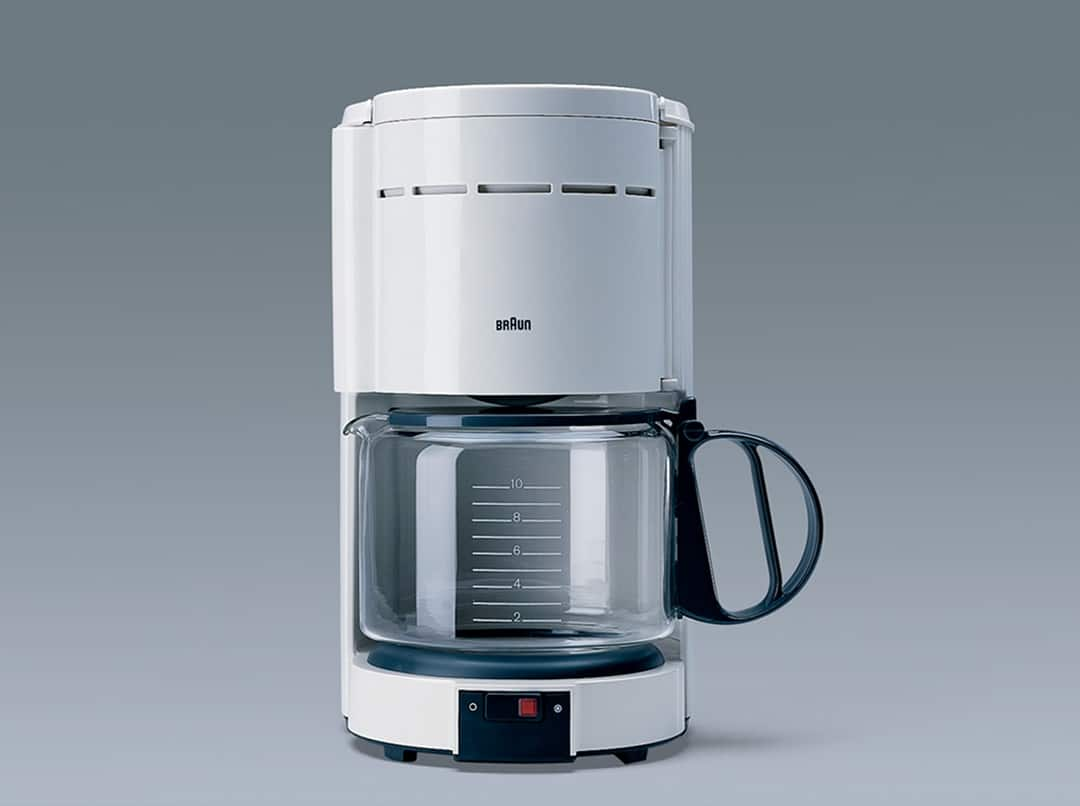
KF 40
Dit koffiezetapparaat was nogal controversieel binnen Braun, omdat het van kostenefficiënt polypropyleen in plaats van het stevigere polycarbonaat was. Het golvende oppervlak van de KF 40 was een ontwerpoplossing was die Dieter Rams heeft overtuigd.
2016 | Markus Orthey, Ludwig Littmann
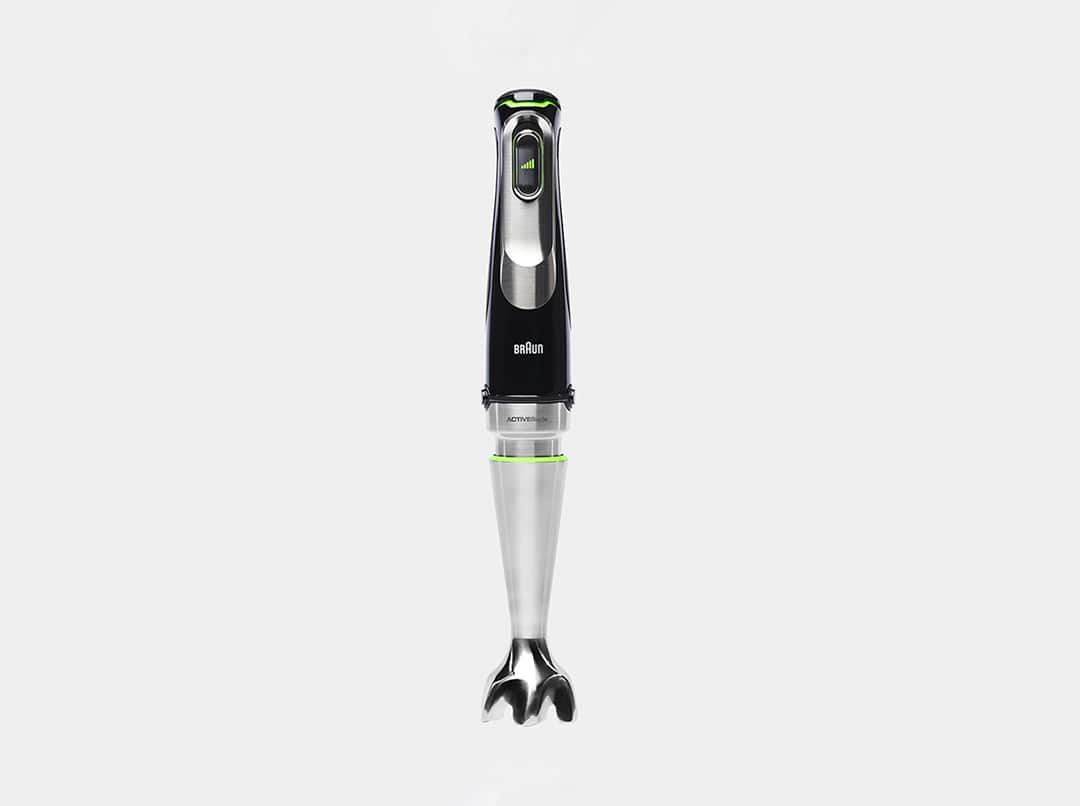
MultiQuick 9
An all-round food blender that condensed the functionalities of devices many times its size into a simple, handheld 'wand'. The definition of reduced design: compact, yet powerful.
België
Klik hier om naar de wereldwijde website te gaan.