Country preference? Choose the preferred country to view local content and get a better experience.
Airfryers
Ontdek ultiem gemak.
Nog maar 6 dagen te gaan.
Verlengde Black Friday: tot 30% korting
Eet goed, leef goed
Gezond eten, simpel gemaakt.
Van de dagelijkse dingen. Naar een betere toekomst.
Simples.
Design que facilita o seu estilo de vida. Com um simples toque - clique - consegue obter tudo o que deseja. Nada mais para além do necessário. O que significa que pode continuar com o seu dia a dia.
Útil.
Tudo tem um propósito. Um problema para resolver. Até aos mais pequenos detalhes. Porque o bom design é aquele que não deixa nada ao acaso, é minucioso e tem um objetivo. Não há design apenas pela estética.
Desenvolvido para durar.
Quando algo é bem projetado. Não precisa de nada novo, nunca se torna obsoleto - não domina nem fica ultrapassado. Dura muito tempo. Melhor para o ambiente, mais sustentável para a humanidade.
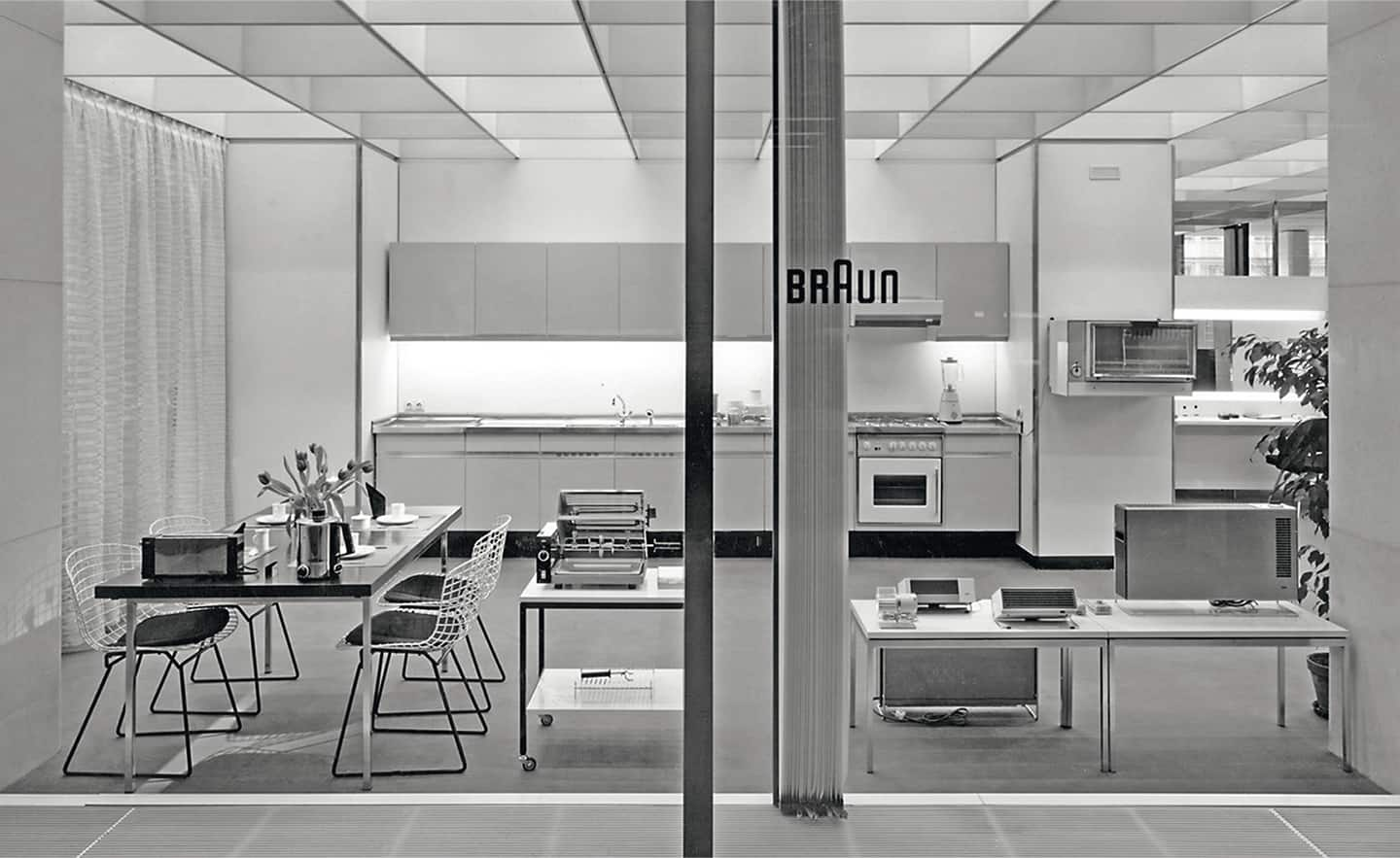
Dieter Rams, o arquiteto que projetou os escritórios Braun, foi um dos principais designers a contribuir para a criação da linguagem estética memorável da Braun e definiu os 10 princípios do bom design, um manual que ainda hoje é extremamente relevante.
1 O bom design é inovador.
As possibilidades de inovação são, praticamente, inesgotáveis. O desenvolvimento tecnológico permite novas oportunidades de inovação constantes.
2 O bom design torna o produto útil.
Um produto é comprado para ser utilizado. Deve satisfazer certos critérios, não só funcionais, mas também psicológicos e estéticos. O bom design enfatiza a utilidade do produto e desvaloriza tudo o que possa afastá-lo da simplicidade de utilização.
3 Een goed ontwerp is esthetisch.
De esthetische kwaliteit van een product is dat het nuttig moet zijn, omdat de producten die we elke dag gebruiken ons welzijn beïnvloeden. Enkel goed uitgevoerde objecten kunnen mooi zijn.
4 Een goed ontwerp maakt een product begrijpelijk.
Het legt de nadruk op de structuur van het product. Bovenal laat het het product voor zichzelf spreken. Het product moet vooral voor zichzelf spreken.
5 Een goed ontwerp is onopvallend.
Producten die een doel vervullen zijn hulpmiddelen. Het zijn geen decoratieve objecten of kunstwerken. Het ontwerp moet daarom zowel neutraal als beperkt zijn, om ruimte te laten voor de zelfexpressie van de gebruiker.
6 Een goed ontwerp is eerlijk.
Het maakt een product niet innovatiever, krachtiger of waardevoller dan het werkelijk is. Het probeert de consument niet te manipuleren met beloften die niet kunnen worden waargemaakt.
7 Een goed ontwerp gaat lang mee.
Het vermijdt trendy te zijn en is daarom tijdloos. In tegenstelling tot een trendy ontwerp, gaat het vele jaren mee, zelfs in de hedendaagse wegwerpsamenleving.
8 Een goed ontwerp is grondig tot in de kleinste details.
Niets mag willekeurig zijn of aan het toeval worden overgelaten. Zorg en nauwkeurigheid in het ontwerpproces tonen respect voor de consument.
9 Een goed ontwerp is milieuvriendelijk.
Ontwerp levert een belangrijke bijdrage aan het behoud van het milieu. Het bespaart middelen en minimaliseert fysieke en visuele vervuiling gedurende de levenscyclus van het product.
10 Good design is as little design as possible.
Less, but better - because it concentrates on the essential aspects, and the products are not burdened with nonessentials. Back to purity, back to simplicity.
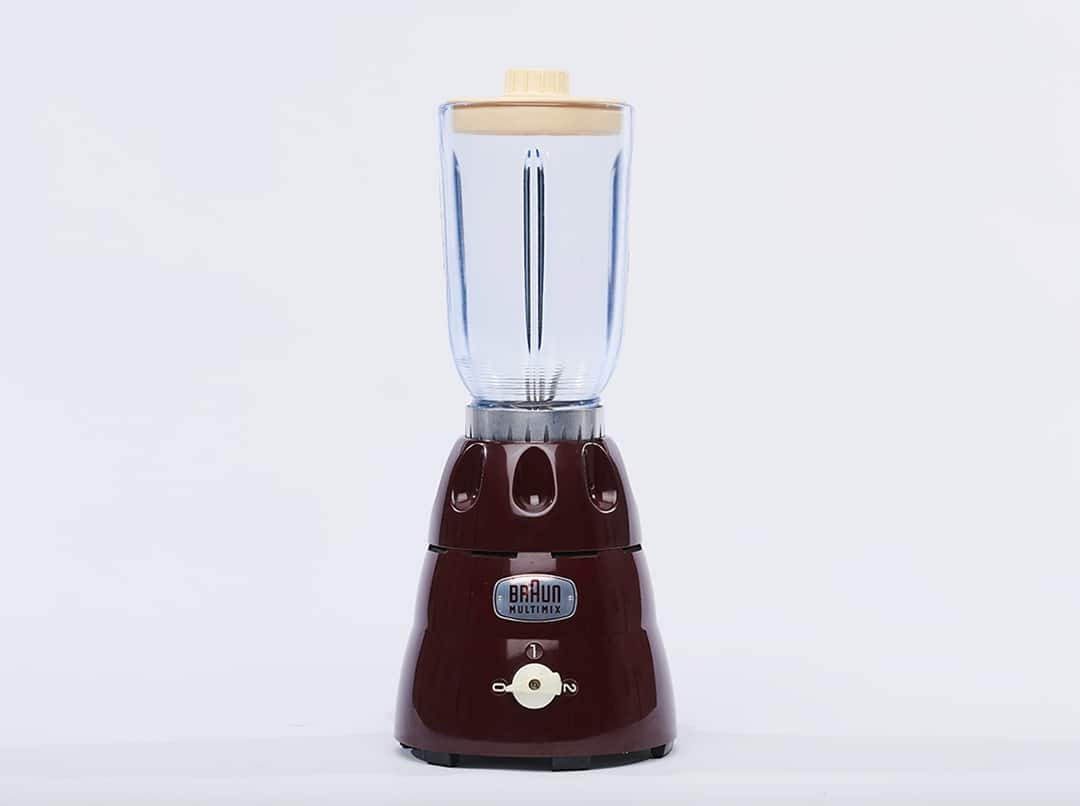
1953 | Braun Factory
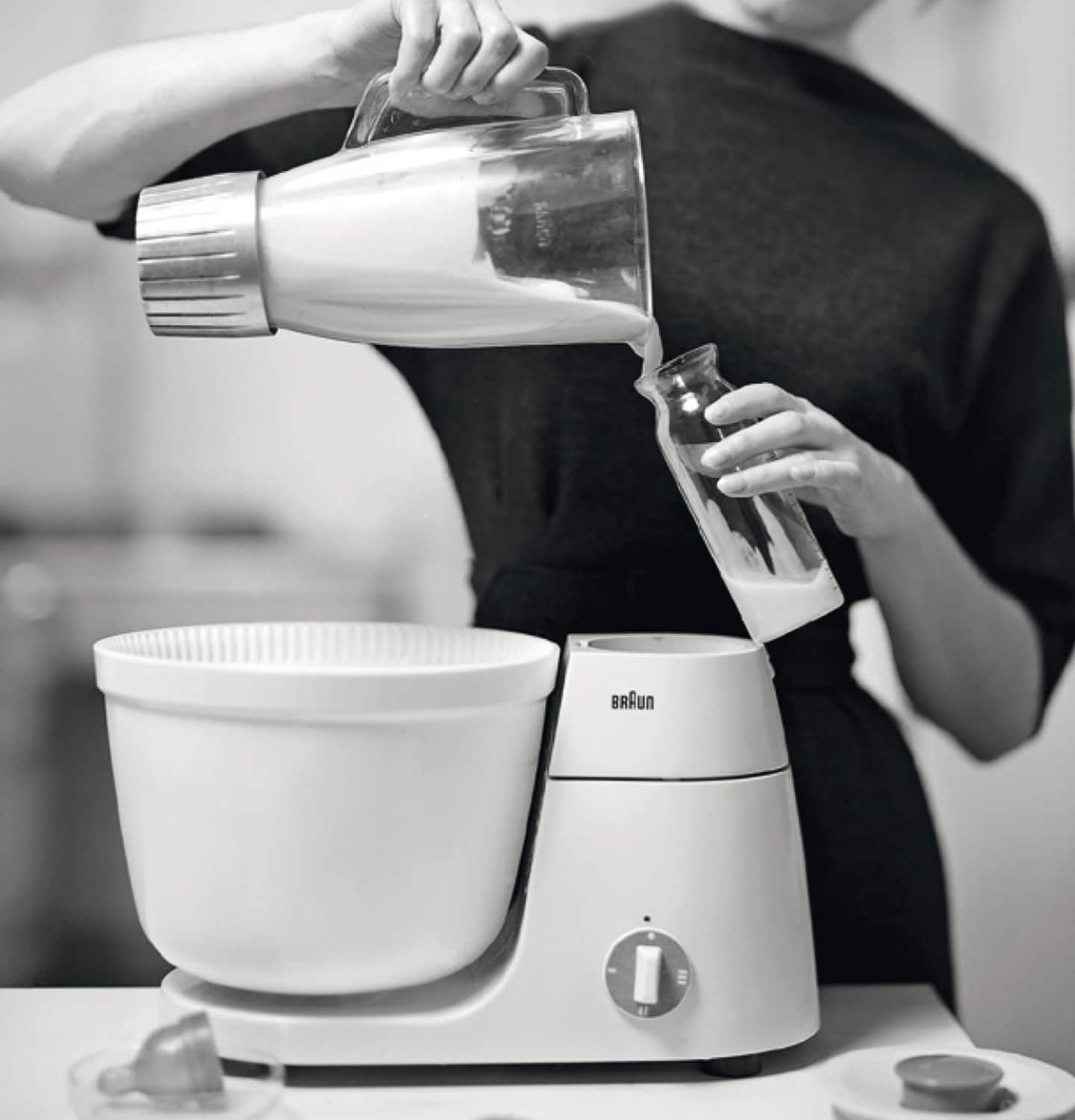
Braun Multimix Blender
The 50's established the milkshake as a western staple, enabled in part by the Multimix, the state-of-the-art blender with a detachable mixing glass container. It cuts ingredients with industrial-grade efficacy. Still widely in use today.
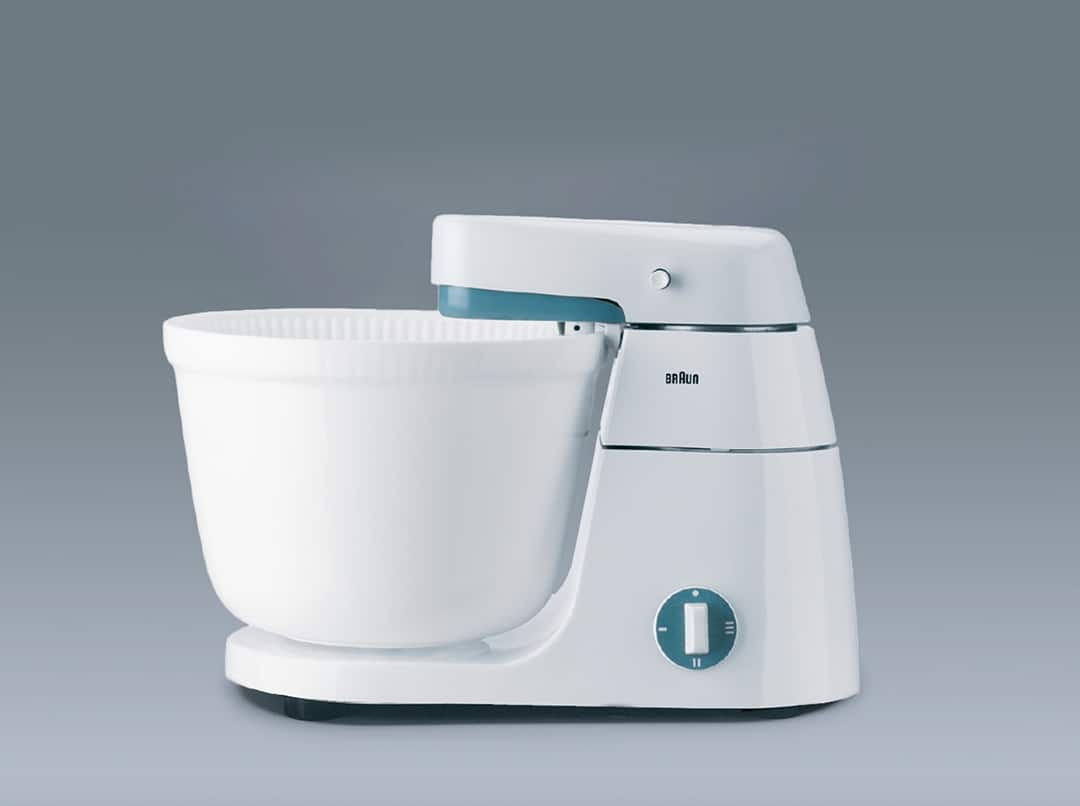
1957 | Gerd Alfred Müller
KM3/31
A hugely influential blender or “food processor” as it was known that birthed a whole new product category: “kitchen machines” or appliances. With its hyper-reduced, simple and useful design one of the most influential industrial products of all time.
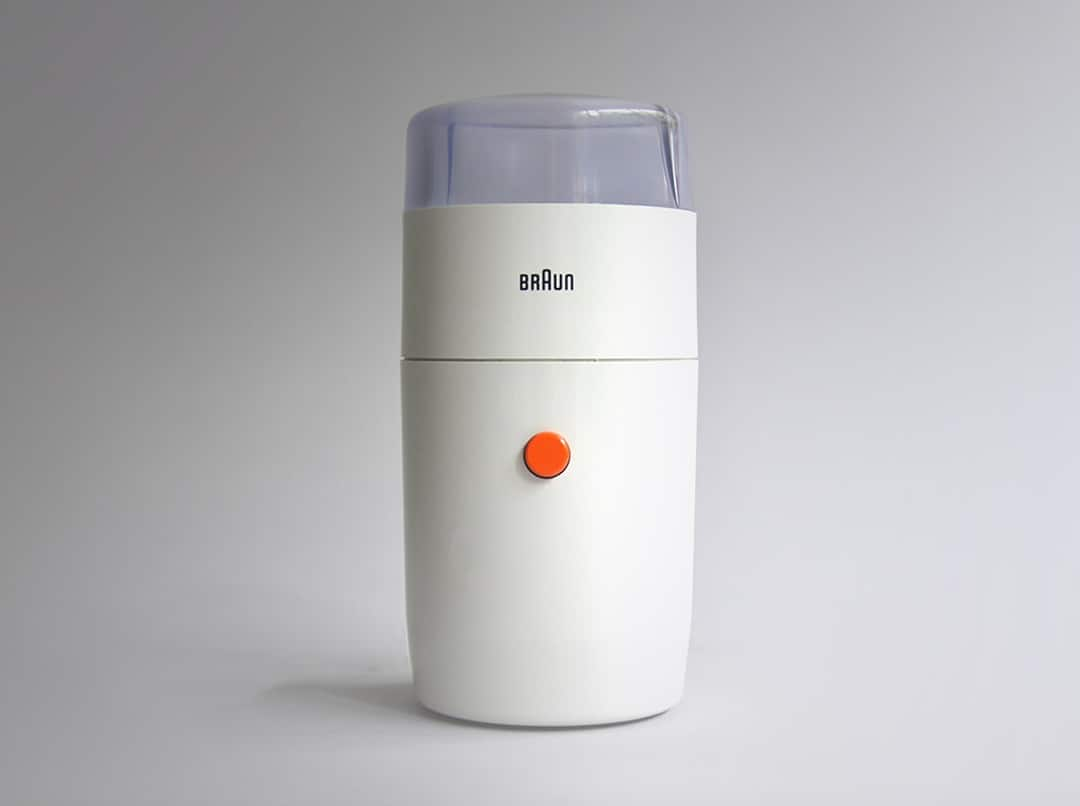
1963 | Reinhold Weiss
KSM 1/11
Design doesn’t get much more minimalistic than this: a coffee grinder so purpose-built it needed just one, centrallyplaced button to operate. Finely ground beans were just a finger click away.
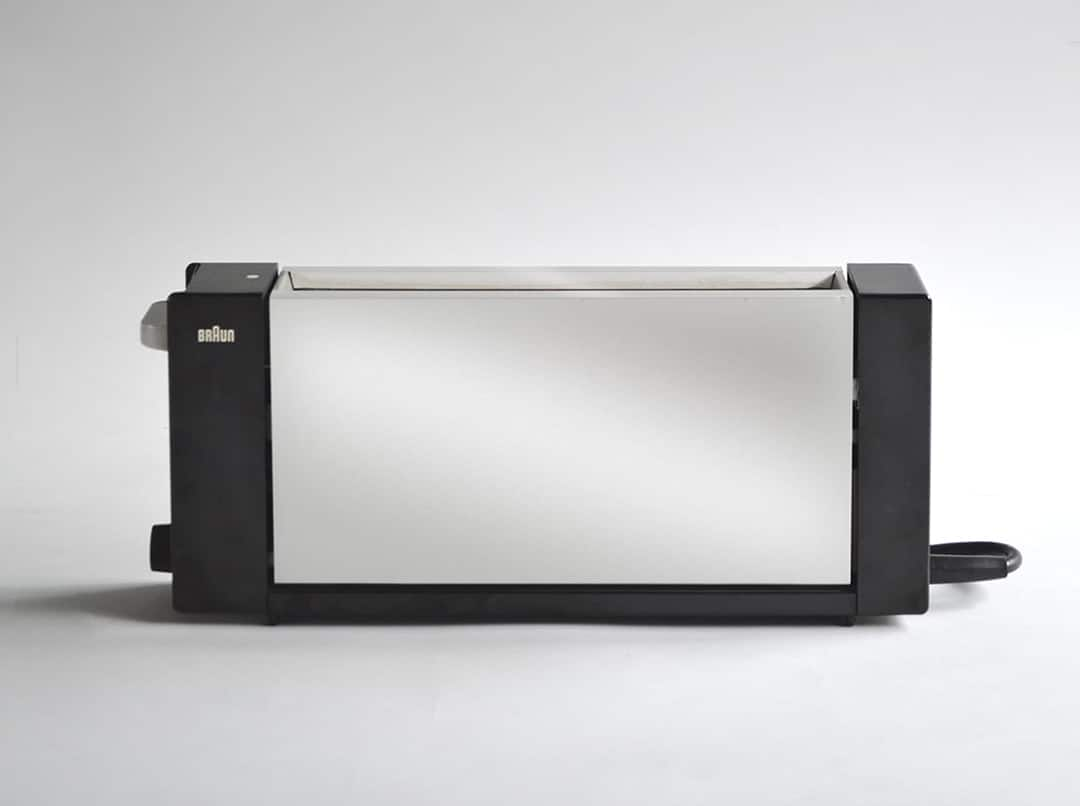
1963 | Reinhold Weiss
HT 2
This toaster’s sleek, reduced design so inspired renowned artist Richard Hamilton that he based one of his works (aptly titled ‘Toaster’) on it. Oh, and it also browned bread to perfection.
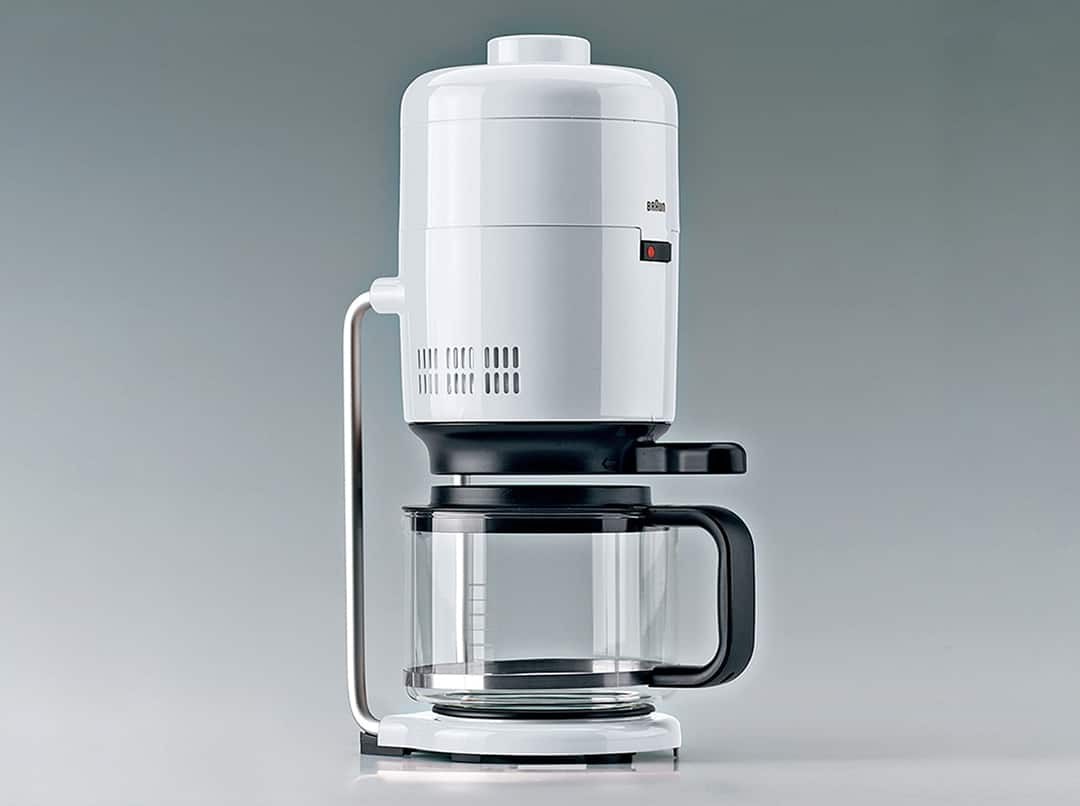
1972 | Florian Seiffert
KF 20
With a stacked, vertical design that resembled a water tower, the KF 20 was known as the Aromaster. Instantlyrecognizable for its unciventional shape, this coffee maker added a touch of the exrtaordinary to everyday morning filter coffee.
1972 | Jürgen Greubel, Dieter Rams
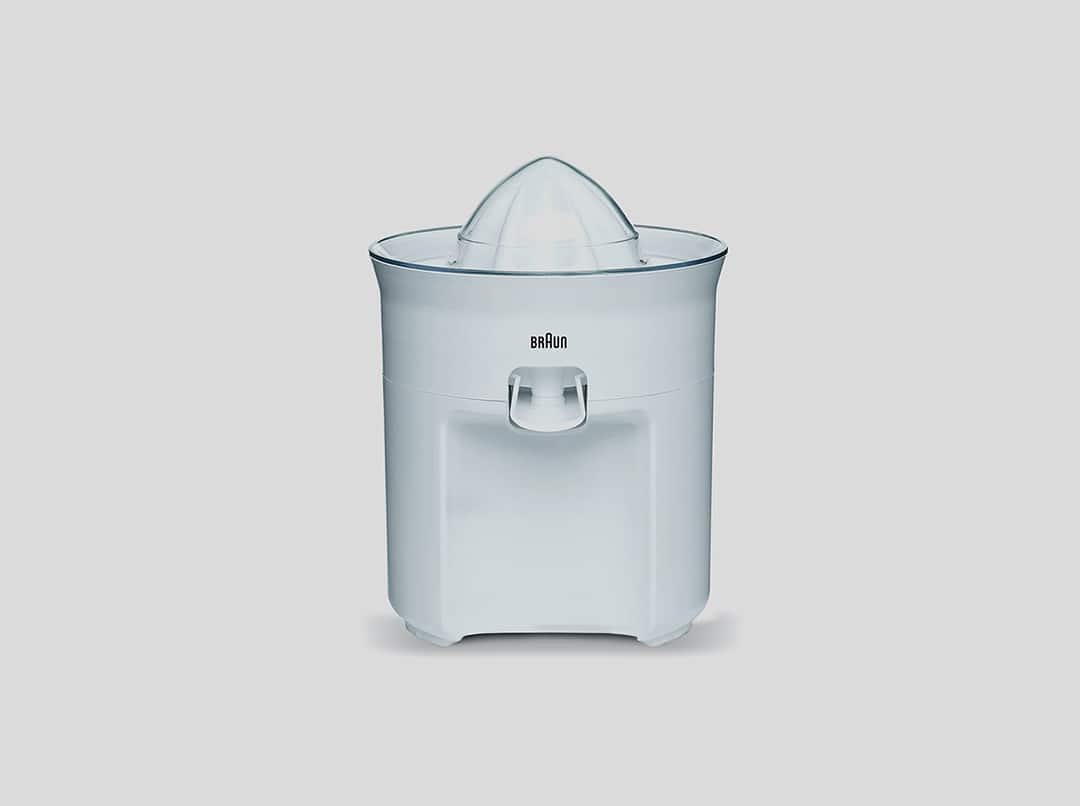
MPZ 22
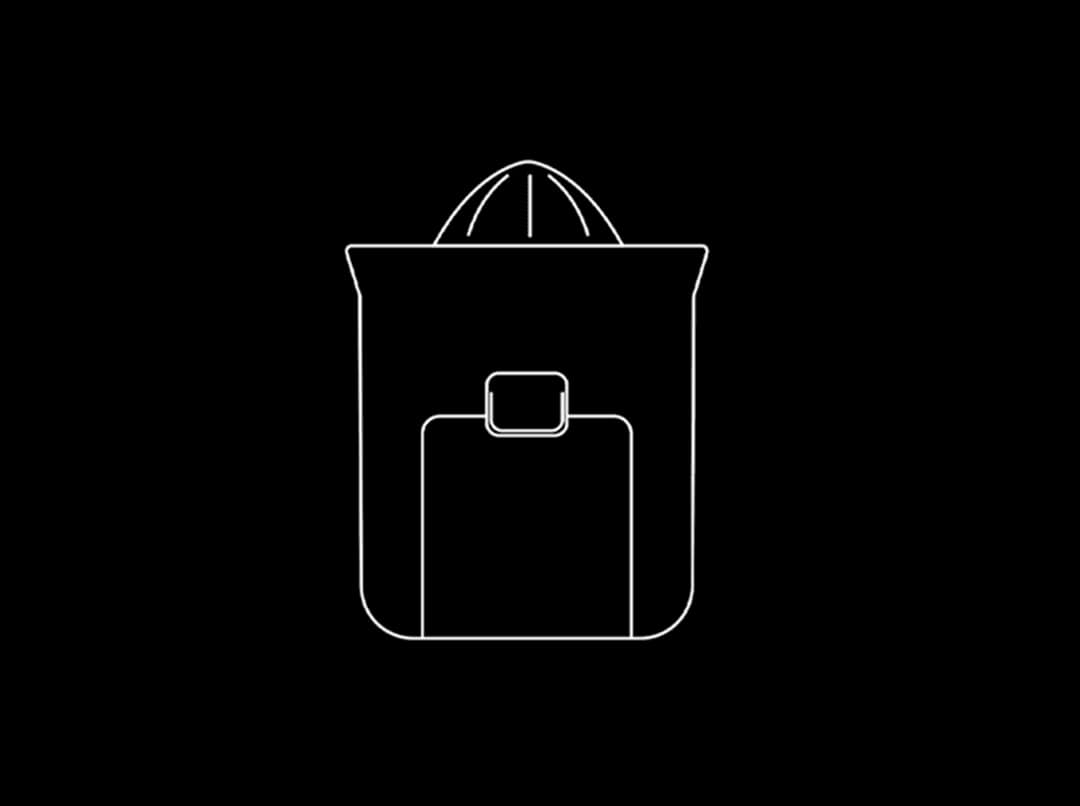
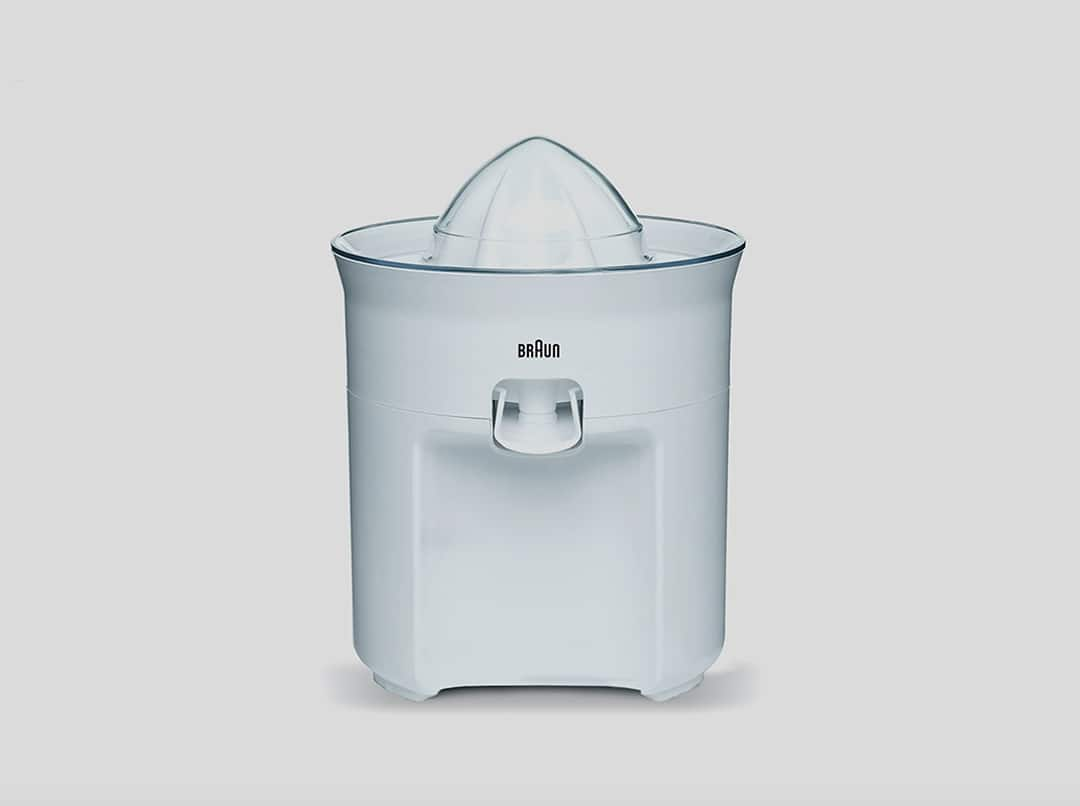
This electric juicer, also known as the citromatic, was a dependable and incredibly easy-to-clean staple of kitchens across the world for decades. It took over two decades before Braun decided an update to the original design was due.
1981 | Ludwig Littmann
MR 6
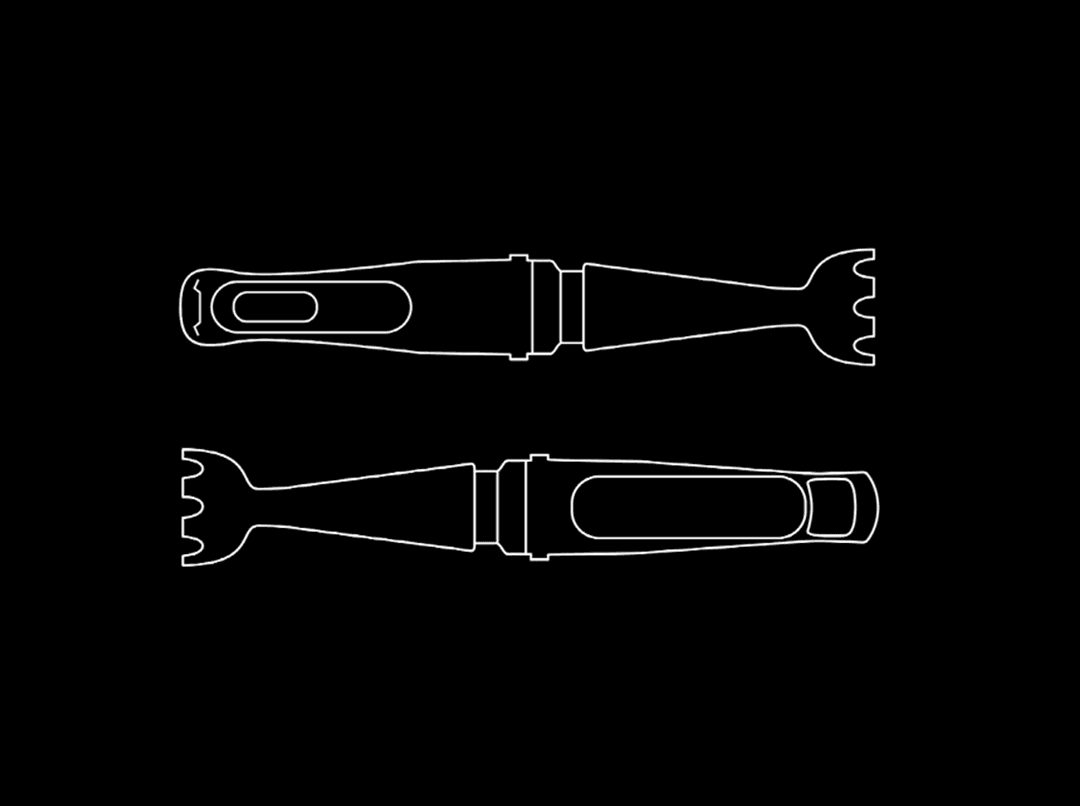
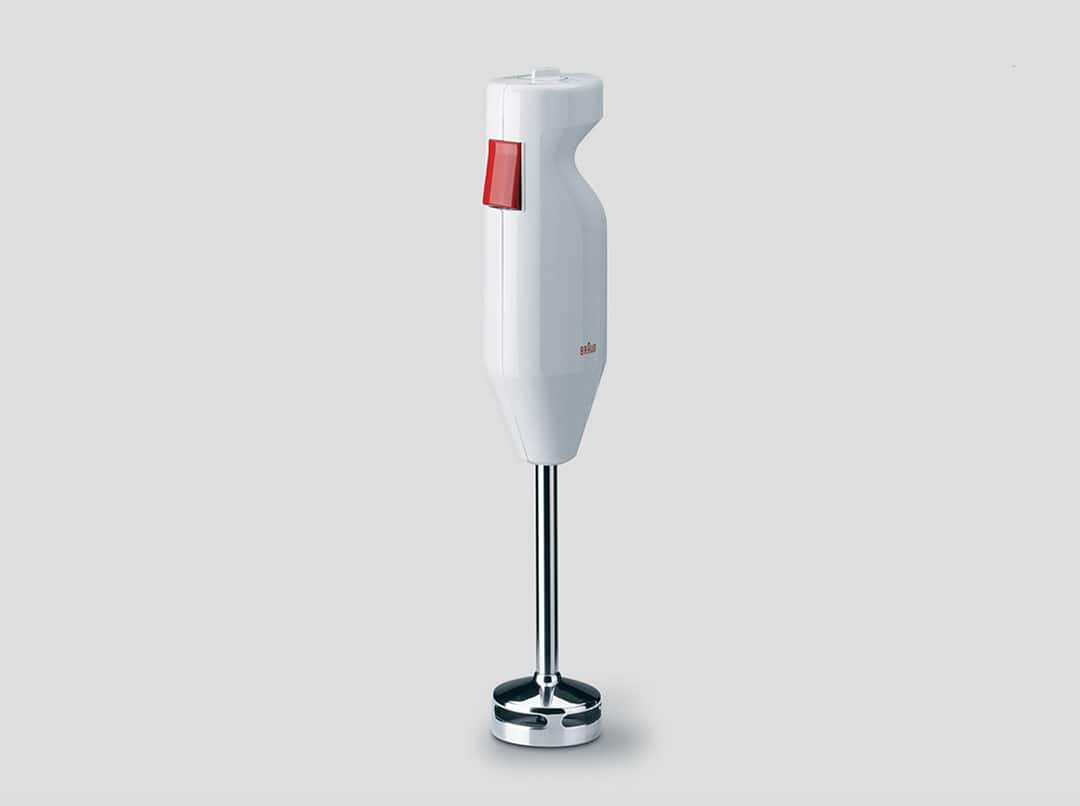
A precursor of the more sophisticated MR 500, the MR 6 was sturdy and tough, meaning it could blend foods that´other products couldn't handle. An important stepping stone on the way to perfecting the handheld blender.
1984 | Hartwig Kahlcke
KF 40
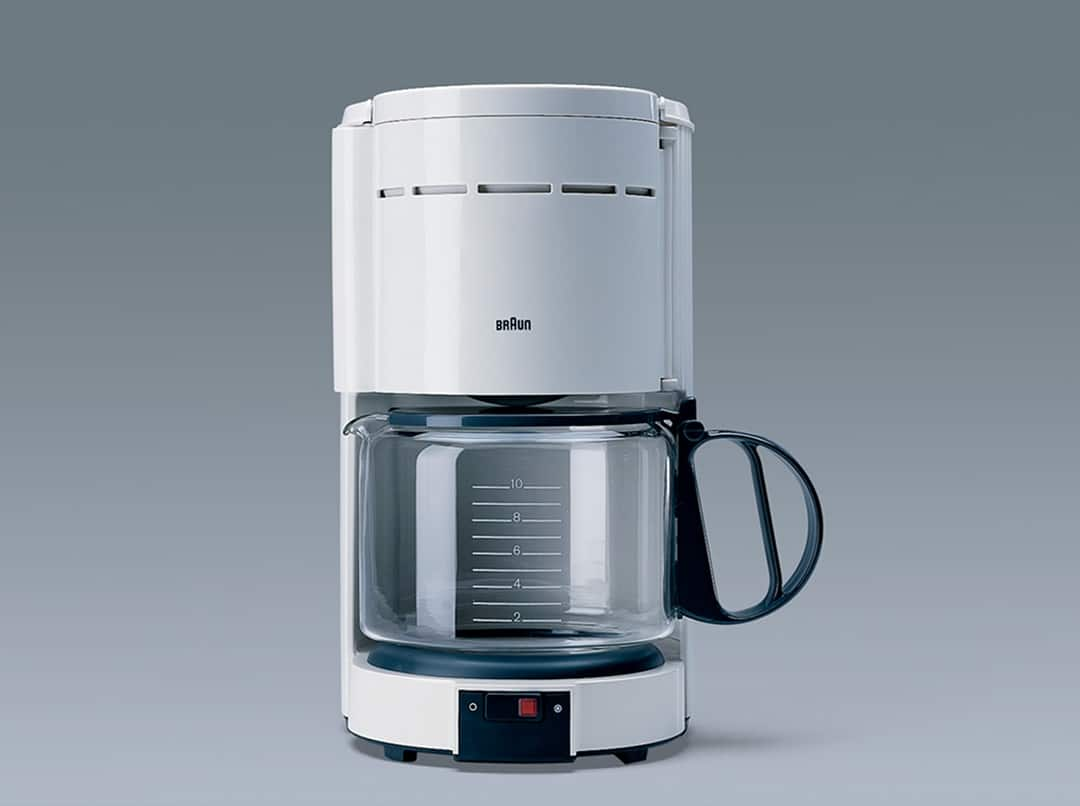
This coffeemaker was somehow controversial within Braun, being made of cost-efficient polypropylene rather than sturdier polycarbonate, Braun's go-to plastic. Hence the KF 40's corrugated surface states a design solution that won over Dieter Rams.
2016 | Markus Orthey, Ludwig Littmann
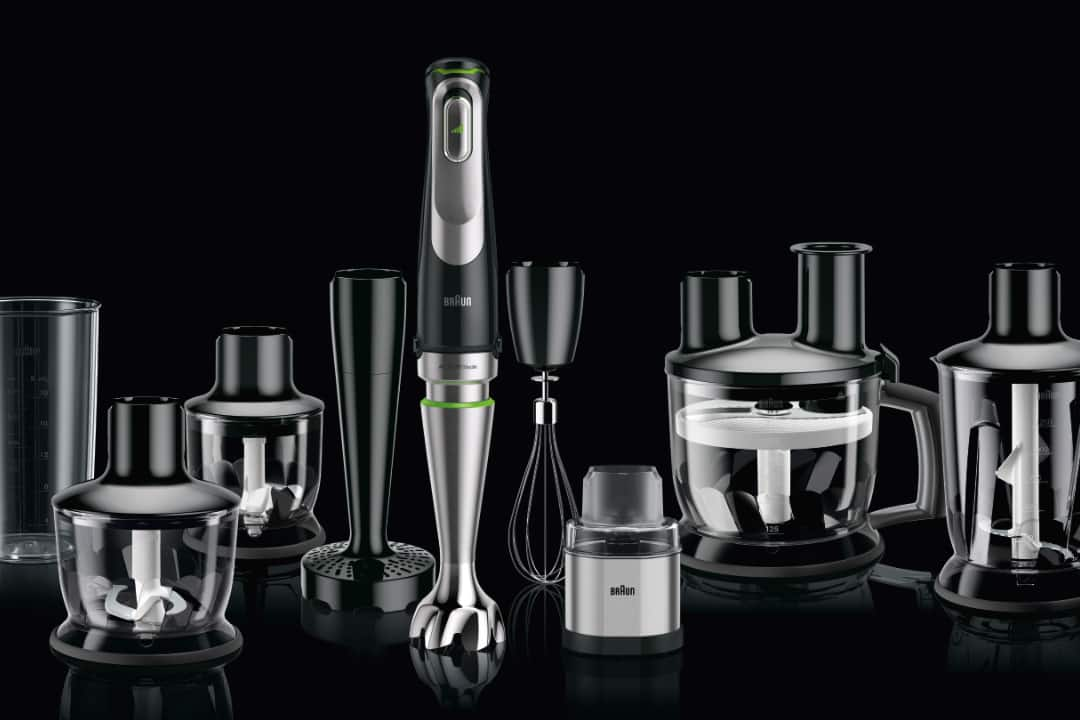
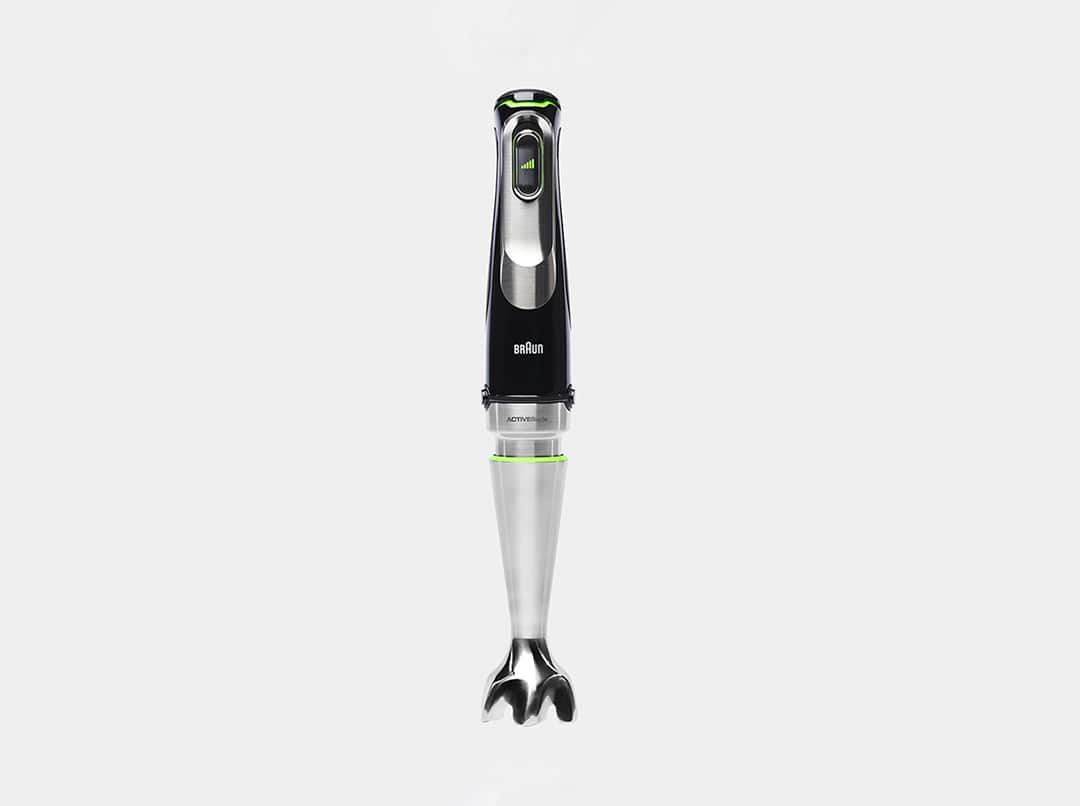
MultiQuick 9
Un mixeur plongeant polyvalent qui réunit les fonctionnalités des plus grands appareils de cuisine en un simple petit appareil. Le parti pris d’un design minimaliste : compact et puissant.
Nederland
Klik hier om naar de wereldwijde website te gaan.