Păstrarea hainelor în stare impecabilă nu numai că ne ajută să ne simțim încrezători, dar prelungește și durata de viață a acestora. Cu toate acestea, având în vedere varietatea de țesături disponibile, poate fi copleșitor să știm cum să le îngrijim corect pe fiecare. Hainele pe care le purtăm în fiecare zi, de la cămăși din bumbac la blugi din denim, au nevoie de o îngrijire specială pentru a arăta cât mai bine. Te simți copleșit? Nu îți face griji - avem sfaturi speciale pentru tine! Adoptând practici sustenabile de îngrijire a hainelor, nu numai că putem contribui la un stil de viață mai responsabil, dar și să profităm la maximum de investițiile noastre.
Materiale diferite, nevoi diferite
Înțelegerea particularităților diferitelor țesături este esențială atunci când vine vorba de îngrijirea corectă a hainelor noastre. Iată cele mai frecvente tipuri:
Țesături delicate
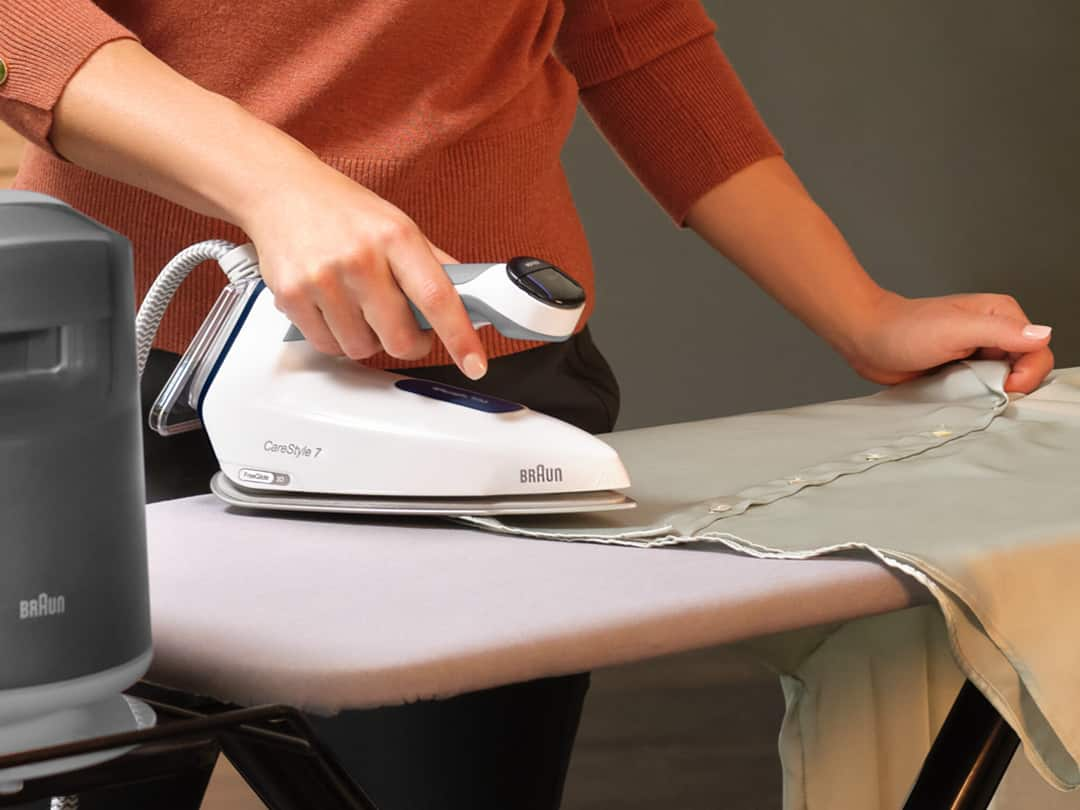
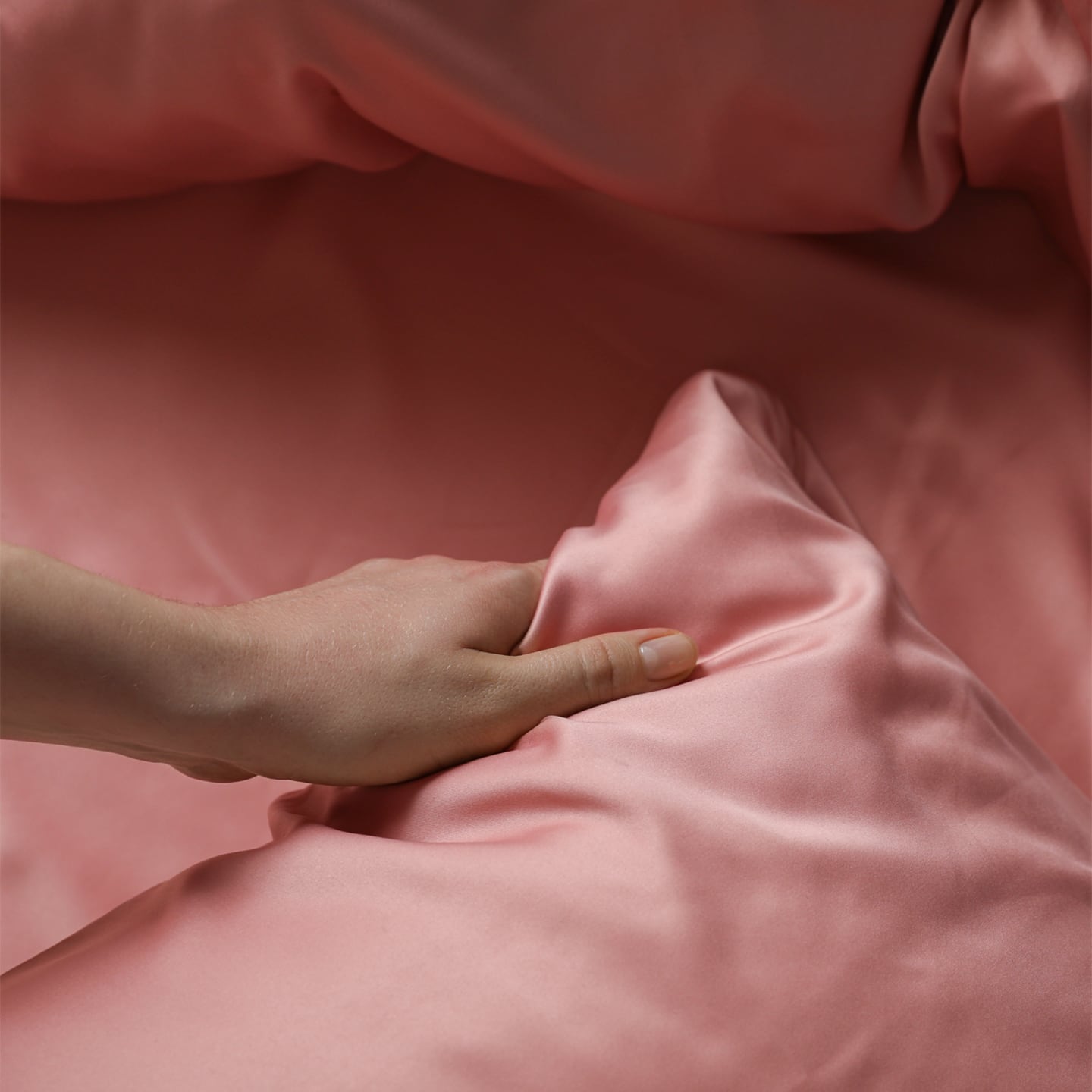
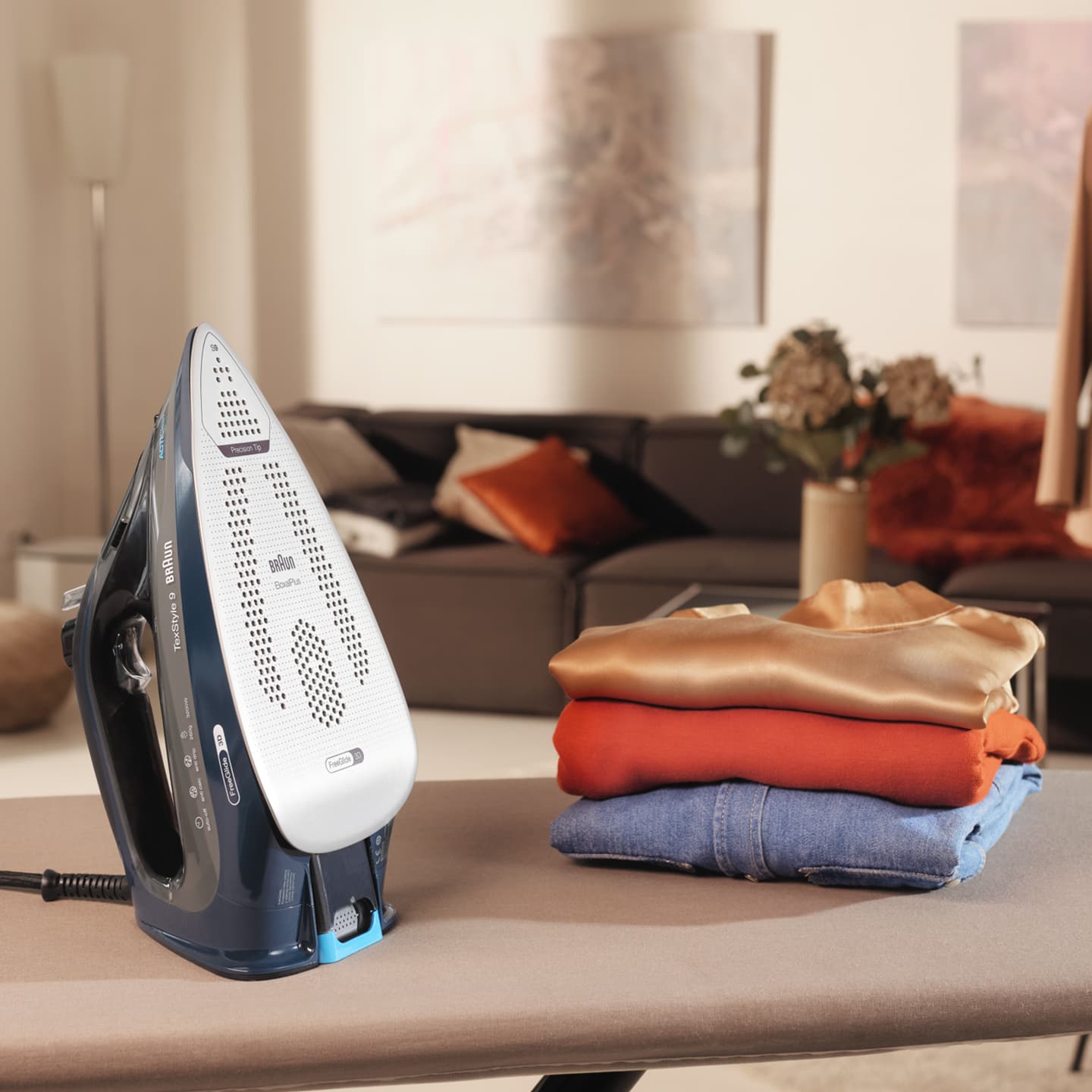
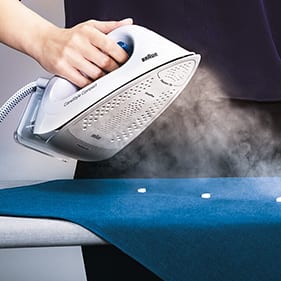
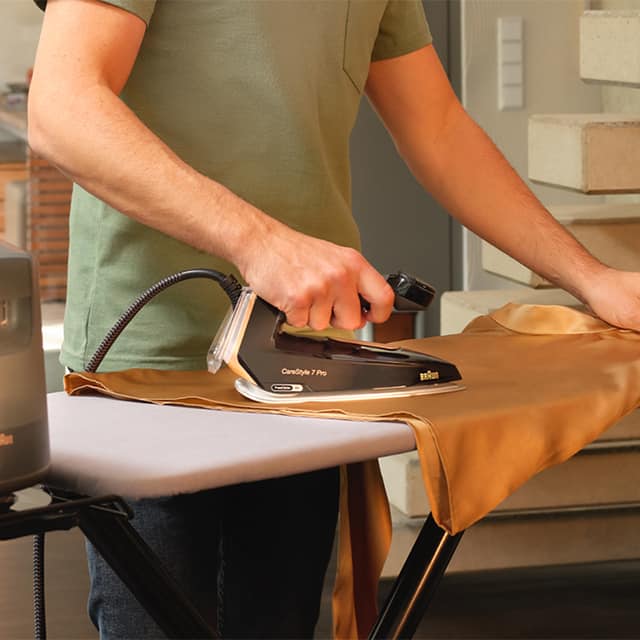
Țesăturile delicate precum mătasea, catifeaua și dantela necesită un mod de îngrijire mai blând. Utilizează apă rece, detergenți delicați și evită stoarcerea excesivă. Fiarele noastre de călcat Braun cu iCare și Eco Mode te ajută să alegi întotdeauna temperatura potrivită pentru fiecare țesătură.
Țesături naturale
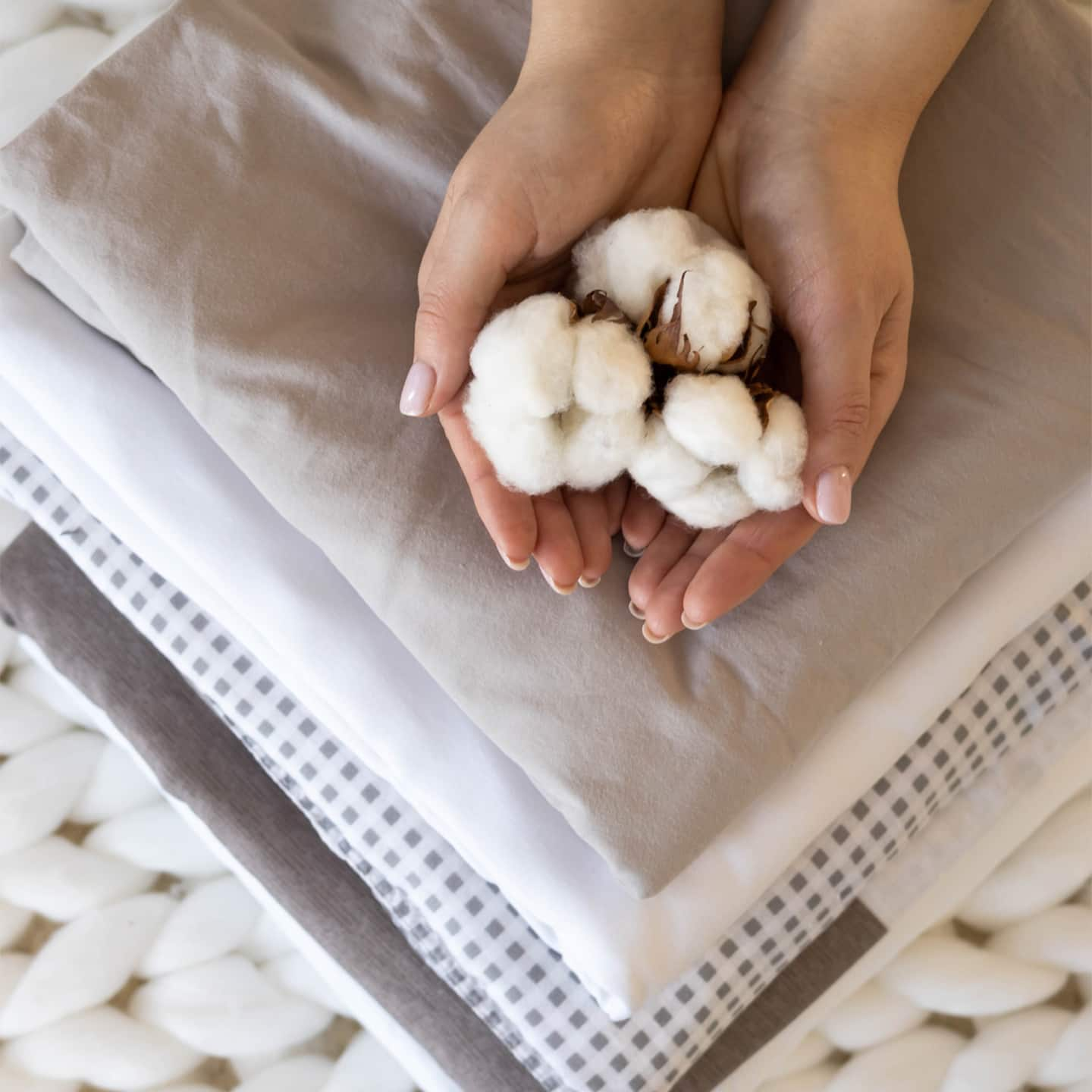
Țesăturile precum bumbacul, inul și lâna sunt naturale și biodegradabile. Pentru a le îngriji în mod durabil, optează pentru detergenți de rufe ecologici și alege cicluri de spălare cu temperaturi scăzute.
Țesături sintetice
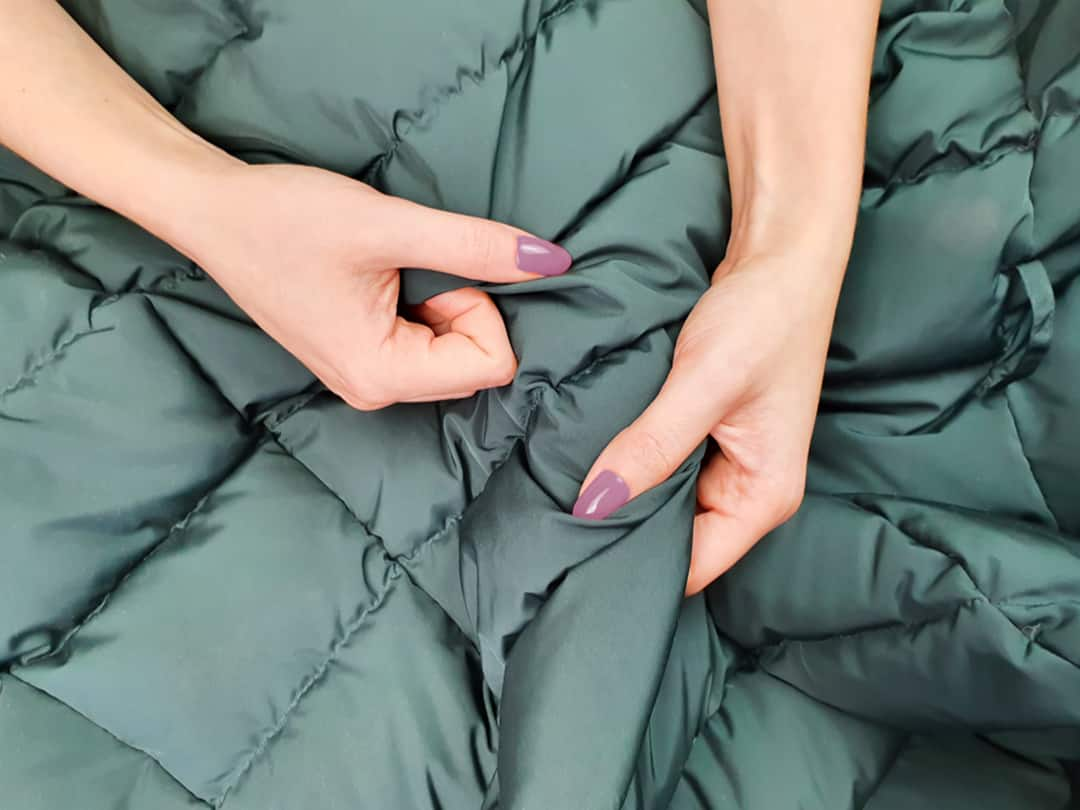
Poliesterul, nailonul și elastanul sunt exemple de țesături sintetice extrem de versatile. Cel mai important lucru de reținut când vine vorba de ele este să nu folosești prea multă căldură, deoarece se pot arde mai ușor în comparație cu textilele naturale.
Nu ești sigur? Verifică eticheta
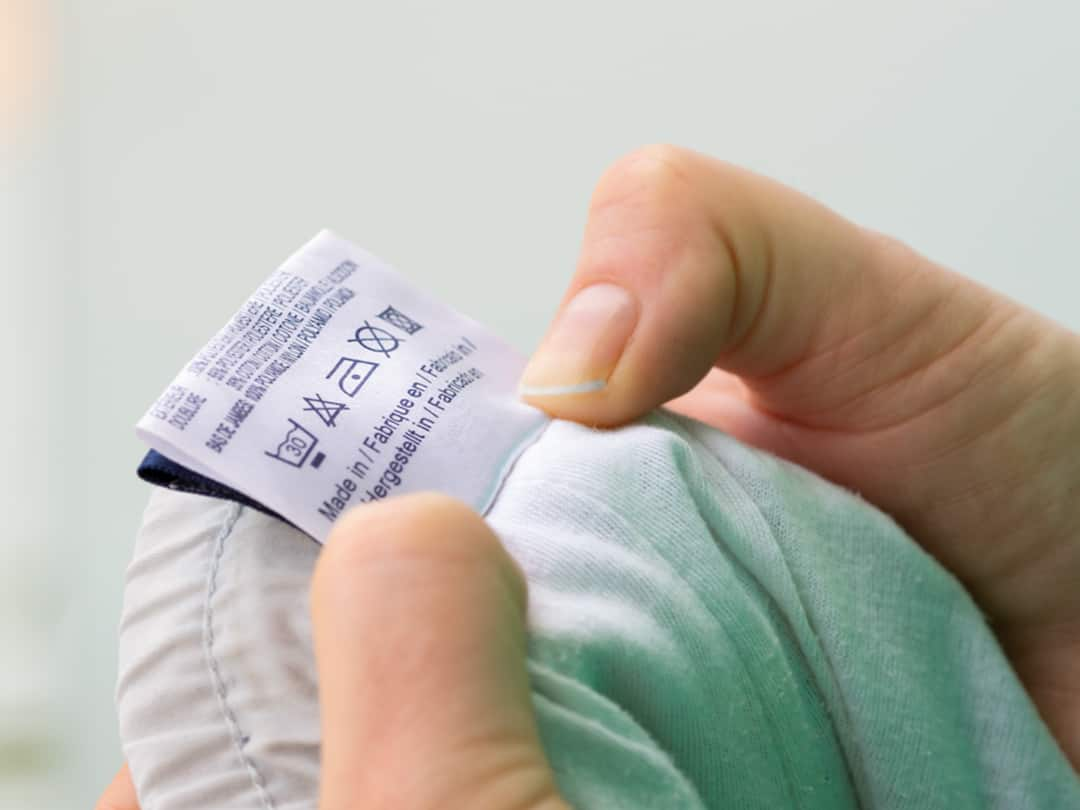
În primul și în primul rând, este important să știi cu ce te confrunți. Verifică eticheta pentru a vedea ce tip de țesătură este, în cazul în care nu ești sigur. Am explicat toate simbolurile de spălare și uscare aici.
Cum să speli și să calci diferite țesături
Bumbac
Probabil cel mai cunoscut material din fibre naturale din întreaga lume. Îngrijirea țesăturilor din bumbac implică urmatoarele: la spălare, folosește temperaturi mai scăzute pentru a preveni micșorarea și a economisi energie; separă culorile pentru a nu se păta; la călcat, folosește o temperatură medie pentru a evita arderea țesăturii; pentru eliminarea cutelor dificile, aburul nostru turbo este soluția.
Silk
Caring for silk fabrics requires a delicate touch, just like the fabric itself. The safest way to clean silk is to hand wash it in cold water. To remove excess water, gently roll the garment in a clean towel rather than wringing or twisting. When ironing silk, opt for our smart iCare or eco mode to ensure the perfect temperature.
Linen
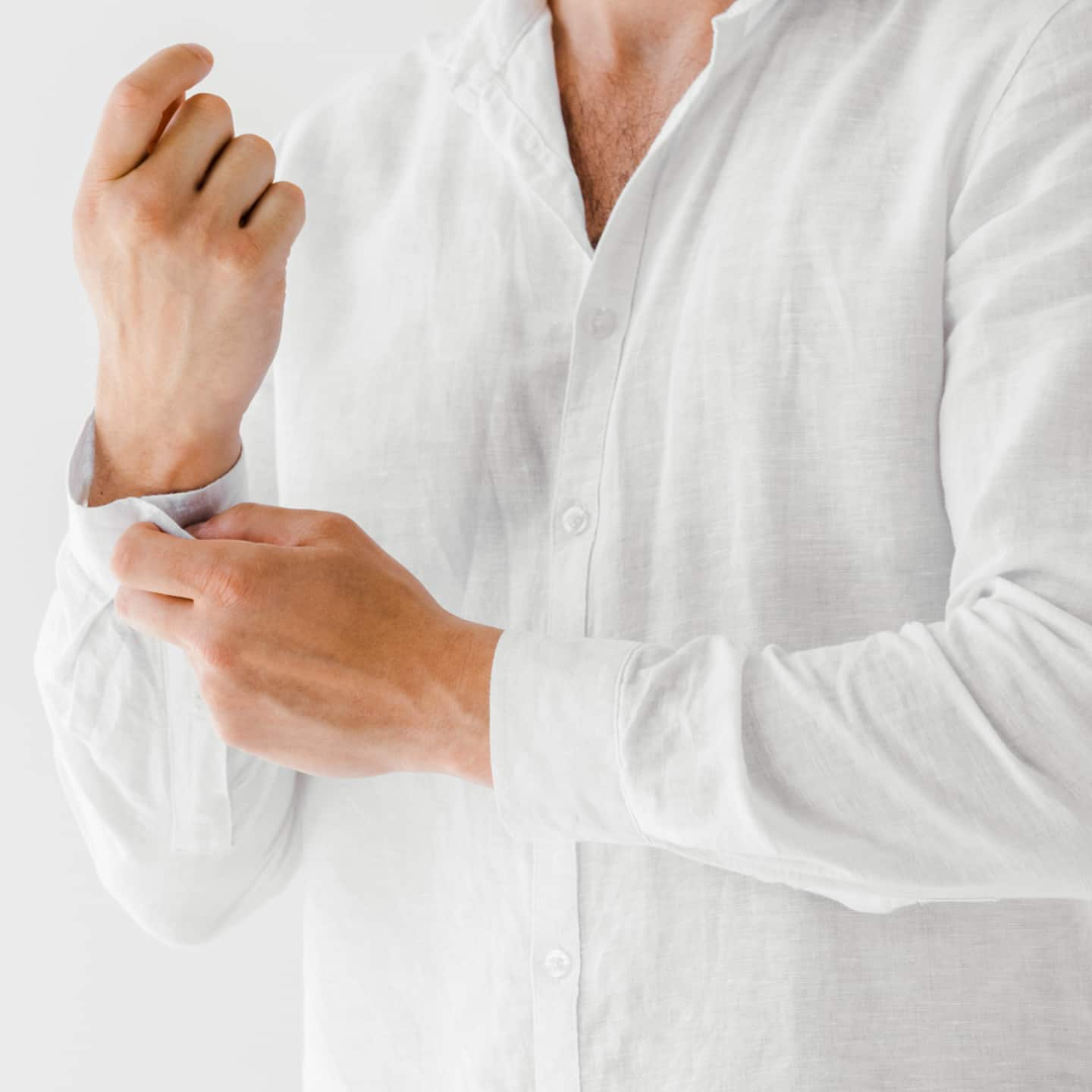
Linen is an easy-care fabric. To machine wash linen, use cool water and a delicates cycle. Avoid using bleach or harsh detergents that can weaken the fibres, but if you do get a stain, remove it as soon as possible. To dry linen, hang it and let the natural breeze work its magic. When ironing, linen can withstand heavy-duty ironing, so you can also use our turbo steam.
Polyester
Polyester fabrics are durable and easy to care for. They can be machine washed on a regular cycle and ironed on a low to medium heat setting. Polyester dries quickly, so either air drying or tumble drying on a low heat is sufficient. Avoid high heat to prevent damaging or melting
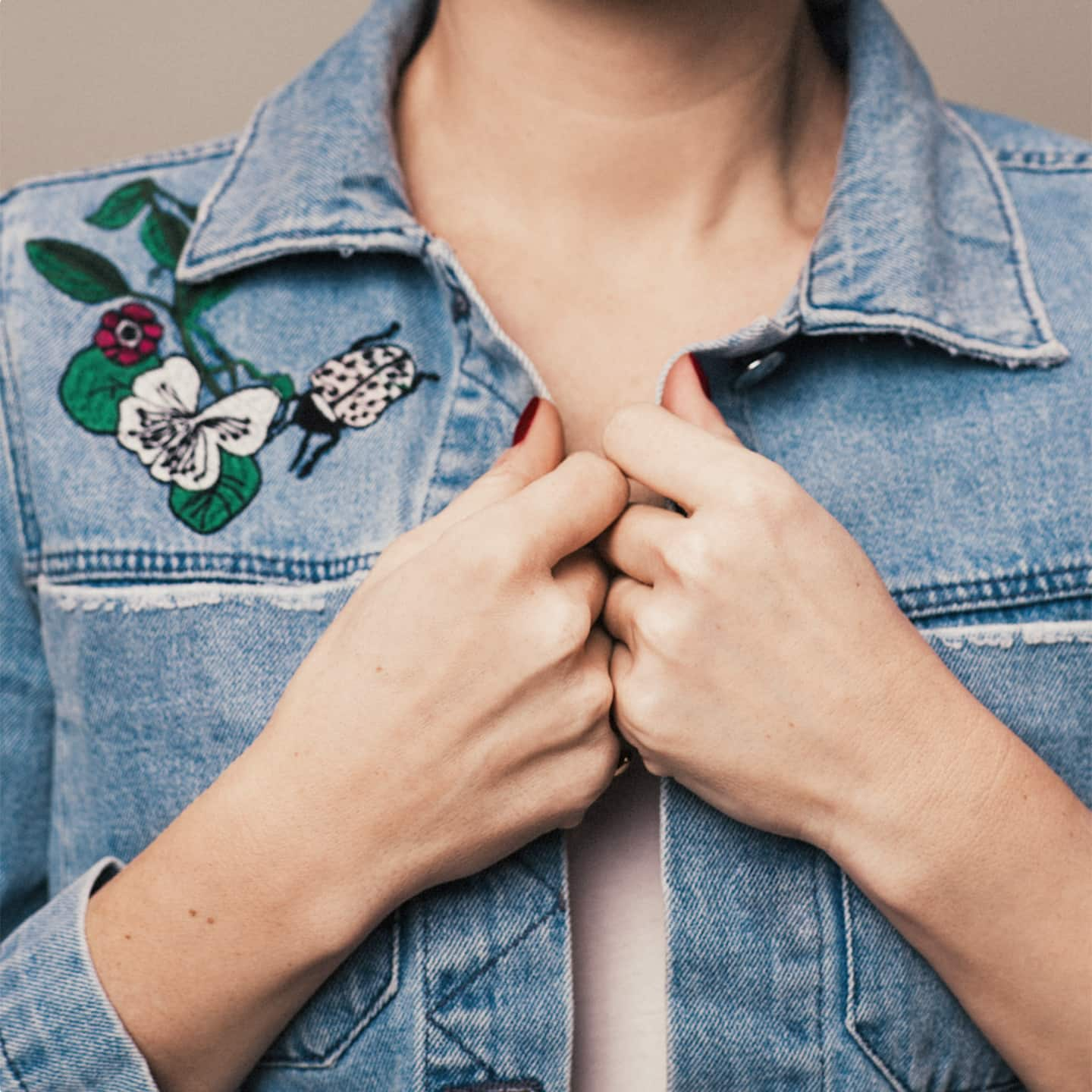
Denim
Wash denim inside out in cold water to maintain colour and prevent fading. Use a mild detergent specifically designed for dark or indigo-dyed fabrics. Avoid tumble drying to prevent shrinkage and maintain the shape of the garment. When ironing denim, turn the garment inside out and use a medium heat setting.
Wool
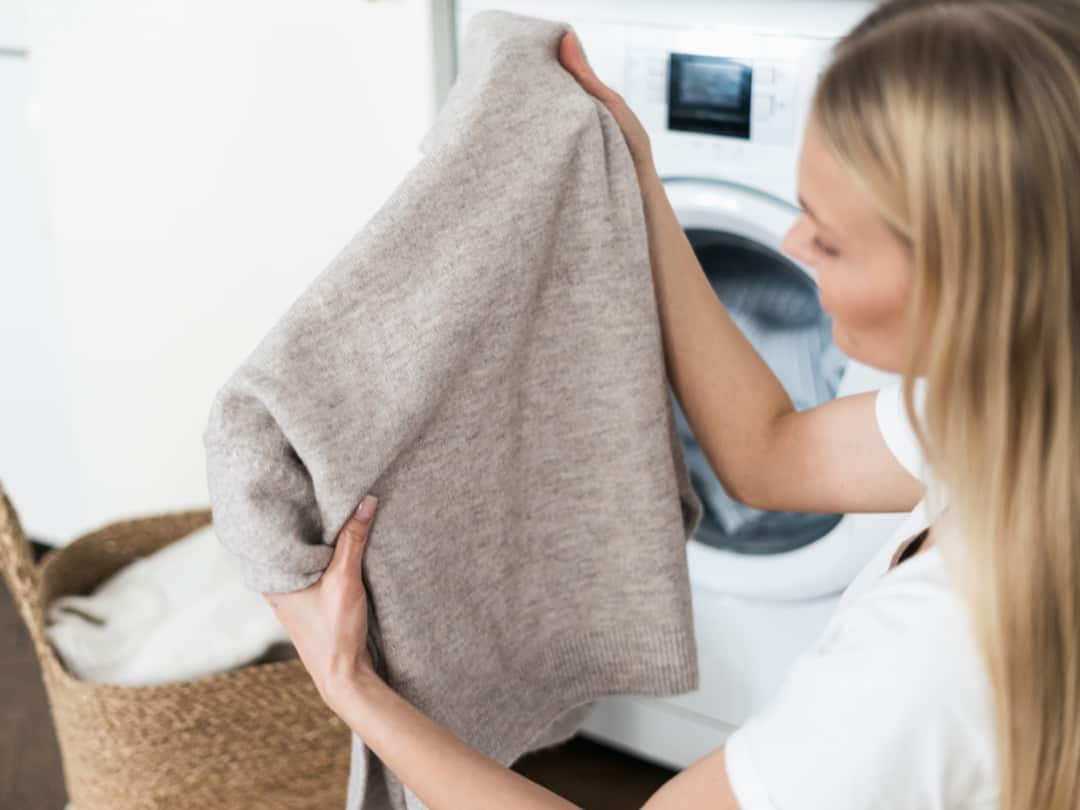
To clean wool garments, hand wash in cold water is ideal to prevent shrinkage. Use a mild detergent designed for wool to avoid damage. After washing, gently squeeze out excess water and roll the garment in a towel before reshaping and laying flat to dry. If ironing is necessary, use a the wool setting on your iron with mechanical thermostat or use an iron with iCare mode if you don’t want to worry about the correct settings.
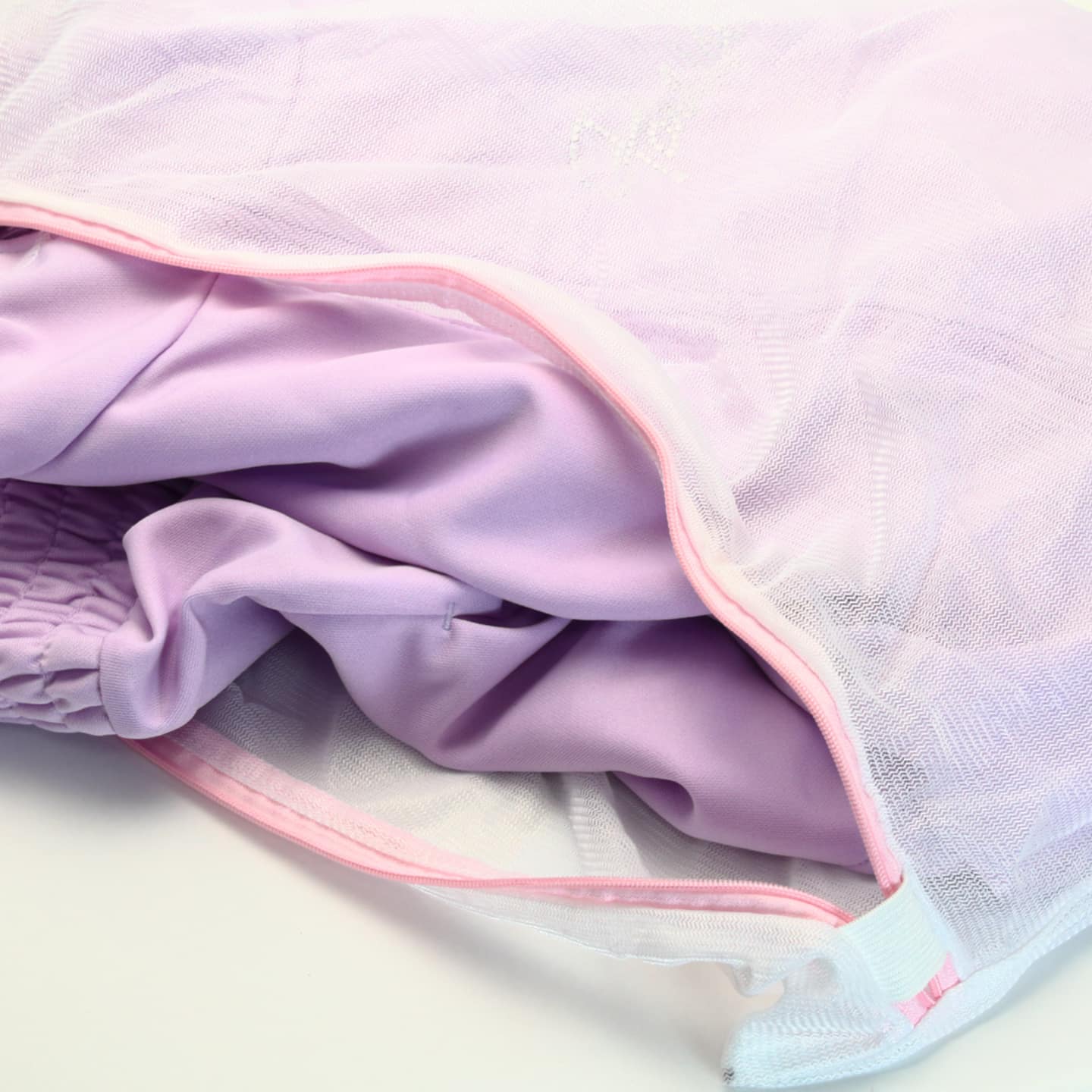
Pro-tip for delicate fabrics: laundry bags.
The main purpose of a laundry bag is to protect delicate fabrics such as nylon, wool, silk, lace and more. These fabrics are prone to pilling and stretching. By using a zip-closure laundry bag, you can effortlessly protect them from these risks, ensuring their longevity and quality.
It's all about the heat.
Just remember: some garments don't mind being hot, others do. Air-drying is best for delicate fabrics such as silk, lace and cashmere, as they are more fragile and can be damaged in a tumble dryer. These fabrics benefit from a gentle airflow to maintain their quality. On the other hand, sturdier fabrics such as cotton, linen and denim can handle the tumble dryer just fine. They are more durable and better suited to the higher heat and agitation of tumble drying. If you're unsure about ironing, try Braun's smart iCare and Eco Mode, which protects all kinds of ironable fabrics with the right temperature.
Storing your clothes correctly is just as important as washing and ironing them. Follow these tips to ensure your clothes stay in great shape.
Clean before storage
Say goodbye to stifling plastic bags or airtight containers that trap moisture and create a breeding ground for bacteria. Instead, opt for breathable cotton storage bags or reuse pillowcases and cotton sheets as protective covers. These materials allow air to circulate, keeping your clothes fresh and happy during their hibernation.
A breath of fresh air
Fabrics like cotton, linen, and wool are natural and biodegradable. To care for them sustainably, opt for eco-friendly laundry detergents and choose lower temperature wash cycles whenever possible.
Avoid sunlight and humidity
Just like people, clothes have their own preferences. Direct sunlight can cause fabrics to fade over time, so it's best to store your clothes in a cool, dry place away from windows. Excessive humidity can create a cosy environment for mold and mildew, causing irreparable damage. Consider using moisture-absorbing sachets or silica gel to keep humidity levels optimal and your clothes in pristine condition.
Did you know?
Historical records show that people were using cotton and wool to make natural fabrics as early as 3000 BC. Maybe our clothes will last just as long with the right care.
Perfect Ironing Job
Do you know how to be as fast as possible, with minimum effort and still achieve impeccable results?
Sustainable Energy Use
Did you know that there are many ways to optimize energy consumption when caring for and washing your clothes? We have put together a few tips and tricks for you here.