Country preference? Choose the preferred country to view local content and get a better experience.



From the everyday things. To a better future.
Simple.
Le design ne doit pas chambouler le mode de vie. Avec cette simple pression - clic - vous obtenez ce que vous voulez. Rien de plus que le nécessaire. Ainsi vous êtes en mesure de faire ce que vous voulez.
Utile.
Tout a un sens. Un problème humain à résoudre. Jusque dans les moindres détails. Parce qu’un bon design ne doit rien laisser au hasard, il fait preuve de rigueur et a sa raison d’être. Il n’y a pas de design juste pour le design.
Built to Last.
When something has been designed well. It doesn’t need anything new, there is no obsolescence - it doesn’t dominate or take over. It lasts. Better for the environment, better for people.
1 Good design is innovative.
The possibilities for innovation are not, by any means, exhausted. Technological development is always offering new opportunities for innovative design.
2 Un bon design rend un produit utile.
Un produit est acheté pour être utilisé. Il doit répondre à certains critères, non seulement fonctionnels, mais aussi psychologiques et esthétiques. Un bon design met l’accent sur l’utilité d’un produit tout en ignorant tout ce qui pourrait lui nuire.
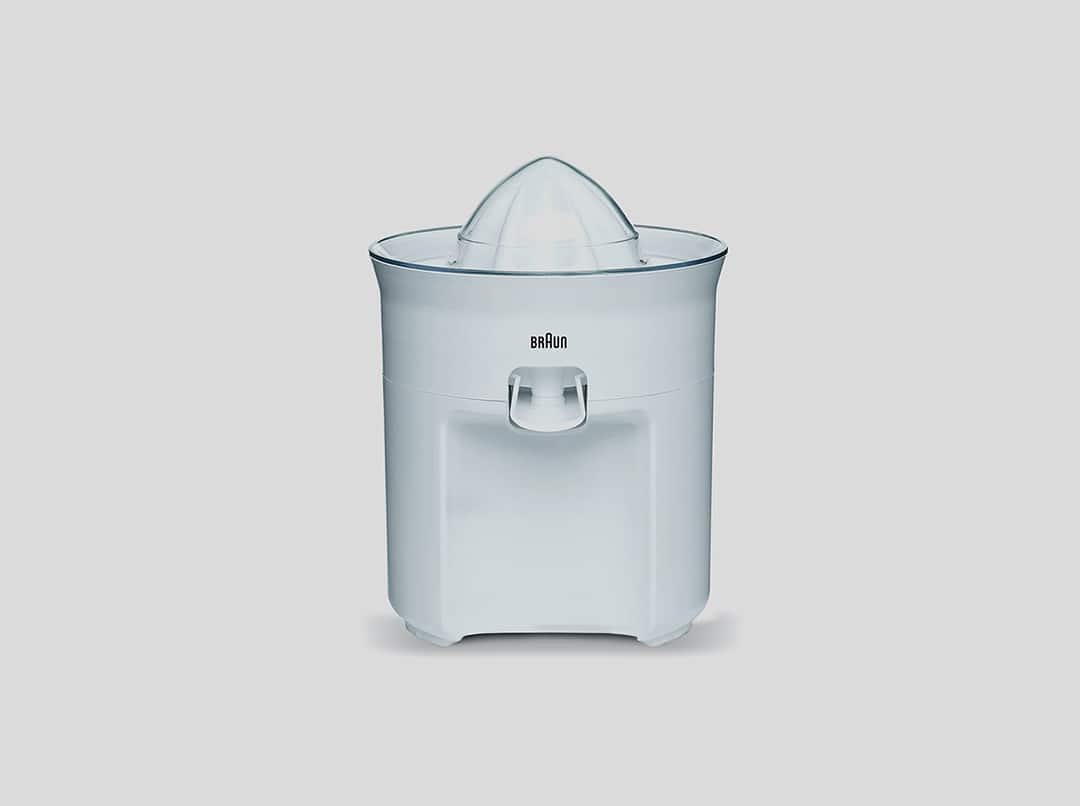
3 Un bon design est esthétique.
La qualité esthétique d’un produit fait partie intégrante de son utilité, car les produits que nous utilisons chaque jour affectent notre personne et notre bien-être. Mais seuls des objets bien exécutés peuvent être esthétiques.
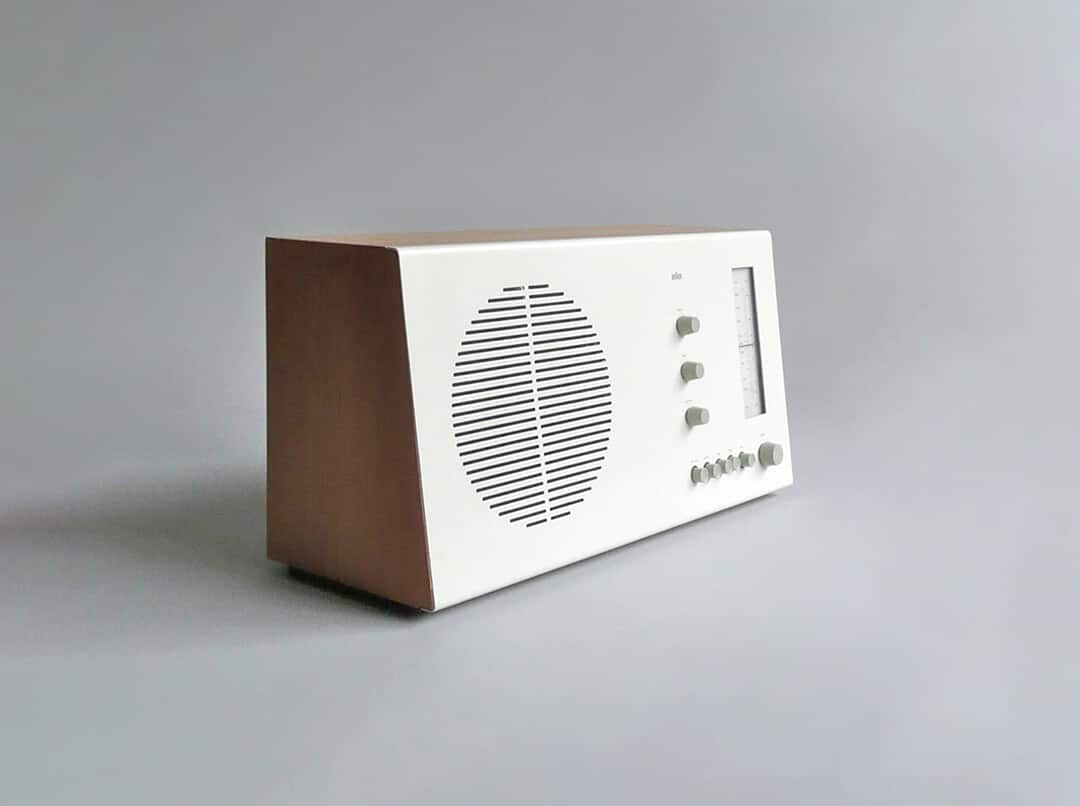
4 Un bon design rend un produit compréhensible.
Il clarifie la structure du produit. Mieux encore, il peut faire parler le produit. Au mieux, il est explicite.
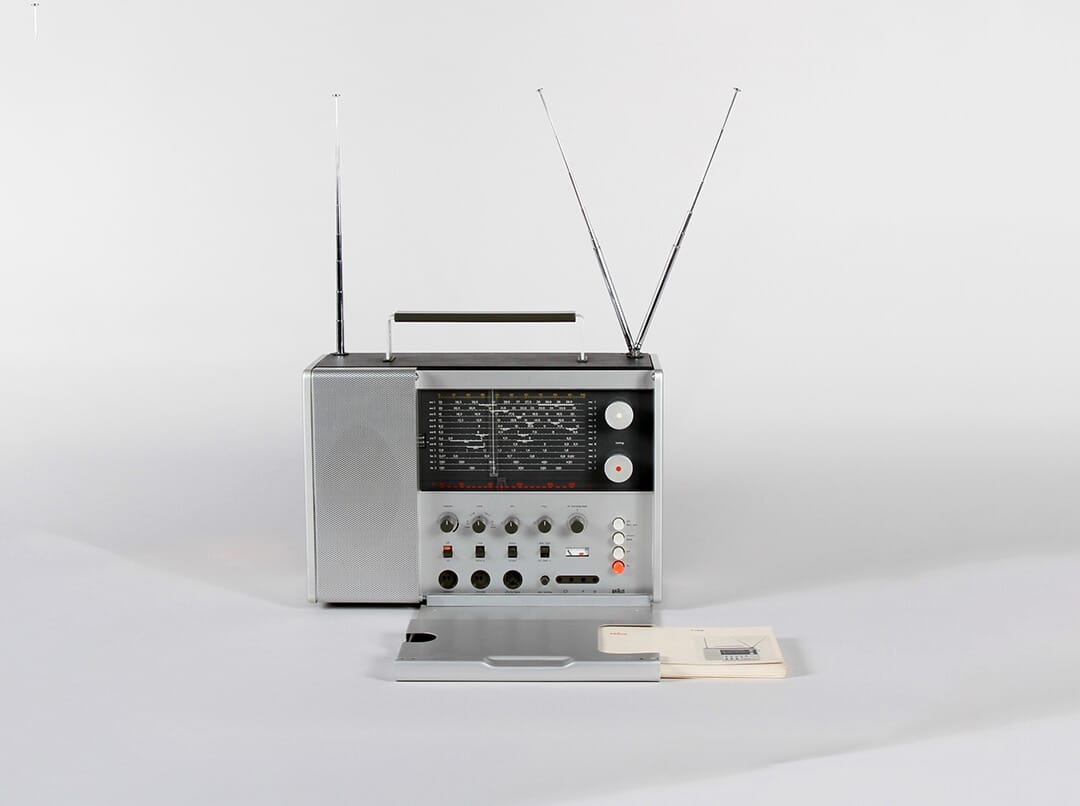
5 Un bon design est discret.
Les produits qui remplissent une fonction sont comme des outils. Ce ne sont ni des objets décoratifs, ni des œuvres d’art. Leur design doit donc être à la fois neutre et sobre, afin de laisser à l’utilisateur la possibilité de s’exprimer.
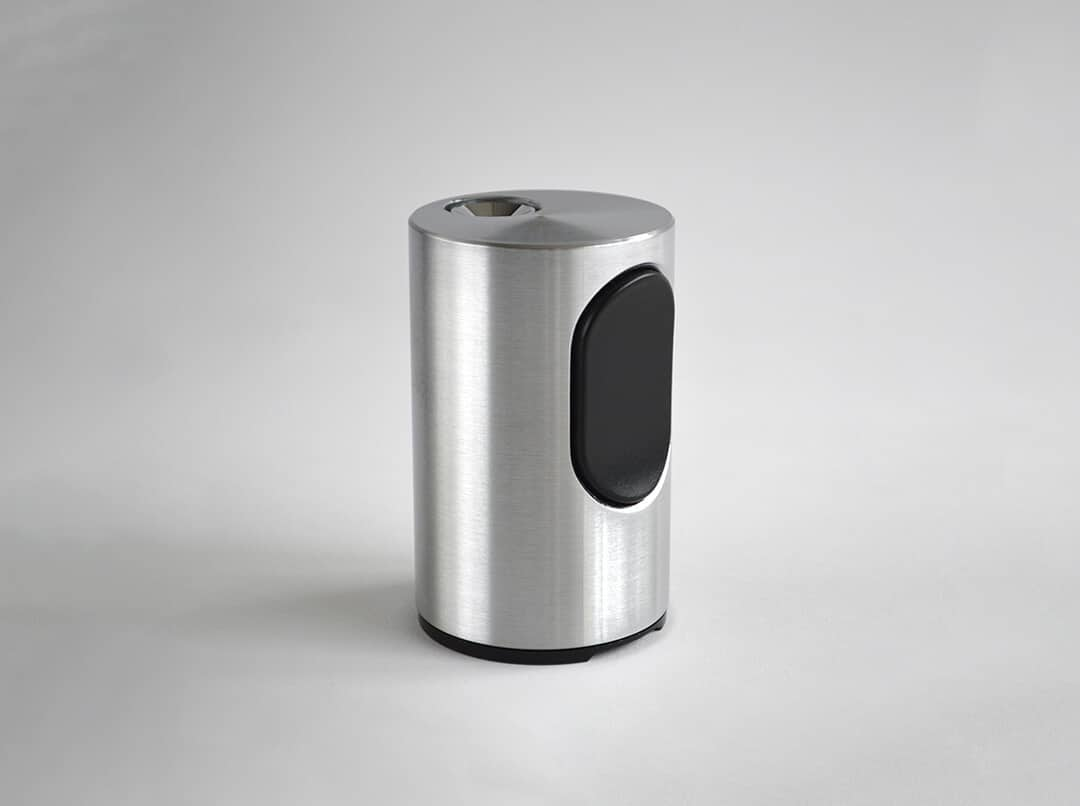
6 Good design is honest.
It does not make a product more innovative, powerful or valuable than it really is. It does not attempt to manipulate the consumer with promises that cannot be kept.
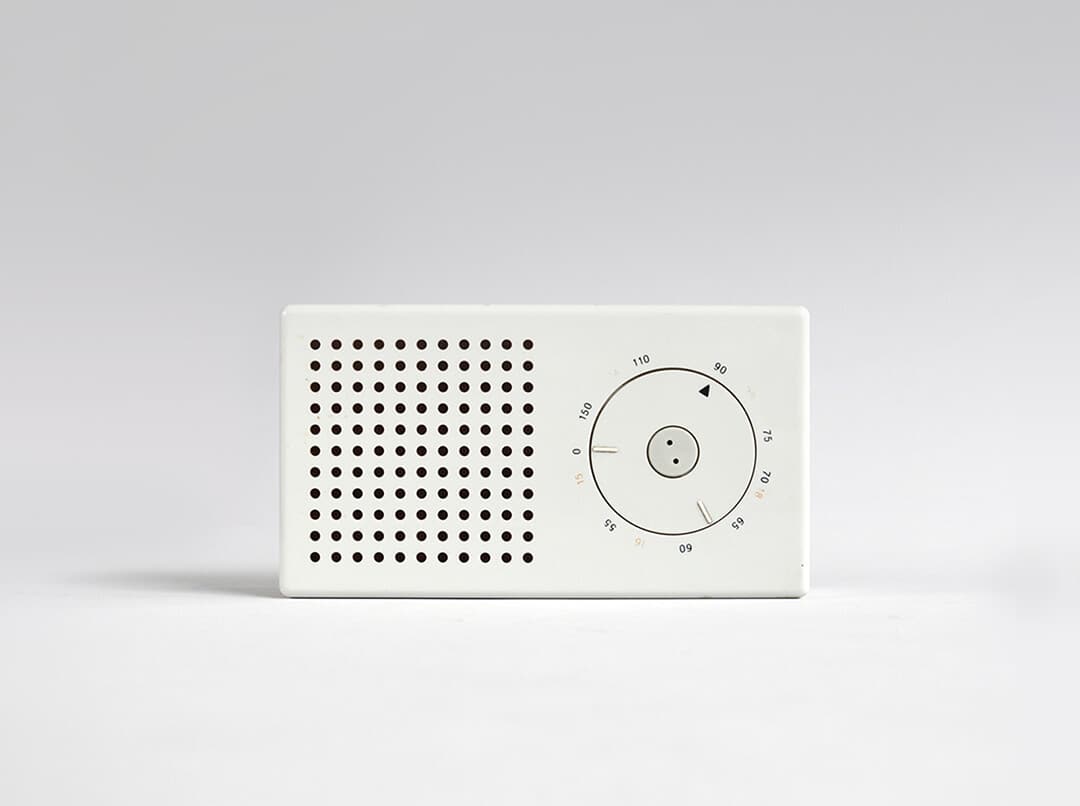
7 Good design is long-lasting.
It avoids being fashionable and therefore never appears antiquated. Unlike fashionable design, it lasts many years - even in today’s throwaway society.
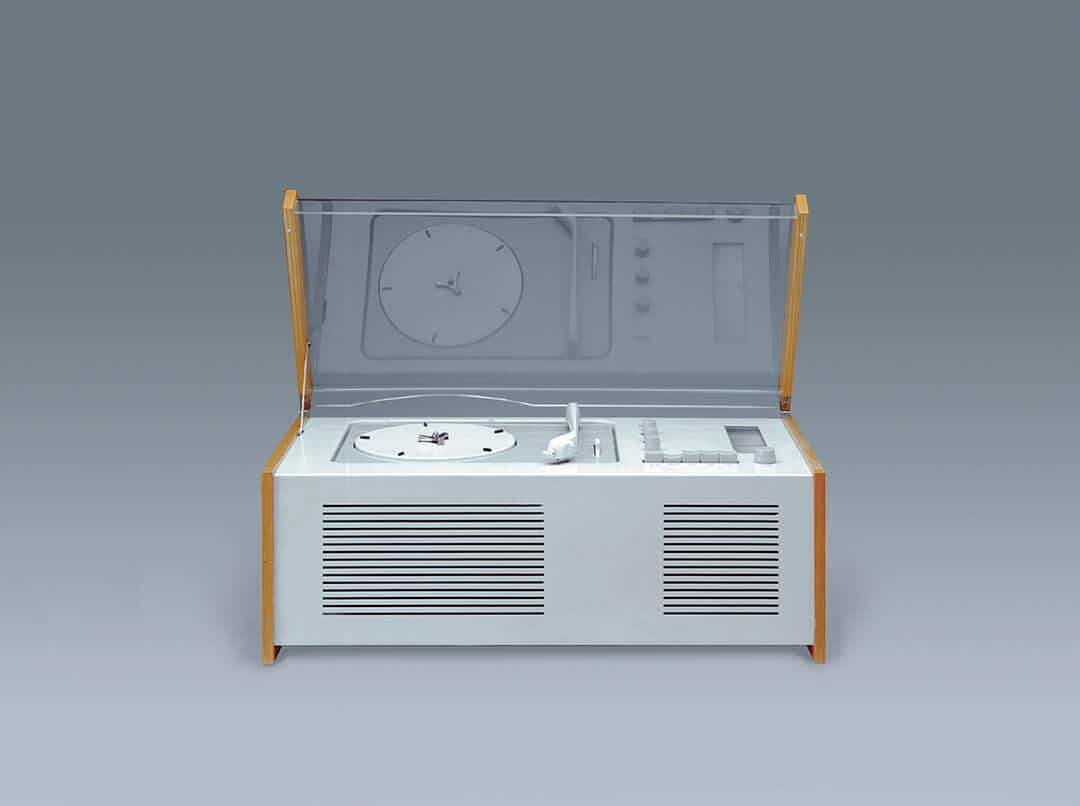
8 Good design is thorough to the last detail.
Nothing must be arbitrary or left to chance. Care and accuracy in the design process show respect towards the consumer.
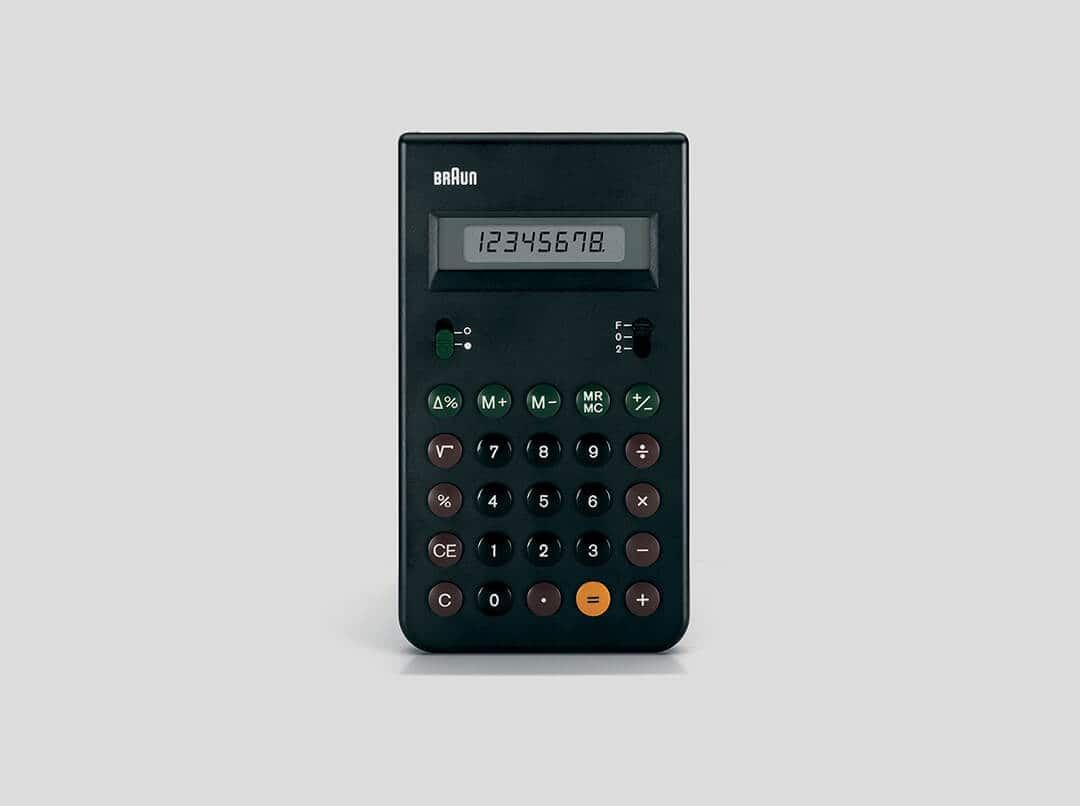
9 Good design is environmentally friendly.
Design makes an important contribution to the preservation of the environment. It conserves resources and minimises physical and visual pollution throughout the lifecycle of the product.
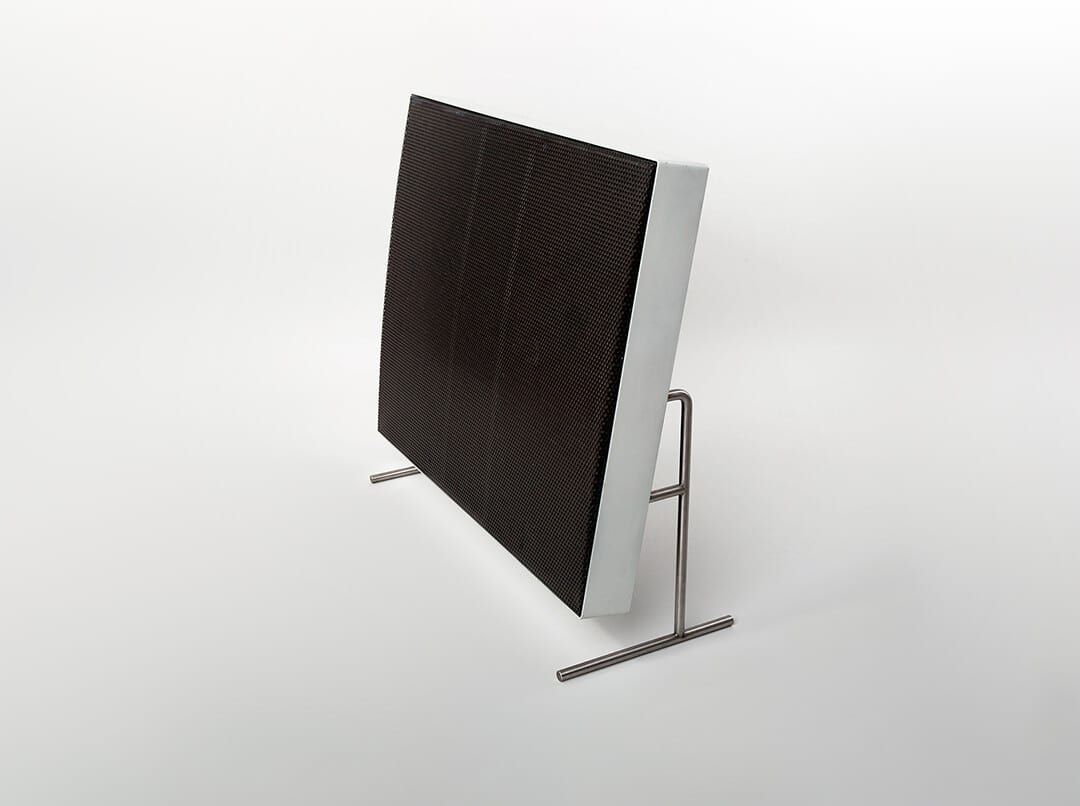
10 Good design is as little design as possible.
Less, but better - because it concentrates on the essential aspects, and the products are not burdened with nonessentials. Back to purity, back to simplicity.
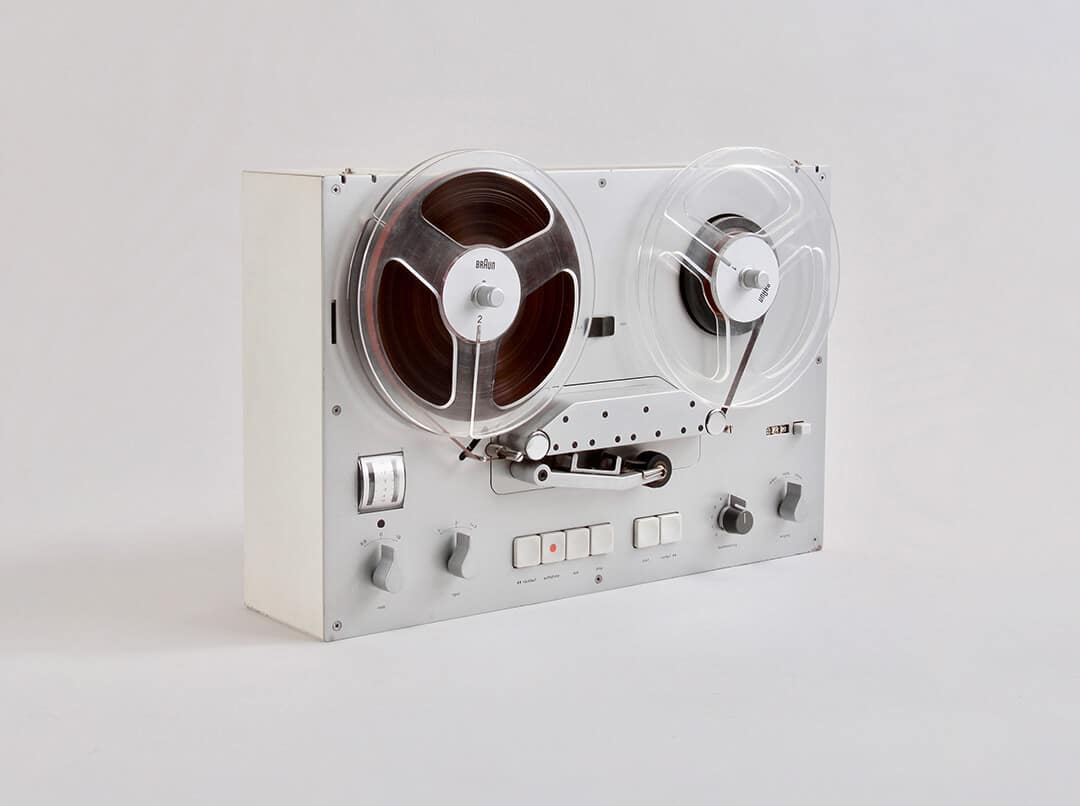
1953 | Braun Factory
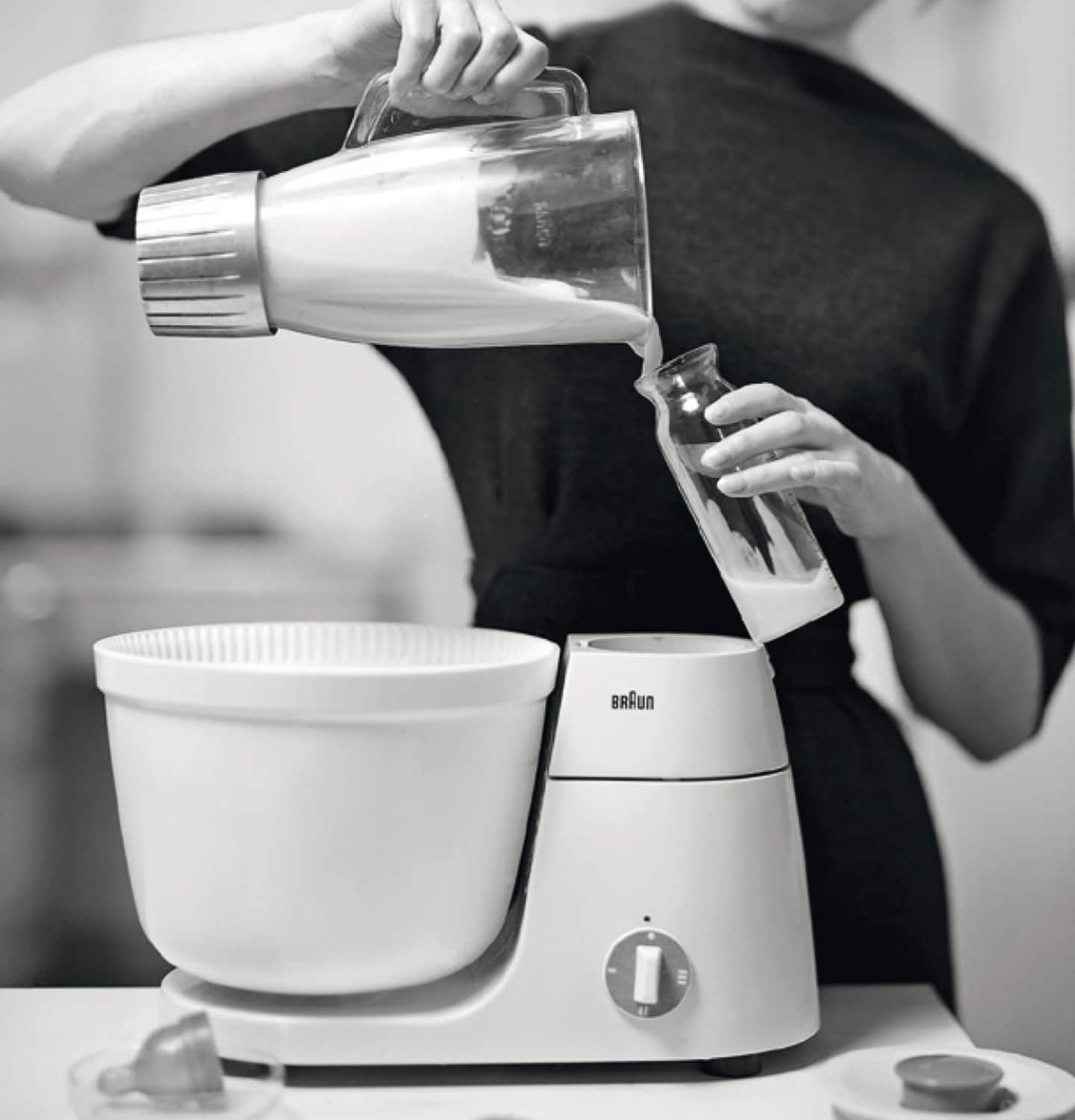
Braun Multimix Blender
The 50's established the milkshake as a western staple, enabled in part by the Multimix, the state-of-the-art blender with a detachable mixing glass container. It cuts ingredients with industrial-grade efficacy. Still widely in use today.
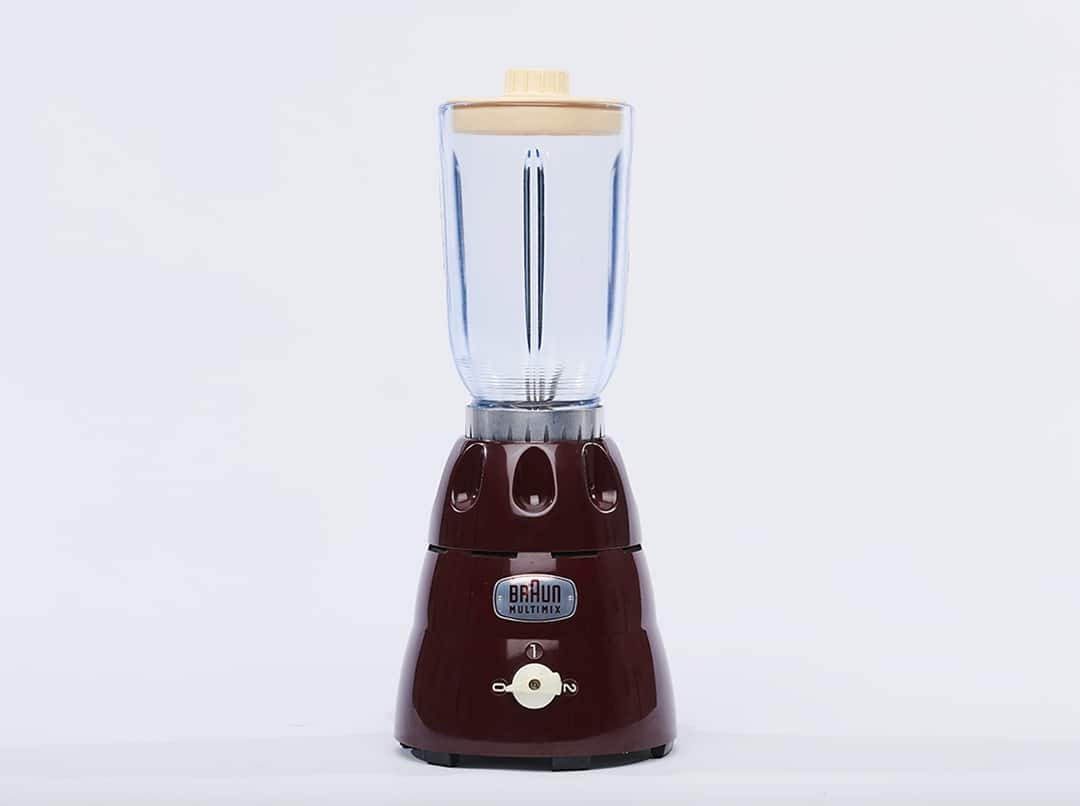
1957 | Gerd Alfred Müller
KM3/31
A hugely influential blender or “food processor” as it was known that birthed a whole new product category: “kitchen machines” or appliances. With its hyper-reduced, simple and useful design one of the most influential industrial products of all time.
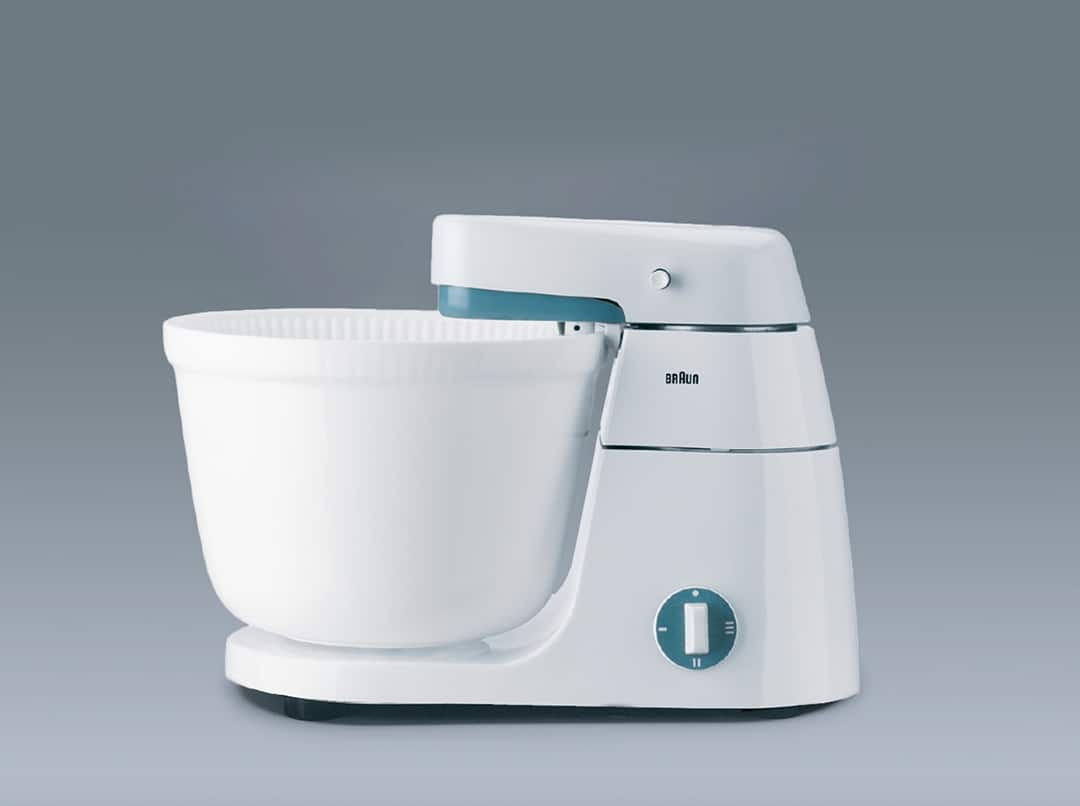
1963 | Reinhold Weiss
KSM 1/11
Design doesn’t get much more minimalistic than this: a coffee grinder so purpose-built it needed just one, centrallyplaced button to operate. Finely ground beans were just a finger click away.
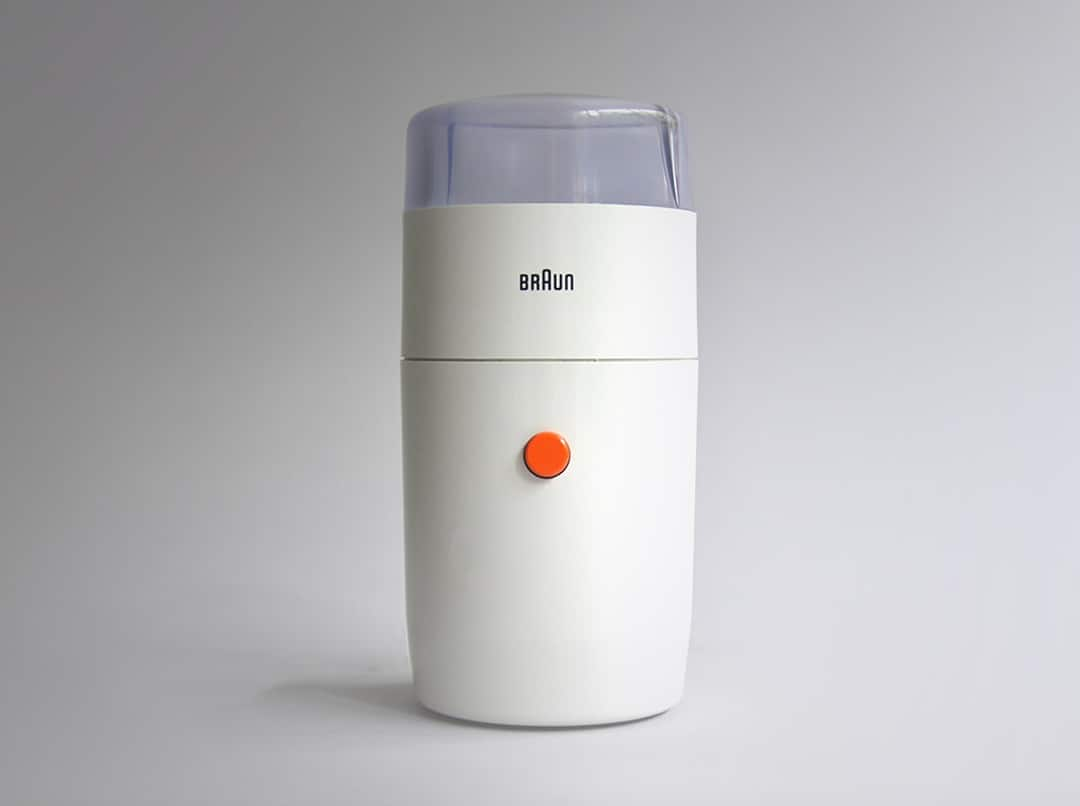
1963 | Reinhold Weiss
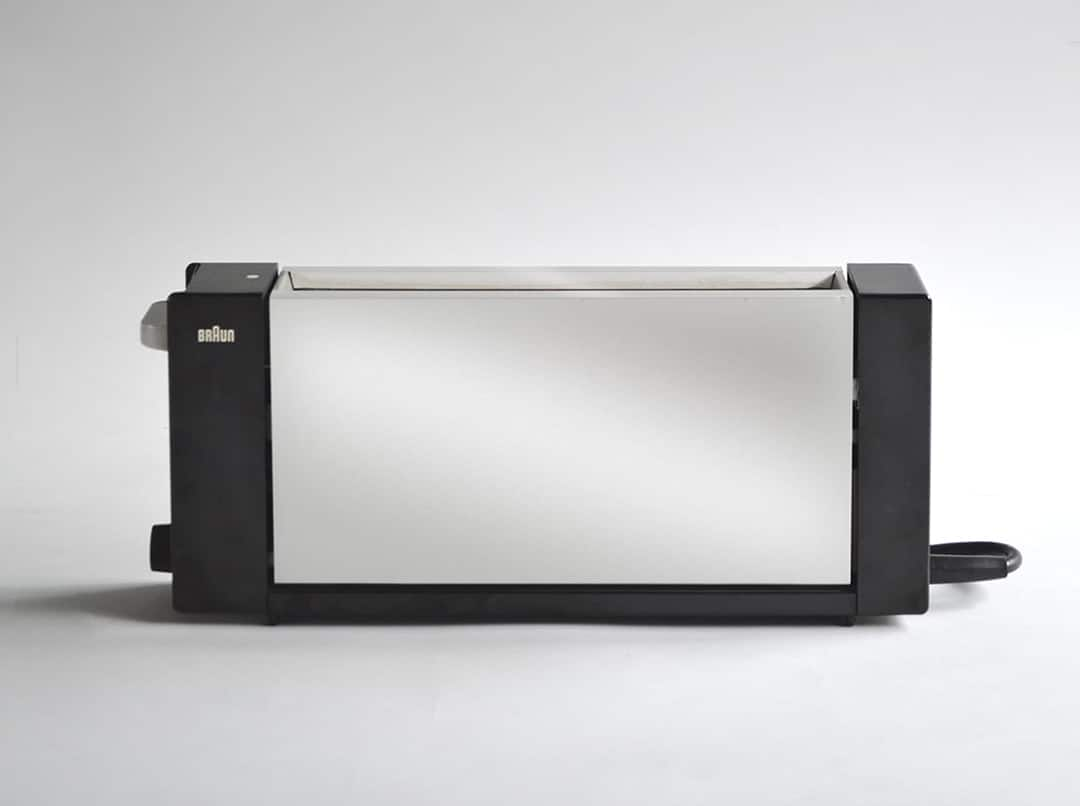
HT 2
This toaster’s sleek, reduced design so inspired renowned artist Richard Hamilton that he based one of his works (aptly titled ‘Toaster’) on it. Oh, and it also browned bread to perfection.
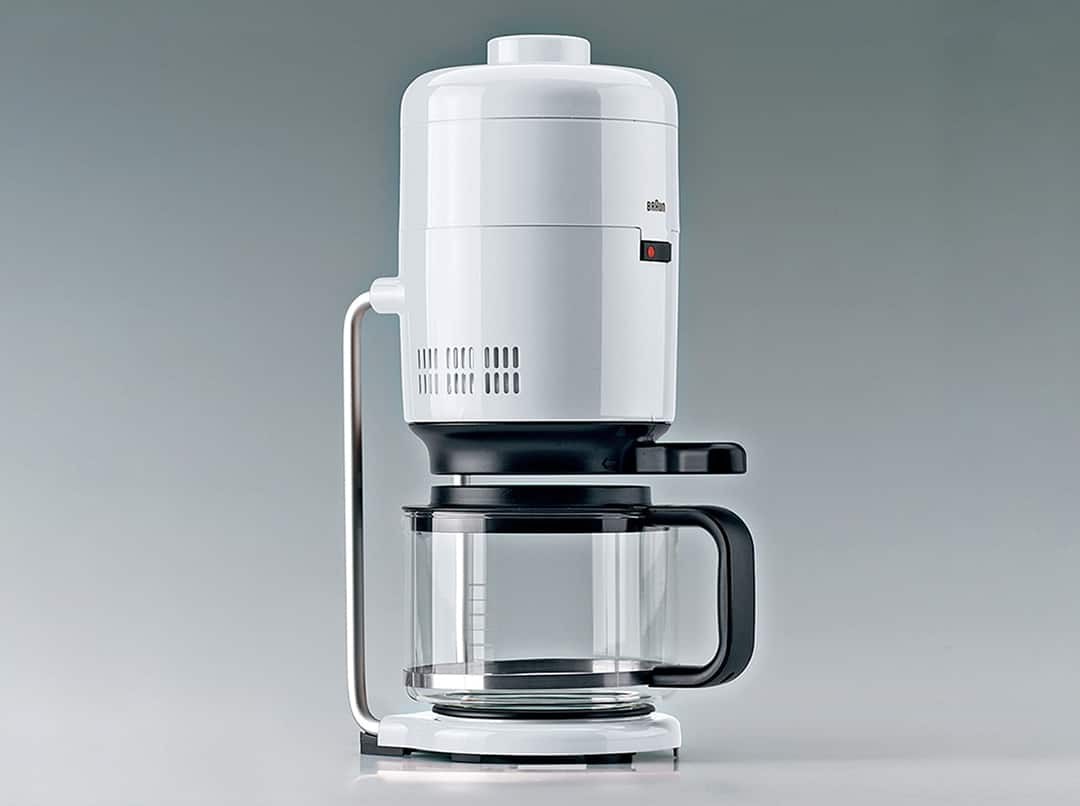
1972 | Florian Seiffert
KF 20
With a stacked, vertical design that resembled a water tower, the KF 20 was known as the Aromaster. Instantlyrecognizable for its unciventional shape, this coffee maker added a touch of the exrtaordinary to everyday morning filter coffee.
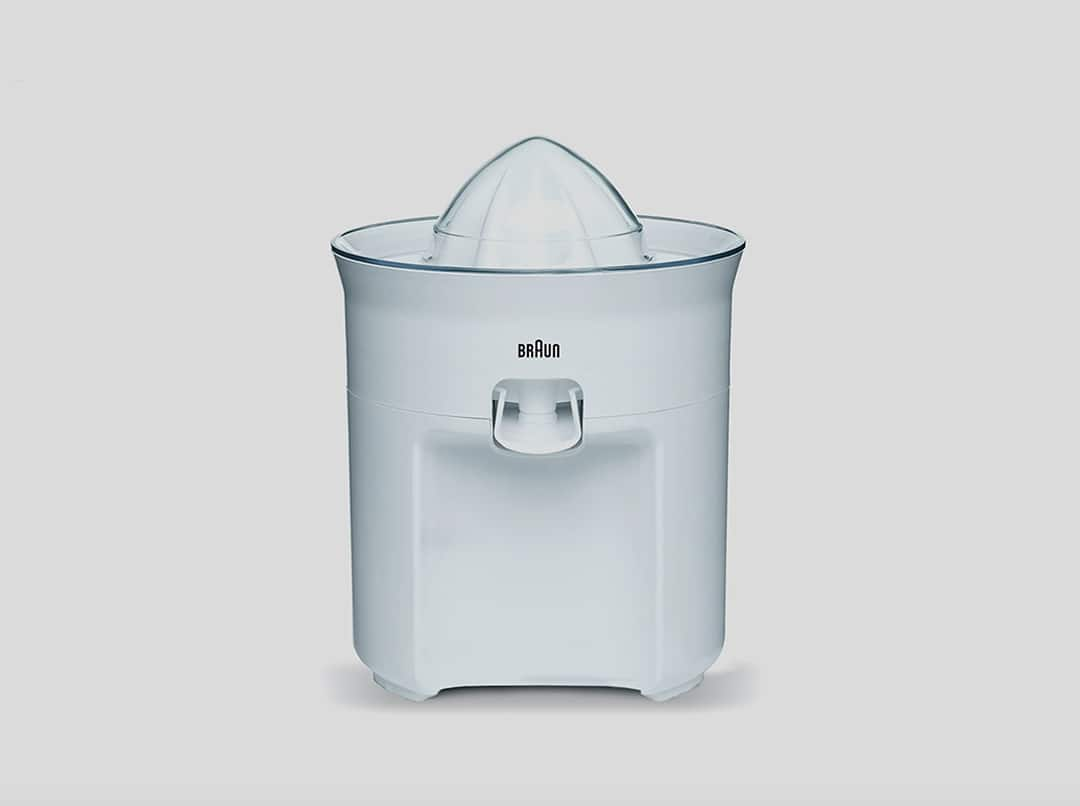
1972 | Jürgen Greubel, Dieter Rams
MPZ 22
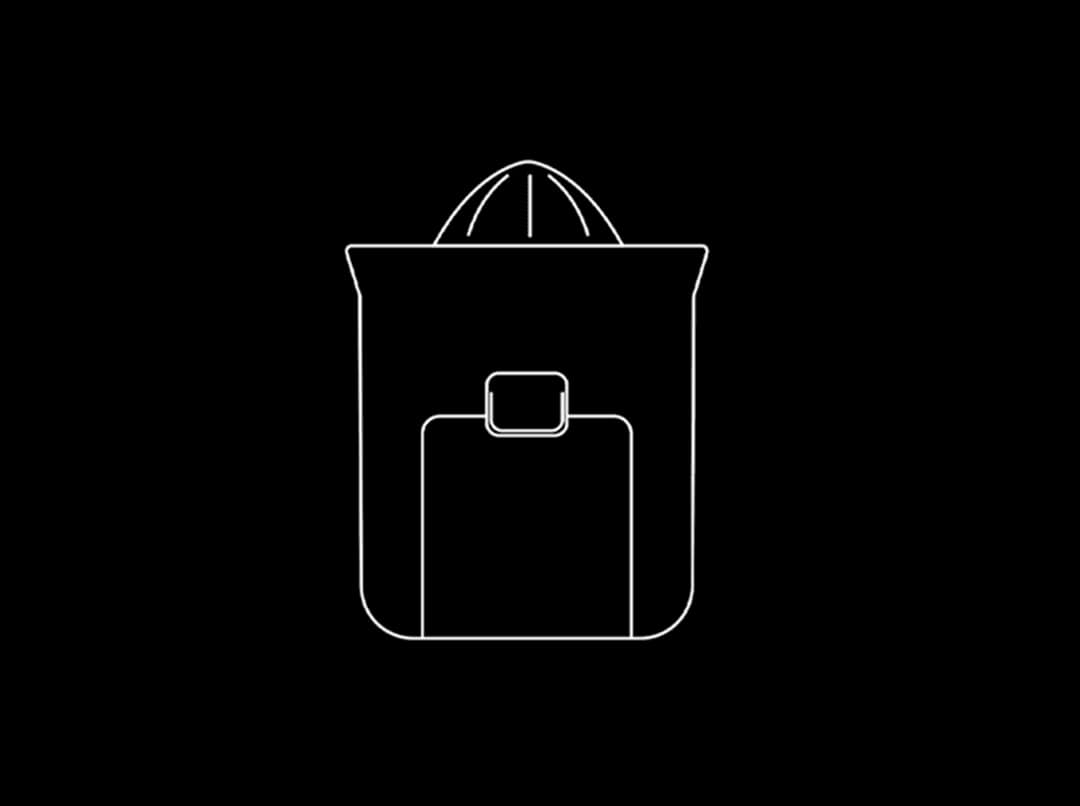
This electric juicer, also known as the citromatic, was a dependable and incredibly easy-to-clean staple of kitchens across the world for decades. It took over two decades before Braun decided an update to the original design was due.
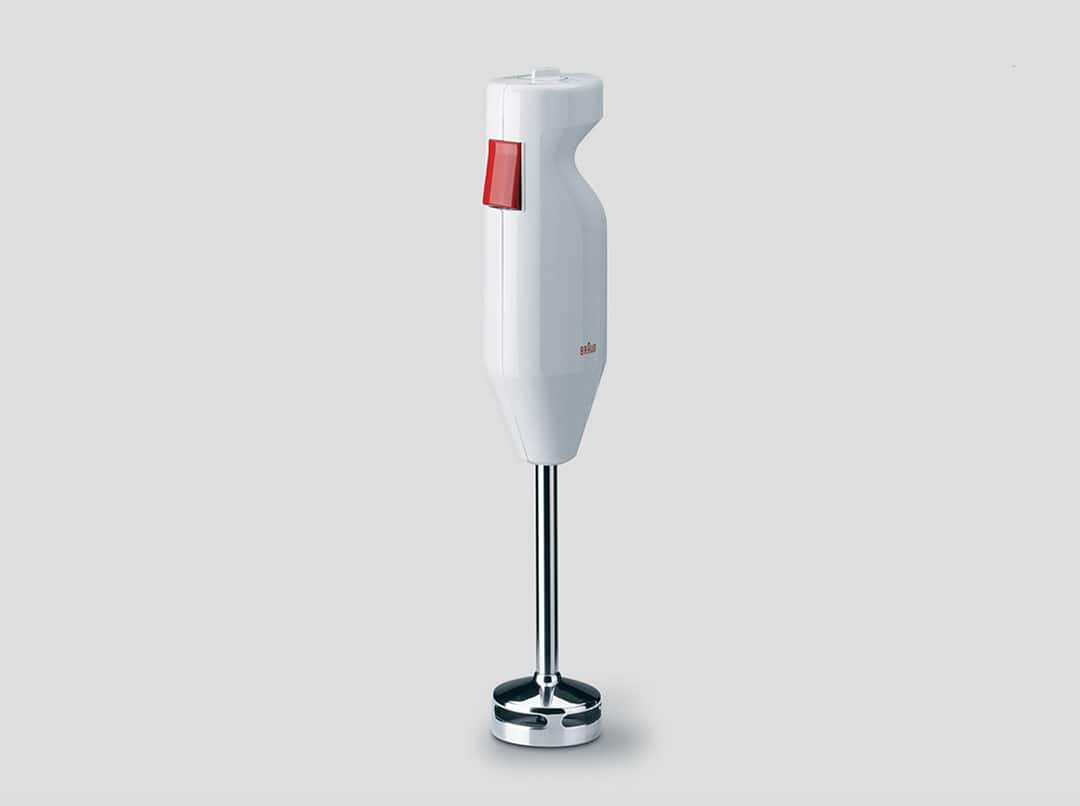
1981 | Ludwig Littmann
MR 6
A precursor of the more sophisticated MR 500, the MR 6 was sturdy and tough, meaning it could blend foods that´other products couldn't handle. An important stepping stone on the way to perfecting the handheld blender.
1984 | Hartwig Kahlcke
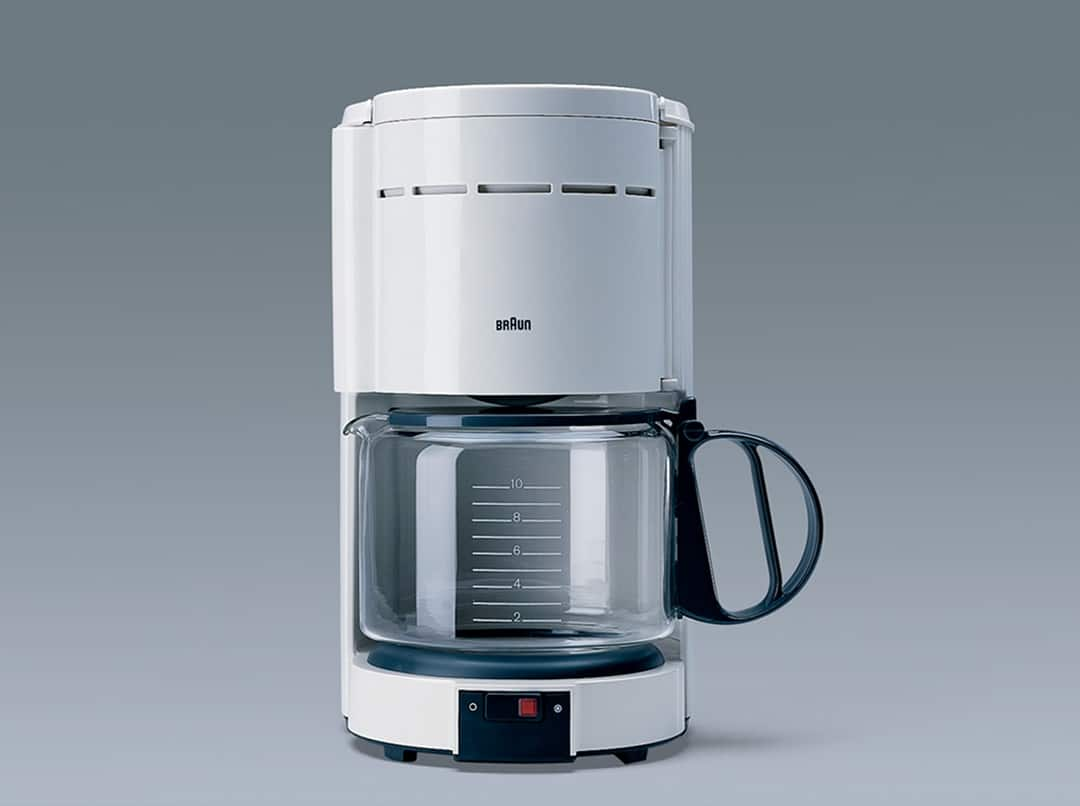
KF 40
This coffeemaker was somehow controversial within Braun, being made of cost-efficient polypropylene rather than sturdier polycarbonate, Braun's go-to plastic. Hence the KF 40's corrugated surface states a design solution that won over Dieter Rams.
2016 | Markus Orthey, Ludwig Littmann
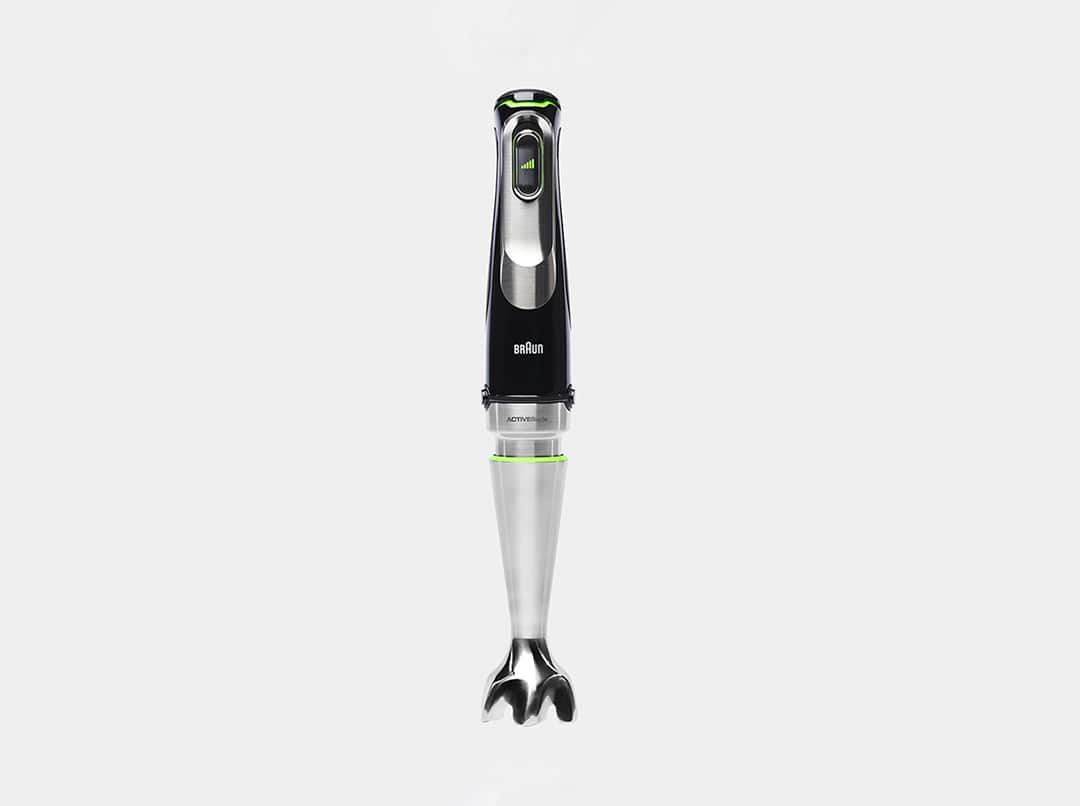
MultiQuick 9
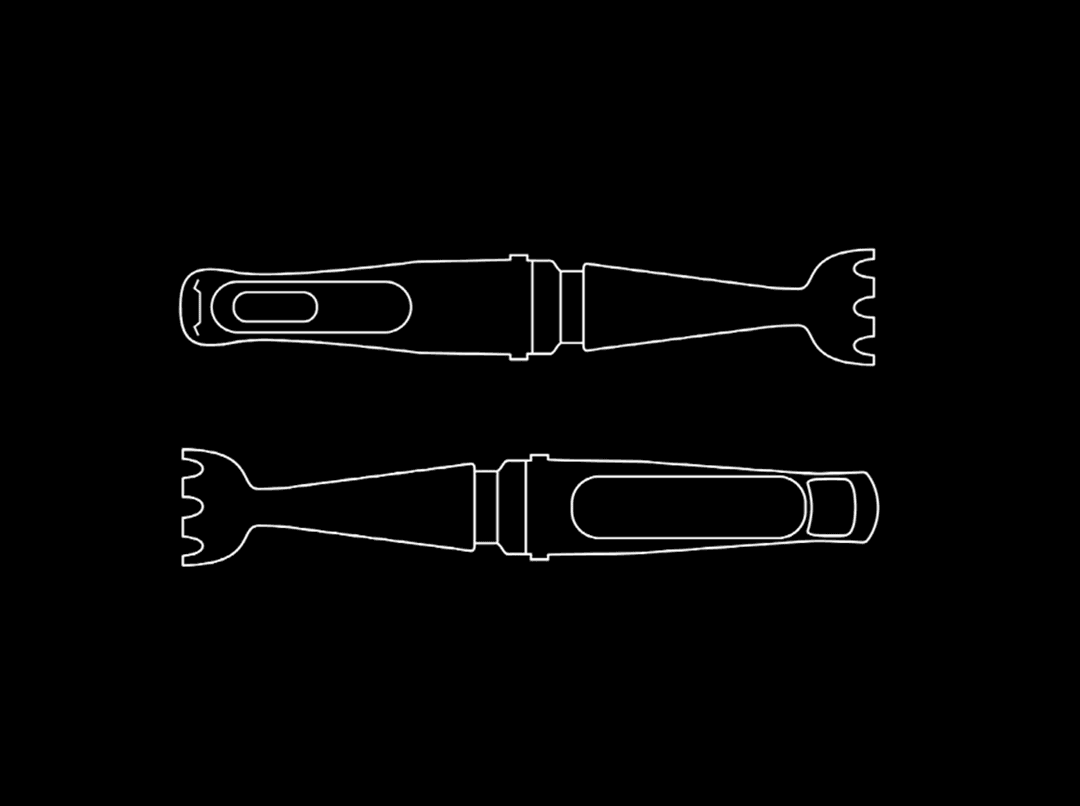
An all-round food blender that condensed the functionalities of devices many times its size into a simple, handheld 'wand'. The definition of reduced design: compact, yet powerful.