Country preference? Choose the preferred country to view local content and get a better experience.

インスピレーション

en-NavCard-hand-blender-1080x720 (1).jpg

en-navnod-braun-food-preparation-1080x720.jpg

en-navnod-breakfast-1080x720.jpg

en-navnod-more-Braun-products-1080x720.jpg

en-NavCard-get-inspired-1080x720.jpg

en-NavCard-hand-blender-attachments-1080x720.jpg

The 1-2-3 for perfect tea

en_ADP-ArtStage_breakfast-psp-tea-stage_1440x810_SM.png
印刷

La tua guida al tè perfetto.

Scopri di più sui diversi tipi di tè e come esaltare il sapore completo dei tuoi tè preferiti utilizzando le 5 impostazioni di precisione del bollitore Braun Breakfast ID Collection per garantire un’infusione ottimale alla temperatura ideale.
en_ADP-ImB_braun-tea-section01-brewing-tea_SM.png


Passaggio 1: Qualità delle foglie

en_ADP-PCS_braun-tea-section-teaser01-white-tea_SM.png

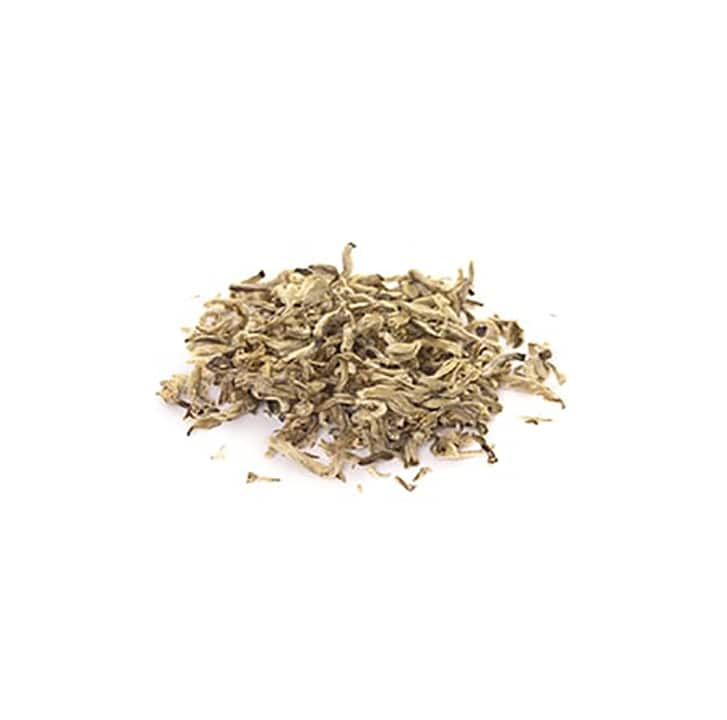
Tè bianco

Il tè bianco, quasi non trattato, può essere considerato una delle varietà di tè più delicate. Il nome risale al raccolto che avviene prima che le foglie delle piante di tè siano completamente aperte, quando i boccioli sono ancora coperti da sottili peli bianchi. I boccioli e le foglie srotolate vengono accuratamente raccolti e devono essere asciugati rapidamente e accuratamente per evitare l’ossidazione
en_ADP-PCS_braun-tea-section-teaser02-green-tea_SM.png

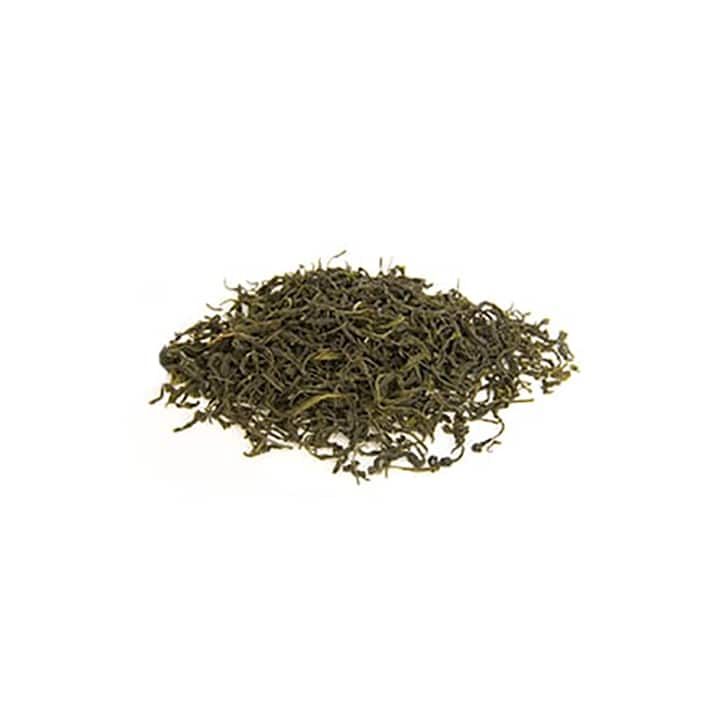
Tè verde

Per preservare il loro sapore completamente naturale, le foglie di tè verde vengono riscaldate o cotte al vapore subito dopo la raccolta. Questo previene l’ossidazione eccessiva e produce una bevanda delicata e nutriente.
en_ADP-PCS_braun-tea-section-teaser03-black-tea_SM.png

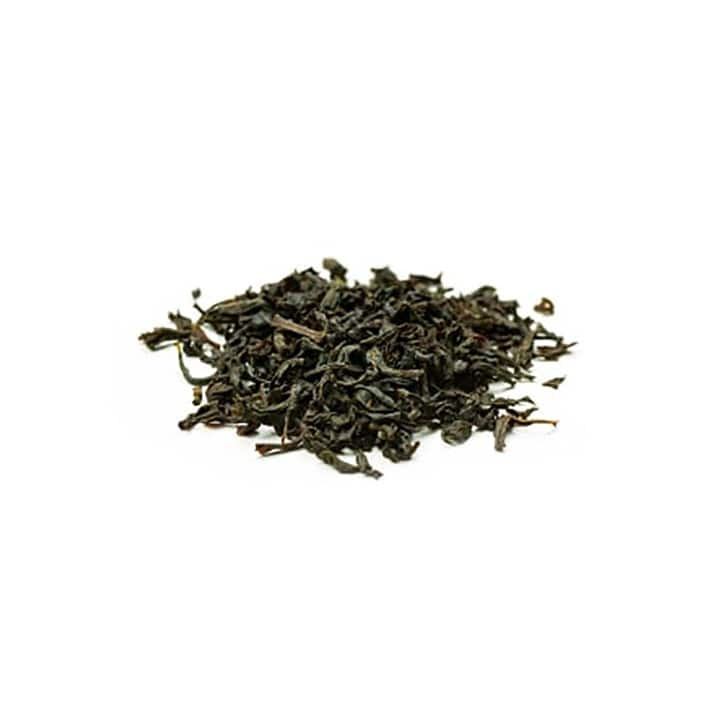
Tè nero

Anche se l’ossidazione viene evitata nel processo di produzione del tè bianco e verde, è fondamentale per ottenere le principali caratteristiche del tè nero. Il suo colore e il suo sapore unici si ottengono grazie a un alto livello di ossidazione.
en_ADP-PCS_braun-tea-section-teaser04-herbal-tea_SM.png

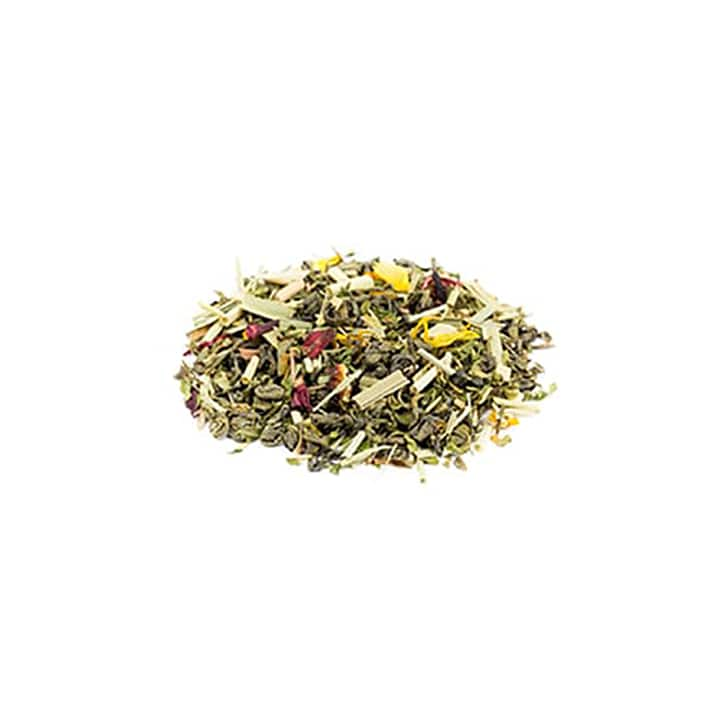
Herbal tea

Herbal teas are considered very popular but as they are not made of leaves of the tea plant, they actually are no “real teas”. Despite that, they stand for a great variety of flavours as they can be made from dried fruits, flowers, spices or herbs.
en_ADP-PCS_braun-tea-section-teaser05-oolong-tea_SM.png

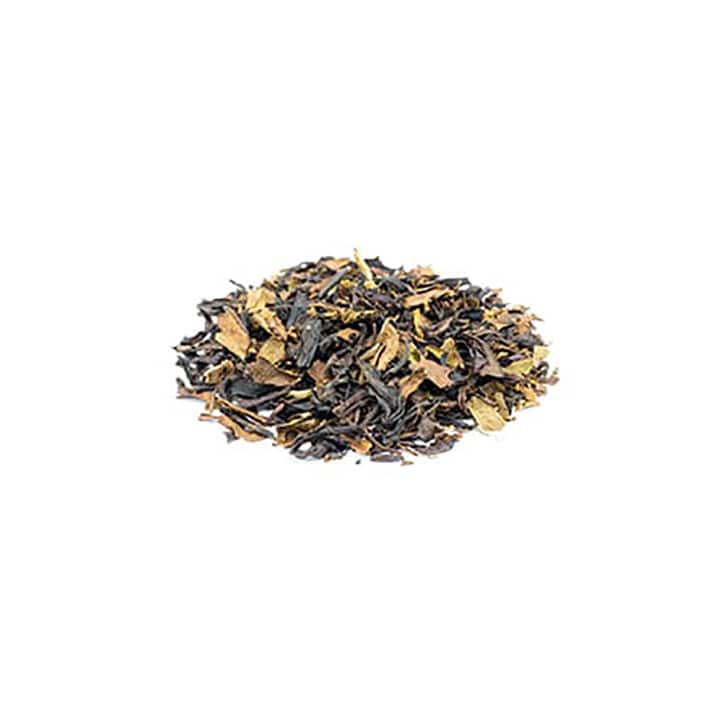
Oolong tea

Oolong tea is one of the youngest types of tea. It can be sorted somewhere between green and black tea as the tea leaves undergo partial oxidation. The processing of Oolong tea is one of the most time consuming and labor intensive.
en_ADP-PCS_braun-tea-section-teaser06-pu-erh-tea_SM.png

Pu-Erh tea

Pu-erh tea undergoes microbal fermentation after the leaves are dried. The tea is particularly special as it can age for decades or longer and its taste an flavour keep developing.


Step 2: Quality of your water


Your tea is only as good as your water. Especially if you choose to prepare a tea that has subtle flavours such as white or green tea, the quality of water is crucial. Key standards used to judge the water are hardness, total dissolved solids (TDS) and chlorine. To improve your water quality, you can invest in water purification systems such as active carbon filters that reduce substances which affect the water’s taste, odor or appearance – your tea’s individual aroma will come through better and the tea will look clearer. An alternative option to filtered water can be bottled water.
en_ADP-ImB_braun-tea-section02-brewing-tea_SM.png


Step 3: Temperature of your water & brewing time

en_ADP-ImB_braun_brewing_tea-temperature-brewing-time_1440_SM1.png

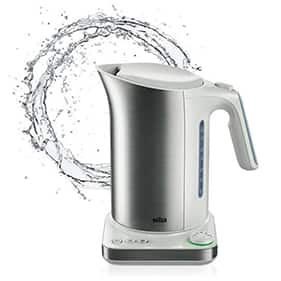
Braun ID Breakfast Collection Water Kettle

Make the most of every morning.

en_ADP-ArtLink_braun_start-right_crosslink-water-kettle-1152.png

Breakfast Types

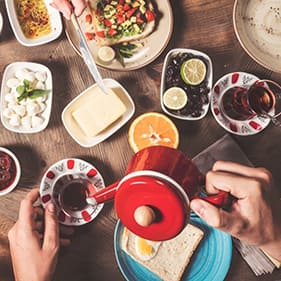
Start the day your way.

en_ADP-ArtLink_breakfast-psp-tea-crosslink02-1152x540.png
読み込んでいます。