Zero waste: Keeping food fresh and getting creative with leftovers.
Less food waste
Zero waste: Keeping food fresh and getting creative with leftovers.
Huge amounts of food end up in the bin every day. Planning your grocery shopping, storing it properly and adopting a more conscious approach to what you eat can all help to reduce food waste. Even small changes can help to cut waste or even avoid it completely. But nobody's perfect: We don't need to achieve a zero waste lifestyle immediately, we all just need to start. Equipped with a few tricks for keeping fruit, vegetables and other precious produce fresh, and even reviving a few things past their best, you can reduce food waste to a minimum or even eliminate it entirely. Why not start getting creative with your leftovers?
Keeping food fresh: How to save food and ensure it stays fresher for longer By chilling, freezing, pickling and preserving food, you can extend its shelf life and save it from being condemned to the bin.
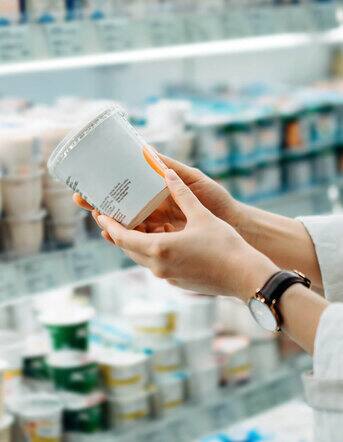
Best-before dates are a guideline – and very different from use-by dates
Just because a yoghurt is a few days past its best-before date (BBD), that doesn’t mean you can’t still eat and enjoy it. This date is simply a guarantee from the manufacturer stating that, when properly stored, a product will retain its flavour, aroma ...
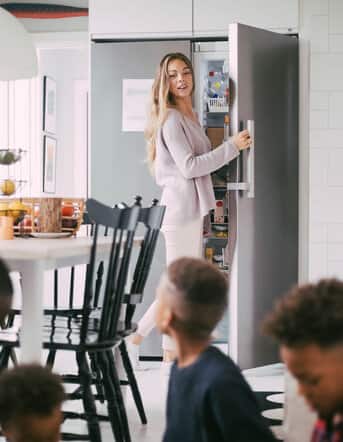
The FiFo principle and temperature zones in your fridge
Put new food at the back, bring older food to the front. The “FiFo” principle (first in, first out) can help you keep track of what’s fresh and what isn’t. It’s also useful to know that refrigerators have different temperature zones. Above the cri...
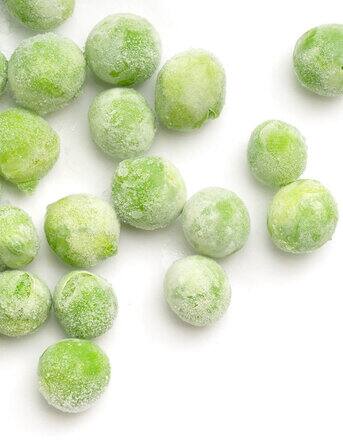
What to watch out for in your freezer
Microorganisms can’t reproduce as quickly in low temperatures. For this reason, the best way to keep food fresh is to freeze it. Here’s some rules for freezing food effectively: Transport frozen products in cool bags or insulated...
Preserving, pickling and fermenting
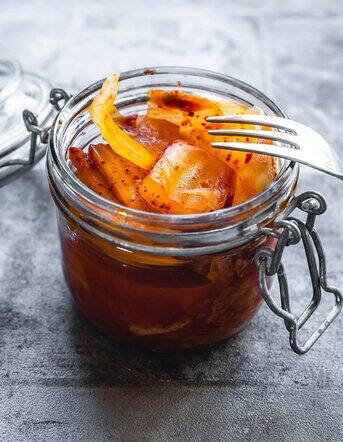
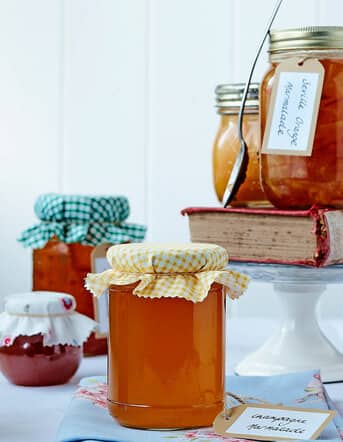
Yes, it might be something your grandmother used to do, but the art of preserving, pickling and fermenting is very much on trend right now! These methods allow you to store food in a cool, dry place, out of direct sunlight, for up to a year. Always label fr...
Preserving food in glass jars
You can preserve just about anything, even meat or sausages. Of course, the food has to be fresh and undamaged when you do. Fruit should be raw and vegetables should be raw and blanched. It’s actually quite simple… layer washed and prepared produce in a...
Pickling food in glass jars
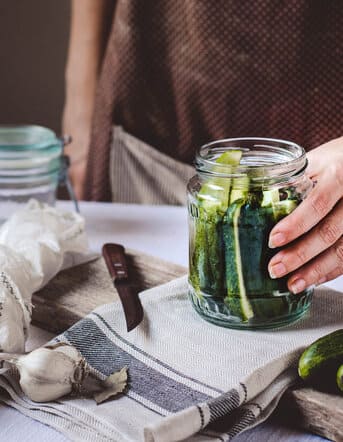
If you want to try something new, why not test your culinary skills with carrots, green beans, beetroot or peppers? These are particularly well suited to pickling. To pickle a kilogram of vegetables, you’ll need to use half a litre of vinegar (5%) and up ...
Fermenting food in glass jars
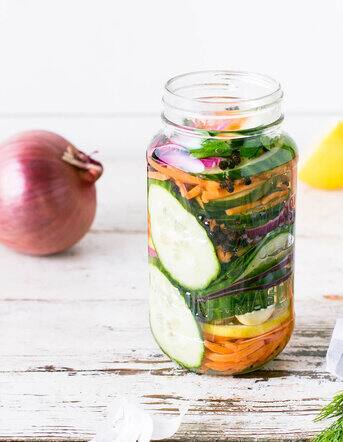
Fermentation is an age-old method for preserving food and is used to this day to make sauerkraut. For some people, fermented foods are more digestible, for example. Enzymes and microorganisms break down the sugars in the vegetables in a multiple-stage proce...
Reviving old food Even when stored correctly, some foods rapidly lose their freshness and take on a chewy or dry, crispy consistency. There’s no need to throw these foods away, though. Here’s how you can refreshen old food in your stock.
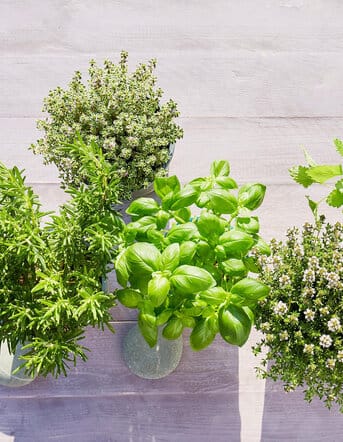
Refreshing salad leaves and herbs
If you want to refresh wilting lettuce, simply sit it in cold water for a little while. This will make the leaves crisp again. You can also heat some firmer varieties of lettuce, such as raddichio, romaine lettuce and chicory. To revive herbs that have beco...
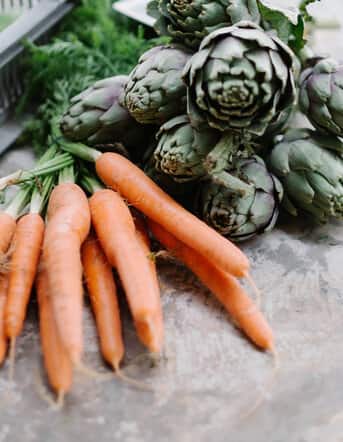
Putting the bite back into root vegetables
Just like lettuce and herbs, root vegetables such as carrots, radishes and beetroot just need to be given a little water to bring them back to life. However, it can sometimes take rather longer. Ideally, you should leave the root vegetables in a container w...
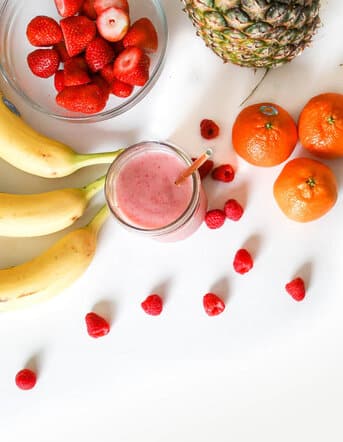
Fruit – an exception
Overripe fruit can’t be refreshed, but you can use it in a number of delicious recipes. Brown bananas, for example, are a perfect ingredient in banana bread or as the base of smoothies – and, in summer, they’re great for making banana ice cream. You c...
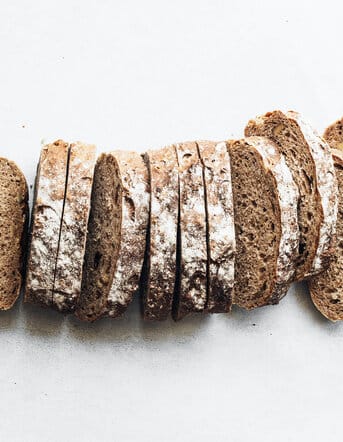
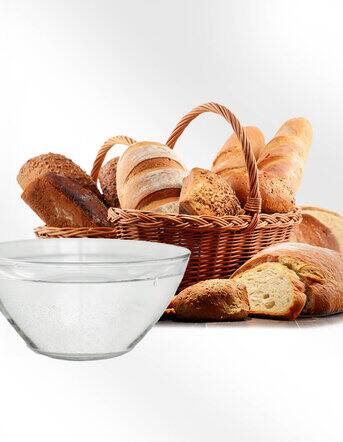
Moisten and bake: Hard bread doesn’t need to be binned
We’ve all been there, haven’t we? That delicious baguette or bread roll we only bought yesterday has gone hard in the blink of an eye. However, that doesn’t mean you have to throw them away – you can still get plenty of value out of them. Take your ...
Sauté or blanch: Making yesterday’s pasta soft again
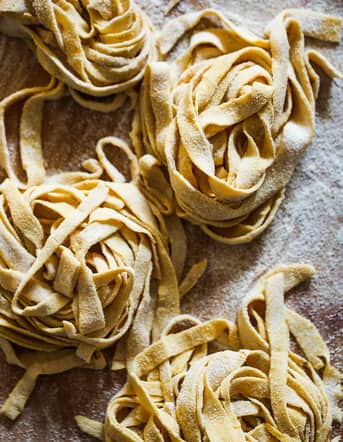
Depending on how you store it, leftover pasta can either become watery or it can dry out. If you want to make it taste just as good the next day, simply sauté softened pasta over a medium heat. On the other hand, if your pasta has dried out, just pop it in...
Hard cheese softens again in milk
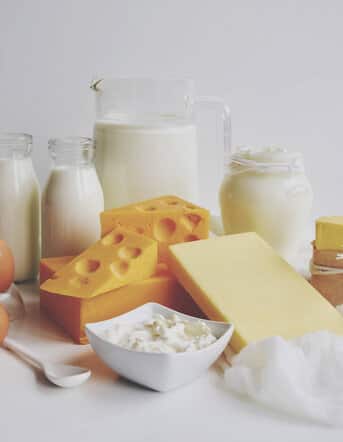
If you leave cheese out on the dining table for too long, or if it gets pushed to the back of the fridge, it can soon become dry and hard. You can soften hardened cheese by soaking it in milk for half an hour or so – this eliminates the need to throw it out.
How apples can save snacks
Biscuits are naturally fairly dry, but they can become even drier and a little hard when stored for a long time. If you like your biscuits a little softer, simply pop a sliced apple in the biscuit tin for a few hours. The fruit will give the biscuits a litt...
What to do with leftovers? Get creative with your odds and ends
What to do with leftovers? Get creative with your odds and ends
Sliced vegetables, yesterday’s potatoes, half a pudding – if you’re not careful, your fridge will be brimming with leftovers. You should always give your food a second chance, as it often allows you to get creative. Don’t throw leftovers in the bin, put them in a pan and conjure up something new. Cooking leftovers together with family and friends can be a lot of fun! Whatever the food, whatever the occasion, there’s always a recipe to match. For example, leftover bread, tomatoes and rocket can become a delicious panzanella. Maybe you could whip up a healthy dessert by turning leftover fruit into a smoothie or fruit salad? And that leftover sliced pepper can be combined with the half-can of sweetcorn and rice from yesterday to create a tasty veggie curry. Still got some soup leftover from yesterday, but not enough for a full portion? No problem! Just use it the last bit of soup as a sauce for pasta or noodles. And, if that’s still not enough, add a few chopped vegetables and maybe a little vegetable stock. Check out our recipe ideas for further inspiration on how to use leftovers creatively.
Zero waste: Other things you can to stop food ending up in the bin
If you’re eating in a restaurant and your portion was too big, simply ask if you can take the leftovers home in a doggy bag. Alternatively, you could ask for a smaller portion in advance. Buying food to eat the same day or the next day? Try to choose products with a close best-before date. Be smarter when peeling and slicing, we often put more of vegetables in the bin than we need to. Broccoli stems, for example, taste just as good as the florets. Ever thought of making a salad out of radish leaves or baking banana peel into a cake? Slice spring onions into rings and freeze them in a plastic bottle. You can then use just the right amount whenever you need them in future. If you’ve opened a tin of food and only need half of it, simply decant the rest into a clean, resealable container. This will keep it fresh for longer. Fancy holding a leftovers party? Cooking together with friends allows you to combine your odds and ends and whip up creative dishes. Heading away on holiday but your fridge is still full? No problem! Simply knock on your neighbour’s door and offer them what you have.
Did you know...
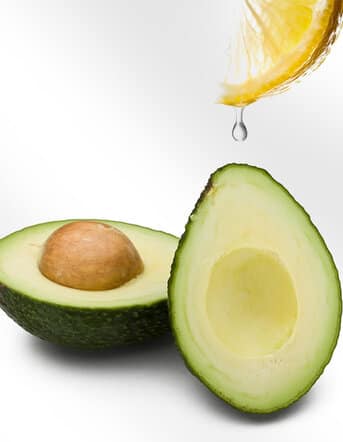
...how to keep your Avocados from browning?
Braun's kitchen hack of the day: after opening an avocado, simply sprinkle some fresh lemon juice on it to keep it from browning. It stays fresh for longer and even tastes good.
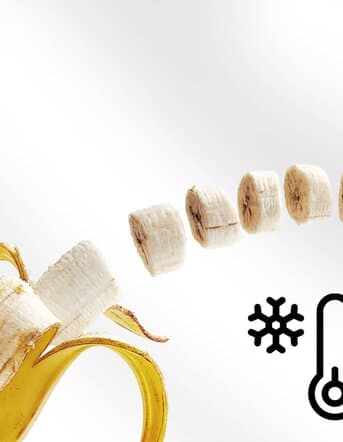
…how to save Bananas that turn brown?
You don't like ripe bananas? Don't worry, many people don't. But with our #braunhack there is no need to waste a good fruit. Simply slice and freeze a banana to have it available whenever you need some. Why not try a freshly made and cool smoothie for insta...
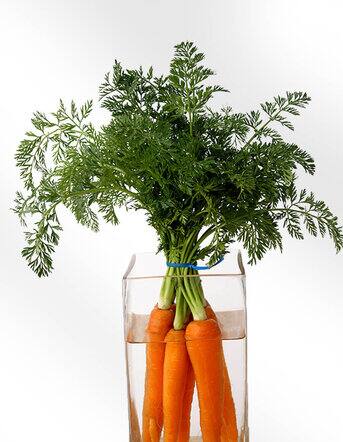
…how to keep your Carrots crisp?
We carrot wait to try this hack at home. Place your carrots in a glass of water to keep them fresh and crispy. Do you already treat your carrots like flowers and keep them fresh in a vase?
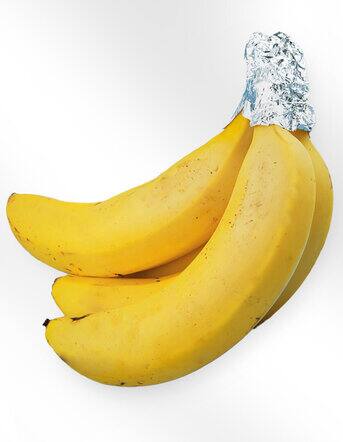
…how to keep your Bananas fresh?
Keep calm and go bananas. Did you know that bananas naturally release a gas called ethylene from their stem, and therefore tend to ripen much faster? Try and cover the stem of the bananas with a small piece of leftover foil, and the ripening process slows d...
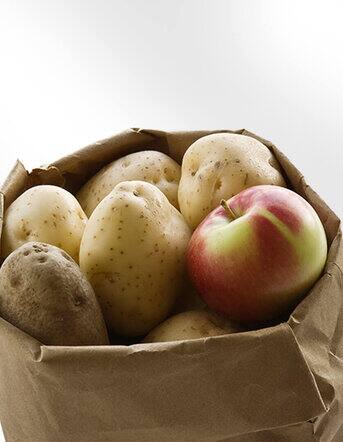
…how to keep your Potatoes from sprouting?
An apple a day keeps the sprouts away. Just place an apple in the same rack with your potatoes. With this little kitchen hack you can keep your potatoes fresh, even if you don't use them up all at once. Have you tried this before?
…how to make stale bread fresh again?
Did you buy too much at the bakery the other day? Don't worry, sprinkle your bread with water and bake it in the oven. With this little trick your baked goods will be fresh and warm again, just in time for Sunday brunch. Try it yourself.
Good design should be effective. So are our tips for reducing food waste, which we hope provide practical, useful examples of how we can show great appreciation for our food with even the smallest effort. Together we can achieve a lot with small changes.