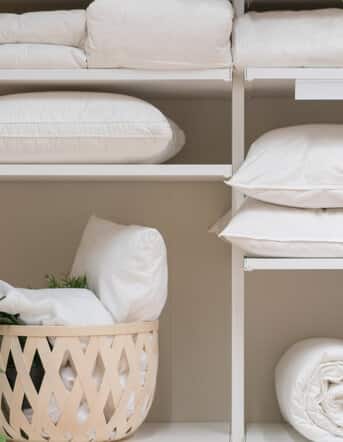
Keeping our clothes in pristine condition not only helps us feel confident but also extends the life of our garments. However, with the wide variety of fabrics available, it can be overwhelming to keep track of how to properly care for each one. The clothes we wear every day, from cotton shirts to denim jeans, need special care to keep them looking their best. Feeling overwhelmed? Don’t worry – We’ve got special tips for you! By embracing sustainable garment care practices, we can not only contribute to a more conscious lifestyle but also make the most of our clothing investments.
Different fabrics, different needs
Delicate fabrics
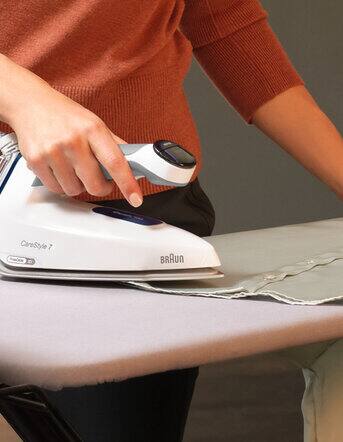
Delicate fabrics such as silk, chiffon, and lace require gentle treatment. Use cool water, mild detergents, and avoid excessive wringing. Our Braun irons with iCare and Eco Mode assist you always choose the right temperature for each fabric.
Natural fabrics
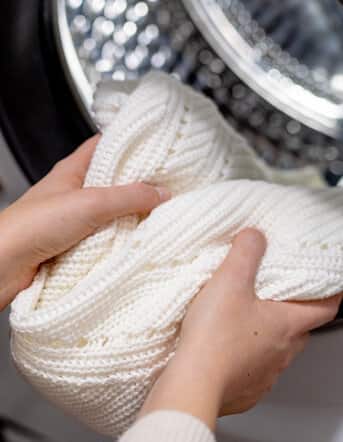
Fabrics like cotton, linen, and wool are natural and biodegradable. To care for them sustainably, opt for eco-friendly laundry detergents and choose lower temperature wash cycles whenever possible.
Synthetic fabrics
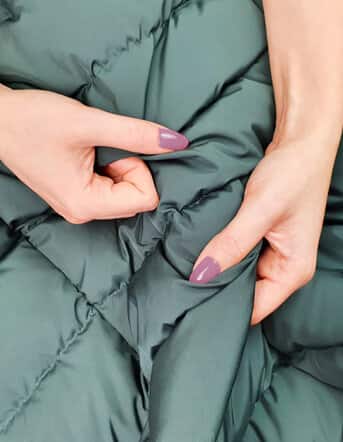
Polyester, nylon and spandex are examples of commonly used synthetic fabrics and are extremely versatile. The most important thing to remember with them is not to use too much heat, as they can melt more easily compared to natural textiles.
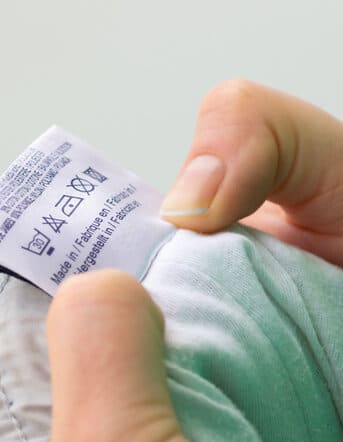
Not sure? Check the label.
First and foremost, it's important to know what you're working with. Check the label to see what type of fabric it is if you are unsure. For a cheat sheet we have explained all washing and drying symbols here.
How to wash and iron different fabrics.
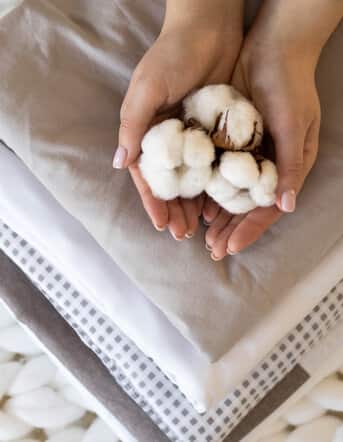
Cotton
Probably the world's most popular textile and a natural fibre. To care for cotton fabrics, remember the following: when washing, use colder temperatures to prevent shrinkage and save energy at the same time. Separate by colour so you don't get stains. Whe...
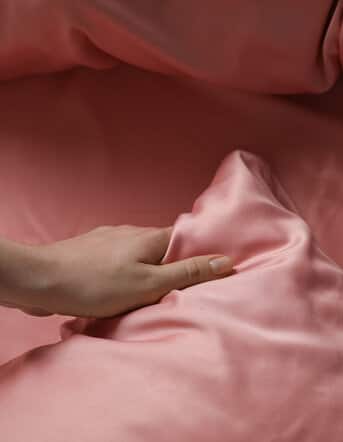
Silk
Caring for silk fabrics requires a delicate touch, just like the fabric itself. The safest way to clean silk is to hand wash it in cold water. To remove excess water, gently roll the garment in a clean towel rather than wringing or twisting. When ironing si...
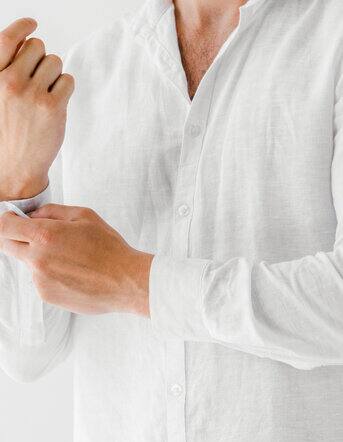
Linen
Linen is an easy-care fabric. To machine wash linen, use cool water and a delicates cycle. Avoid using bleach or harsh detergents that can weaken the fibres, but if you do get a stain, remove it as soon as possible. To dry linen, hang it and let the natural...
Polyester
Polyester fabrics are durable and easy to care for. They can be machine washed on a regular cycle and ironed on a low to medium heat setting. Polyester dries quickly, so either air drying or tumble drying on a low heat is sufficient. Avoid high heat to prev...
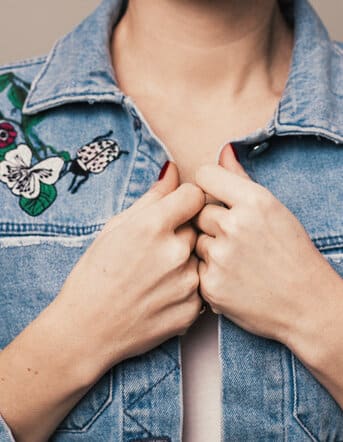
Denim
Wash denim inside out in cold water to maintain colour and prevent fading. Use a mild detergent specifically designed for dark or indigo-dyed fabrics. Avoid tumble drying to prevent shrinkage and maintain the shape of the garment. When ironing denim, turn...
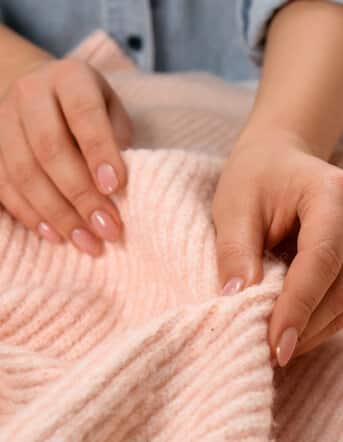
Wool
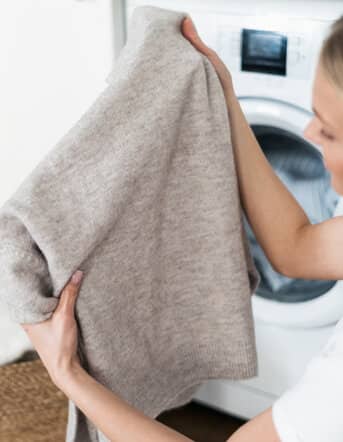
To clean wool garments, hand wash in cold water is ideal to prevent shrinkage. Use a mild detergent designed for wool to avoid damage. After washing, gently squeeze out excess water and roll the garment in a towel before reshaping and laying flat to dry. If...
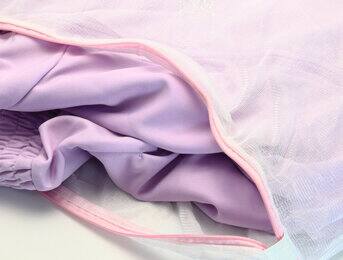
Pro-tip for delicate fabrics: laundry bags.
Pro-tip for delicate fabrics: laundry bags.
The main purpose of a laundry bag is to protect delicate fabrics such as nylon, wool, silk, lace and more. These fabrics are prone to pilling and stretching. By using a zip-closure laundry bag, you can effortlessly protect them from these risks, ensuring their longevity and quality.
It's all about the heat.
It's all about the heat.
Just remember: some garments don't mind being hot, others do. Air-drying is best for delicate fabrics such as silk, lace and cashmere, as they are more fragile and can be damaged in a tumble dryer. These fabrics benefit from a gentle airflow to maintain their quality. On the other hand, sturdier fabrics such as cotton, linen and denim can handle the tumble dryer just fine. They are more durable and better suited to the higher heat and agitation of tumble drying. If you're unsure about ironing, try Braun's smart iCare and Eco Mode, which protects all kinds of ironable fabrics with the right temperature.
How to keep your clothes happy. Storing your clothes correctly is just as important as washing and ironing them. Follow these tips to ensure your clothes stay in great shape.
Clean before storage
Say goodbye to stifling plastic bags or airtight containers that trap moisture and create a breeding ground for bacteria. Instead, opt for breathable cotton storage bags or reuse pillowcases and cotton sheets as protective covers. These materials allow air ...
A breath of fresh air
Fabrics like cotton, linen, and wool are natural and biodegradable. To care for them sustainably, opt for eco-friendly laundry detergents and choose lower temperature wash cycles whenever possible.
Avoid sunlight and humidity
Just like people, clothes have their own preferences. Direct sunlight can cause fabrics to fade over time, so it's best to store your clothes in a cool, dry place away from windows. Excessive humidity can create a cosy environment for mold and mildew, causi...
Clean before storage
Say goodbye to stifling plastic bags or airtight containers that trap moisture and create a breeding ground for bacteria. Instead, opt for breathable cotton storage bags or reuse pillowcases and cotton sheets as protective covers. These materials allow air ...
A breath of fresh air
Fabrics like cotton, linen, and wool are natural and biodegradable. To care for them sustainably, opt for eco-friendly laundry detergents and choose lower temperature wash cycles whenever possible.
Avoid sunlight and humidity
Just like people, clothes have their own preferences. Direct sunlight can cause fabrics to fade over time, so it's best to store your clothes in a cool, dry place away from windows. Excessive humidity can create a cosy environment for mold and mildew, causi...
Did you know?
Historical records show that people were using cotton and wool to make natural fabrics as early as 3000 BC. Maybe our clothes will last just as long with the right care.