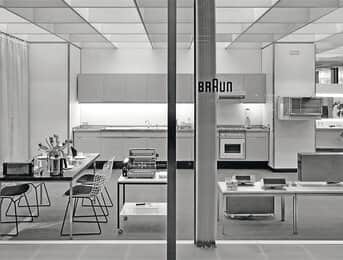
We believe that good design can make lives better - 100 years ago, now and in the future.
For 100 years, Braun has kept to three important principles, inspired by people: Good design is simple, useful and built to last. Until today, people all over the world turn to us because Braun products make life better. They trust in our brand when it counts the most: Whether they want to prepare that special dinner for a first date, iron their best shirt for an important job interview or prepare a vast breakfast for the whole family.
From inventor’s workshop to global brand
Ingenious.
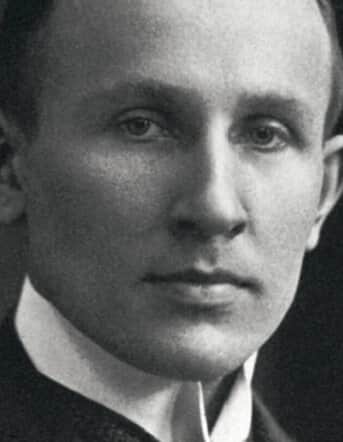
In the early 1920s, engineer Max Braun founds a machine-building workshop in Frankfurt am Main. On the strength of its groundbreaking inventions for the emerging radio broadcasting industry, the firm opens its own factory building with 400 employees in 1928.
Helpful.
During the postwar period, Braun expands its product range with newly developed devices that simplify everyday life. In 1950, simultaneously with the first foil shaver, the Multimix food processor makes its market debut, inaugurating the company’s househo...
Visionary.
After the sudden death of Max Braun, his sons take the company helm in the early fifties. They lay the groundwork for a people-focused corporate culture that extends to all areas of the company – from its letterhead to its exhibition stands, its health se...
Less, but better.
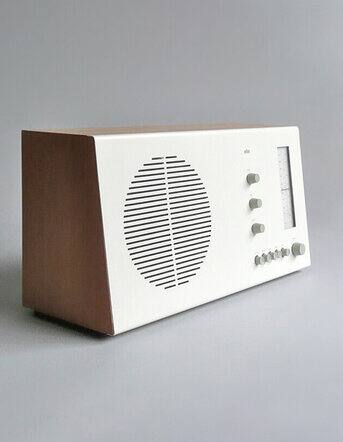
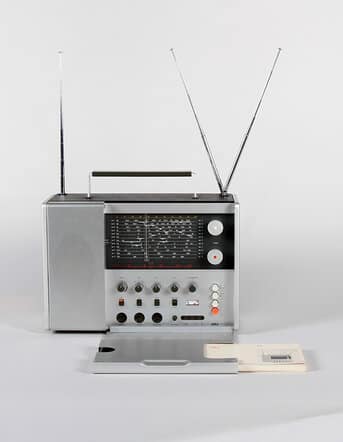
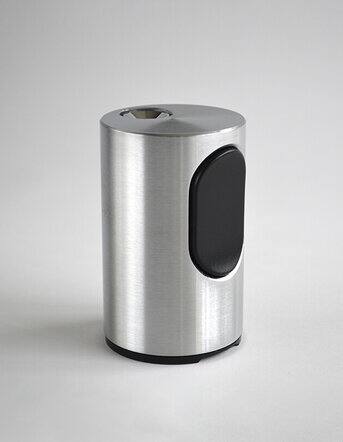
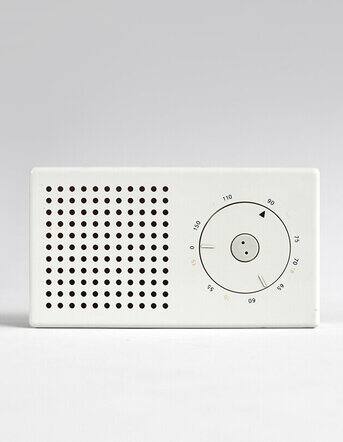
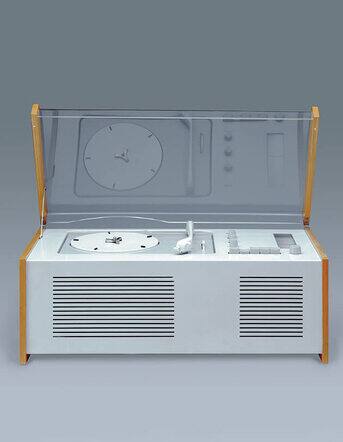
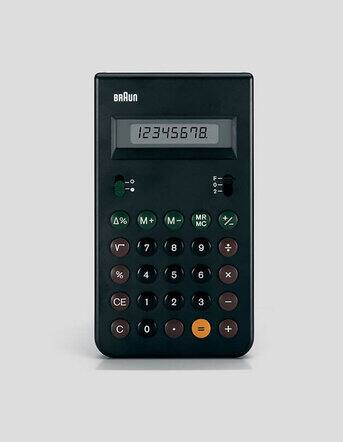
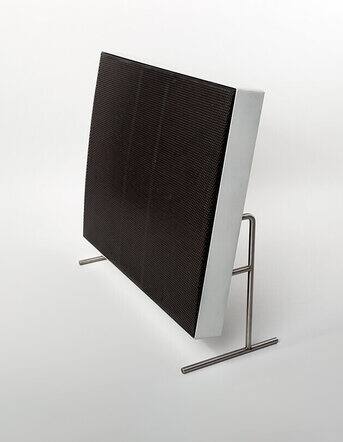
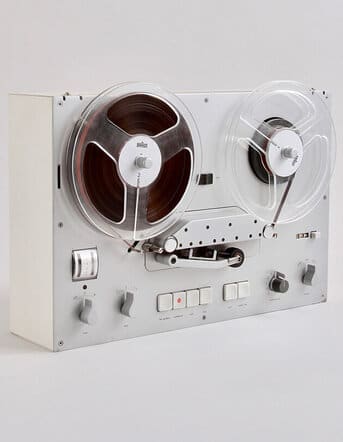
Under the aegis of design legend Dieter Rams, Braun’s radical new Bauhaus-inspired, functional product design sets a new style standard. The company won a rapid succession of national and international prizes and awards for its products. Braun became worl...
Innovative.
Braun reaches the limits of a family-run firm. In the late sixties, Gillette takes over the successful enterprise with its 5,700 employees. This opens up new markets and distribution channels to Braun. Investments increase the company’s innovative strengt...
Today.
Procter & Gamble’s takeover of Gillette in 2005 makes Braun one of twenty-four global brands of the largest consumer-product group in the world. P&G transfers the rights to the Braun brand in the area of household appliances to De’Longhi S.p.A. in 2012....
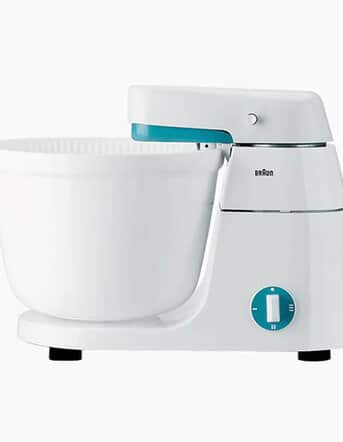
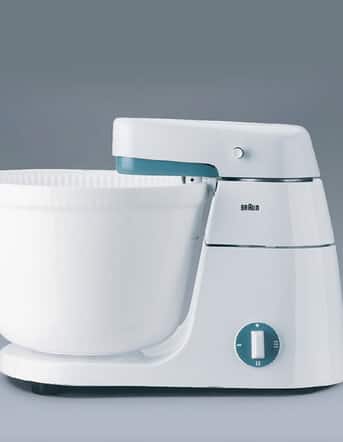
Braun produced the KM 3 food processor for more than three decades.
Braun produced the KM 3 food processor for more than three decades.
Here you can see the KM 3-31 model from 1957. The development of the KM 3 began with the construction of a test model to determine the most suitable rotational speed for the drive. After extensive mixing and kneading trials, the development team designed the drive unit. When it came to the form of the KM 3, the design department developed various models of the base plate, bowl, mixing arm and motor base that were combined with the technology until the first preproduction model, the wistar, emerged.
The 10 Principles of Good Design by Dieter Rams
1 Good design is innovative.
The possibilities for innovation are not, by any means, exhausted. Technological development is always offering new opportunities for innovative design.
2 Good design makes a product useful.
A product is bought to be used. It has to satisfy certain criteria, not only functional, but also psychological and aesthetic. Good design emphasises the usefulness of a product whilst disregarding anything that could possibly detract from it.
3 Good design is aesthetic.
The aesthetic quality of a product is integral to its usefulness because products we use every day affect our person and our well-being. But only well-executed objects can be beautiful.
4 Good design makes a product understandable.
It clarifies the product’s structure. Better still, it can make the product talk. At best, it is self-explanatory.
5 Good design is unobtrusive.
Products fulfilling a purpose are like tools. They are neither decorative objects nor works of art. Their design should therefore be both neutral and restrained, to leave room for the user’s self-expression.
6 Good design is honest.
It does not make a product more innovative, powerful or valuable than it really is. It does not attempt to manipulate the consumer with promises that cannot be kept.
7 Good design is long-lasting.
It avoids being fashionable and therefore never appears antiquated. Unlike fashionable design, it lasts many years - even in today’s throwaway society.
8 Good design is thorough to the last detail.
Nothing must be arbitrary or left to chance. Care and accuracy in the design process show respect towards the consumer.
9 Good design is environmentally friendly.
Design makes an important contribution to the preservation of the environment. It conserves resources and minimises physical and visual pollution throughout the lifecycle of the product.
10 Good design is as little design as possible.
Less, but better - because it concentrates on the essential aspects, and the products are not burdened with nonessentials. Back to purity, back to simplicity.
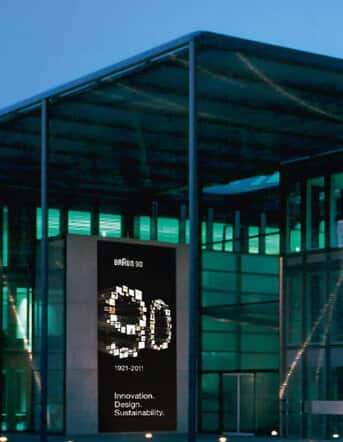
Take a video tour through the Braun Museum in Kronberg, near Frankfurt.
The Braun Museum showcases the great history of Braun with many insides and interesting facts and figures about products from the past and today.
We're building for a better life - back then, now and in the future.
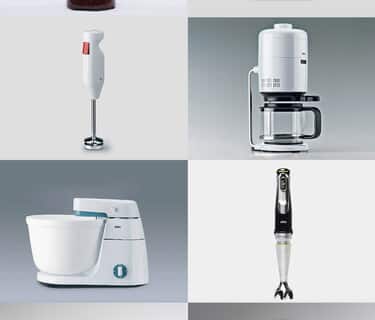
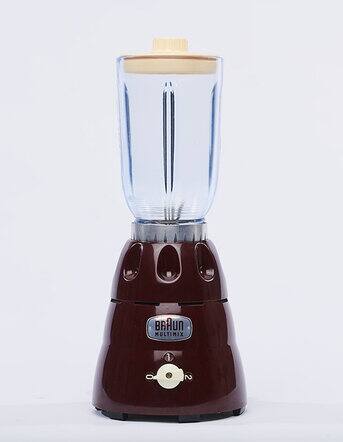
Braun Multimix Blender
The 50's established the milkshake as a western staple, enabled in part by the Multimix, the state-of-the-art blender with a detachable mixing glass container. It cuts ingredients with industrial-grade efficacy. Still widely in use today.
KM3/31
A hugely influential blender or “food processor” as it was known that birthed a whole new product category: “kitchen machines” or appliances. With its hyper-reduced, simple and useful design one of the most influential industrial products of all time.
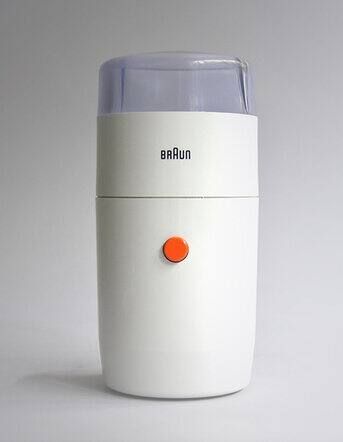
KSM 1/11
Design doesn’t get much more minimalistic than this: a coffee grinder so purpose-built it needed just one, centrally placed button to operate. Finely ground beans were just a finger click away.
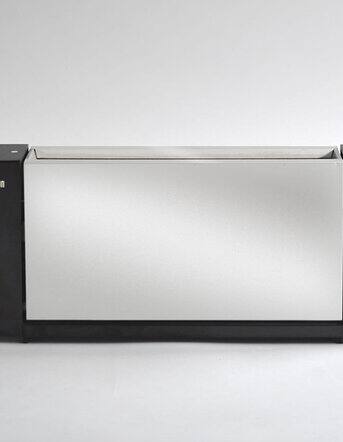
HT 2
This toaster’s sleek, reduced design so inspired renowned artist Richard Hamilton that he based one of his works (aptly titled ‘Toaster’) on it. Oh, and it also browned bread to perfection.
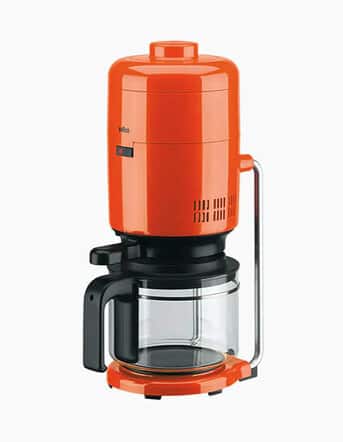
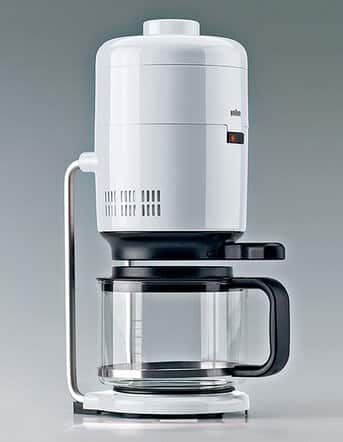
KF 20
With a stacked, vertical design that resembled a water tower, the KF 20 was known as the Aromaster. Instantly recognizable for its unconventional shape, this coffee maker added a touch of the extraordinary to everyday morning filter coffee.
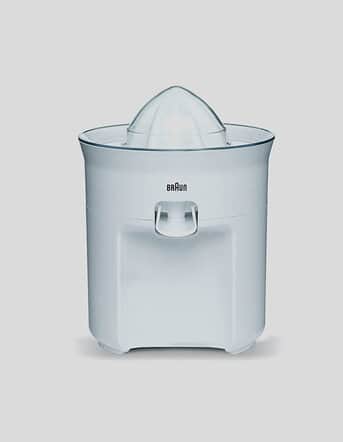
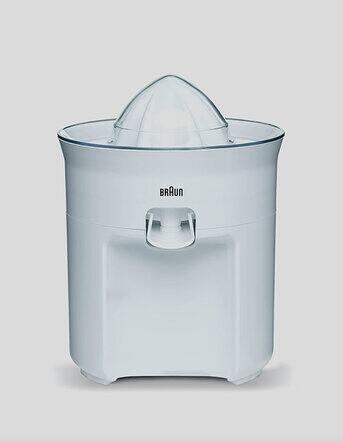
MPZ 22
This electric juicer, also known as the citromatic, was a dependable and incredibly easy-to-clean staple of kitchens across the world for decades. It took over two decades before Braun decided an update to the original design was due.
MR 6
A precursor of the more sophisticated MR 500, the MR 6 was sturdy and tough, meaning it could blend foods that other products couldn't handle. An important stepping stone on the way to perfecting the handheld blender.
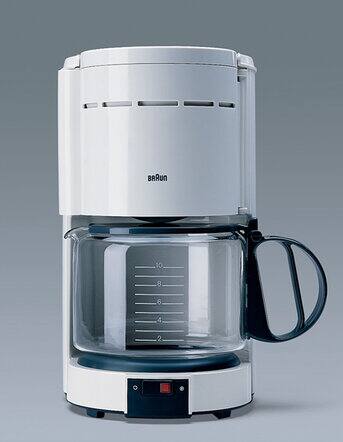
KF 40
This coffeemaker was somehow controversial within Braun, being made of cost-efficient polypropylene rather than sturdier polycarbonate, Braun's go-to plastic. Hence the KF 40's corrugated surface states a design solution that won over Dieter Rams.
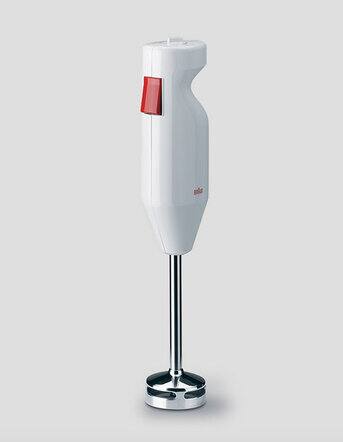
MultiQuick 9
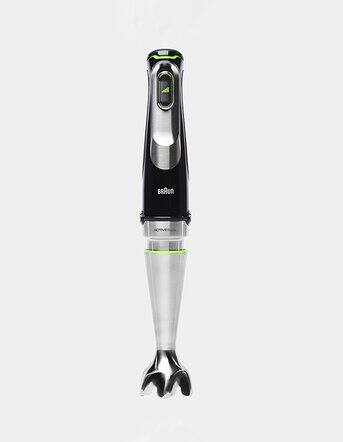
An all-round food blender that condensed the functionalities of devices many times its size into a simple, handheld 'wand'. The definition of reduced design: compact, yet powerful.
A brief story about the history of Braun household products.
A brief story about the history of Braun household products.
Today’s success of Braun’s household products is based on a company history full of excellent science and thoughtful development. We have brought together a few of Braun’s leading light creations, from the very beginning until today. Even more time travelling and a thrilling online experience awaits if you visit the Virtual Braun Museum. Visit the Museum